
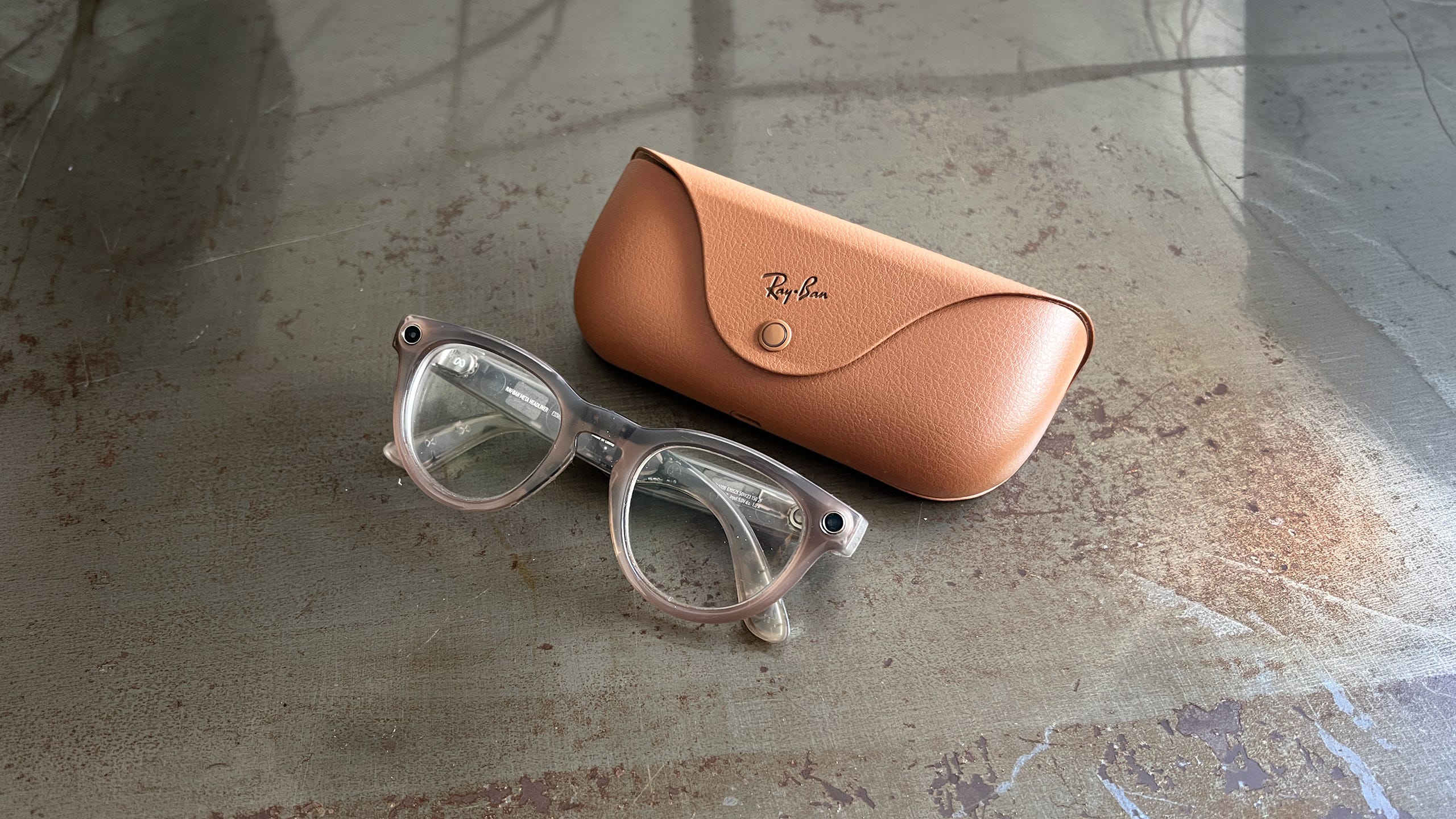
In 2024, I got a pair of Meta Ray-Ban glasses. I had prescription lenses put in them and used them as my main eyeglasses...until now. While I’ve gotten a lot of utility out of these smart glasses, just wearing them on the street is starting to take on an uncomfortable air. I say that because of the increasingly frequent questions I get about them, and the general sense that the public has finally concluded camera-enabled smart glasses are still no better, and no less intrusive, than Google Glass was 15 years ago.
There’s been a torrent of recent negative media coverage of these glasses, including this 404 article on an app that warns you if someone nearby is wearing smart glasses; this WIRED piece on warnings about smart glasses and predators; this NY Times story about Meta adding a controversial facial recognition feature its glasses; and this Guardian feature about how a reporter wore Meta Ray-Ban glasses for a month and ended up “feeling like a creep.“
I’ve had several people ask me in the past month or so if I was wearing Meta Ray-Ban glasses, and then ask follow-up questions, mostly about the photo and video capture capabilities. And no, they weren’t asking because they thought that was a cool feature they’d like to try out. I’ve been wearing these glasses for about 18 months at this point, but the skeptical questions have kicked into high gear more recently.
Ironically, I rarely take photos or videos with these glasses. The battery life is short, and shooting even a few video clips will drain it even faster. When I do use them for content capture, it’s usually for adding a first-person POV shot to tech videos I’m shooting at home. That remains a legitimately interesting and useful way to use these glasses. But today, I’d think twice before shooting any photos or video on a public street or in a store.
Much more often, I use them for hands-free phone calls or listening to audio on the go. With all the talk about camera creeps, those highly usable features get lost in the shuffle, and that’s a shame -- glasses with built-in speakers and a mic, but minus the camera, might be the way to go in the future.
The zeitgeist has decidedly turned against smart glasses in general, and Meta Ray-Ban glasses specifically.
But for now, the zeitgeist has decidedly turned against smart glasses in general, and Meta Ray-Ban glasses specifically. That’s why, when it was time to update my prescription, I went back to plain old dumb glasses, this time from cult favorite boutique brand Cubitts. They may not take photos or make phone calls, but I won’t get any dirty looks for wearing them, either.
But the news about wearables isn’t all bad...
There’s an entirely different set of glasses I’ve been testing out lately: the XREAL One Pro AR glasses. Unlike some wearables that struggle to balance utility with novelty, these have a refreshingly straightforward pitch -- they’re essentially a wearable second monitor for your laptop, tablet, phone, or handheld game console.
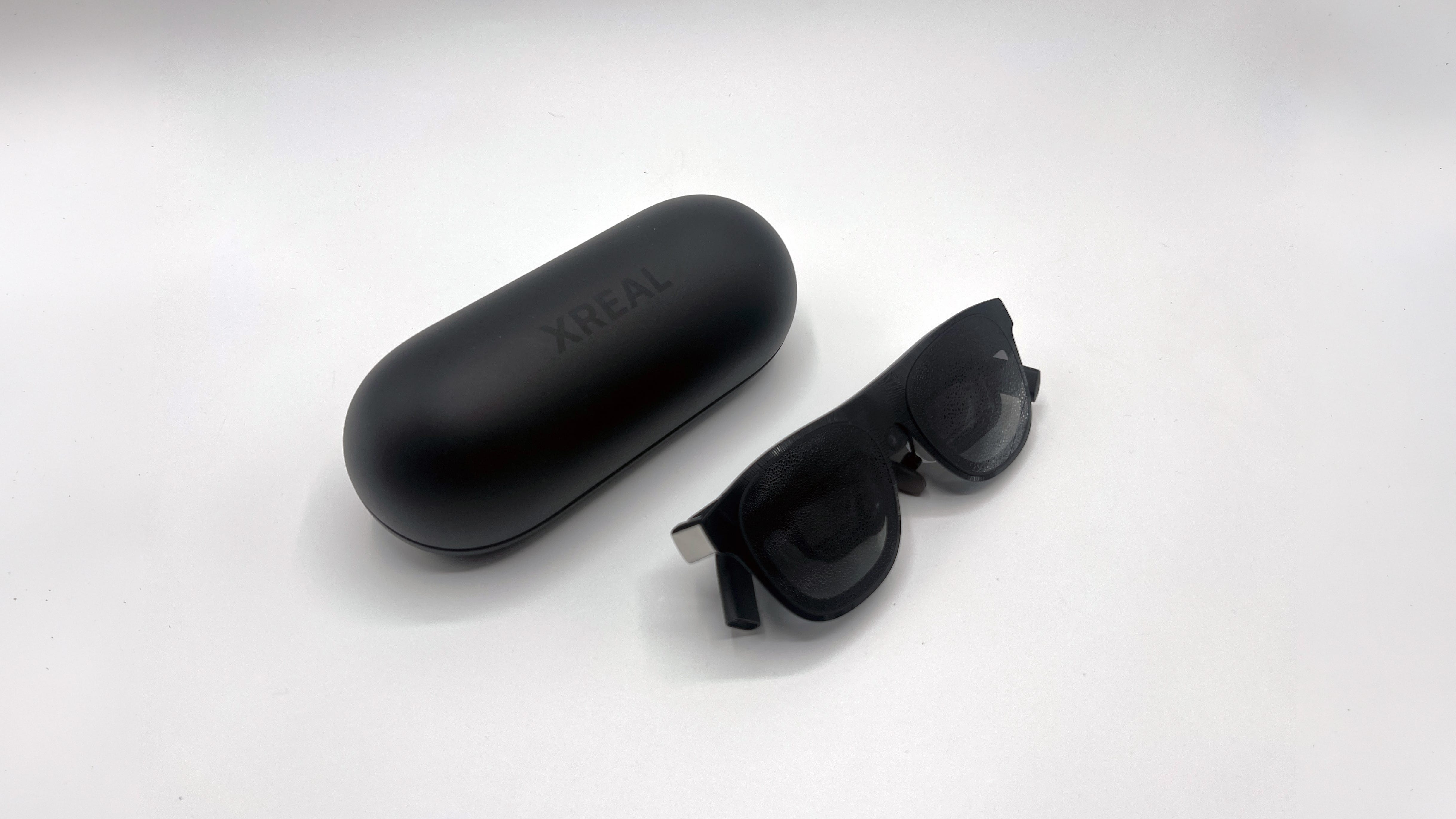
In my recent hands-on review for Micro Center News, I called them “AR glasses that make sense.” There’s no battery to worry about, because they’re powered by whatever device you plug them into. There’s no software to install or configure -- your laptop just sees them as an external display.
Read the full review here, or check out the hands-on (eyes-on?) video below.
And speaking of products that hit the mark...
I’m currently testing the new Dell XPS 14, which is probably the second-biggest laptop story of the year so far after the MacBook Neo launch. It’s about as perfect as a Windows laptop is likely to get, and represents a great comeback for what might be the only Windows laptop brand people genuinely loved.
It’s slim, has a 14-inch tandem OLED display, weighs just around three pounds, and is one of the first laptops with Intel’s new Core Ultra Series 3 chips. Its large touchpad is integrated right into the all-glass wristrest, but with two subtle raised lines on either side, so you can tell where it begins and ends. It’s these sort of evolving little touches that have always helped the XPS line stand out (and I’ve been testing and reviewing XPS laptops since the original XPS 13 in 2012).
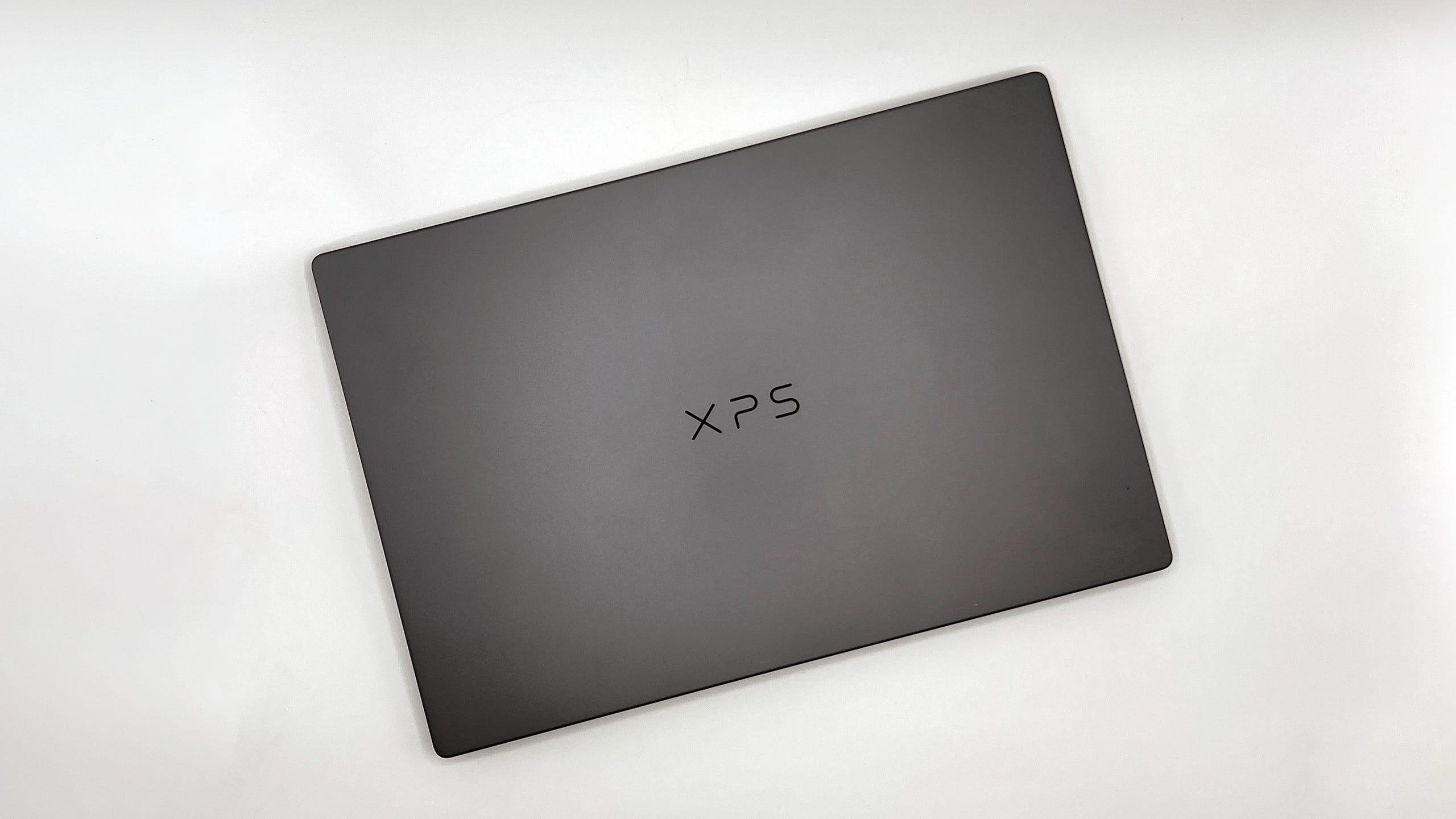
The real reason that this is a big story for laptop fans is that Dell actually killed the XPS brand name last year, at least temporarily. It was part of an ill-advised attempt at brand simplification: getting rid of any sub-brands like XPS or Latitude. You could still get a very similar laptop last year under a more generic Dell name, but it wasn’t the same. At CES 2026, Dell announced it was bringing some of its brand names back, including XPS, and the tech media treated this as an overwhelmingly positive development.
Here’s a quick unboxing video to give you a look at the new hardware, and I’ll have my full hands-on review at microcenter.news soon.
Read my NYT-reviewed gaming history book: The Tetris Effect
Play my tabletop game, Techlandia!
Threads: threads.net/@danack
Bsky: danackerman.Bsky.social
LinkedIn: linkedin.com/in/danackerman
TikTok: tiktok.com/@danacknyc
YouTube: youtube.com/danackerman
MC News: microcenter.news
New app! 3Dbookmark.app
New app! ShelfYourself.app
Comments
Nothing yet. Say the first thing.
Sign in to join the conversation.