
A great meal is only as good as its ingredients. The best chefs know exactly where to go for the perfect tomatoes, who makes the best butter and which bakery has the bread worth serving. Chanel has approached fashion much the same way. Except, over the past four decades, instead of simply shopping from the best suppliers, it started buying them.
The embroiderers, shoemakers, milliners, goldsmiths, feather workers and flower makers behind some of fashion’s most extraordinary details aren’t anonymous Chanel factories. They are companies with names and histories of their own. Many of these items can be purchased for much less without the Chanel imprint if you know what names to look for.
So if you want a little bit of what makes Chanel Chanel without necessarily paying Chanel prices, these are the names worth knowing.
Goossens: Jewelry
If you like Chanel costume jewelry, start with Goossens. The house sells its own rings, cuffs, brooches, earrings and necklaces, often using the same vocabulary of chunky gold-tone metal, rock crystal, pearls and oversized cabochons associated with Chanel. Current rings start around $350, bracelets around $560 and necklaces around $640, making Goossens one of the easiest ways to buy into the craftsmanship without the Chanel stamp.
Maison Michel: Hats
Maison Michel is the name to know for hats. You can buy its fedoras, cloches, caps, straw hats and other headwear under the Maison Michel label. They can easily be found online and at luxury department stores. The best part is that this isn’t a Chanel imitation. It’s the actual specialist milliner owned by Chanel.
Barrie: Cashmere
For knitwear, you’re going to want to search for Barrie. It’s a Scottish cashmere manufacturer with its own full collection of sweaters, cardigans, dresses, tops and accessories. And to be clear, Barrie doesn’t just make cashmere for Chanel. Chanel owns Barrie. Prices are still firmly in luxury territory, but considerably less than what you’ll find hanging from a Chanel tag.
Massaro: Shoes
Those Chanel ballet flats and two-tone slingbacks you’ve been buying for years have their roots at Massaro. The Paris shoemaker created the original two-tone shoe with Gabrielle Chanel in 1957, and Chanel eventually bought the company in 2002. Today, Massaro’s artisans divide their time between couture and their own made-to-measure clients, with women’s shoes starting at €5,500. The real opportunity, however, is vintage and consignment. Massaro is a name most shoppers don’t think to search, which means extraordinary shoes can turn up for a fraction of their original price.
Lesage: Tweed & Embroidery
Consider Lesage one of Chanel’s special ingredients. The house creates the extraordinary embroideries and handwoven tweeds that give so many Chanel pieces their depth and texture. This isn’t one where you can buy a bolt of Lesage tweed or look for a Lesage label at a consignment store. The value in knowing the name is understanding what you’re looking at when Chanel identifies a piece as Lesage. Think of it as the dash of coarse salt on a chocolate chip cookie. It’s the detail that tells you a particular tweed or embroidery is extra special.
Lemarié: Flowers & Feathers
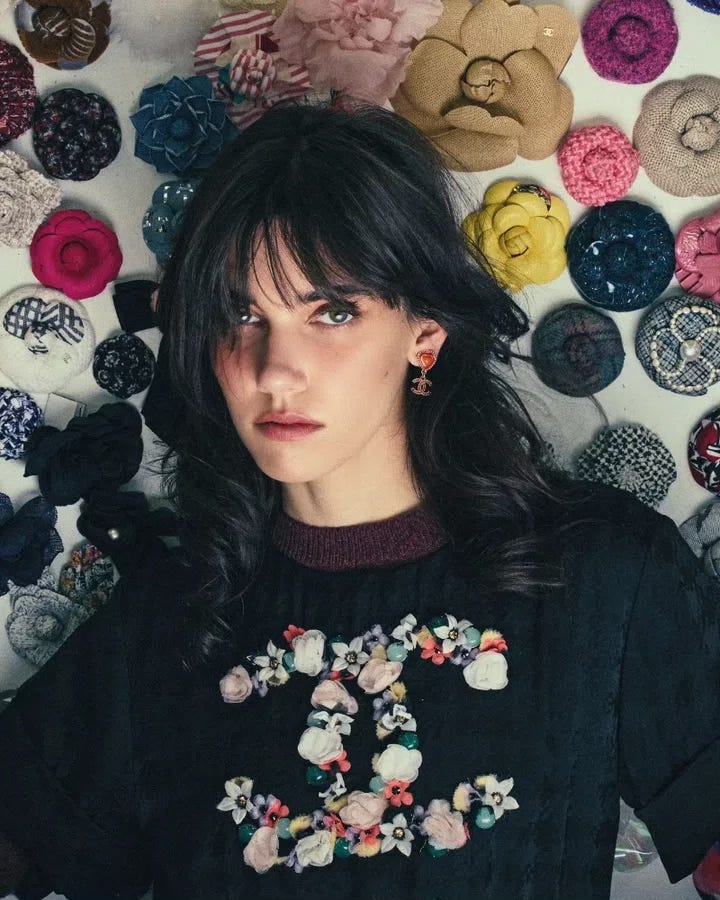
Those elaborate fabric flowers, feathers and camellias are the territory of Lemarié. You can’t exactly walk into a Lemarié boutique and buy a camellia, but the atelier’s work isn’t limited to Chanel. Lemarié creates extraordinary flowers and feather work for other fashion houses, designers and special commissions. I actually have several magnificent rose magnets that were commissioned by The Peninsula for the hotel opening in Paris. (I’ll need to dig those up.)
Desrues: Buttons & hardware
If you’ve ever thought the buttons on a Chanel jacket looked more like jewelry than buttons, there’s a good chance you’re looking at the work of Desrues. Chanel bought the specialist manufacturer in 1985, and it produces the elaborate buttons, clasps, chains and other hardware that can make the smallest details of a Chanel piece feel special. Unfortunately, there isn’t a little Desrues signature that makes its work easy to identify. And although Chanel owns the atelier, its expertise isn’t exclusive to Chanel. Desrues has worked with houses including Balmain, Lanvin, Givenchy and Vionnet, which means its craftsmanship can turn up under other labels too.
Atelier Montex: Embroidery
If Lesage is a special ingredient, think of Montex as the intricate sugar work coming out of the pastry kitchen. The atelier specializes in embroidery and embellishment, using unusual materials and highly specialized techniques to transform the surface of a garment. There isn’t a Montex label to hunt down, but Chanel will sometimes call out the atelier when discussing a particularly elaborate piece or collection. When you see the Montex name, you know there’s a level of technique involved that not everyone can pull off.
Causse: Gloves
For gloves, the name to know is Causse. Chanel acquired the French glove maker in 2012, but Causse continues to make beautifully crafted leather gloves under its own name. You can shop them new or search vintage and resale, making this another opportunity to buy directly from a Chanel-owned maker without the Chanel label.
Charvet: Shirting
The newest addition to Chanel’s collection of specialists is Charvet, the legendary Place Vendôme shirtmaker that Chanel acquired just last month. This is also one of the easiest Chanel-owned houses to shop directly. Charvet sells ready-to-wear and made-to-measure shirts, pajamas, ties, slippers, socks and other accessories under its own name. You can shop it new, vintage and preowned. I actually contemplated having a Charvet shirt made this spring. At around $600, it seemed like a pretty compelling proposition, but coordinating the fittings and actually getting the shirt became logistically annoying.
As Chanel’s quality is continuously questioned, especially as prices climb higher and higher, I can’t help but think about all these maisons. Chanel has spent decades collecting and preserving some of the most specialized skills in fashion, many of which would be difficult, if not impossible, to recreate at scale today. Once you know who is making the buttons, weaving the tweed, embroidering the fabric or constructing the shoes, the conversation around value becomes a lot more complicated.
And Chanel is clearly still collecting. The acquisition of Charvet feels forward thinking because it isn’t simply another technique or ingredient. It is a fully formed house with a strong menswear identity. Perhaps menswear is finally making its way onto the menu.
No posts
Comments
Nothing yet. Say the first thing.
Sign in to join the conversation.