
I started writing this newsletter two weeks ago while on holiday in sunny San Sebastián on Spain’s northern coast.
When I was booking my bus there from the Bilbao airport, I kept seeing the city listed as “Donostia / San Sebastián”.
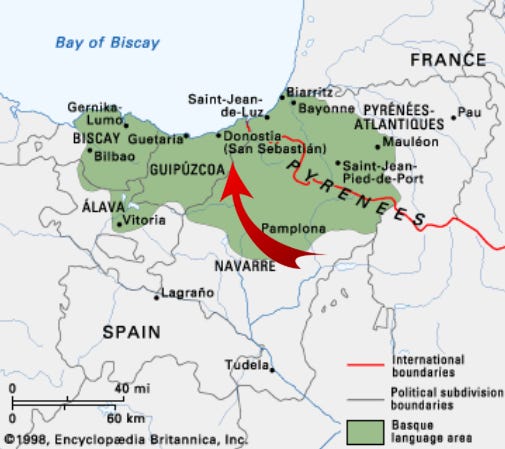
Initially, I thought these were just two neighboring cities… before realizing that the city just has two names:
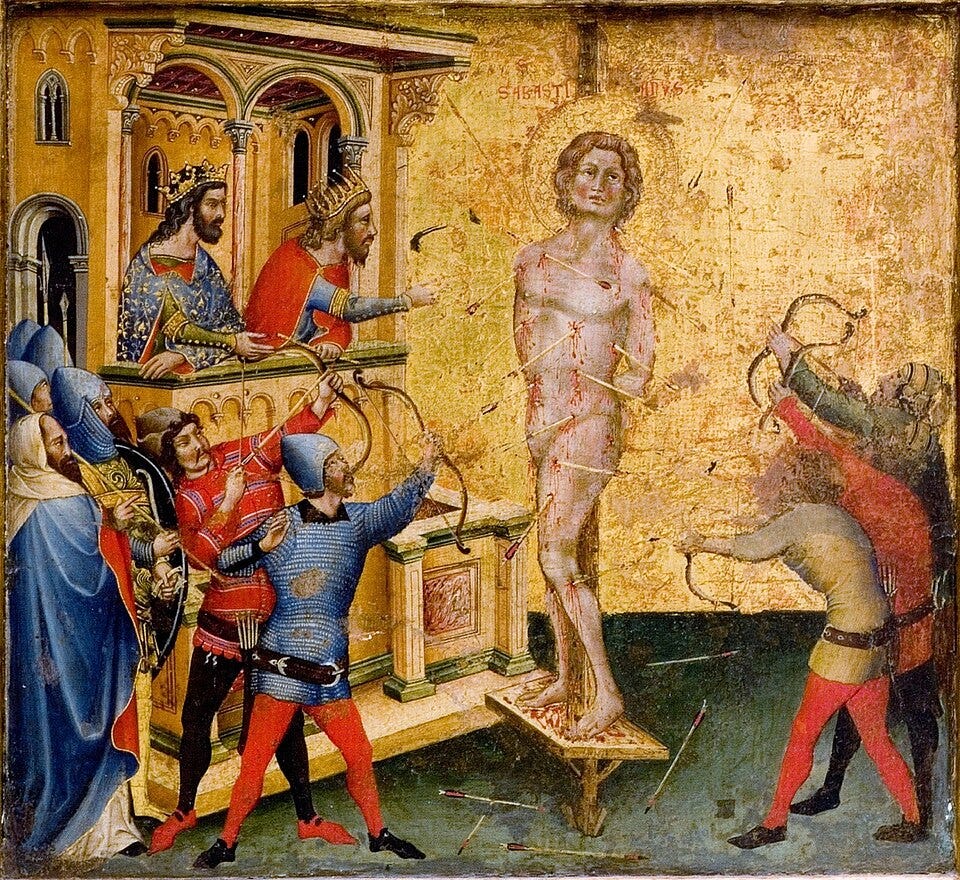
San Sebastián, the Spanish name for the martyred Saint Sebastian (pictured below in a painting from 1397)
Donostia, which is the Basque name for the same saint
Today’s newsletter is about the Basque Country, a semi-autonomous region of both Spain and France that is home to more than 3,000,000 people.
The Basque culture and language have existed for over 1,000 years, and the Basque people are associated with a proud cultural tradition that has persisted despite centuries of efforts to integrate them within empires and nation-states.
The Basque language of Euskara is Europe’s oldest living language, and it is the only pre-Indo-European language that is still spoken in Europe today.
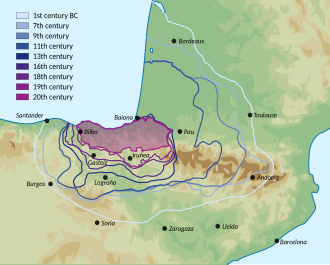
Roman invaders arrived in Iberia in 218 BC, but the mountain-dwelling Basques were only lightly integrated into the Roman world, allowing their unique language and identity to endure.
During the Middle Ages, the Basque provinces became part of the kingdoms of Navarre and Castile while preserving an extraordinary degree of self-government.
Rather than being ruled directly from Madrid, they governed themselves through ancient charters known as fueros, which protected their own laws, taxation, and military obligations.
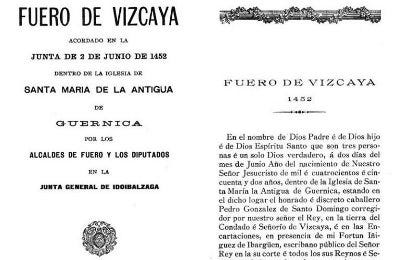
This arrangement endured for centuries, allowing the Basques to remain culturally distinct while loyal to the Spanish Crown.
The rise of the modern Spanish nation-state in the 19th century brought that autonomy to an end.
During the series of civil wars over the Spanish throne known as the Carlist Wars, Madrid gradually dismantled the fueros, culminating in their abolition in 1876.
Although the Basque provinces retained limited privileges, centuries of political self-rule had ended.
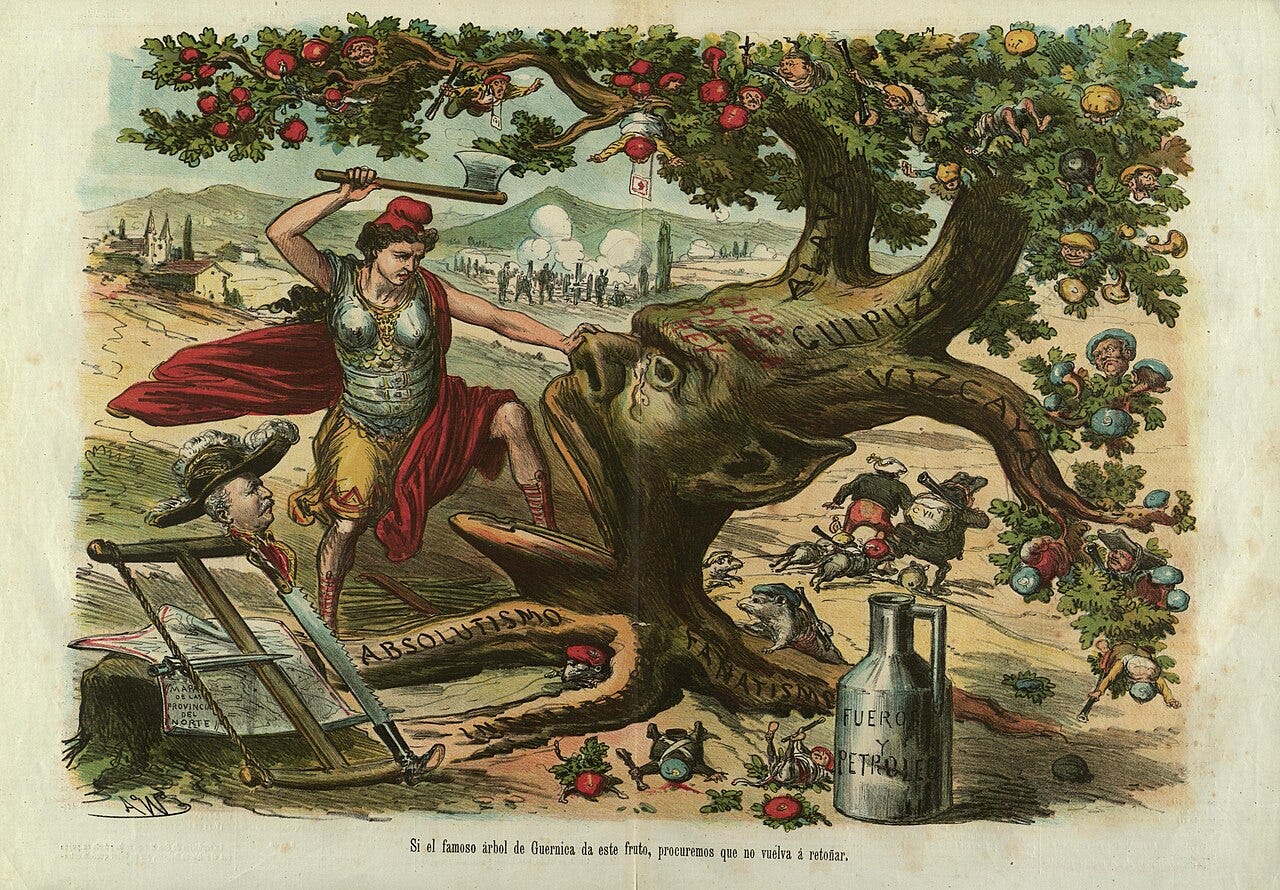
The loss of the fueros became the defining grievance that fueled modern Basque nationalism, as many sought to preserve a language, culture, and identity they believed the centralized state increasingly threatened.
This anger over the loss of Basque autonomy continued into the 20th century. Most Basques sided with the Second Spanish Republic during the Spanish Civil War of 1936-1939.
During the Franco dictatorship, which lasted from 1939 until 1975, the Spanish government banned the Basque language and self-government.
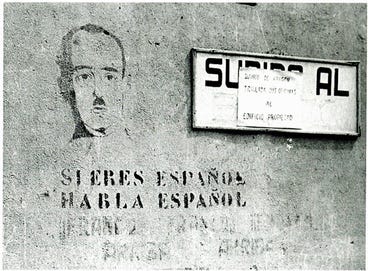
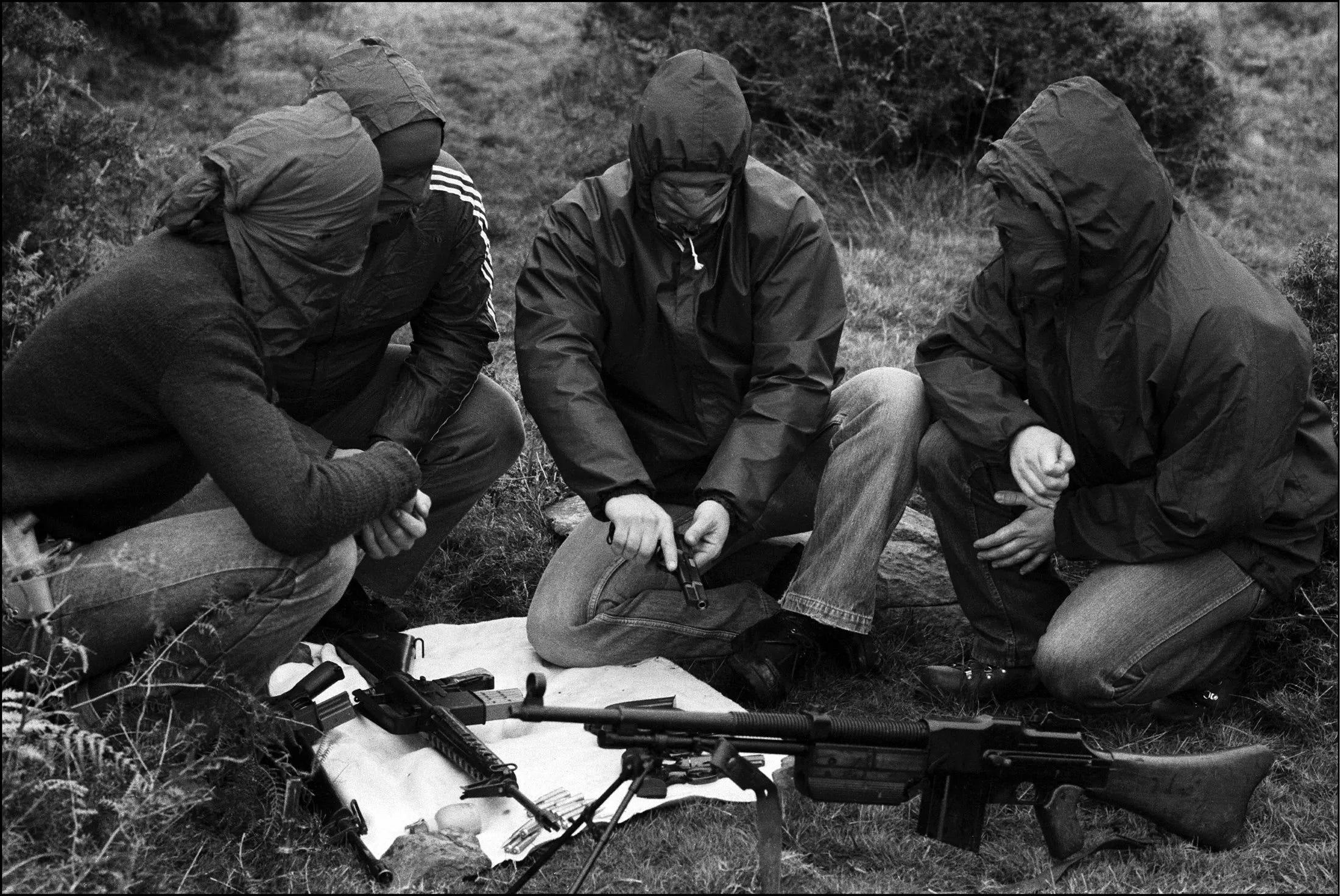
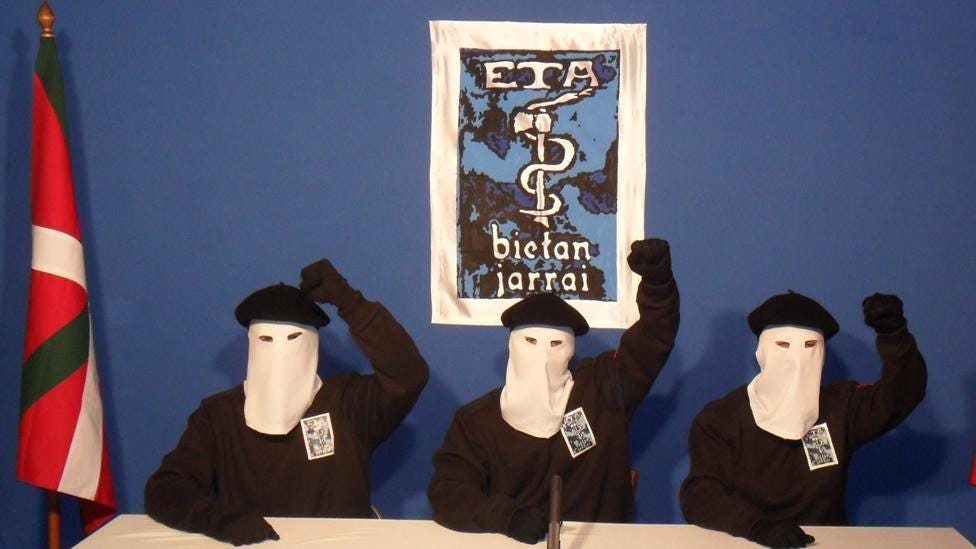
Out of this repression emerged the ETA (Euskadi Ta Askatasuna—”Basque Homeland and Freedom”), founded in 1959 by young nationalists frustrated with the moderate Basque Nationalist Party.
Initially focused on cultural resistance, ETA evolved into a leftist revolutionary organization that embraced armed struggle, carrying out bombings, assassinations, and kidnappings that killed more than 800 people over four decades.
The ETA’s 1973 assassination of Franco’s chosen successor, Admiral Luis Carrero Blanco, became one of the most consequential acts of political violence in modern Spanish history.
After Franco’s death in 1975, Spain transitioned to democracy and granted the Basque Autonomous Community one of the highest levels of regional self-government in Europe.
Basque language and culture experienced a remarkable revival, while most nationalists pursued their goals through democratic politics.
ETA continued its violent campaign despite the return of autonomy, gradually losing public support from a Basque population that was largely sympathetic to the separatist movement.
The ETA declared a permanent ceasefire in 2011 and formally dissolved in 2018, ending one of Europe’s longest-running separatist conflicts.
Today, the Basque Country enjoys extensive autonomy within Spain.
Euskara is once again taught in schools, spoken in government, and visible on street signs alongside Spanish.
While debates over independence continue, they are now fought through elections rather than violence.
The Basques are a reminder that nations and states are not (always) the same thing.
A state is a political institution largely defined by borders and a government.
A nation is a community of people bound together by a shared history, language, and culture.
Despite having spent much of the last thousand years without their own sovereign state, the Basque people have maintained the traditions that define their nation.
Today, they are still unmistakably Basque.
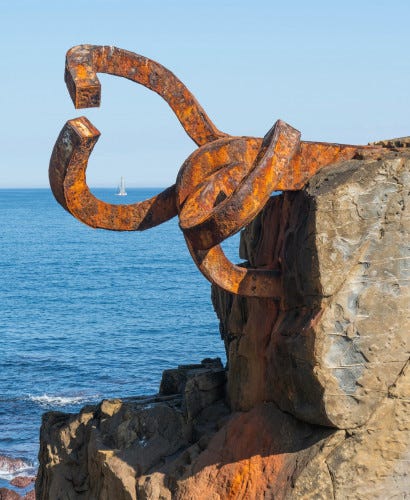
ART OF THE DAY
Comments
Nothing yet. Say the first thing.
Sign in to join the conversation.