In this weekly feature for Andelman Unleashed, we continue to explore how media of other nations view America and the rest of the world, bringing to bear 60 years of reporting from 90+ countries. We cover lots of ground—diving each week through 30+ newspapers & 100+ websites on every continent. You may not want to read it all, but it’s all here for you!
We can all learn from what others say about us, around the globe.
To accomplish this mission for you, I pay for a host of global media—newspapers, magazines, websites, television—so you all can become better informed about the world…A (lightly) paid, even Founder subscription would help if you are able…and allow you to participate to the fullest in our adventures.
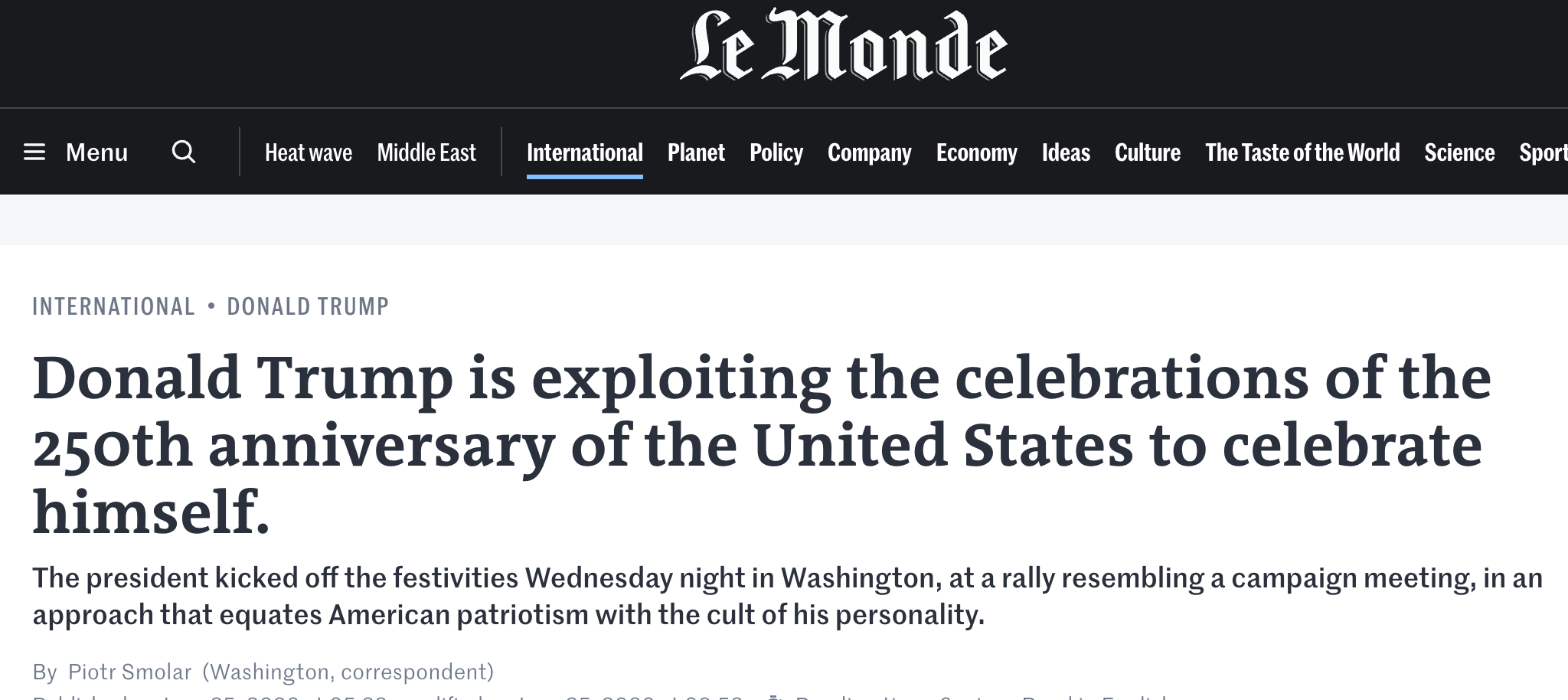
The world is really beginning to wake up to the reality of Donald Trump and the America he is trying to present….as Le Monde’s Washington correspondent Piotr Smolar headlined….
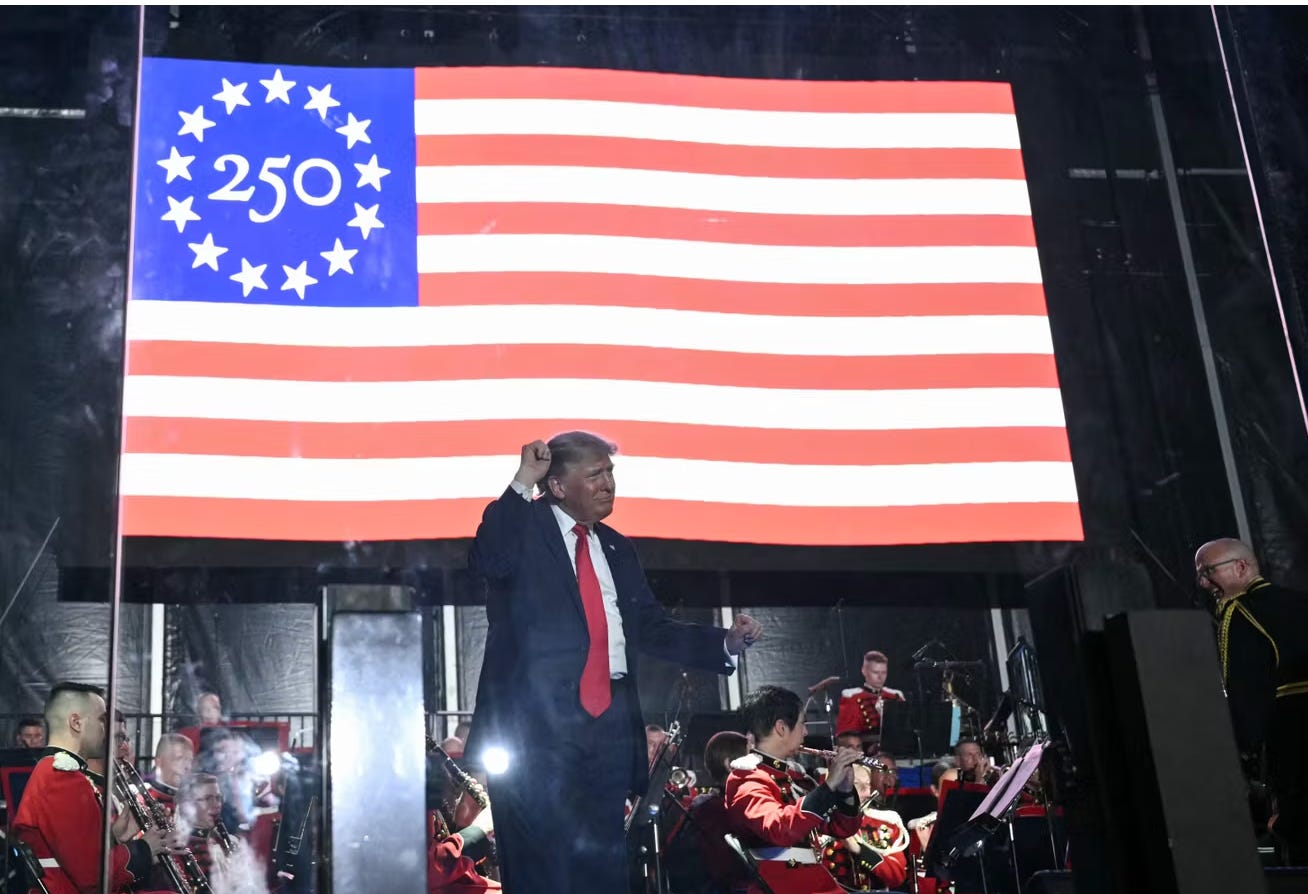
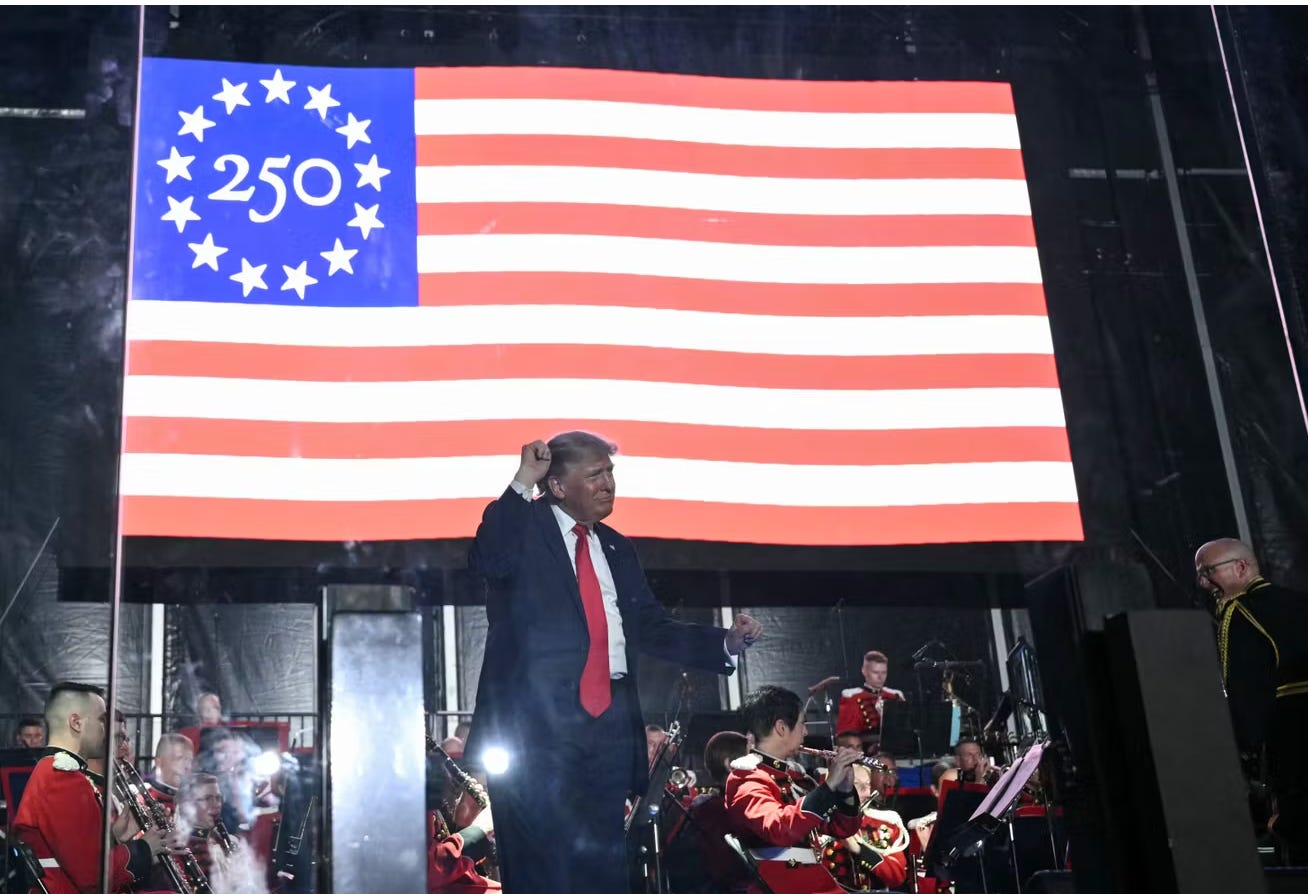
The final invitation had been sent the day before by text message. It read, “America is back,” and invited everyone to meet on June 24, in the early evening, in the heart of the capital, on the National Mall, for the launch of the 250th anniversary celebrations of the Declaration of Independence. The image was of a giant Donald Trump, wearing a red tie. Far behind, the Washington Monument obelisk was visible. Above the president, a B-2 bomber and fighter jets left contrails in the sky in the colors of the American flag. Like a movie poster.…
Given that blurring the lines between genres was a defining characteristic of the Trump administration, these celebrations were no exception. They could have been a moment of reconciliation, of civic communion around the Founding Fathers and shared values. Instead, Donald Trump chose to politicize this series of events, in the partisan sense of the word, and to exploit them for his own glory.
At times, the American president read prepared lines from his team, such as this one: "We are the torchbearers of Western civilization." But for the most part, Donald Trump did what Donald Trump does best: improvisation, digressions, and a review of current events. He spoke about the conflict in Iran, the reopening of the Strait of Hormuz, gasoline prices and the markets, closed borders, tax cuts, and the World Cup, as if it were a campaign rally.
With this background, it is not hard to imagine armed exchanges across the Strait of Hormuz seem to have become all but routine. So, while America celebrates its 250th, and Donald Trump celebrates himself, many leading papers around the world are all but ignoring what appears to be a shredding of the 60-day truce at the heart of the Memorandum of Understanding between Trump and the rulers of Iran.
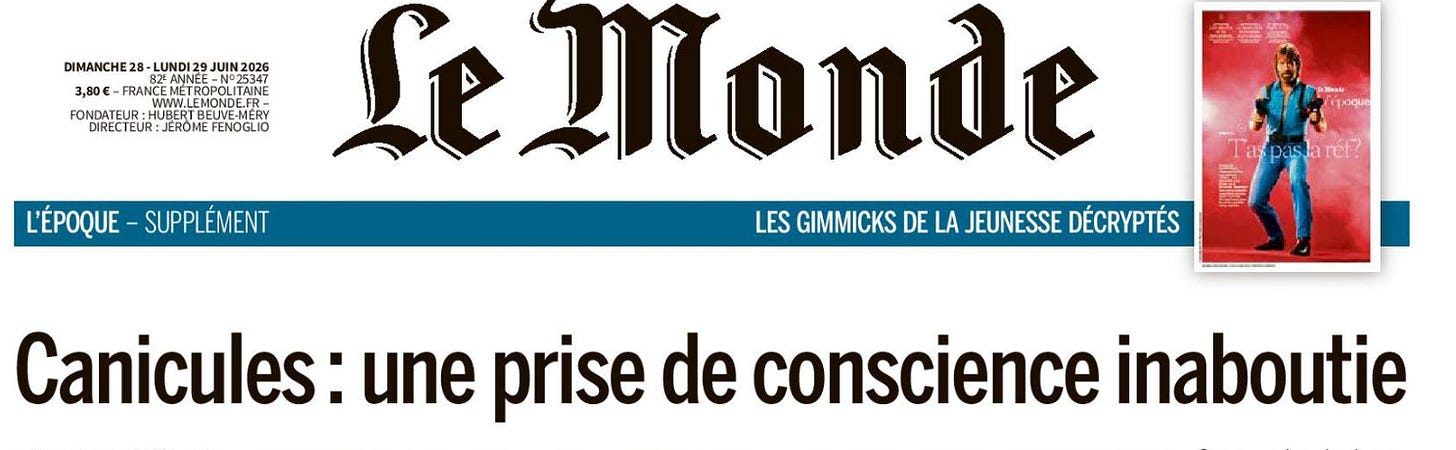
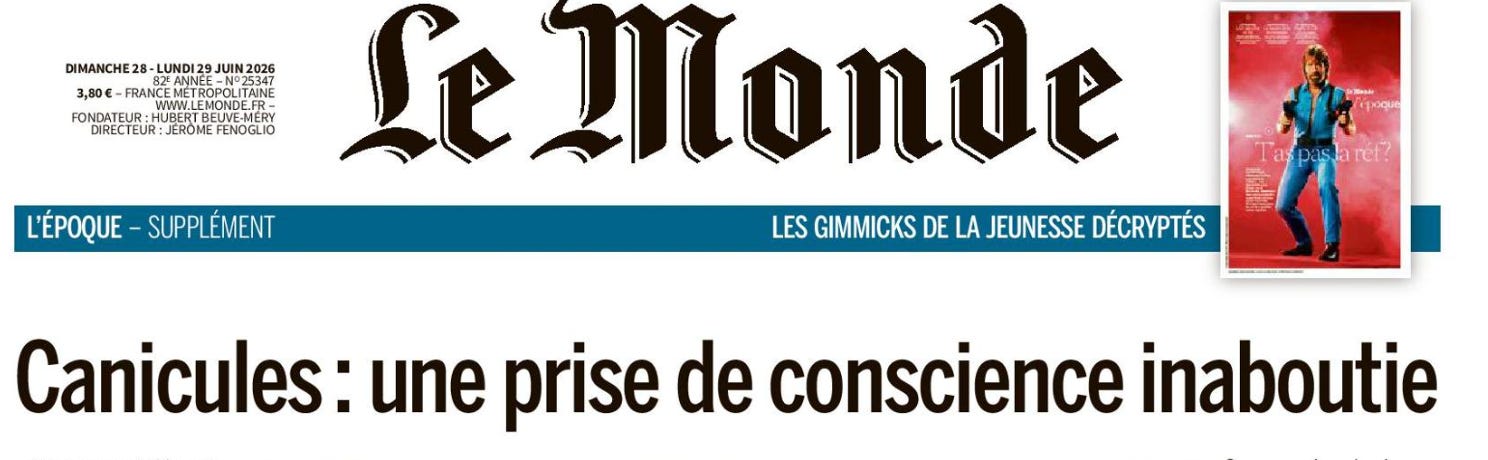
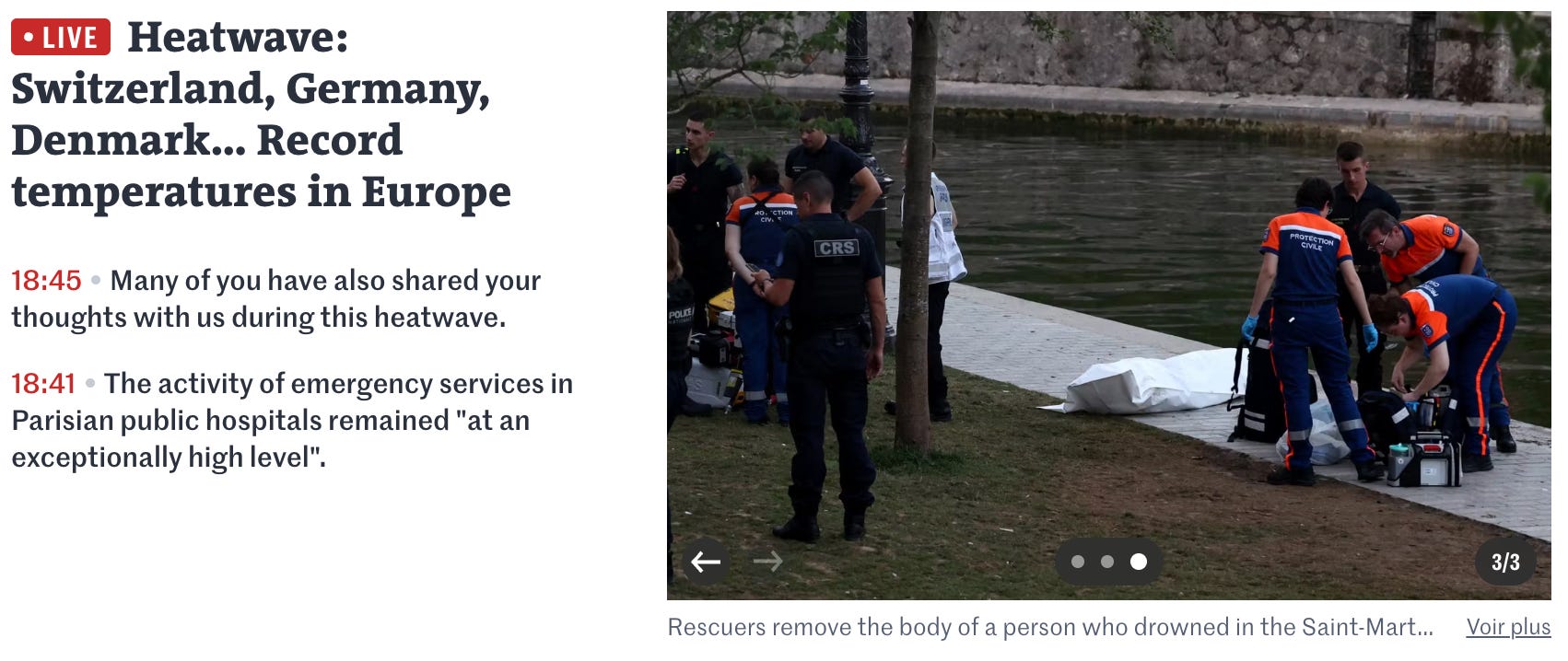
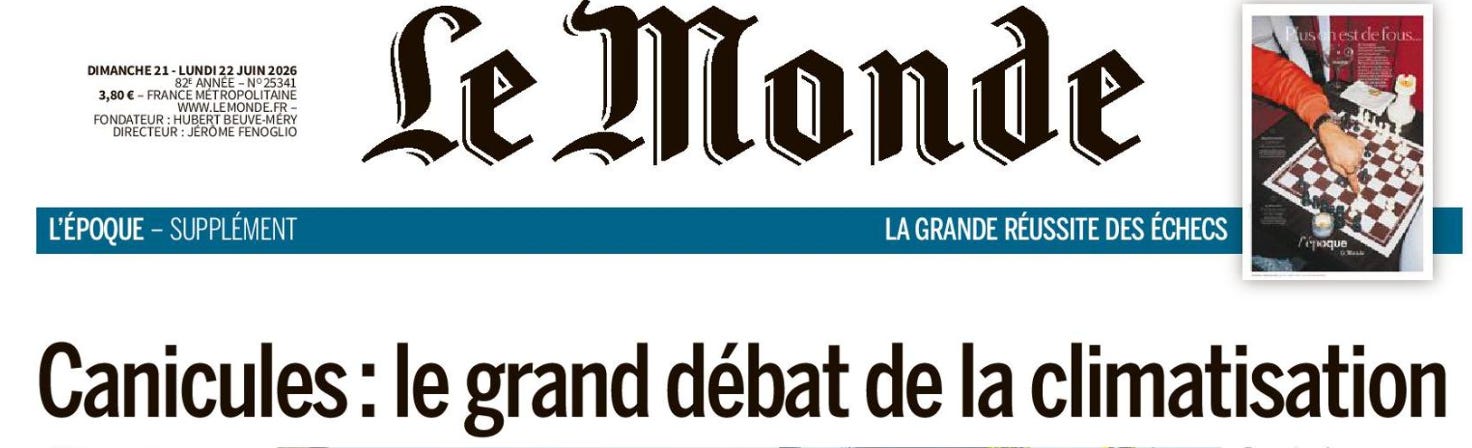
In France, for Le Monde the Canicule (heatwave) and the 100+ degree heat across France and much of Europe commands the front page with a warning….
Heatwaves: an incomplete awakening
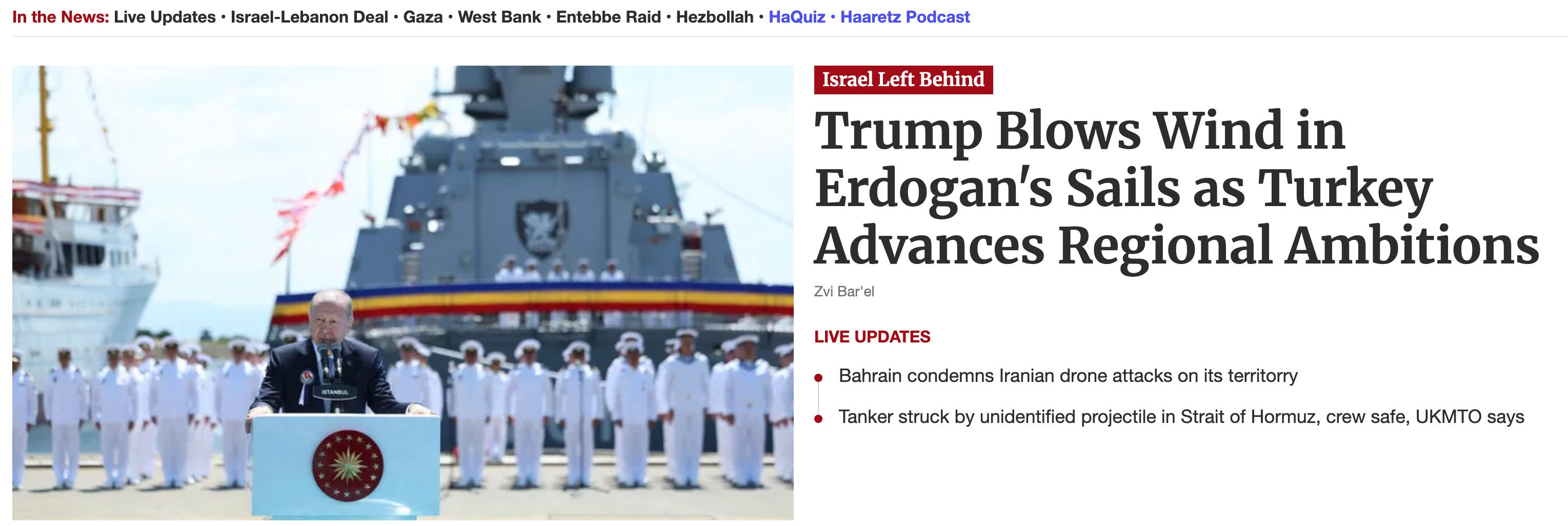
In Israel, Haaretz laments Trump’s latest actions giving a boost to Turkey’s autocratic leader—hardly a friend of Israel— Recep Erdogan, with Israel being left in the lurch….
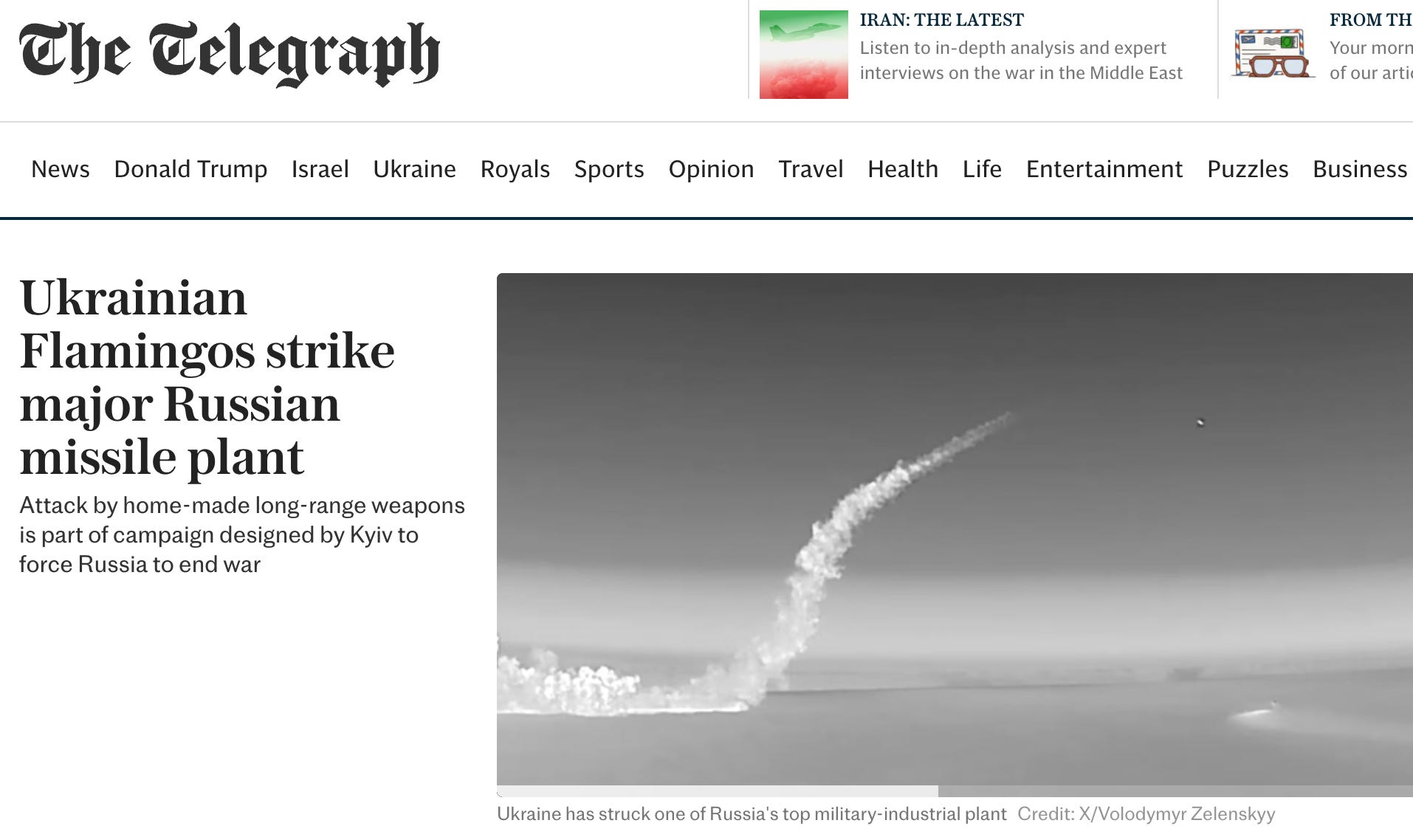
In London, The Telegraph turns its attention to Ukraine’s offensive deep into Russia….
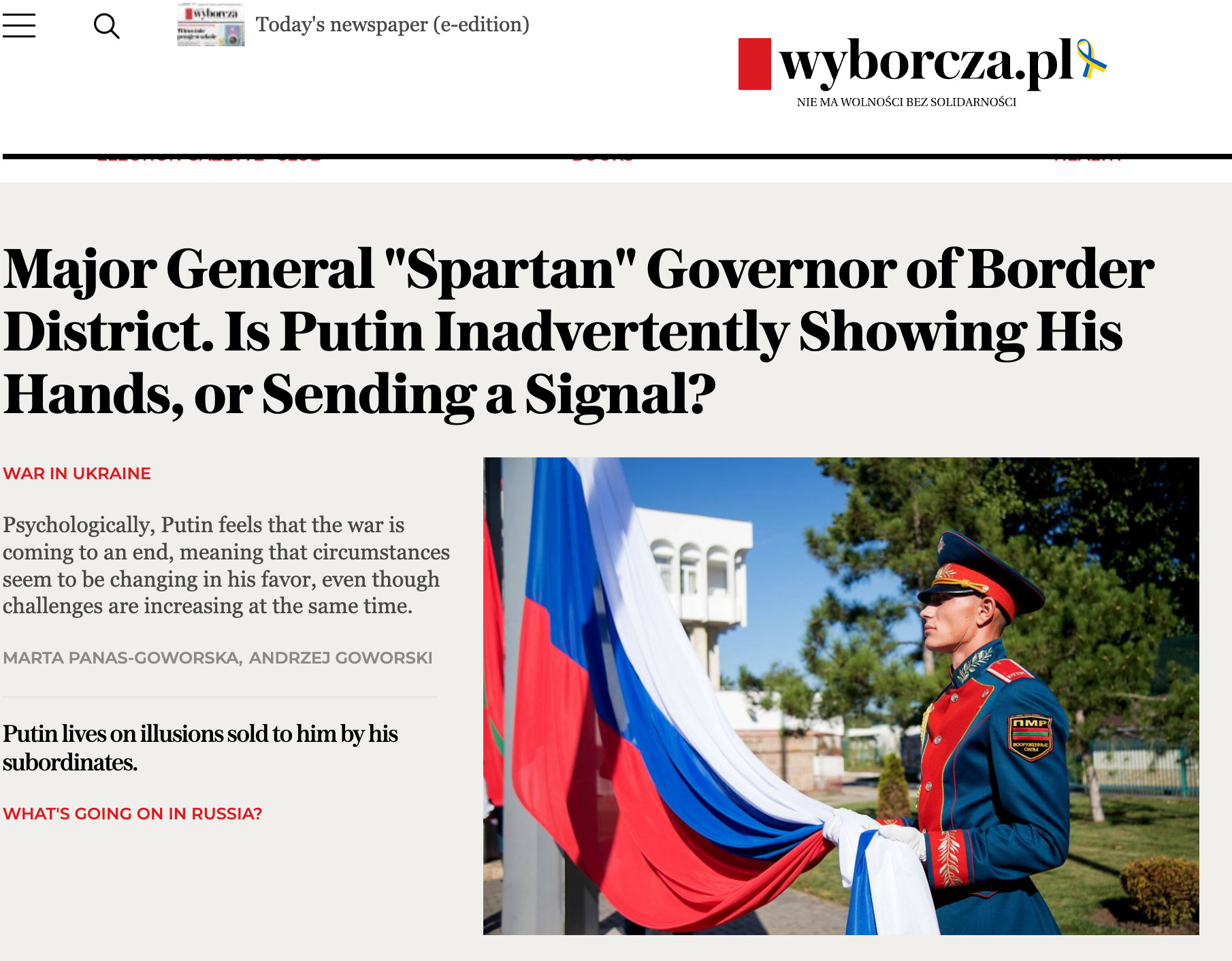
Equally, in Warsaw Wyborcza is preoccupied with Putin’s dilemmas….
The Institute for the Study of War [ISW] tried gamely to sort this all out:
Iran is attempting to prevent vessels from using non-Iranian shipping channels with force in the immediate term as it continues negotiations with the Gulf Arab states to secure long-term recognition of its control. Oman and the International Maritime Organization announced on June 23 that they have established a joint mechanism to help hundreds of vessels move through a designated safe route along the Omani coast. US Central Command said it is providing “safe passage coordination” in the strait as well, though it did not specify whether “safe passage coordination” by CENTCOM is related to the IMO-Omani scheme. Iran responded with attacks and claimed the safe route was “completely dangerous.”
The reality, however, is much starker—basic misunderstanding and mistrust between Trump and the ayatollahs—as explained for paid subscribers by our Celebrity Guest in Friday’s Unleashed Conversation….Christopher Smart, a member of the National Economic Council and National Security Council during the Obama presidency….and creator of Substack’s Leading Thoughts ….
New threats, new challenges, their antecedents…Plus, an inscribed copy of my book, A Red Line in the Sand. Founding members get my last three books! Along with a weekly portfolio of cartoons…and Friday our weekly live conversation.…with a new Celebrity Guest to decode the universe, or America’s next challenge:
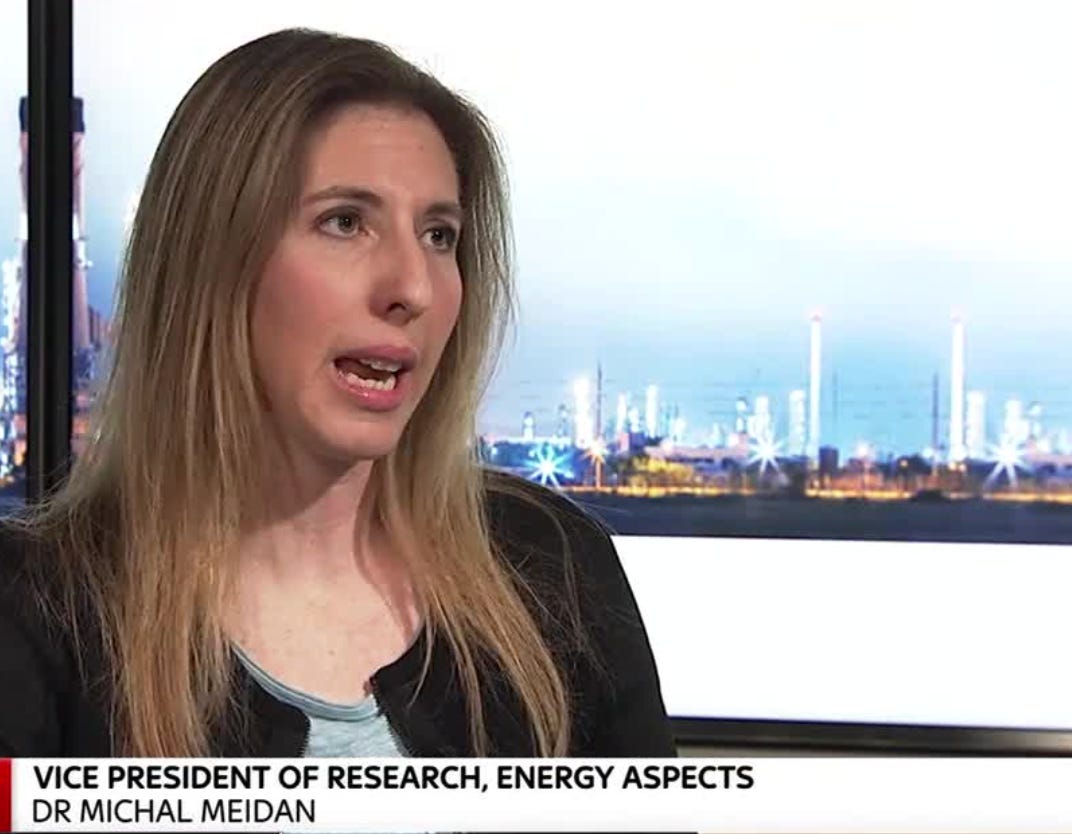
Dr Michal Meidan is Head of China Energy Research at the Oxford Institute for Energy Studies. Before joining OIES in July 2019, she headed cross-commodity China research at Energy Aspects. Prior to that, she headed China Matters, an independent research consultancy providing analysis on the politics of energy in China. Michal also held senior analytical roles at Eurasia Group in New York and London, and at Asia Centre-Sciences Po, Paris. She taught undergraduate courses on China’s political economy at the Hebrew University in Jerusalem and has authored numerous academic articles. Michal also regularly provides comments for a wide variety of media outlets and is featured as a speaker at industry conferences. Michal holds a PhD in Political Science and East Asian studies from Sciences Po, Paris. She is fluent in Mandarin and French.
In the end, though, Trump’s still seeing it all through his own special lens, greeting reporters waiting for him on his arrival for lunch with the Republican Senate majority:
“The war is going really well, we’re winning by a lot.”
The political editor of Frankfurter Allgemeine Zeitung has a different take ….
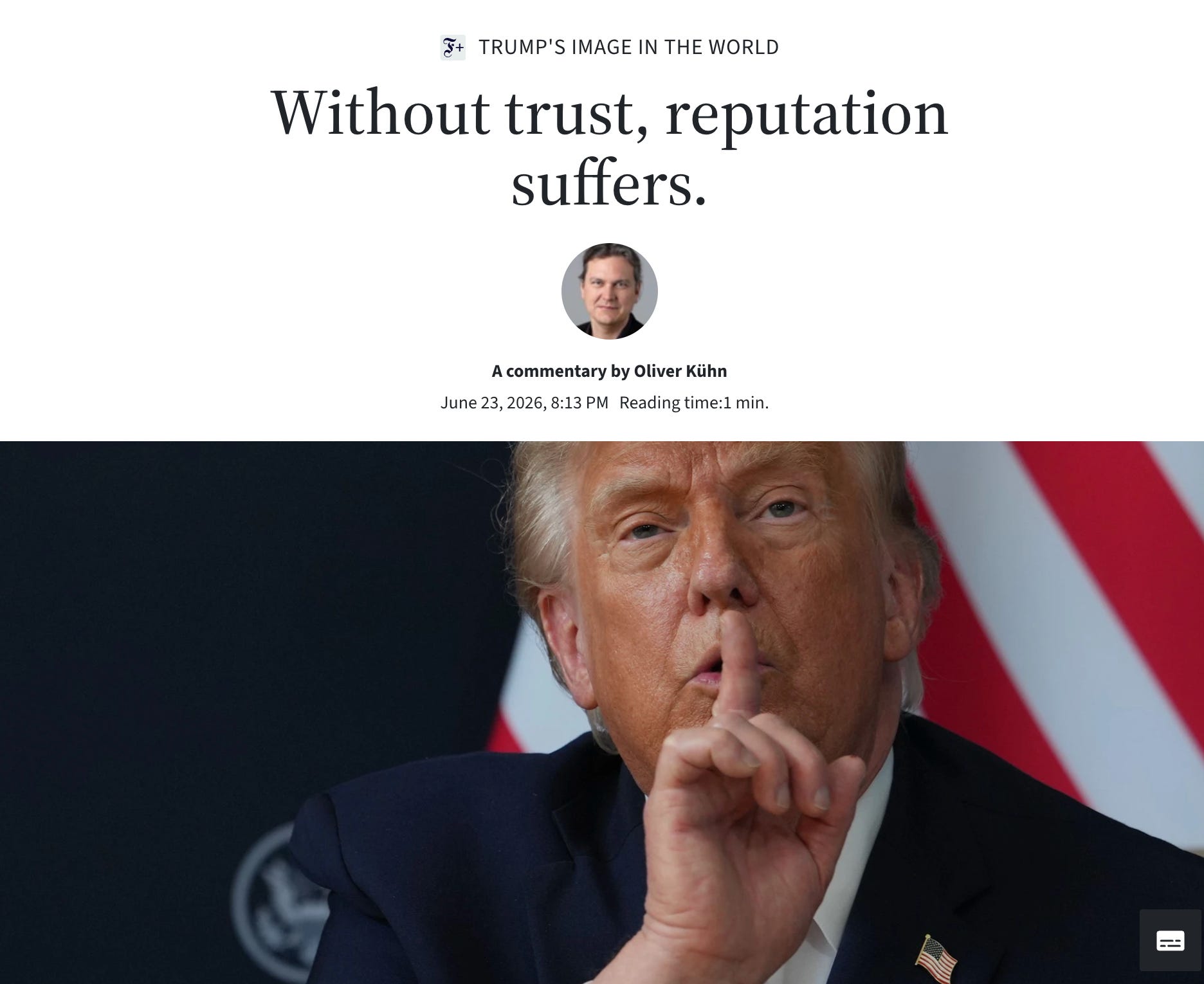
Donald Trump’s global standing continues to decline. A new study reveals that people in Europe, in particular, have little trust in the American president. Given his actions over the past year and a half, the number of people he has offended and insulted, this is hardly surprising. Anyone who treats even his allies the way Trump does shouldn’t be surprised that he isn’t loved.
A revealing assessment comes from Germany: In our country, almost as few people trust Trump as Russian President Vladimir Putin. What people in “shithole countries” (as Trump likes to say) think of him will hardly bother the “America First” president. He acts more like the Roman emperor Caligula, according to the motto: “Let them hate me, as long as they fear me.”
Americans largely hold the key to how their country’s image develops in the world. Currently, it is suffering from Trump’s massive unpopularity. However, Germans in particular have shown they can change their relationship with America, influenced in part by who occupies the Oval Office. For the sake of a thriving transatlantic partnership, it is hoped Trump has not caused too much damage and the current trend is reversible.
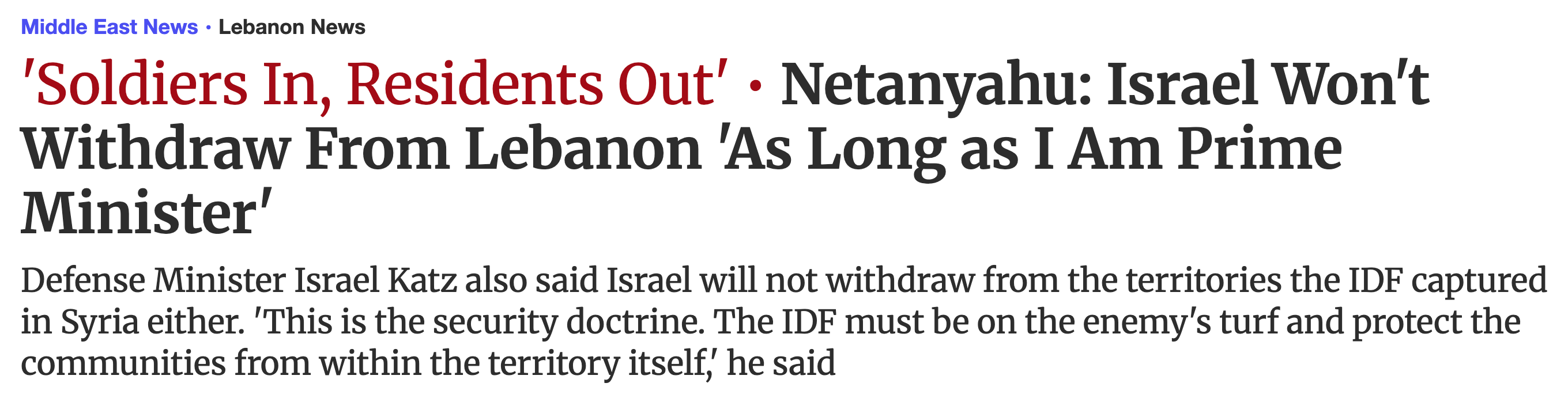
Meanwhile, that’s precisely what Prime Minister Netanyahu and his cabinet seemed to be doing, as Haaretz headlined:
So forget what they’re saying at those Israeli-Lebanese ‘negotiations’ in Washington…
"As long as I am prime minister, we will maintain the security zone in southern Lebanon," Netanyahu said. "We will be the first in the world to solve the explosive drones problem," referring to Hezbollah's primary weapon against Israeli soldiers since fighting in Lebanon began in March.
Meanwhile, Iran could wind up paying quite dearly as the world begins to explore ever-widening alternatives to the Strait of Hormuz and Iranian oil production, as The Saratoga Foundation reported:
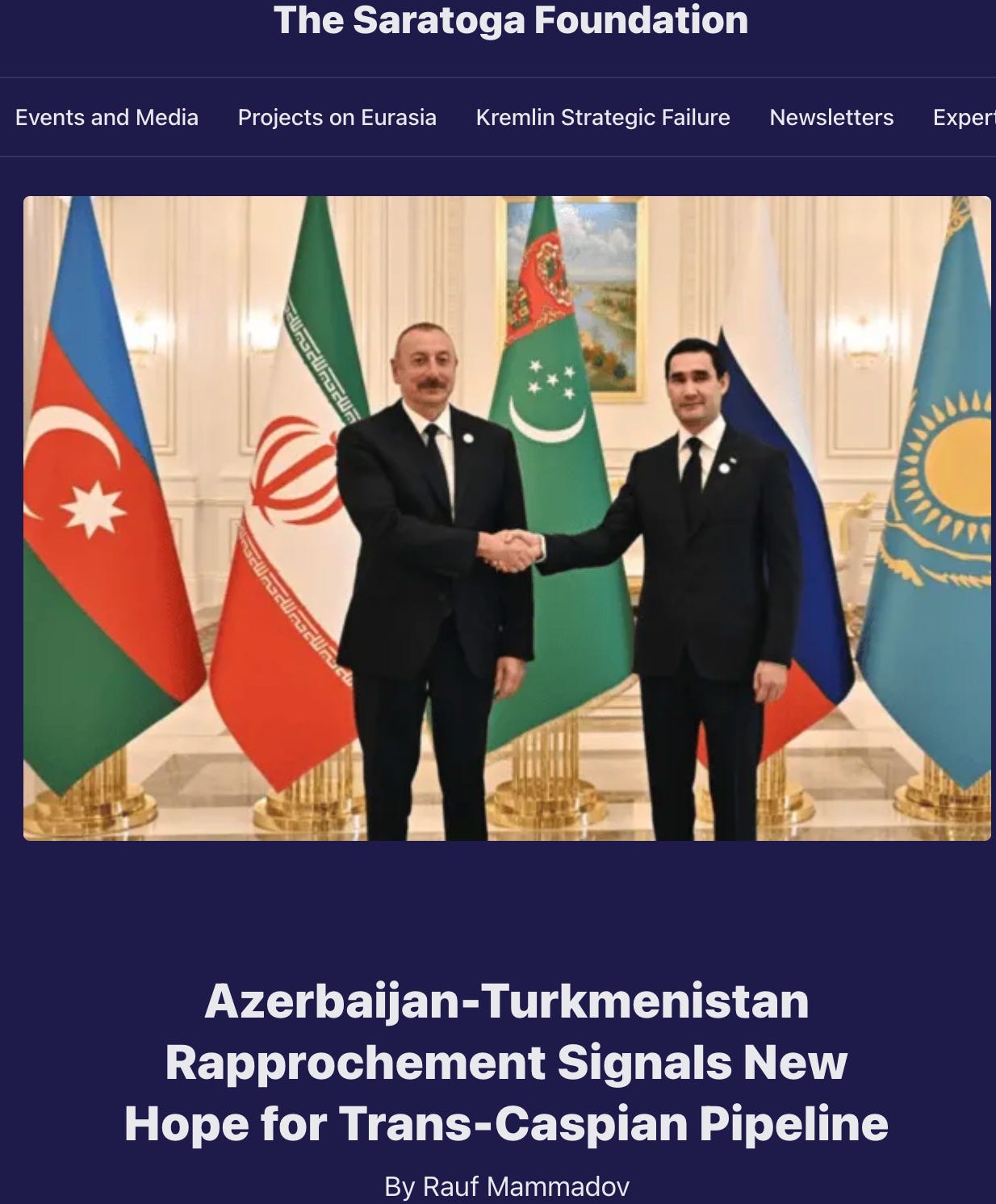
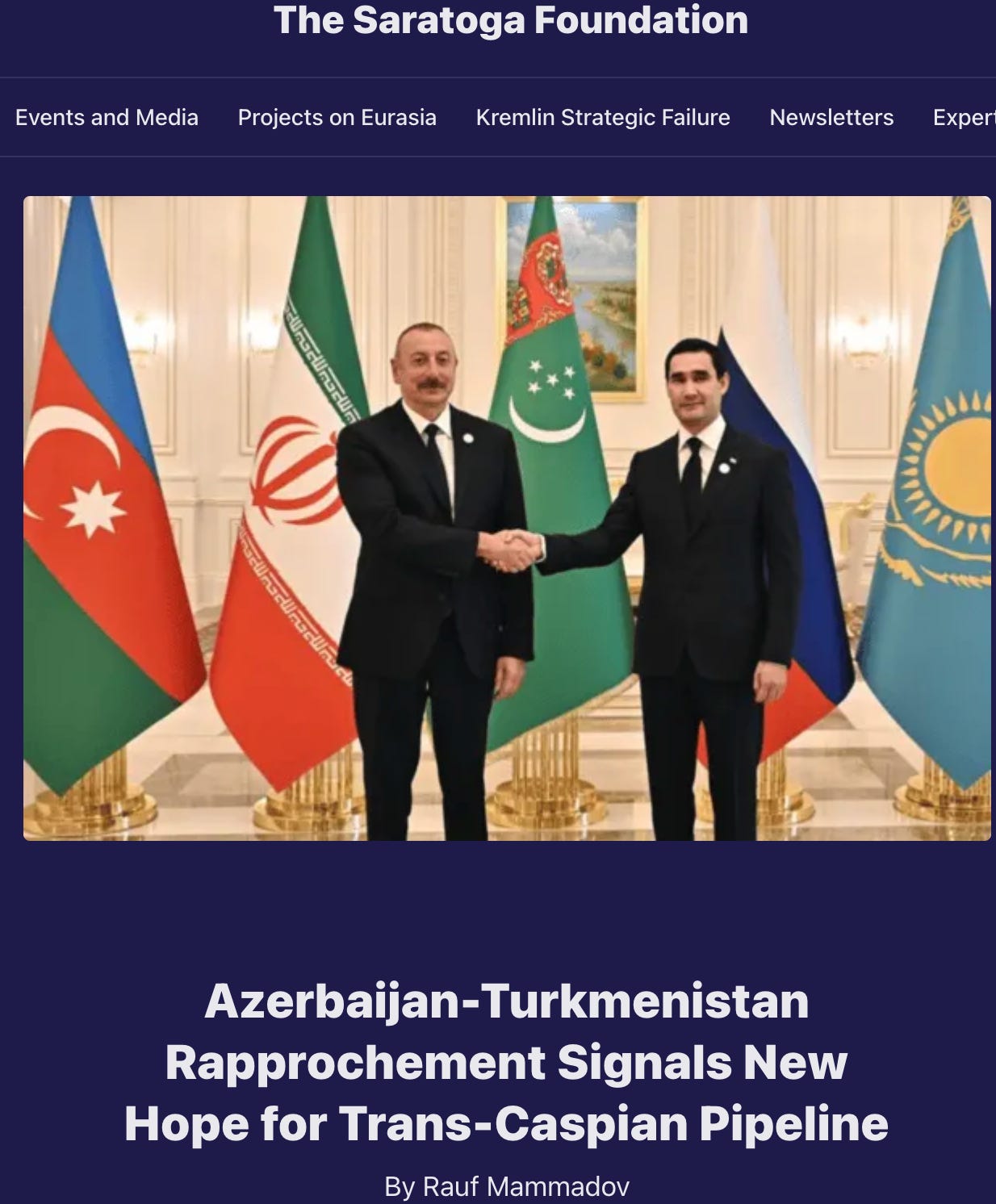
The recent two-day visit to Azerbaijan by Turkmenistan President Serdar Berdimuhamedov has been hailed as a major milestone in bilateral relations. Indeed, ten years ago, not only such a warm welcome, but even a visit by Turkmenistan’s head of state would have seemed highly unlikely. The two countries have come a long way from disputing ownership of a Caspian oil field to agreeing on its joint development and symbolically naming it Dostluk (“Friendship”)—a word that carries a similar meaning in both Azerbaijani and Turkmen.
The Turkmen president’s visit to Azerbaijan has again raised hopes that the long-discussed Trans-Caspian Gas Pipeline project might finally gain new momentum. The recent endorsement of the Trans-Caspian corridor by U.S. Secretary of State Marco Rubio during a meeting with Turkmen Foreign Minister Rashid Meredov once again renewed interest in the geopolitical significance of the Trans-Caspian undersea gas pipeline.
It would appear, with the uneasy truce across the Strait of Hormuz holding for the moment and oil beginning to trickle through, the focus is shifting back to Ukraine, which somehow seems to be gaining the upper hand over Russia….
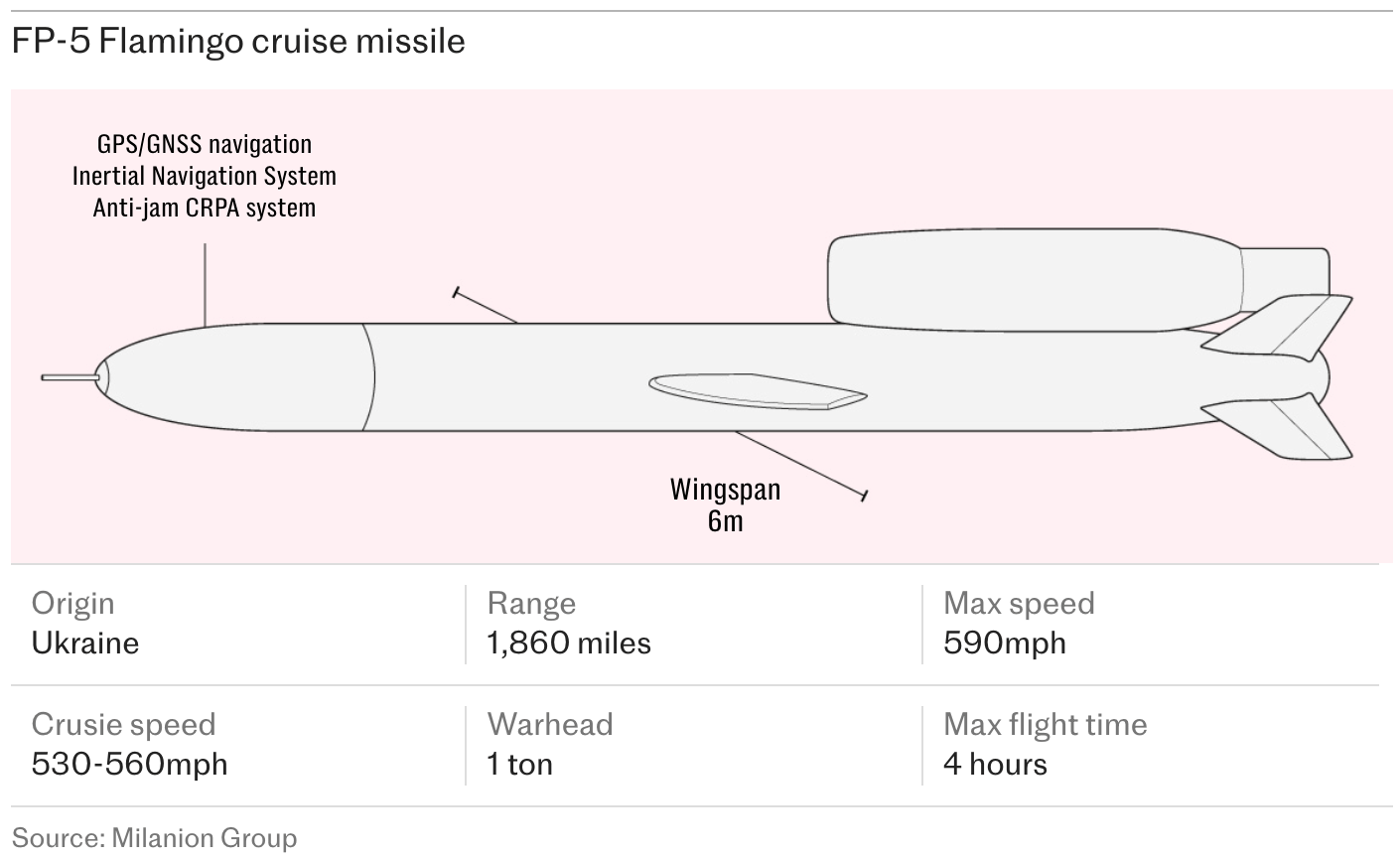
A new ‘Flamingo’ missile has captured widespread attention, as Memphis Barker, senior foreign correspondent for The Telegraph elaborates:
Ukraine’s home-made Flamingo missiles have struck a key Russian military facility more than 300 miles behind the war’s front lines. The long-range missiles, which only entered service last autumn, targeted the Titan-Barrikady research and production centre in the city of Volgograd, overnight on Friday. Confirming the strike, which caused a fire at the plant, Volodymyr Zelensky said the facility was a “just target for our long-range sanctions”.
Target produces launchers for Moscow
“It is a major industrial complex where the enemy produces artillery systems and specialised military equipment,” the Ukrainian president wrote on X. Launchers for Russia’s Yars nuclear missile system are manufactured at the facility, as well as those for the Iskander ballistic missile. Titan-Barrikady is considered one of the leading centres of Russia’s military development. Besides the launchers, it produces an array of weaponry, including artillery systems and anti-ship missile systems.
The Flamingo missile’s development allows Ukraine to carry out heavy strikes deep inside Russia without support from Western partners, a potentially critical development in the war.
Further Ukrainian strikes struck a Pantsir-S1 air defence system and a car ferry in occupied Crimea, where residents have been increasingly cut off from supplies of fuel and other goods by a punishing series of drone attacks along the land-bridge back to Russia.
Which is what the Kyiv Independent headlined:
Crimea under attack
We spent the whole night in a shelter.”
“The cafes are all open… but they ask for cash or a bank transfer; many cafes don’t have electricity.”
“As for fuel, I still recommend bringing some with you whenever possible.”
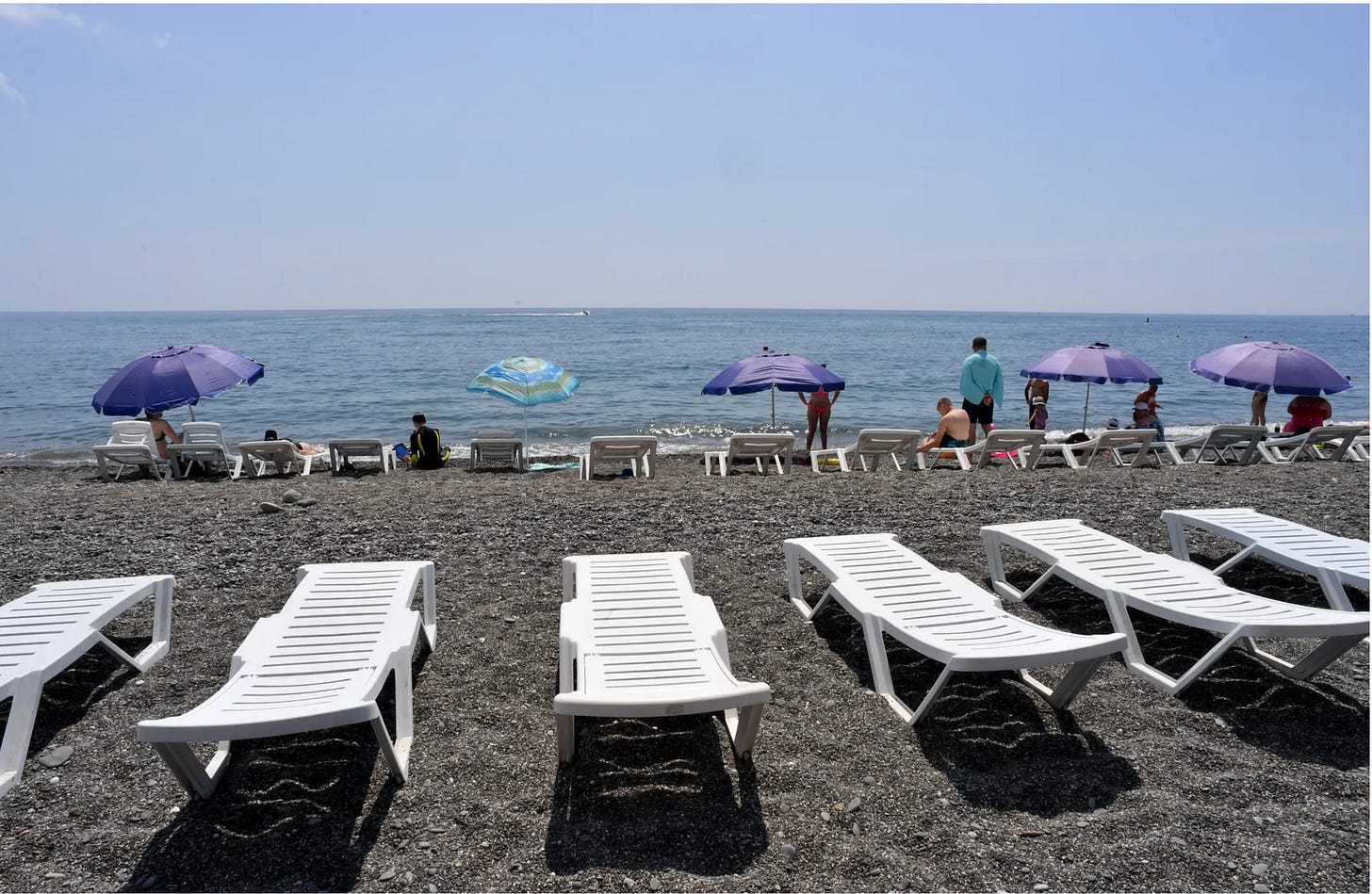
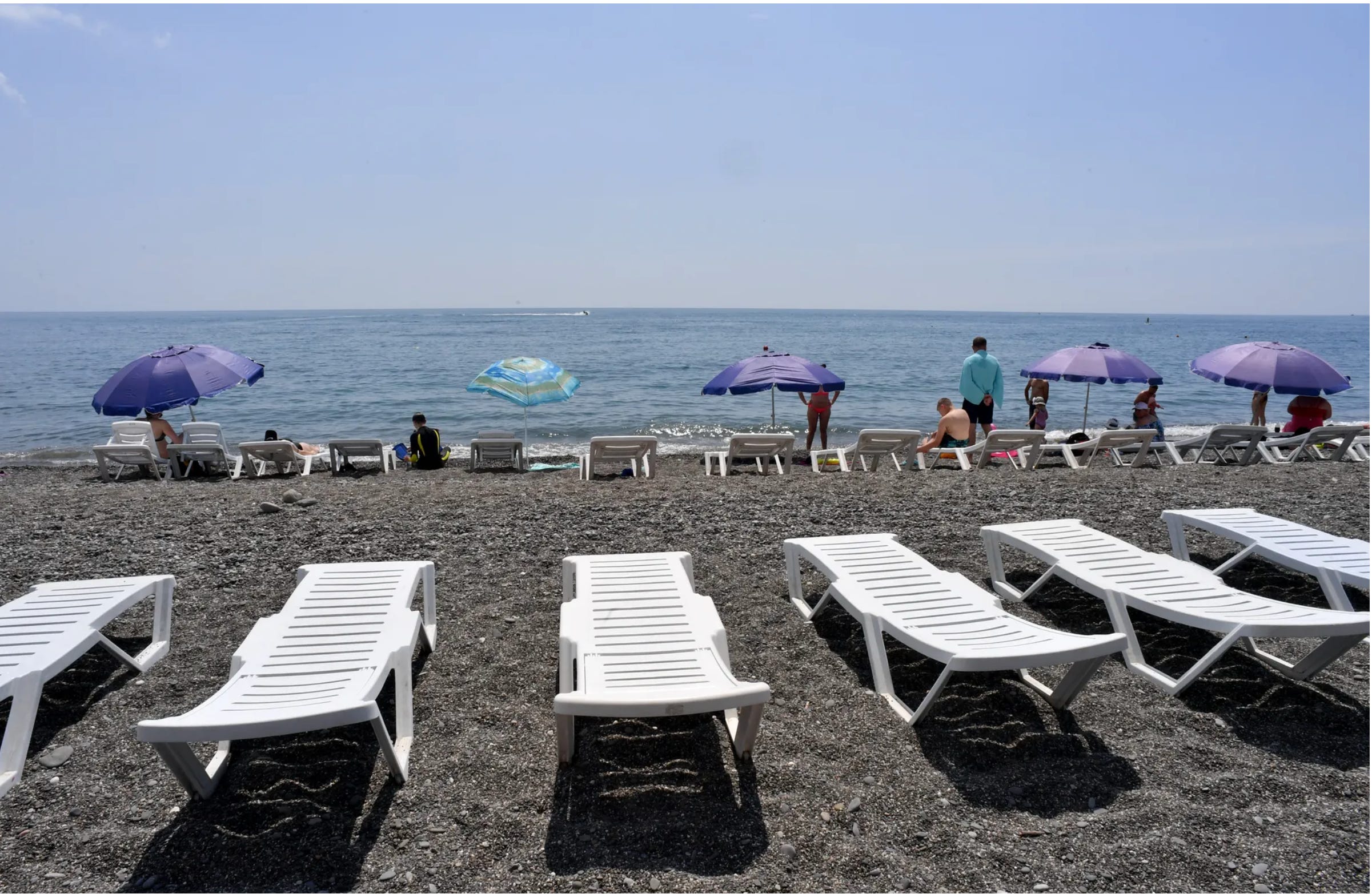
These are just a few messages from a Telegram group where tourists in occupied Crimea discuss conditions on the peninsula. Nighttime explosions, long queues at gas stations, and oil slicks along the coast have become part of the new reality for Russian vacationers. The disruption comes as Ukrainian forces strike Crimea’s logistical and military targets with drones on a daily basis. A wave of Ukrainian medium-range strikes has hit Crimea as Kyiv seeks to sever Russian supply lines and effectively turn the peninsula “into an island” by isolating it from mainland Russia, Ukraine Defense Minister Mykhailo Fedorov said.
There are people in the tourist town of Alupka, but not many. Cafes and souvenir shops in town are open, but there are no customers.
Crimea, occupied by Russia in 2014, is renowned for its stunning landscapes, the Azov and Black Seas, and rich cultural and geographical heritage. Some beaches have been contaminated by fuel oil after Ukraine’s continued attacks on the oil depot in Tuapse, a Russian port city on the Black Sea coast, adding yet another obstacle for Russians willing to spend their holidays in Crimea.
And it was Russian-occupied Crimea that Christopher Smart, with his inside track on the Obama-era JCPOA agreement, focused on…..
More broadly, ISW suggested Ukraine’s activities are beginning to bear fruit….
The Russian cognitive warfare narrative aimed at painting the Ukrainian frontlines as collapsing appears to have so far failed to persuade Ukraine’s partners to capitulate to Russia’s demands. US President Donald Trump and US Deputy Secretary of State Jeremy Levin stated Ukraine currently has the battlefield advantage, demonstrating Russia failed to convince the United States that the Ukrainian frontlines are collapsing.
TheISWcontinues its warnings that appear little appreciated abroad:
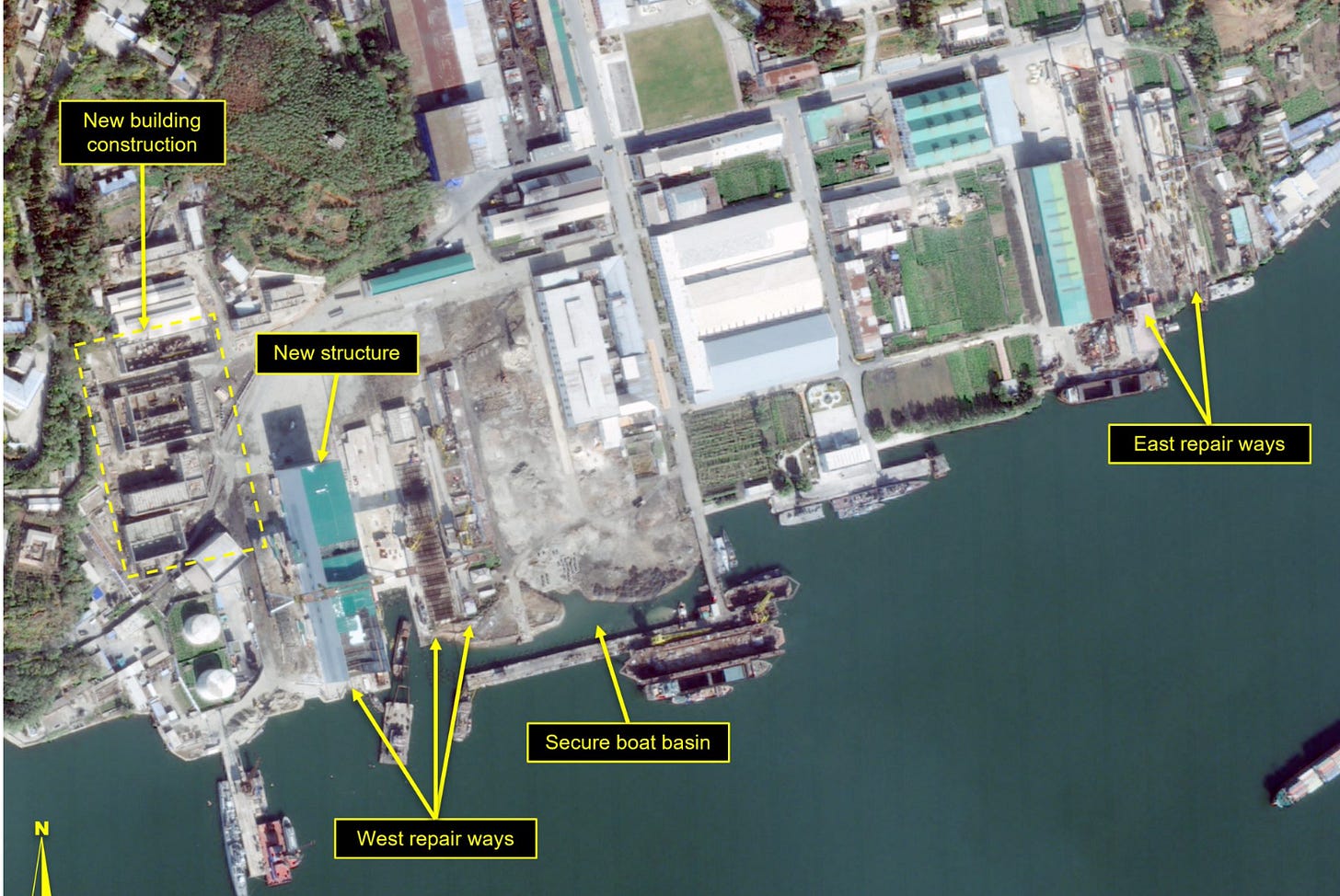
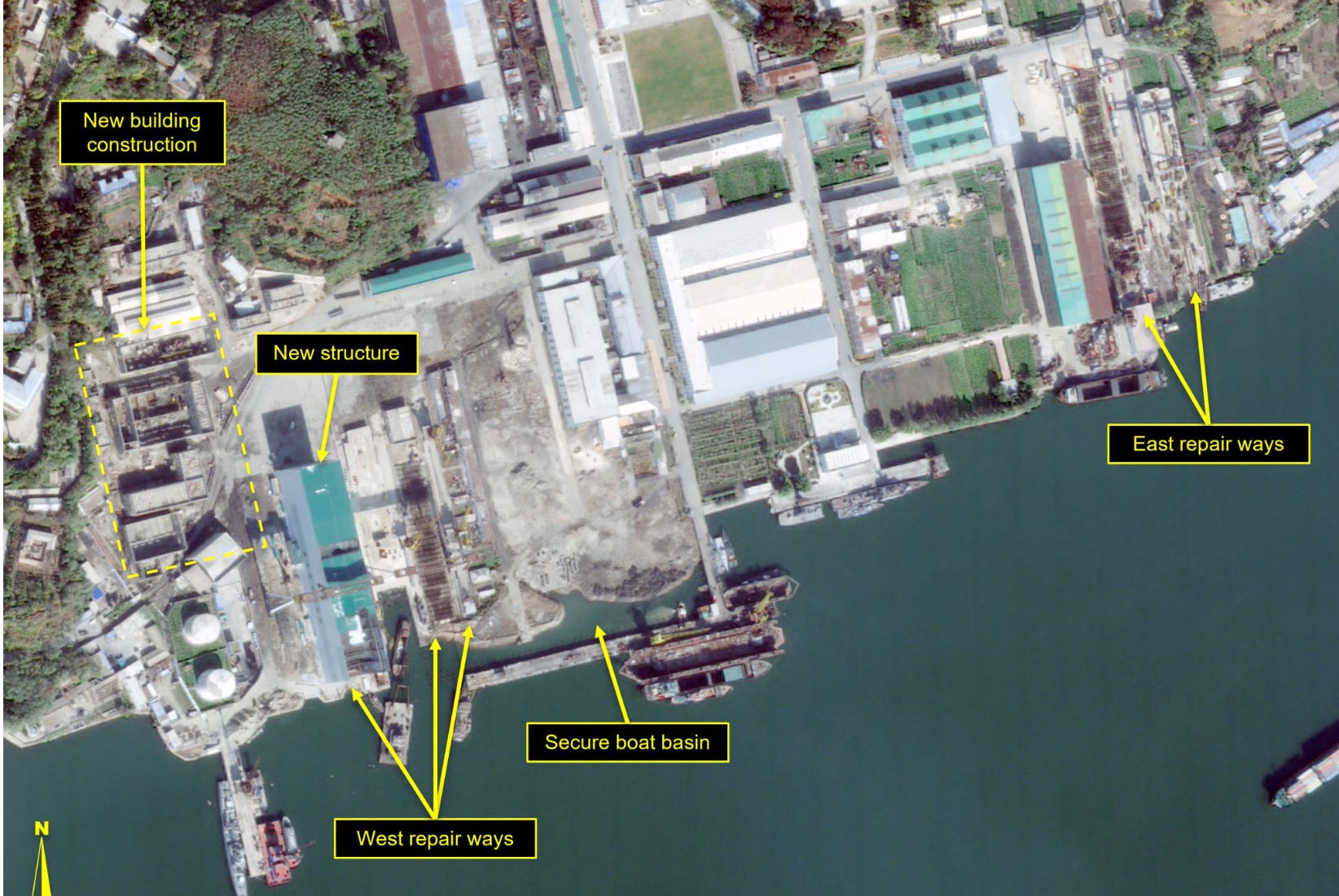
North Korea is likely expanding its port facilities to accelerate the construction of a green-water navy. Expanded shipbuilding capacity could also support Kim Jong Un’s ambitions to develop larger surface fleet combatants. Radio Free Asia reported satellite imagery that showed North Korea expanded shipbuilding infrastructure at the port cities of Nampo and Chongjin [with] expanded workers’ barracks, rail tracks, and new construction halls at the shipbuilding sites. Kim directed North Korean shipbuilding to deliver two Choe Hyon-class guided missile destroyers per year over the course of five years, giving North Korea a total of 12 destroyers. Expanded port infrastructure at two shipbuilding sites could indicate North Korea is aiming to accelerate the timeline for delivery of the two new destroyers.
North Korea may also be aiming to expand its shipbuilding infrastructure to support Kim’s ambition for a larger surface combatant. North Korean media claimed the state intended to construct a 10,000-ton warship, which would provide a surface combatant approximately twice the displacement of the Choe Hyon-class. North Korea may have to rely on its ties with Russia or China to support the accelerated design and construction of a larger class of warship due to North Korea’s lack of experience in developing a warship of this size. Such a surface combatant could significantly increase the firepower of the KPAN but could also burden the service with a high-value asset that it must allocate significant resources to defend.
Kim aims to develop a green-water navy that retains traditional coastal defense responsibility while also having the capacity to deploy beyond North Korea’s immediate waters…..North Korea has also stated its intention to field nuclear missiles on its surface fleet, which will likely enhance the survivability of its nuclear deterrent by spreading it across multiple domains and platforms.
It was a balmy 85 degrees in Paris Sunday afternoon—nearly 20 degrees cooler than a week or even 3 days ago. Still, the canucule as it is known has left behind an acrid reside of potentially dramatic changes in a French and indeed European way of life.
Suddenly, for instance, air conditioning may no longer be an affectation but an existential necessity, as Le Monde headlined during the peak of last week’s horror
Political parties and experts are divided on these cooling tools, which are little used in France
“We absolutely must not air condition everywhere; that would only increase damage.” The remarks of of the leader of La France Insoumise [the France Unbowed, far-left party] Jean-Luc Melenchon, in response to the massive air conditioning plan proposed by the National Rally [RN, far-right party] reflect a sentiment shared in France. While more and more households are equipping themselves as temperatures rise, air conditioning retains a bad image, considered a typical example of 'maladaptation’ to global warming—s solution that would worsen the problem instead of solving it.
According to an IPSOS poll published in early June, 78% of French people believe that air conditioning is not environmentally friendly. In 2021, nearly six of ten French people said they would rather “suffer from heat than install an air conditioner to protect the environment,” according to an OpinionWay study. “I don’t put my child, my granddaughter, or my great-granddaughter where there is air conditioning from morning to night,” the leader of La France Insoumise declared. “We know how to build buildings that withstand the heat.”
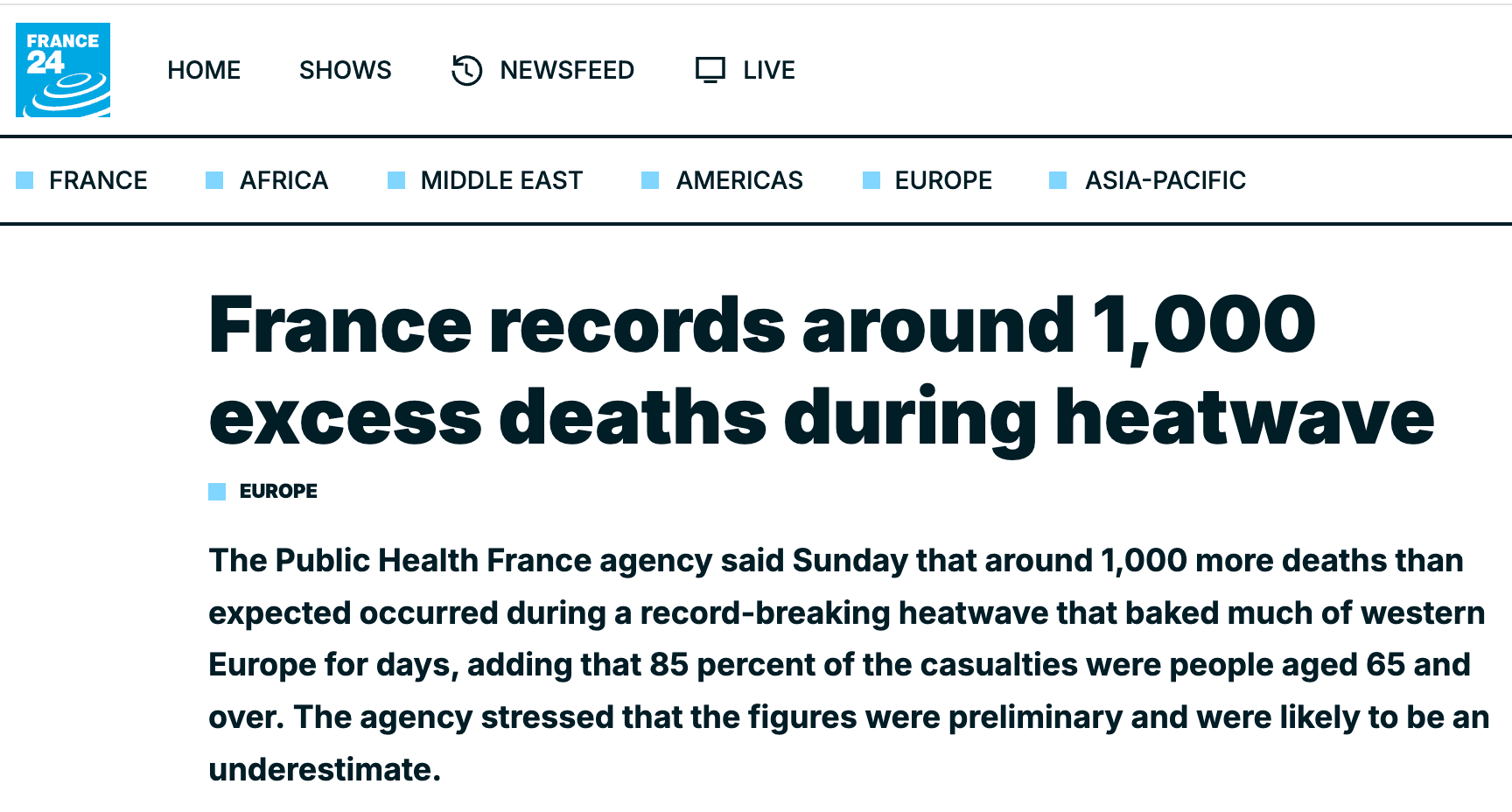
Meanwhile, the toll kept rising….
And Sunday afternoon, from Le Monde:
The summer has barely begun, birds fall from the skies, the (waters of the) Loire register nearly 90o (32o celsius).
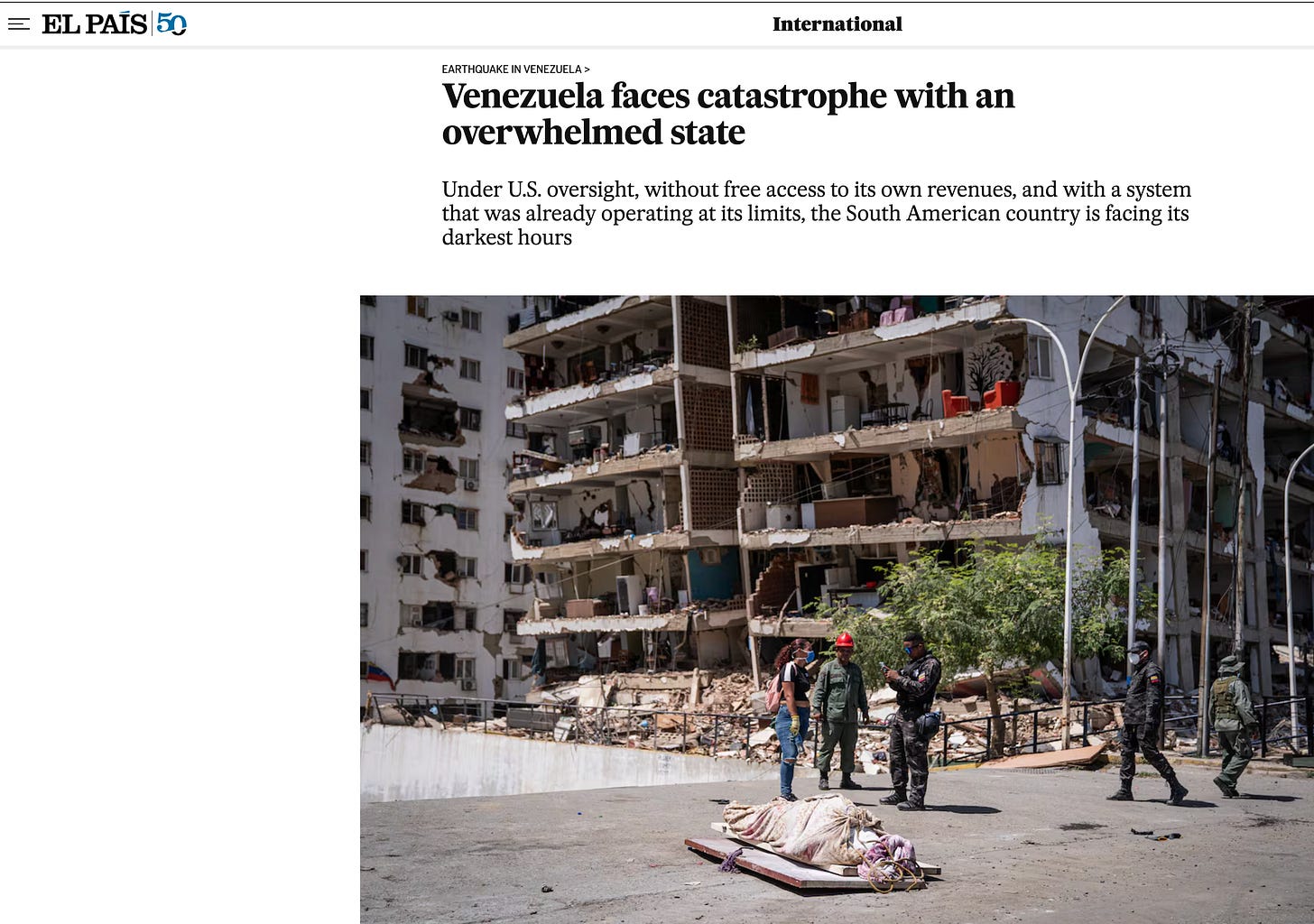
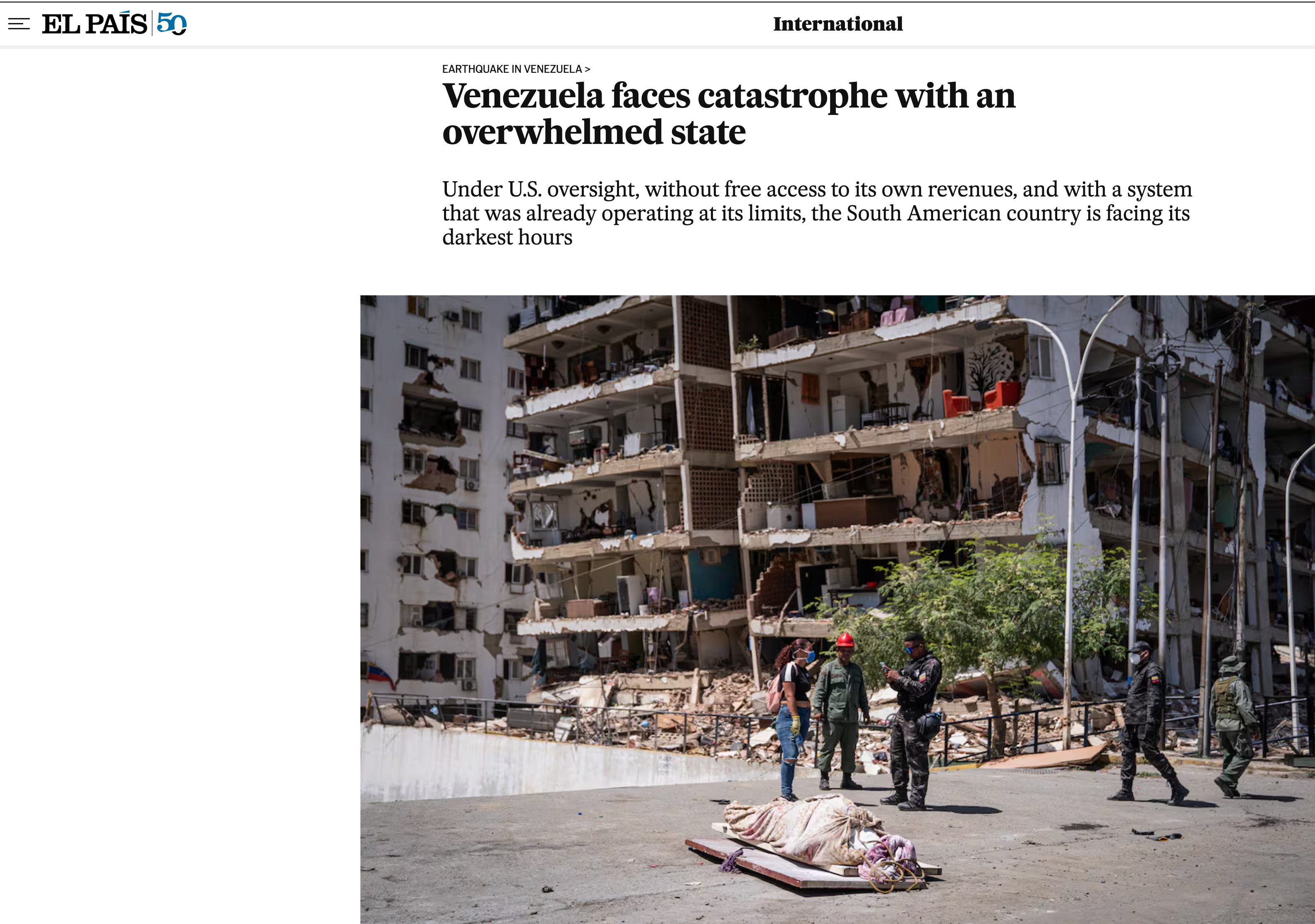
In Venezuela, the death toll has already surged past 1,400, with at least 50,000 missing and the window of opportunity to find more living beneath the rubble is closing fast, with a government that El Pais suggests is ill-equipped for the challenge:
La Guaira State—formerly Vargas—was the hardest hit, with more than 100 buildings reduced to rubble and an as-yet undetermined number of casualties. Maiquetía International Airport, the country’s main international gateway, was forced to close because of severe structural damage. The runways, the roof, the terminal building—almost everything collapsed.
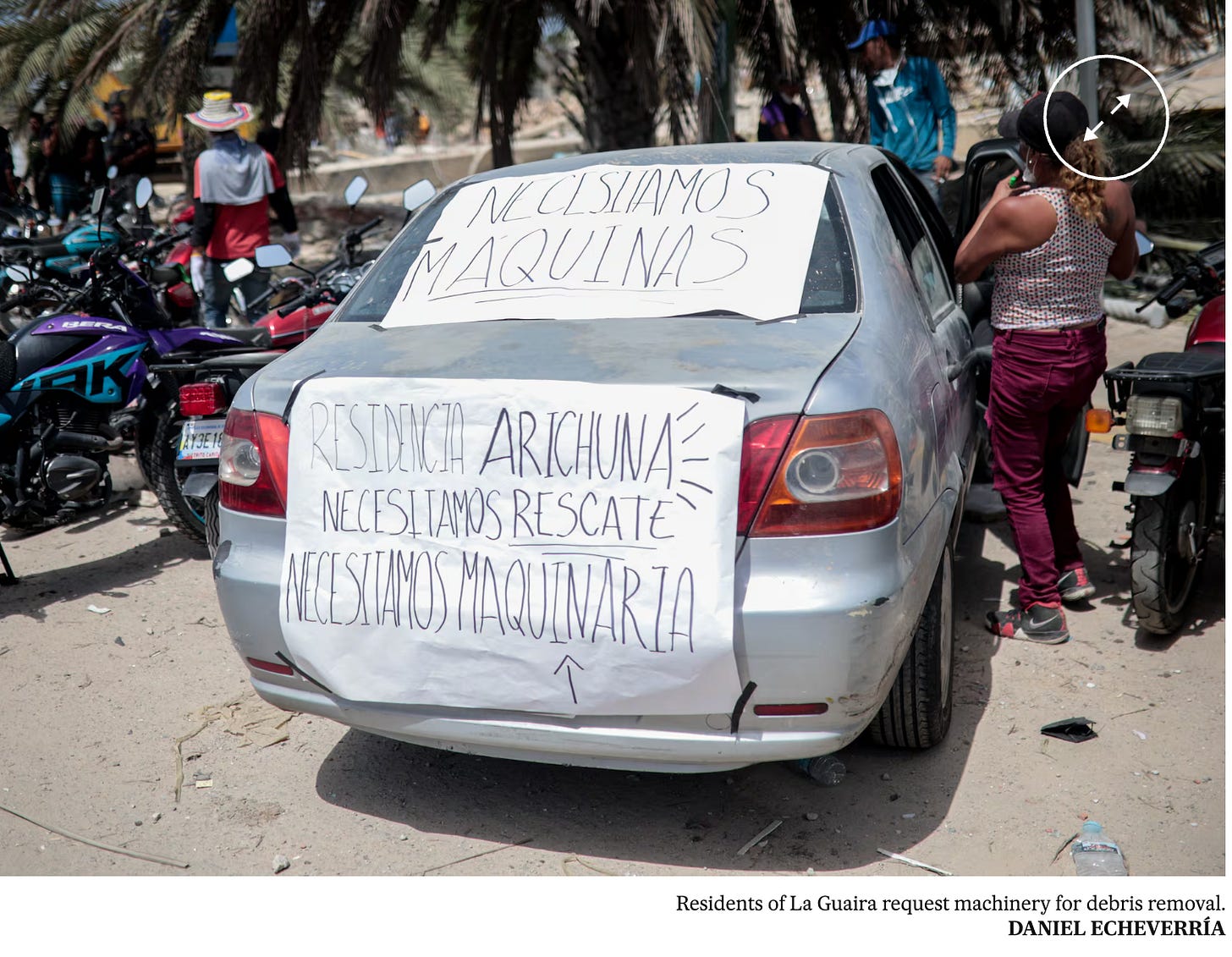
The official death toll began Wednesday night at 32 and has climbed relentlessly: 164, 235, 589, 920. By Saturday it had reached 1,430. Authorities expect those figures to continue rising in the coming days because large-scale debris removal has not yet begun. Beneath the ruins may lie hundreds more victims. Some may still be alive. On Friday night, more than 48 hours after the collapse, rescuers pulled a man and his dog alive from the wreckage of a building in Caracas.
The coastal highway through La Guaira had become a continuous scene of devastation. Nowhere more so than in Caraballeda, ground zero, where the military and international rescue teams had cordoned off the area and where the majority of buildings had been ripped open. Towers more than ten stories high lay crushed like mille-feuille pastries made of steel and concrete. Beachfront residential complexes were reduced to nothing more than their entrance gates. Beyond them, there was only ruin. The smell of death hung in the air.
And Al Jazeera added:
More than 51,000 people remain missing, with officials warning the death toll will continue to climb as hopes of finding survivors fade.
Then there’s the baked-in reality, as El Pais elaborated:
Venezuela confronts this catastrophe in the midst of a humanitarian, political, and social crisis that has dragged on for years. More than a quarter-century of Chávez-era rule has hollowed out state institutions. The country ranks as the third most corrupt in the world on the Corruption Perceptions Index, behind only Somalia and South Sudan, while public services have largely collapsed. Even before the earthquake, only four out of every ten operating rooms were functional, and in nine out of ten hospitals patients were expected to provide their own medical supplies before undergoing surgery, according to the National Hospital Survey conducted by Médicos por la Salud.
We need machines / Arichuna Residence / We need rescue / We need machinery
The country also remains under U.S. oversight following Maduro’s capture in January. Washington not only influences Venezuela’s sovereign decision-making but also controls access to much of its financial resources. Even amid the emergency, Caracas cannot freely access billions of dollars in oil revenues. As more than twenty international rescue teams arrive in Venezuela, “the United States still has its foot on the country’s neck, denying it the resources needed not only for social programs but also to confront a crisis like this,” said one foreign observer who requested anonymity.
For our highly valued, but lightly paid, members…The full hour of Unleashed Conversation withChristopher Smart and his Leading Thoughts… plus a look in Europe at life beyond the CIA … And our weekly portfolio from the world’s Cartoonists.

Comments
Nothing yet. Say the first thing.
Sign in to join the conversation.