
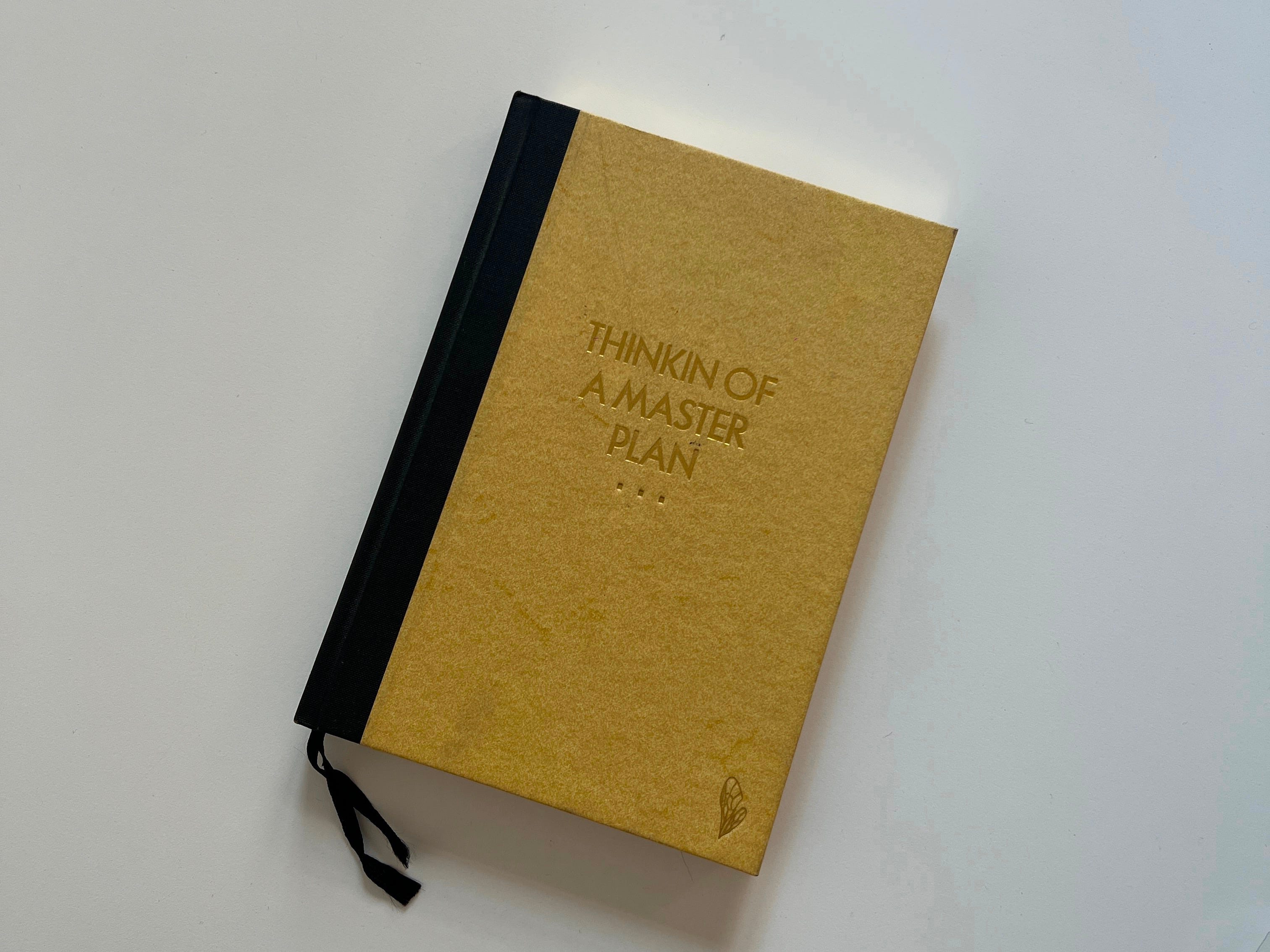
Some weeks ago in Milan, a friend of mine, an Art Director, showed me a project he had just delivered for a fashion brand. A substantial PDF: concept, copy, images, creative direction and so on. The kind of scope that would normally require a small team. But he did it alone, with AI.
I understood the logic. Budgets are tighter, timelines shorter, and the tools have become genuinely capable. Why pay five people when one person and a good model can approximate the output? Financially, the calculation makes sense and the PDF looked great.

But I kept thinking about what wasn’t in it. A colleague who would have questioned the brief. A strategist who might have redirected the concept entirely. A copywriter with a different instinct about tone. Everything that makes a creative output genuinely alive.
A 2025 paper published in the Journal of Organization Design puts it plainly: as an individual production tool, AI risks fragmenting workflows, isolating workers, and undermining the human-centered collaboration that drives creativity and innovation. Tasks that once required brainstorming sessions, collaborative copywriting, and iterative feedback among team members can now be largely automated, with consequences that are only beginning to show.
What a team generates together is not just the sum of individual contributions. Collective intelligence is an emergent capability: it appears in the way a team processes information, contrasts perspectives, makes decisions, and learns from outcomes. You can’t replicate that from a single person working in a closed loop with a system that, by design, tends to move forward rather than push back.
Research on this has been building for years. What makes a group smart has little to do with the average intelligence of its members. It comes from how people interact: whether they listen, whether speaking time is distributed, whether the group can read each other. A 2025 paper in ACM Collective Intelligence, warns that AI can homogenise solutions and reduce intellectual diversity, which is precisely what those group dynamics depend on.
I spoke recently with my friend Amy Daroukakis, a cultural strategist and founder of Culture Connectors, a global network of over 100 researchers and experts embedded across markets worldwide. Her model is a structural bet on collective intelligence. Real cultural understanding, she argues, comes from people who are actually inside a context, not aggregating signals about it from the outside.
“A point of difference is going to be people that are in market or in category thinking about the thing, but then they’re thinking about it for you,” she told me. The distinction matters more than it sounds. A cultural insight from someone based in Ghana or Lima or Warsaw carries friction, lived contradiction, the kind of situational judgment that doesn’t compress into a dataset. It also arrives with an angle you wouldn’t have thought to look for.

Her network is structured as collective intelligence by design. She’s not selling research but the breadth and productive friction of many different points of view landing in the same conversation at the right moment. “I wouldn’t get to hear from somebody that’s based in Ghana,” she said, describing what disappears when you replace a network with a model. The loss is epistemological.
That friction is productive. It’s also what gets cut first when efficiency becomes the primary measure of a project.
The most useful thing Amy said in our conversation was about feedback. One of the things human collaboration does that AI currently doesn’t is push back. You hire someone good partly because they’ll tell you no. A peer challenges your brief, questions your framing, introduces a perspective that reorients the whole thing. A system trained to be helpful will, mostly, keep moving forward.
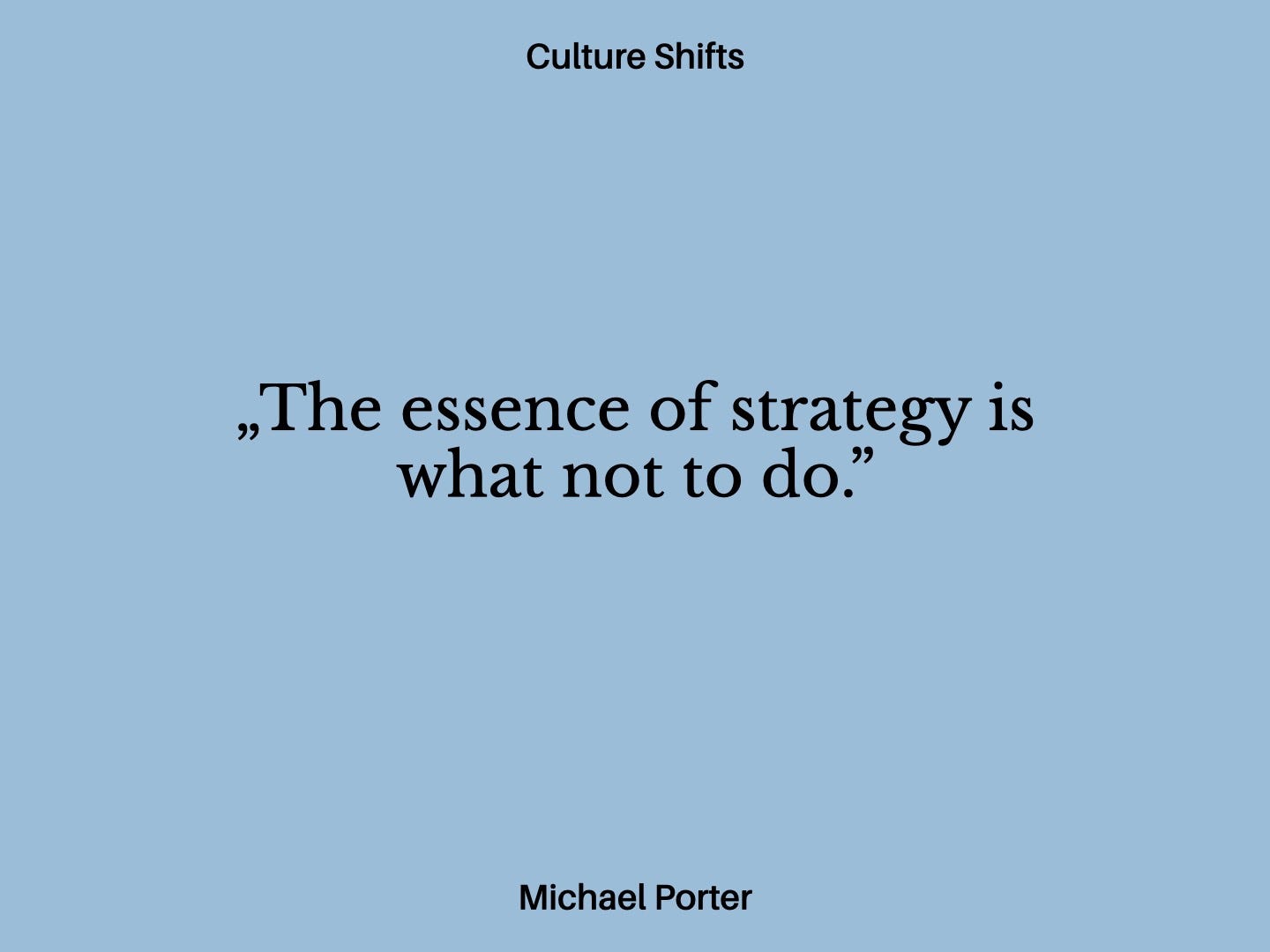
Amy described this as part of her own value proposition: “You also hire me for no.” That single word carries something AI can’t simulate. It implies judgment, professional stake, and a willingness to make things uncomfortable in service of a better outcome. As Harvard professor Michael Porter put it: “The essence of strategy is what not to do.”
The same ACM paper notes that AI can lead to rigid structures, can be inherently deskilling, and can amplify existing biases, in part because it tends to confirm rather than challenge the direction already set. A separate McKinsey study found that organisations are 1.9 times more likely to achieve above-median financial performance when the leadership team shares a meaningful and truly aligned vision, and that alignment comes from people working through disagreement together, not from one person iterating alone.
Amy’s answer to all of this is direct: go more human, not less. “If we have to compete against AI, well then you got to be weird.” She’s describing a market shift that’s already underway. Generalist work is losing ground to deep specialism. People want someone who has seen the specific corner of the world they’re trying to understand, someone whose perspective can’t be replicated by prompt engineering.
“I’m going to be the most human I can ever be,” she said. It sounds almost defiant. I also think it’s accurate. The things that are hardest to automate are the ones that come from having been somewhere, known someone, disagreed with a room, and changed your mind because of it.
That observation matches what I see in my own work today. Clients don’t come looking for more synthesized information. They need judgment, the ability to read a context that doesn’t fit the available categories, and people who can hold uncertainty without defaulting to a template. Those capabilities live in experience, in asking questions and staying curious toward everything: the world, culture, movements, shifts, technology.
There’s a version of creative and strategic work where one person with good tools produces something that looks right. The brief is answered, the deliverable lands on time and the often low budget is intact. And somewhere in that transaction, the process that would have made the work genuinely better never happened.
Collective intelligence is a way of thinking that only exists between people. The questioning, the friction, the unexpected perspective from someone who came at the problem from a completely different direction. A model can mirror your thinking and extend it. Human collaboration arrives with its own point of view and refuses to let yours go unchallenged.
The Art Director’s PDF was impressive. I still wonder what the room would have come up with. AI helped me draft this text, but before sending it out, I let some friends and colleagues read it. They didn’t just say it was great and to go ahead. They challenged the input, the wording, the structure. That’s what makes the difference.
If this resonates with how you're thinking about your own work or team, I'd like to hear from you.
*Moritz
Amy Daroukakis writes about culture, community and the future of work on her Substack Brain Dance by Amy Daroukakis.
No posts
Comments
Nothing yet. Say the first thing.
Sign in to join the conversation.