
Paul Tullis | Bulletin of the Atomic Scientists
Most of us think of fungi as mushrooms growing after the rain or mold on old bread. But beneath our feet lies a vast underground network of fungi that quietly feeds plants, stores carbon, strengthens soils, and helps regulate the Earth’s climate. Scientists are now racing to understand and protect this hidden world before it’s too late.
Known as mycorrhizal fungi, these microscopic organisms form ancient partnerships with plant roots, exchanging nutrients and water for carbon. Around 80% of plant species depend on these underground networks, making them one of the planet’s most important life-support systems. Yet despite underpinning food production, biodiversity, and carbon storage for more than 450 million years, much of this hidden ecosystem remains poorly understood and largely unprotected. New research is revealing why safeguarding these prehistoric networks may be critical to building a more resilient future.
Hidden beneath nearly every forest, grassland, and farm is an underground fungal network that quietly sustains life by moving water, nutrients, and carbon through ecosystems. Scientists now believe these ancient partnerships are far more important to climate resilience than previously understood.
Fungi are emerging as a critical but overlooked climate solution. Beyond supporting plant growth, they store vast amounts of carbon in soils, strengthen ecosystems against drought, and could become an essential tool for restoring degraded landscapes and improving agricultural resilience.
Despite underpinning many of Earth’s natural systems for hundreds of millions of years, fungal biodiversity remains one of the least studied and least protected components of the natural world, leaving major gaps in conservation and climate policy.
Fungi aren’t plants or animals. They belong to an entirely separate kingdom of life, having evolved their own unique biology over more than a billion years. Yet despite their evolutionary success, fungi have long remained one of the least understood and most overlooked groups of organisms on Earth.
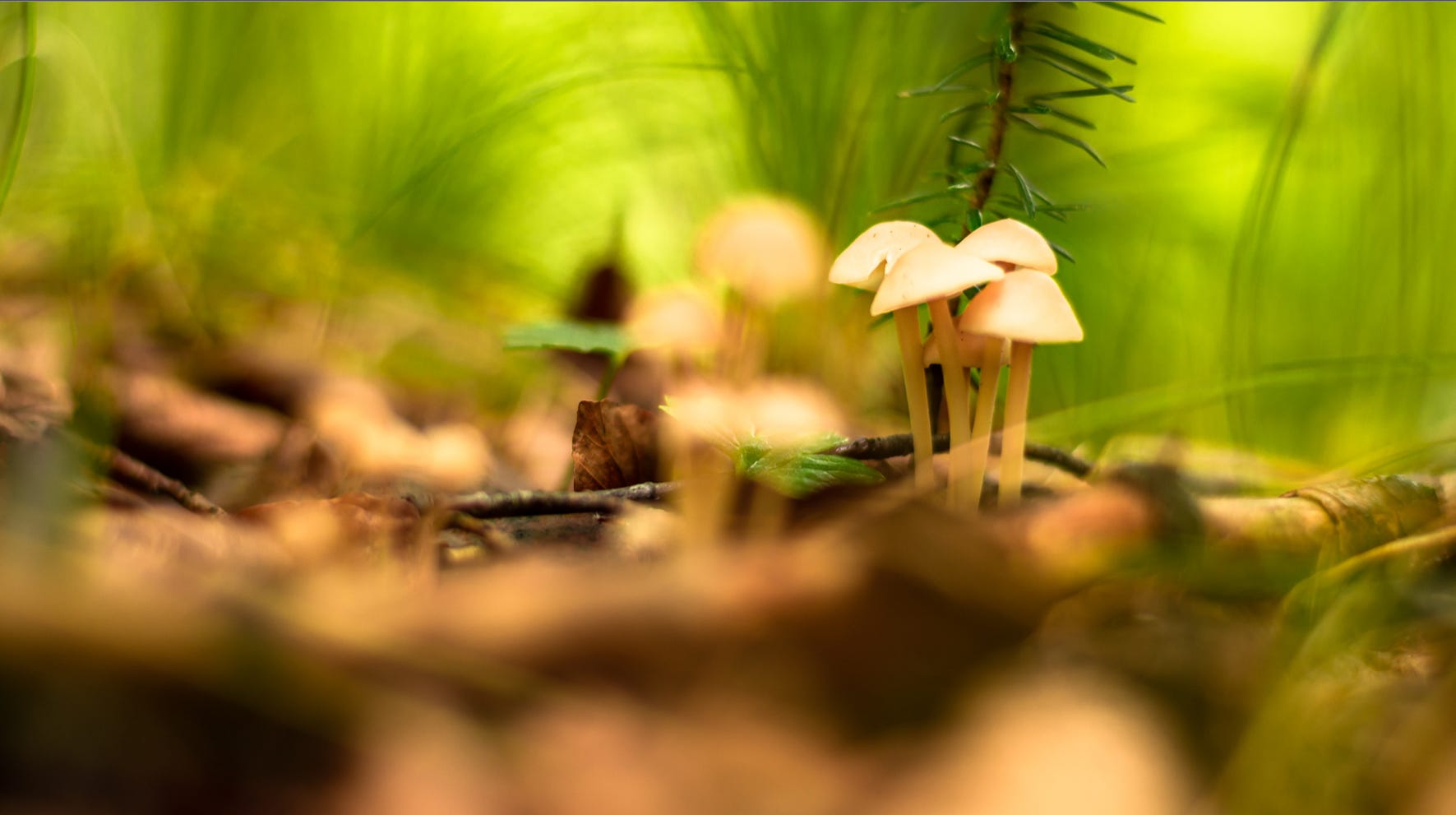
The mushrooms we see are only the tip of vast subterranean life forms. The real organism is an immense underground network of microscopic threads called mycelium, which can stretch for kilometers beneath forests, grasslands, and farmland. These hidden networks connect plant roots into vast living systems that move water, nutrients, and carbon through entire ecosystems.
Nearly every ecosystem on Earth depends on these ancient partnerships. Around 80% of plant species rely on underground fungi to absorb water and essential nutrients, while fungi receive carbon produced through photosynthesis. This mutually beneficial relationship has helped sustain terrestrial life for more than 450 million years.
Fungi are emerging as one of nature’s most powerful climate allies. By transporting carbon from plants into soils, underground fungal networks help lock carbon below ground, improve soil health, and increase the resilience of ecosystems facing drought, rising temperatures, and other climate stresses.
Modern agriculture often works against these invisible ecosystems. Intensive tillage, excessive fertilizer use, deforestation, and land degradation can damage fungal networks that have taken decades or even centuries to develop. Regenerative farming seeks to restore these biological relationships, allowing soils to recover naturally while improving crop resilience.
Scientists believe we’ve barely scratched the surface of fungal diversity. Much of the underground fungal world remains unmapped, meaning countless species and ecological relationships are still unknown. As a result, fungal conservation has lagged far behind efforts to protect plants and animals, despite their fundamental role in supporting both.
The more scientists study fungi, the more they reshape our understanding of climate solutions. Once viewed mainly as decomposers, fungi are now being recognized as critical infrastructure for biodiversity, sustainable agriculture, carbon storage, and ecosystem resilience, highlighting how some of the most important climate technologies may already exist in nature.
Climate innovation doesn’t always begin in a laboratory. Sometimes, it has been quietly at work beneath our feet for hundreds of millions of years.
At CTVR, we often explore breakthrough technologies designed to make our planet more resilient. This story reminds us that some of nature’s most powerful innovations already exist. Underground fungal networks have been storing carbon, supporting biodiversity, strengthening soils, and helping plants survive long before humans understood their value.
What’s remarkable is that we’re only beginning to uncover just how interconnected these hidden ecosystems are with our climate, food systems, and natural landscapes. The more scientists study fungi, the clearer it becomes that protecting life above ground also means safeguarding the invisible world below it.
One company about which we are particularly bullish is Austin, Texas-based start-up Funga, which was founded by one of the world’s leading experts on mycorrhizal networks and their positive effects on the strength and health of their symbiont trees. You can read more about Funga in the second link below.
As we search for solutions to the climate crisis, protecting these hidden ecosystems may prove just as important as developing new ones. The future of climate resilience may depend not only on what we invent, but on what we choose to understand and protect.
No posts
Comments
Nothing yet. Say the first thing.
Sign in to join the conversation.