
Krystak Kasal | Phys.org
This week’s CTVR Newsfeed is dedicated to Rae Solomon, Erik’s mother, who died peacefully in her sleep on July 31, a few months before her 95th birthday. She walked the path bravely with cancer for some time. Rest in peace, Mom.
California’s drought didn’t just drain groundwater. It may have permanently damaged one of the state’s most important natural water reserves. New research suggests parts of the Sacramento Valley aquifer have crossed a threshold where the underground space that once stored water has collapsed for good.
California’s recent drought may have permanently reduced the Sacramento Valley aquifer’s ability to store groundwater, marking a shift from temporary depletion to irreversible loss.
New satellite monitoring techniques are revealing underground damage that conventional well measurements often fail to detect, offering earlier warning signs of aquifer stress.
As climate-driven droughts become more frequent, protecting groundwater will require managing aquifers before they cross irreversible tipping points, not simply replenishing them after the fact.
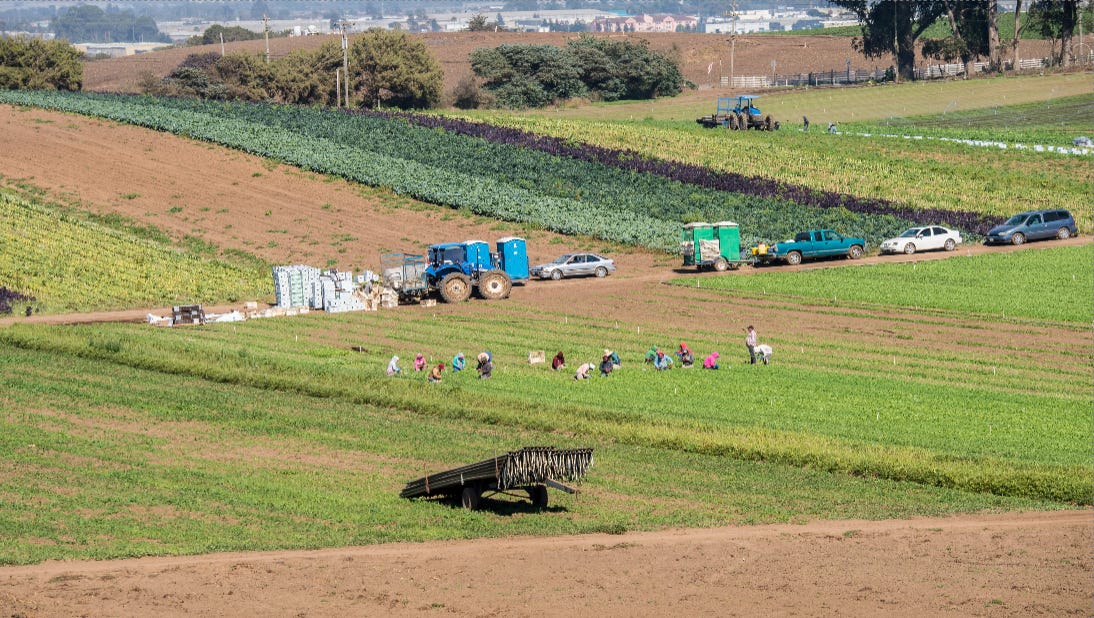
California’s Central Valley—of which the Sacramento Valley represents the northern half—produces roughly 25% of the U.S. food supply, but its water-intensive agriculture depends heavily on groundwater during droughts. The new study suggests that prolonged pumping has permanently damaged parts of the Sacramento Valley aquifer, reducing its long-term capacity to store freshwater.
Researchers found that the aquifer underwent an abrupt transition during the 2020–2022 drought. Before 2021, seasonal land subsidence was largely reversible. After 2021, extensive areas shifted into irreversible ground compaction, indicating that underground sediments had permanently collapsed.
Some parts of the Sacramento Valley sank by as much as 50 centimeters (20 inches) per year, far exceeding the roughly 2 centimeters expected from normal, reversible groundwater fluctuations. At the same time, permanent groundwater storage loss increased approximately fivefold, reaching about 0.2 cubic kilometers annually.
By combining Interferometric Synthetic Aperture Radar (InSAR) satellite radar, GPS measurements, groundwater well records, and satellite gravity data, scientists were able to detect irreversible aquifer damage with far greater accuracy than conventional monitoring alone. The findings suggest satellites could provide earlier warnings before permanent groundwater loss occurs.
The consequences extend well beyond water availability. Continued land subsidence threatens roads, canals, levees, wells, and irrigation infrastructure while increasing flood vulnerability, creating long-term economic risks for one of the world’s most productive agricultural regions.
One of the study’s most significant findings is that recovering groundwater levels do not necessarily mean the aquifer has recovered. Even after seasonal recharge, the ground surface in many areas failed to rebound, confirming that part of the underground storage space had been permanently lost.
Researchers believe California’s recent return to wetter conditions offers an opportunity to slow additional damage. Targeted groundwater recharge projects and reduced pumping in the most vulnerable areas could help prevent further irreversible compaction and preserve what remains of the aquifer.
We often think of drought as something that ends when the rain returns. This research suggests that isn’t always true.
At CTVR, we’ve covered how climate change is reshaping rivers, water systems, and agriculture. This study is a reminder that some of the most profound changes happen underground, far from public view. When an aquifer loses its ability to store water, we’re not just facing a temporary shortage. We’re losing part of the natural infrastructure that has sustained communities, farms, and food production for generations.
What’s striking is that California’s recent wet years may help refill some groundwater, yet they cannot restore the underground space that has already collapsed. That distinction matters. It means climate damage is no longer only about how much water is available today, but about whether the Earth can continue storing water tomorrow.
The greatest cost of climate change isn’t always what we lose today. Sometimes it’s what future generations can no longer recover.
No posts
Comments
Nothing yet. Say the first thing.
Sign in to join the conversation.