
Happy new year y’all. My holiday break was glorious. Zack and I went to the east coast to hang with his family. We had two divine museum days in D.C. I spent one whole day doing nothing but reading occult historian Mitch Horowitz. (I think we need more leftists getting into shit like metaphysics, avoiding plastic pollutants, and becoming fitness hotties! I am manifesting all three for myself in 2025.)
My brain really goes into chaos mode when I have too much time off. I’ve been chatting with Claude about my new-year dreams and flipping through Holly Herndon and Mat Dryhurst’s exhibition catalogue, All Media is Training Data. Also currently trying to torrent The Clock. (No luck.) I’m looking for an exceptionally great experimental coding class to take this Spring—if you know of anything, let me know.
Like everybody else, I read, thought about, and used a lot of AI in 2024. Part of the reason I didn’t write much is because I want to shift this letter to focus more on design and technology, maybe even a little critique, but am really feeling everything moving so fast. True to Scorpio form, it’s only worth digging in if I can go deep. And the discourse around this technology’s impact on design in particular has been so one-note—something like:
AI will democratize design, therefore your taste/visual literacy/craft needs to be cultivated to level up your product/brand/etc.
And while I agree, something about this framing just doesn’t feel right.
I revisited Khoi Vinh’s 2018 talk In Defense of Design Thinking, Which Is Terrible, which is less about design thinking and more about how design remains quite insular and far from democratized, actually. Vinh points to engineering as a truly democratized discipline, one whose vocabulary has become part of everyday life (e.g., “bandwidth,” “beta”) and one that truly embraces novice practitioners. The proof lies in the fact that engineers are not threatened by bad code:
In fact, you could say that bad engineering, just like good engineering, has helped turn technology into the most powerful force for change in the 21st century.
If engineering is a model for a democratized discipline, then I don’t think what we’re talking about related to design and AI is democratization at all. The outputs of design are already accessible to anyone, particularly contemporary ones—anybody can make a logo and a website with Squarespace or any number of artifacts with Canva. The problem ahead of us is more of a… proliferation of templated and formulaic slop? Where great work can’t cut through the noise. Or where volume becomes valued above all else. An investment firm called Terrain shared a great post in early December, “Design Literacy in the Age of Intelligent Automation,” where they note that “the undeniable fact is that we are working in a world of more as a result of AI: more content, more noise, more distractions competing for our attention.” It’s important to get specific about what’s ahead for our industry.
If the above is true, then creating experimental and contextually relevant work becomes more important than ever. The cultural conversation hyperfocusing on AI-generated content and design at scale misses the point that AI can be a weird and magical medium of its own. It’s an exceptional tool for cultivating the unknown and inviting randomness, particularly for the culturally and visually literate. Focusing the conversation on the technology alone obscures the essential question that designers across industries must grapple with in their work: how to make something resonant, new, and meaningful in a world that's changing faster than ever?
You know what taste and visual literacy are? Personal. I’ve been mining my own creative influences to create images with LLMs this past year. Because I love photography, I’m enjoying outputs that are specific to the references close to my heart—like photographers, film stocks, or photo technologies.
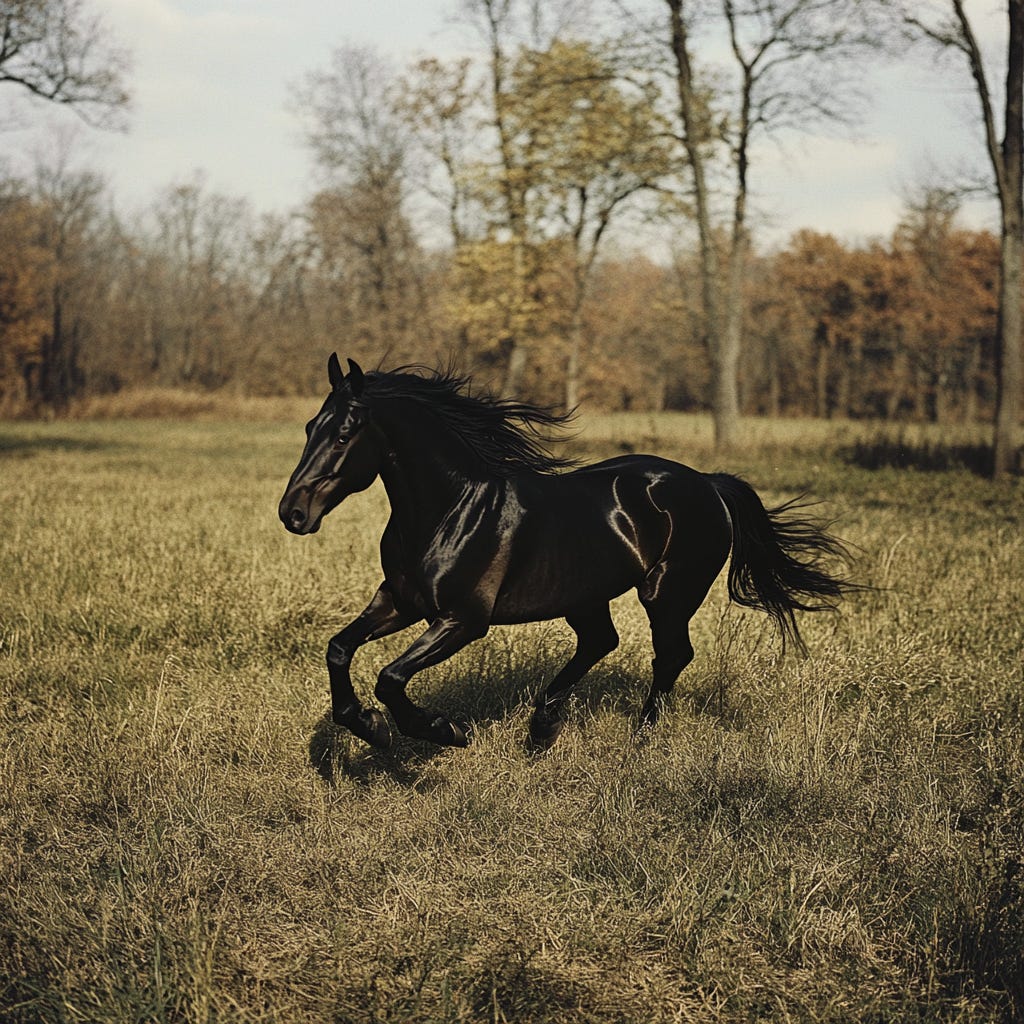
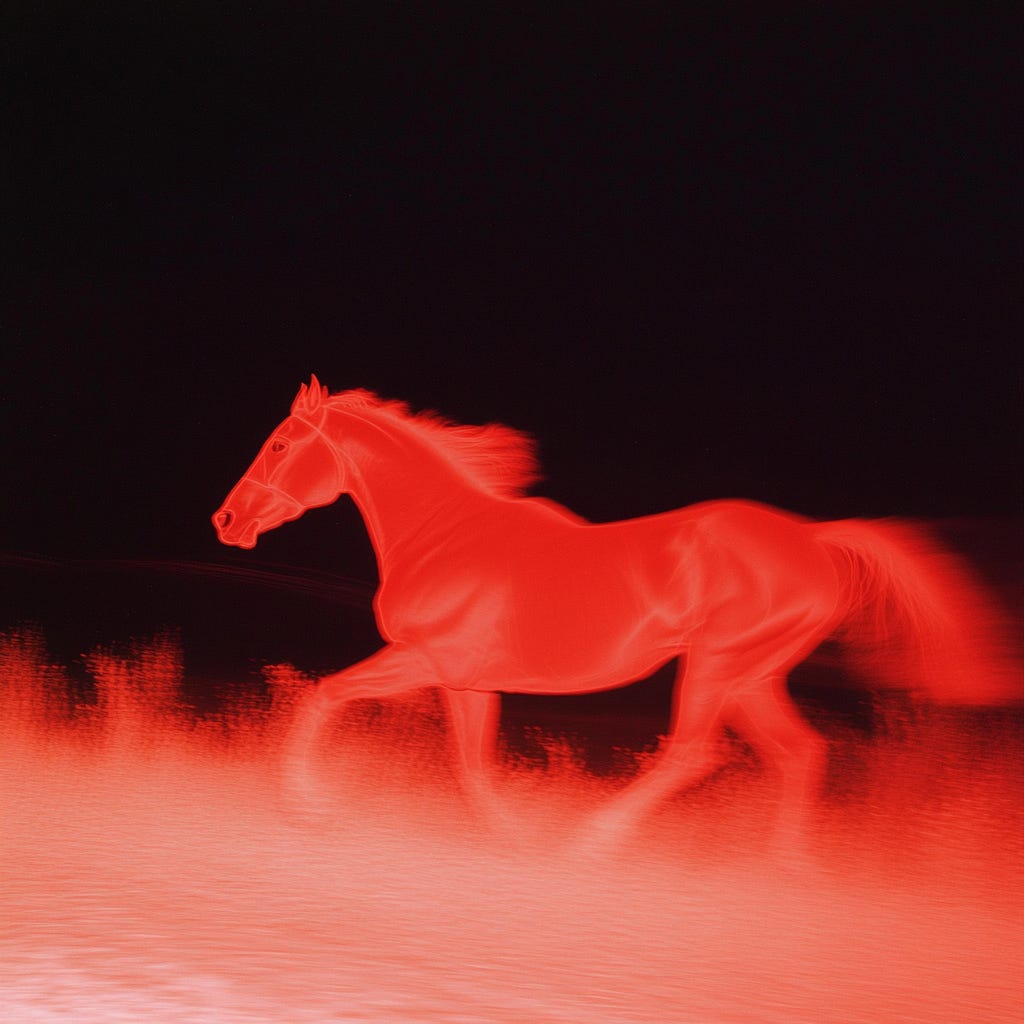
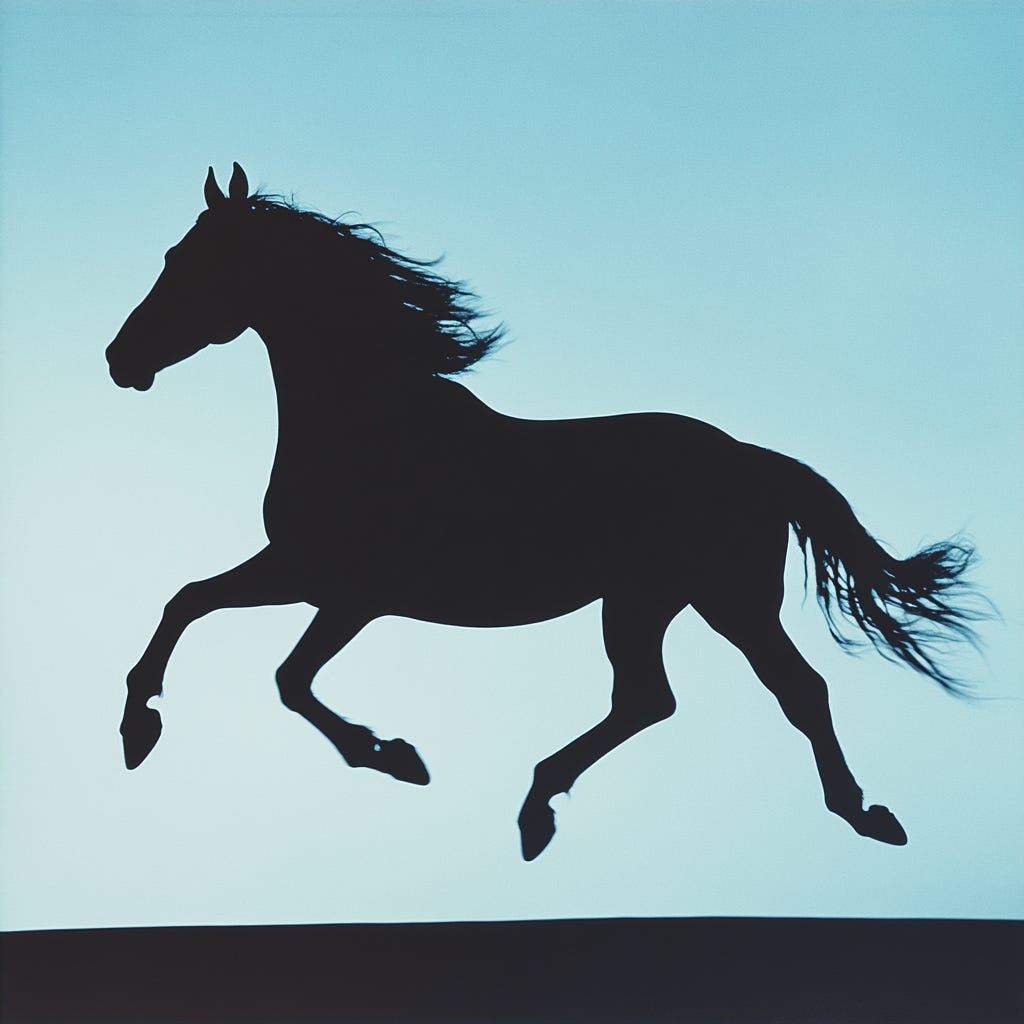
It’s valuable to use any medium to bring something in your mind to life. Maybe it’s the metaphysics talking, but I’m finding it inspiring that this shift toward taste is calling us all to create and share more in the spirit of our own distinct lenses on the world. ✧˖°
For your new-year visioning, I want to share one of my favorite snippets of creative advice. This is from N+1’s No Regrets:
Astra Taylor: One lesson I can share from life is that you should let certain things go unattended—prioritize and let yourself be, for example, messy. The work is more important than the dirty dishes. […] I was very struck by my partner, who’s very creative and everything could go to hell if he’s in the zone. I would be trotting around, older sister that I am, responsible, nurturer, cleaning up or taking care of things, and then I sort of had this epiphany: Why the resentment? Why should I act like that? And now I’m probably the bigger slob of the pair.
Elif Batuman: My shorthand for that is Being a Dude. It’s been hard for me, and immensely rewarding whenever I can make myself do it.
Dayna Tortorici: Be a dude?
Elif Batuman: Yeah. Don’t answer your emails on time if you don’t feel like writing to the person …
Cheers,
Taryn
No posts
Comments
Nothing yet. Say the first thing.
Sign in to join the conversation.