
If you ask most people, their idea of digital misinformation is pretty straightforward.
People will point to classic tropes of vaccines causing autism, climate denial, and flat-earth theories - ideas easily refuted by a quick internet search. Typically, movement folks are not fooled by this kind of misinformation and pat themselves on the back for beating the bots.
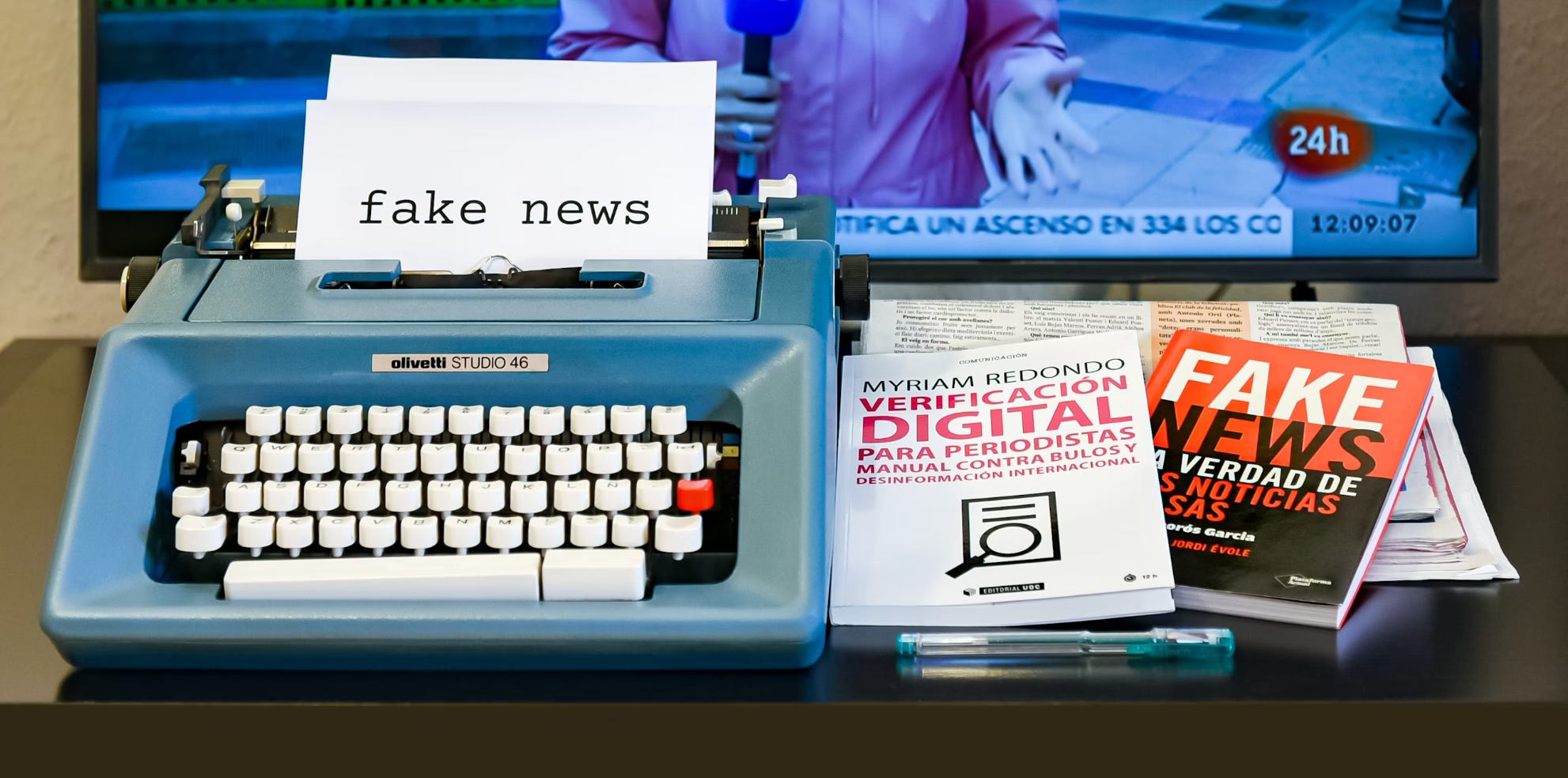
But what if we had to face a hard truth about the evolving nature of misinformation?
That even we, as savvy media consumers, are not immune, and that modern misinformation campaigns cannot be refuted with basic media literacy?
The truth is what we are seeing playing out across the internet are increasingly sophisticated campaigns that manipulate us based on our identities and values.
This misinformation will often have kernels of truth to it, making them difficult to refute and they will be led by calls to disengage, disempower, and preemptively obey. The goal of these attacks is simple - division for division’s sake. And Elon Musk, Turning Point USA, and Prager U are pouring millions of dollars into their efficacy and development.
They are doing this because recognizing them and combatting them is increasingly difficult as they weaponize our empathy and shared values against each other in the hopes of making solidarity across race, class, ability, and gender, impossible.
The best way to build muscles around this type of misinformation is to believe deeply in your own power to affect change. Misinformation will start with an intense emotional appeal, what the right-wing calls an “empathy trigger”, followed by a call to inaction.
It will tell you not to attend a protest, not to vote, and not to challenge them - but it will be couched in reasons you will likely agree with on the surface.
“Don’t attend a rally because it’s dangerous.”
“Don’t vote because both sides are evil”
“Don’t challenge them because nothing we do matters anyway”
Ultimately, the key to spotting misinformation is that it will encourage you to comply but it will make it seem like it was your idea. It will point to groups you could possibly align with as the problem - ensuring you are looking away instead of at them. The call to inaction is the difference between content that you believe and content that is weaponizing your beliefs.
These are seductive narratives for an educated population. Our instinct to question authority, break away from the crowd, and lift up the voices of marginalized people create space for wedges that on the surface will feel in alignment with our values - until you realize that the end goal of the message is to act against your self-interest.
This was happening as far back as 2018 and has only become more sophisticated over time.
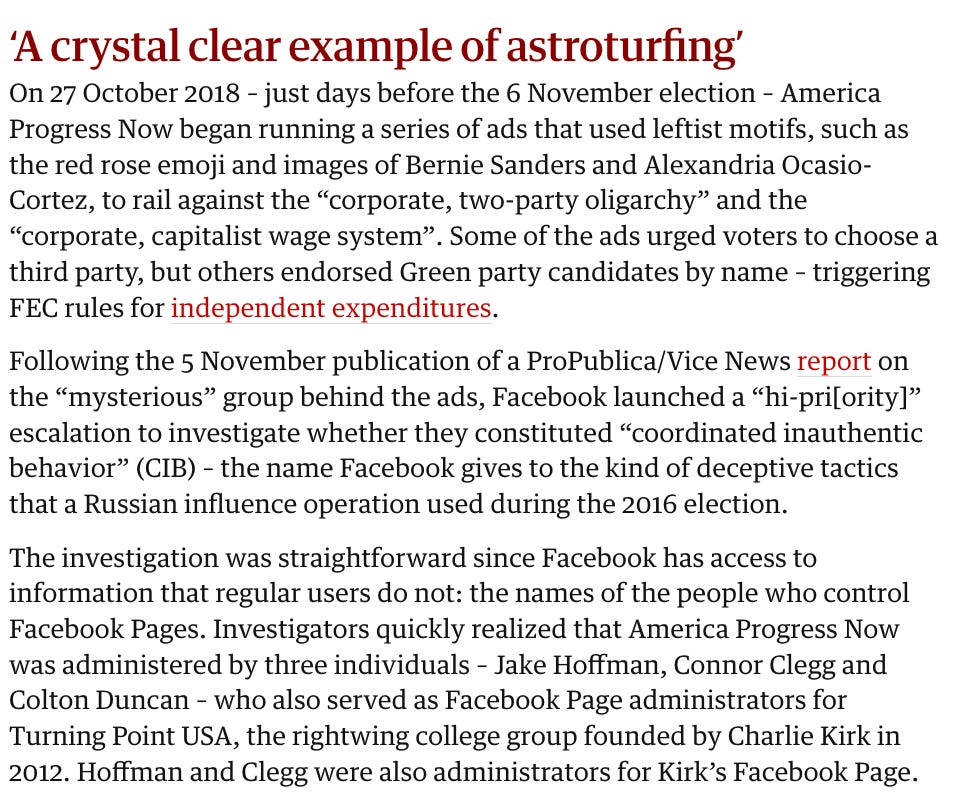
As good stewards of digital space, these distinctions are important, and the way we engage effectively is to shut down narratives that encourage us to preemptively disarm ourselves of some of the most powerful tools we have against fascism:
Protest
Non-compliance
Consistent challenge to autocratic power
If you come across any content that tells you those things are ineffective and to “not engage”, or “both sides are the same”, or it simply “doesn’t matter what you do” - just ask yourself, “Who does that benefit?”
And I assure you the answer will never be us.
Apologies to those who follow our News by Creators and News About Creators! This week Creator Congress was represented at the America Votes conference and after an intense week, we are shortening this week’s substack so the founder (me) can take some time off after a pretty grueling 4 months.
If this is unacceptable to you, would love to hear your thoughts! It’s always helpful to get feedback on what is most helpful and informative in this newsletter.
If you are a Creator and have not yet filled out the application, please do. Link here.
Thank you for subscribing and we’ll be back in two weeks!
In solidarity,
Rynn
No posts
Comments
Nothing yet. Say the first thing.
Sign in to join the conversation.