
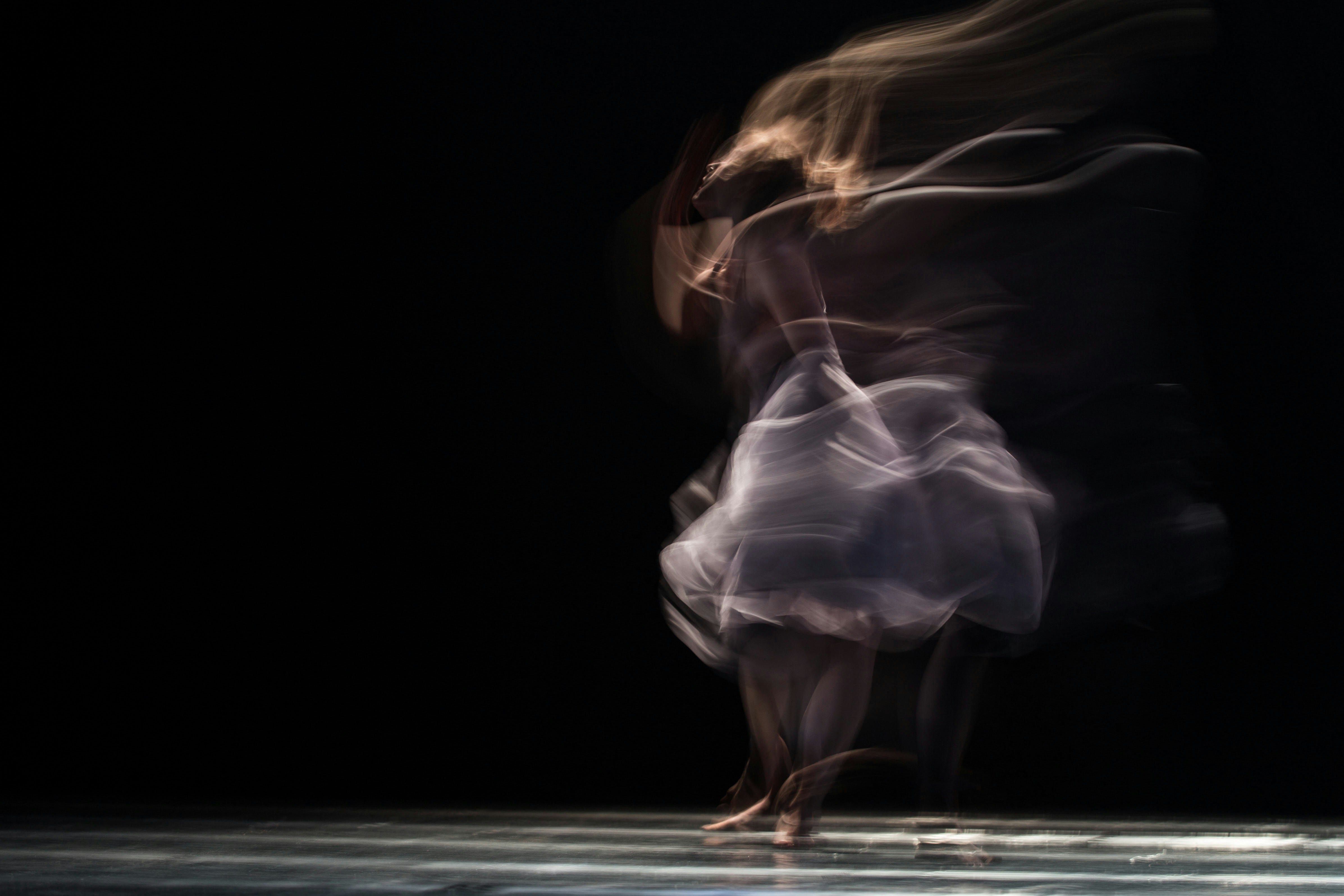
I have been watching a lot of Olympics these days. Since I was a kid, I loved ski jumping, and in recent years I have been fascinating by all the freestyle skiing and snowboarding disciplines. Both for the reason that I don’t seem to have the capacity to understand how the athletes do it. To me, it is magic-level incomprehensible. And I know impressive feats of creativity can feel like that to observers too.
One performance that got me completely wowed was actually in a different sport altogether – Ami Nakai in the short figure skating program. It was original, she was the only skater with a successful triple axel, it was elegant, with movement and music merging one from the other, and it appeared effortless.
Her performance seemed to defy all that we consciously know about how much work it takes to become capable of such performance. From the first steps on the ice to this triumph of skill and beauty, Ami had to learn each spin and jump and how to put them together. And she had to perfect them with practice. Lots and lots of practice. We know all of this, yet it feels as if her Olympic performance was easy. Natural.
Because she was in a state of flow.
OK, flow is a state of consciousness and I certainly did not have the pleasure of speaking with her about what it was like to skate this short program. But I am implying from we could observe.
Flow was first described by the great Mihalyi Csikszentmihlayi. As he studied people’s subjective experience in different activities, he noticed a pattern. When we engage in something challenging, yet we have the skills to meet the challenge, at times we enter an altered state of consciousness in which:
We are fully absorbed in what we are doing
We feel fully in control
We are completely focused on the task, as if the rest of the world recedes in a background
The task itself seems to have clear and unambiguous goals, with one action seamlessly rolling into another
There seems to be immediate feedback on each action and an instant realization of how we are doing
Self-consciousness falls away, eliminating doubt or hesitation
Subjective experience of time is altered and we get surprised after emerging from this state how much time has lapsed
If you noticed the bullet points above only and did not read or absorb the lead to them, you missed the defining condition for the true flow state – match between high task demands and high task-relevant skills.
We might not have self-doubts when doing something easy, but that lack of worry does not indicate flow.
Our sense of time could be warped when we are bored (just recall how endless mind-numbing lectures in school could feel), but that does not indicate flow. Time flies when we are having fun too, like catching up with friends or enjoying the beach, but that is not flow.
We might have clear goals, articulated in a step by step plan for the day in our favorite productivity app, but that does not mean we are in flow.
Flow can come when you work on big tasks. Tasks that do not fit into 15-min increments we listed to keep us on track with busy work and create a feeling of productivity. Flow happens when we have the courage to act, even if there are uncertainties about whether our ambitions are even possible.
This is the paradox of flow. We enter it when we take a plunge into the unknown, but a consequence can be fully experienced certainty and self-consciousness that so often stands in our way falling by the wayside.
This is why we are most likely to enter the state of flow when we are doing something we are intrinsically motivated for. When we enjoy the activity, find it meaningful, and thrive on the challenges it poses, we will be more willing to do it even when we know how difficult it will be.
Flow is not limited to creative work, but creative work has the basic requirements for flow. It is challenging, people tend to be intrinsically motivated to do it, and it requires great skill. True creative work – not just bursts of inspiration or coming up with new ideas in a brainstorming session – demands from us to solve one problem after another and takes time.
Creative work makes flow more likely and when flow happens, it makes creative work more successful.
In a recent conversation, a journalist implied that we have to be in a state of flow to be creative. This assumption was part of the question about how to intentionally enter flow.
So let me address both of these questions directly.
First: No, we do not have to be in a state of flow to be creative.
But I am not surprised by this assumption. In our cultural discourse, there is a strong association between flow and creativity. The association is real, but just like all other associations in psychology, there is no perfect overlap. We who communicate about science need to be explicit and careful.
Creativity – progress on creative work – happens in big chunks of uninterrupted flow, and it happens in back and forth with colleagues, small pockets of time between meetings, and tortuously painful times when nothing seems to be going our way and only a tiny trickle makes it out of our minds.
A creative product, like a book or even an article, commonly includes bits and pieces we gave birth to under all of these circumstances. I am writing this piece on an airplane. My thoughts and keyboard strokes were interrupted by the woman sitting on my left passing coffee to her husband to my right (over my computer!), by the snack and beverage service, and by a distraction of Superman 2 on the screen next to me (and I have to admit being a Superman fan).
When I was writing The Creativity Choice, there were times I was in flow and managed to write 3,000 words in a session by what felt to be sheer magic. There were other times when I wrote 1,000 words in a session, and others when I struggled, only to end up with perhaps 200. Now, looking at the finished product, there is no way to say which parts came from which experiences.
If you are in flow, creative work can feel magical, but progress is what ultimately matters. So, go on. Do.
If you’ve been enjoying this newsletter and found The Creativity Choice meaningful, I would be deeply grateful if you shared a brief review on a site like Amazon or Goodreads. Even a few sentences make a difference. Reviews help other readers discover the book and decide whether it speaks to them — and they matter more than most people realize. Thank you for helping the ideas travel.
Comments
Nothing yet. Say the first thing.
Sign in to join the conversation.