
There’s something almost magical about turning flowers into jelly. You gather blossoms at their peak, steep them into a fragrant tea, and end up with jars of colorful preserves that taste like spring itself. It’s one of my favorite ways to preserve the season, and if you’ve never tried it, now is the perfect time to start.
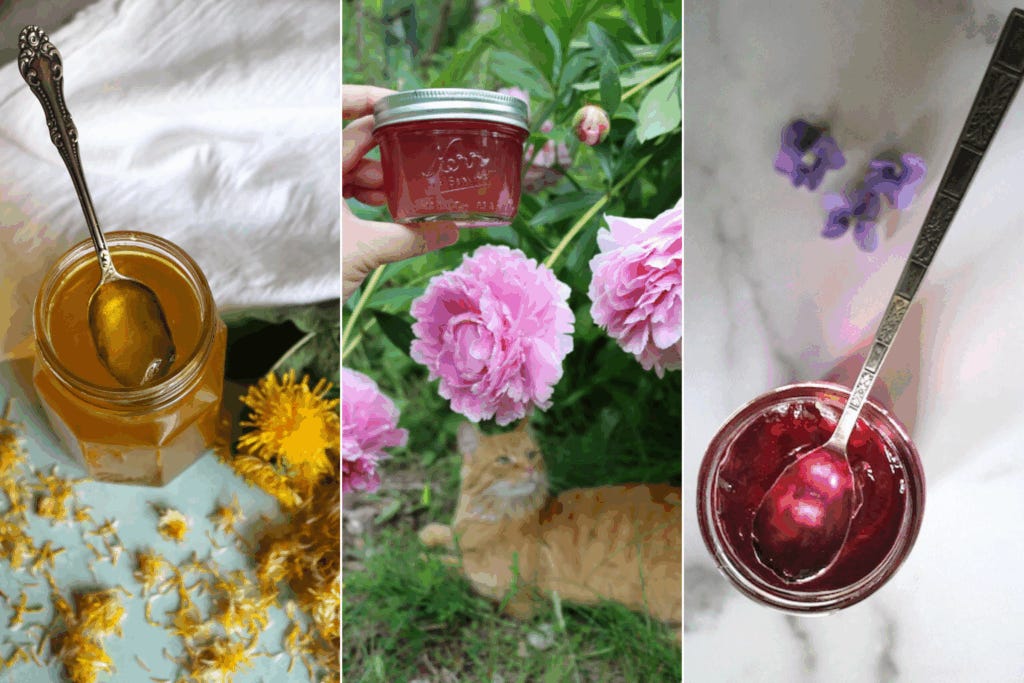
Here in Vermont, the dandelions will soon be dotting the fields with gold, and the violets won’t be far behind. Across the country, forsythia bushes are glowing yellow, lilac buds are swelling, and fruit trees are getting ready to bloom. This is flower jelly season, and it doesn’t last long.
The good news is that flower jellies are simple to make. Most follow the same basic method: steep petals in water, strain, add sugar, lemon juice and pectin, then process in a water bath canner. If you’ve made any kind of fruit jelly before, you already know the process.
The main thing here is you can’t skip the bottled lemon juice. It’s what makes the floral jelly safe for canning, and it adds acidity which gives a better balanced flavor anyway. If you’re new to canning, flower jellies are a gentle, forgiving place to begin after a long winter without fresh produce.
Here are my favorite flower jelly recipes to try this spring.
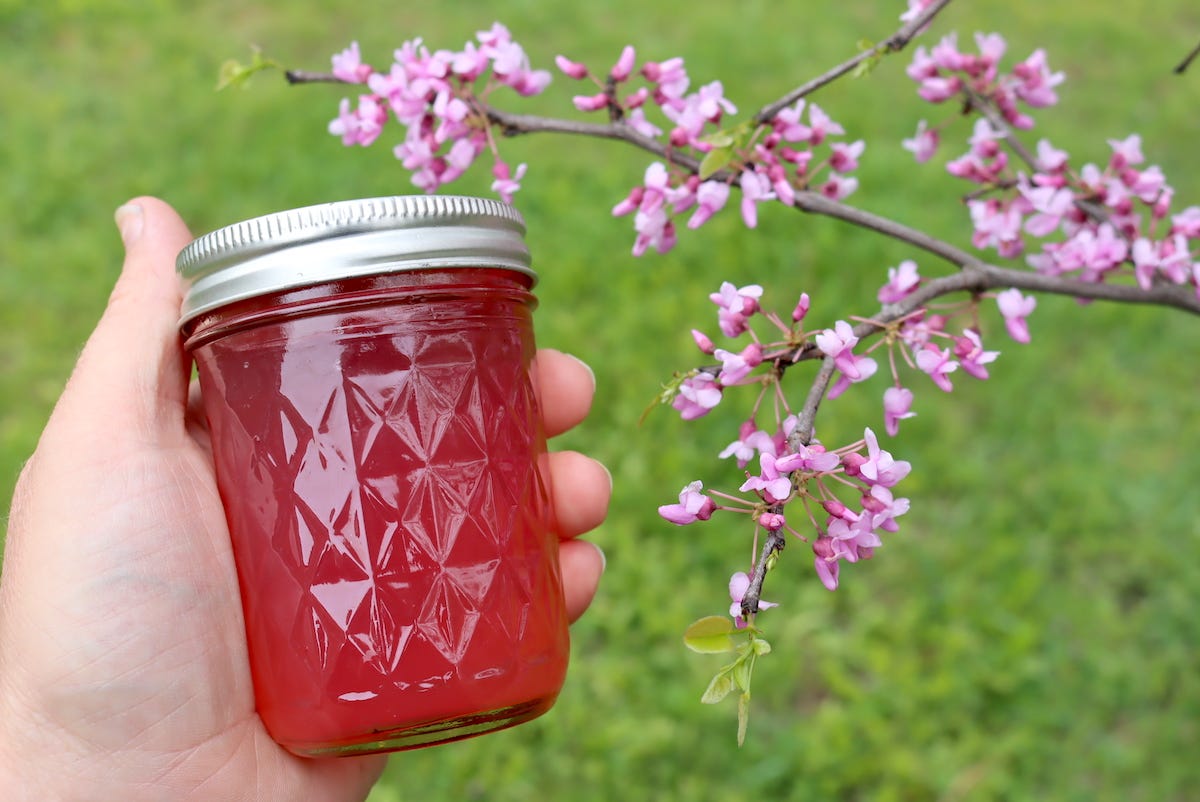
These are the first blooms of the season, often appearing while the last snow is still melting.
Dandelion Jelly – Bright golden jelly with a mild, honey-like sweetness. Made from just the yellow petals.
Violet Jelly – A surprising jelly that tastes like fresh spring berries, perfect on biscuits or scones.
Forsythia Jelly – Pale yellow jelly with a flavor that’s like peaches!
Redbud Jelly (& Syrup) – A bright pink jelly from the edible blossoms of the redbud tree, this one’s a reader favorite every year.
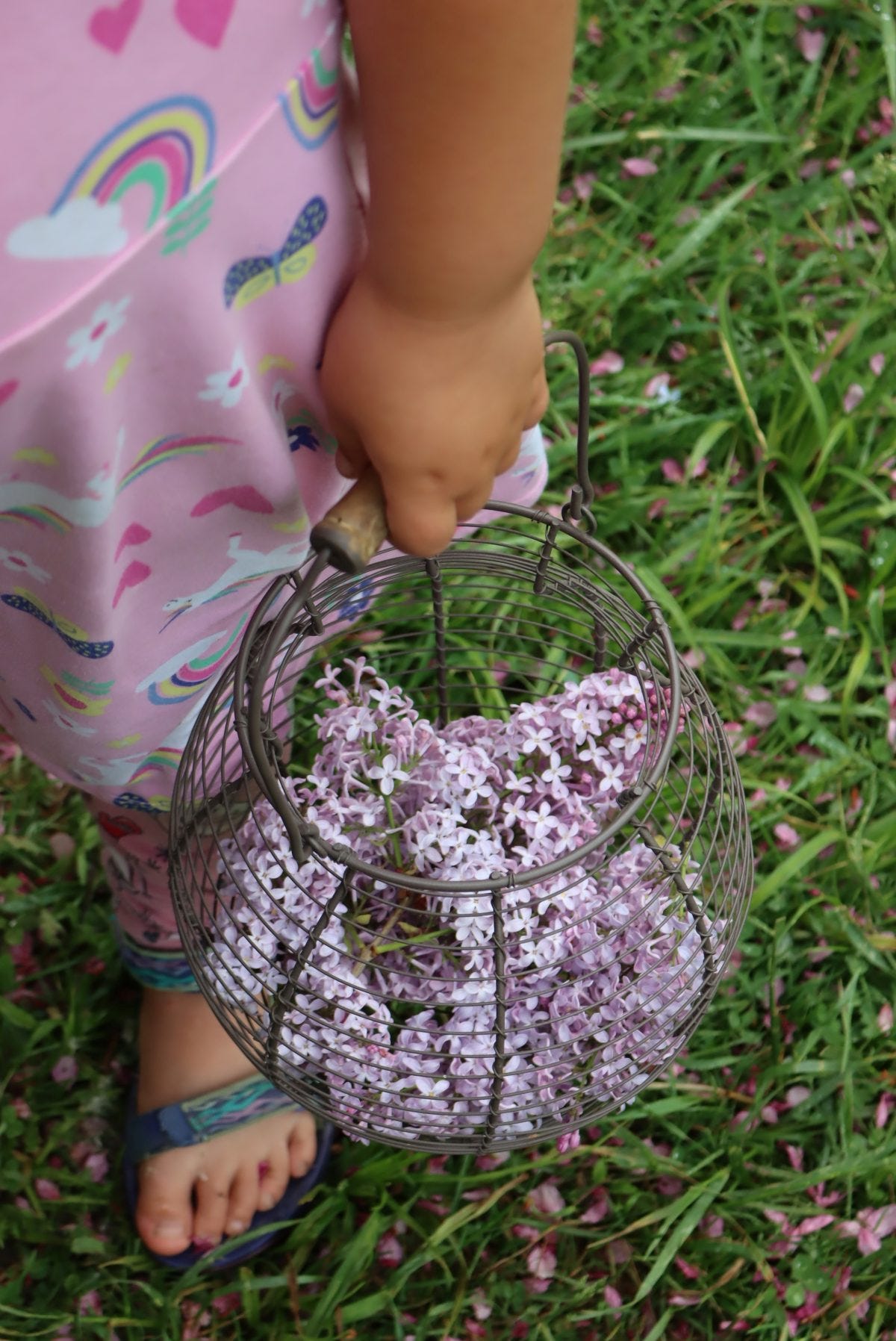
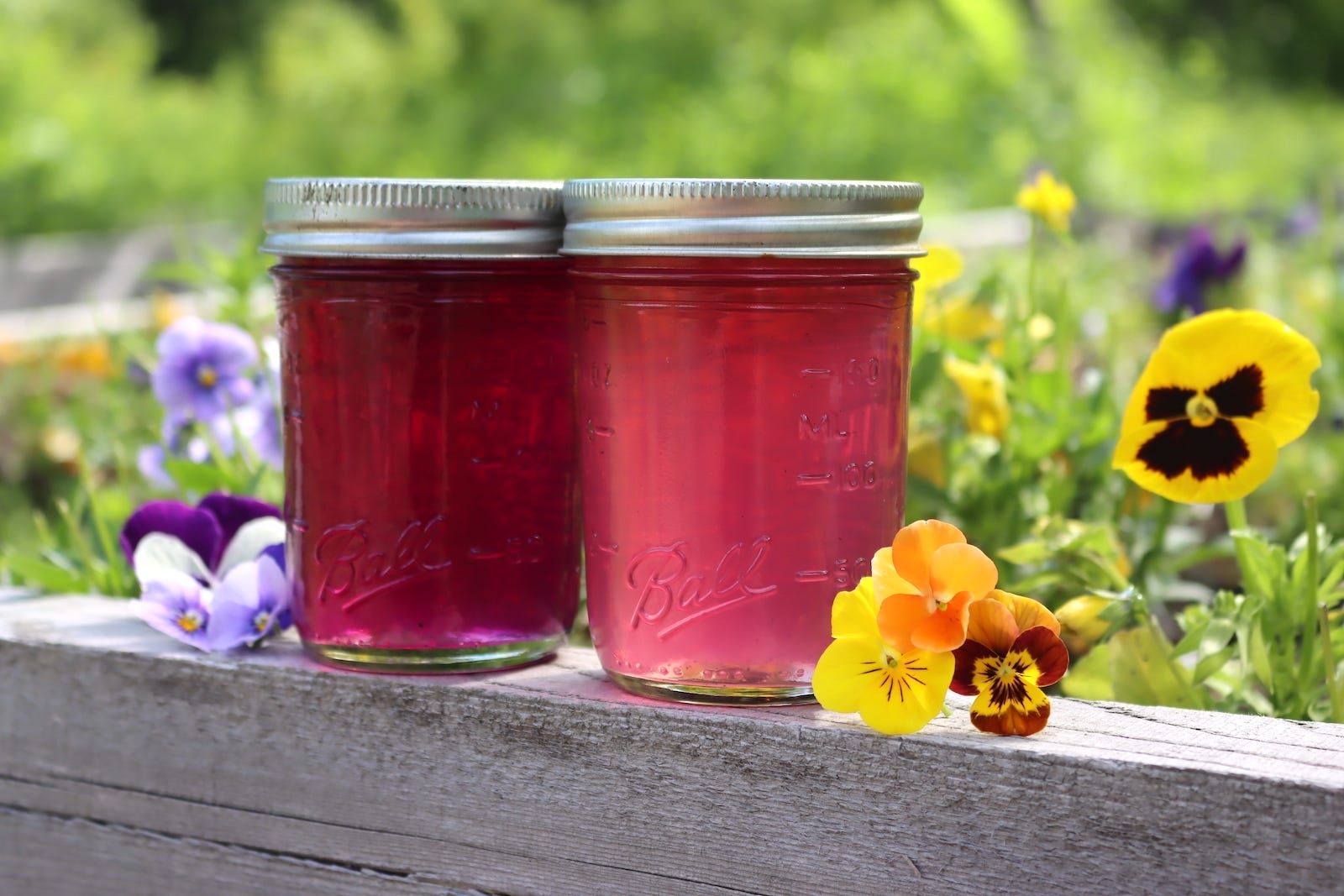
As the season warms, these flowers open up and fill the air with fragrance.
Lilac Jelly – Pale purple with an unmistakable floral perfume. A true taste of late spring.
Pansy Jelly – A colorful jelly made from edible garden pansies, with a mild, sweet flavor.
Tulip Jelly – Surprisingly delicious, with a light, slightly sweet taste.
Grape Hyacinth Jelly – Deep purple and mildly grape-like, made from those tiny spring flowers.
Fruit trees put on a beautiful show in spring, and those blossoms make lovely jellies too.
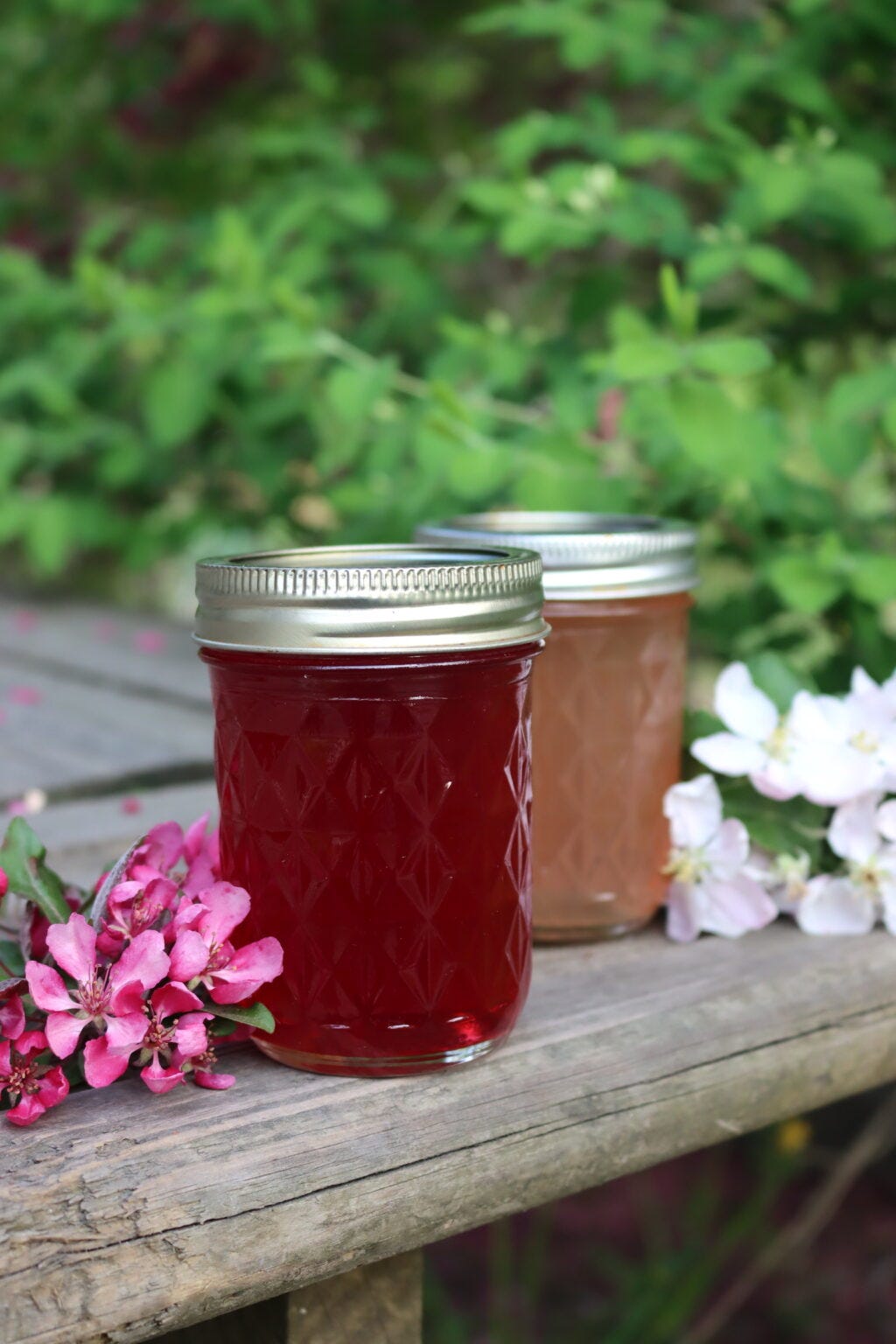
Apple Blossom Jelly – Delicate pink jelly with hints of apple. Works with cherry, peach, or pear blossoms too.
Black Locust Flower Jelly – Sweet and fragrant, with a flavor that reminds some people of vanilla or honey, but to me it tastes like berries.
Elderflower Jelly – Light and floral with a subtle sweetness. An early summer classic.
These flowers bloom a bit later, but now is a good time to plan ahead.
Rose Petal Jelly – Deeply fragrant and romantic, made from unsprayed garden roses.
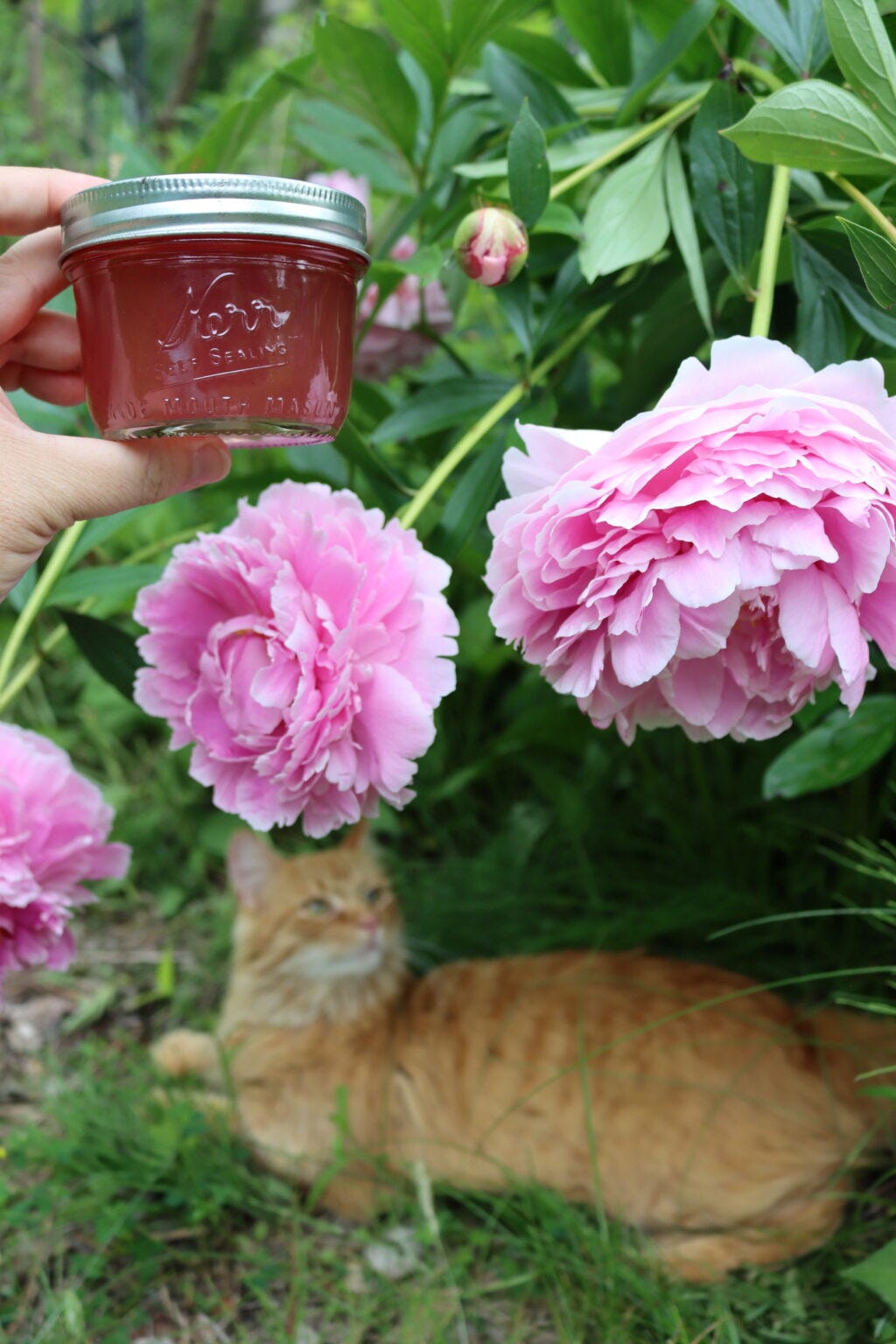
Peony Jelly – Soft pink and sweetly floral, with a subtle rose-like flavor.
Chamomile Jelly – Pale gold with a soothing, herbal and floral flavor from chamomile blossoms.
Clover Jelly – Made from red or white clover blossoms, with a light, honey-like taste.
Bee Balm Jelly – Vibrant red or pink with a slightly spicy, minty flavor. This one’s great as a savory herbal jelly.
Not all flower jellies are sweet. These pair beautifully with cheese, roasted meats, or crackers.
Chive Blossom Jelly – Pale purple with a mild onion flavor. Wonderful with cream cheese on crackers.
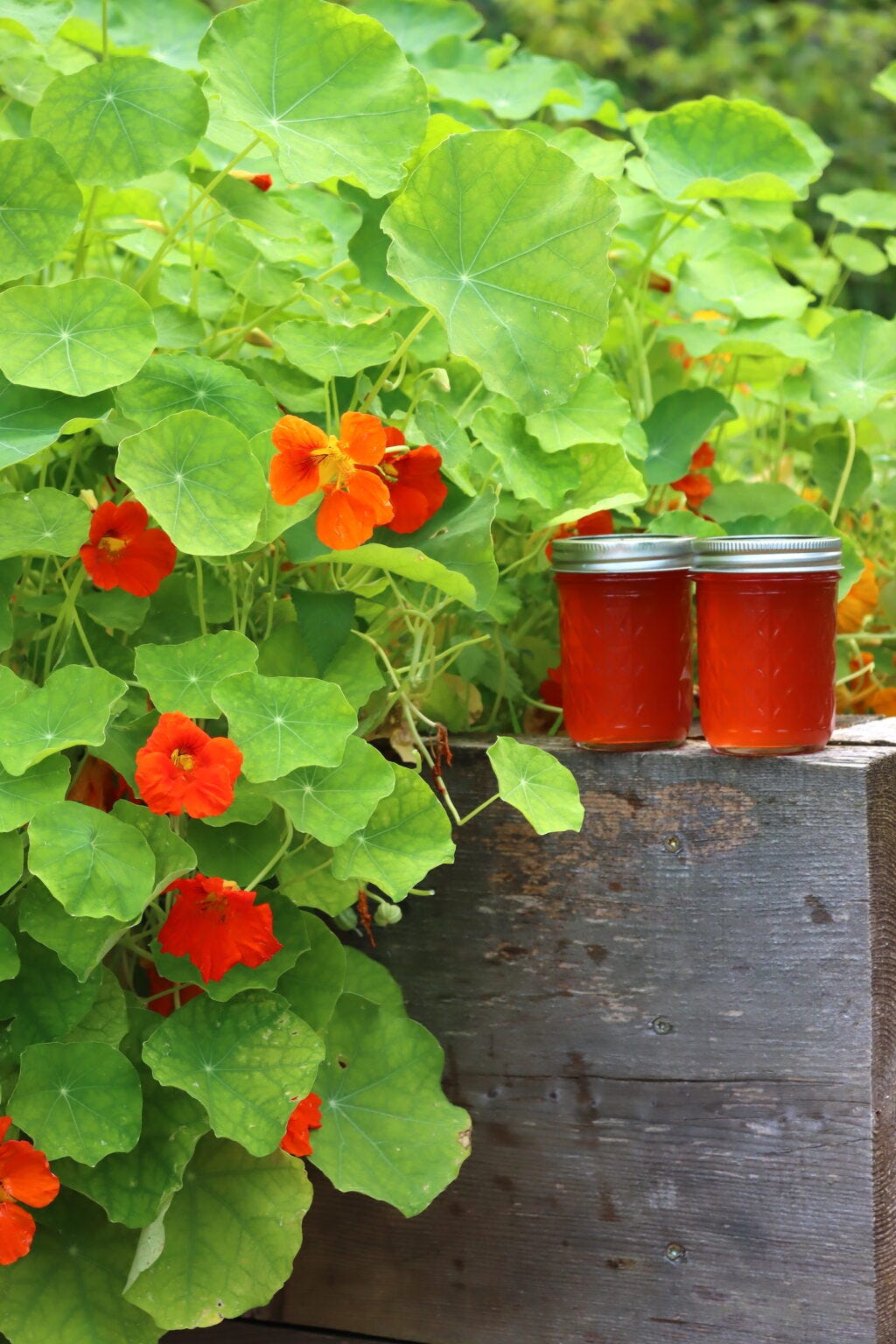
Nasturtium Jelly – Peppery and bright orange or red. A unique addition to a cheese plate.
How to Make Herbal Jelly (Savory or Sweet) – A flexible method for making jelly from herbs like basil, thyme, mint, or rosemary.
If you’re new to flower jellies, these guides will help you get started with confidence.
How to Make Flower Jelly (with 20+ Recipes!) – The complete guide to the basic method, plus links to even more recipes.
Are Flower Jellies Safe for Canning? – Everything you need to know about safety, sourcing flowers, and which blooms to use.
Flower season moves quickly. One week the lilacs are blooming, and the next they’re gone. Keep an eye on what’s opening up around you, and gather blossoms when they’re fresh and fragrant. Your future self will thank you when you open a jar of lilac jelly in January.
If there’s a flower jelly you’re curious about or something you’d like help with, just leave me a note in the comments. I’d love to hear what’s blooming where you are.
Happy Canning!
-Ashley at Creative Canning
No posts
Comments
Nothing yet. Say the first thing.
Sign in to join the conversation.