
Fast Break is a CPGSPN spinoff, where I transition from cold emails and power rankings to the CPG stories that truly matter…at least to me.
Today’s slam dunk? The brands that shaped the past, present, and future of food & beverage.
Success doesn’t determine this group. Sponsor dollars don’t either. Some of these brands I’ve worked for as an employee. Some I’ve supported as an agency owner or consultant. Some I’ve competed against. And some I’ve simply admired from afar. There’s no politics here. Just my personal point of view from over 12 years in the CPG game.
And one quick criteria note: every brand on this list had to be founded in 2000 or later.
I hope you enjoy.
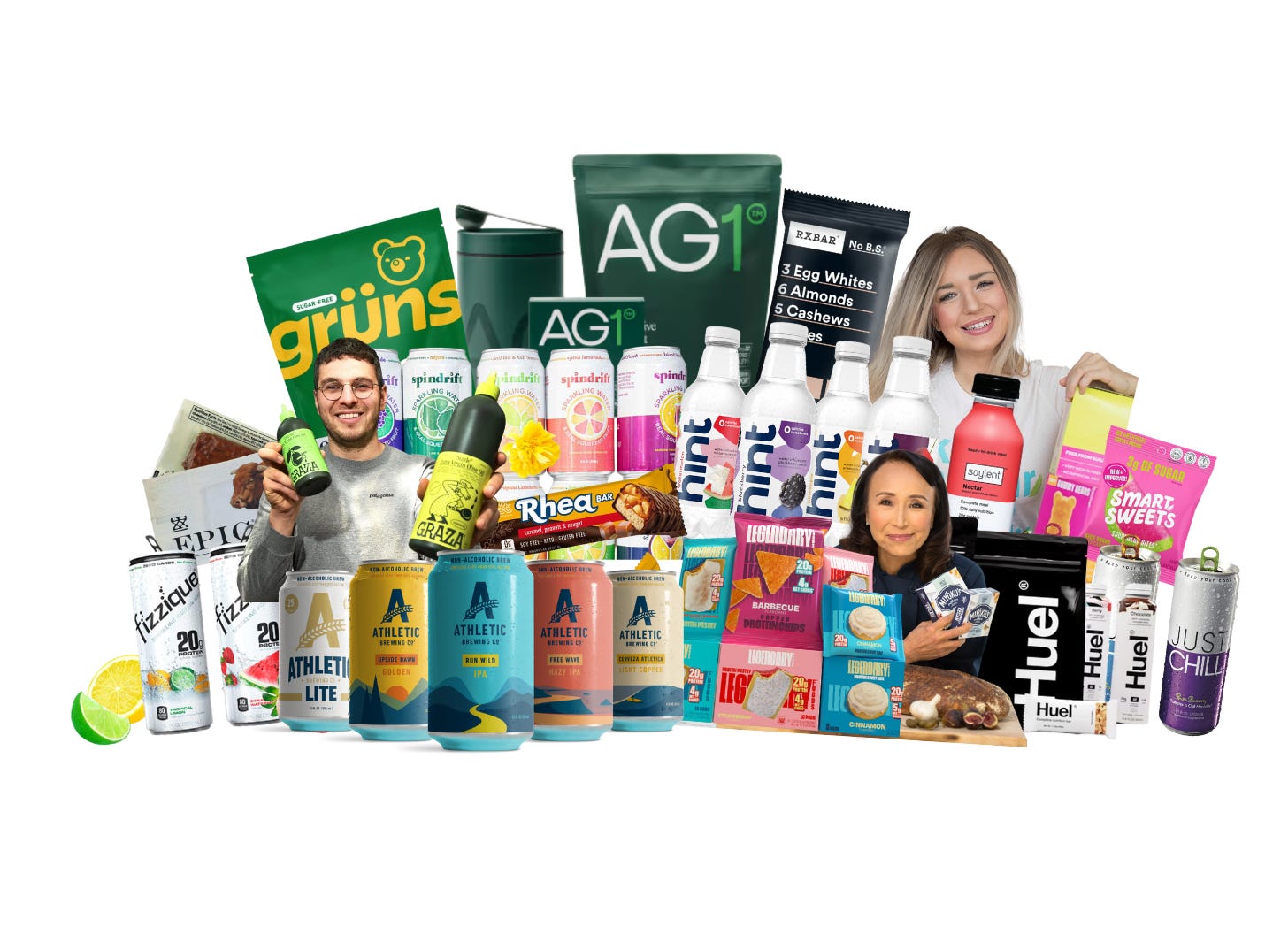
When I think of the most influential brands of the 21st century, success isn’t the only prerequisite. I actually have a few brands on this list that didn’t break through, but they could have…or even should have. Regardless of success or lack thereof, these brands created a wave of new entrants into their respective categories…and some might have even created a category of their own.
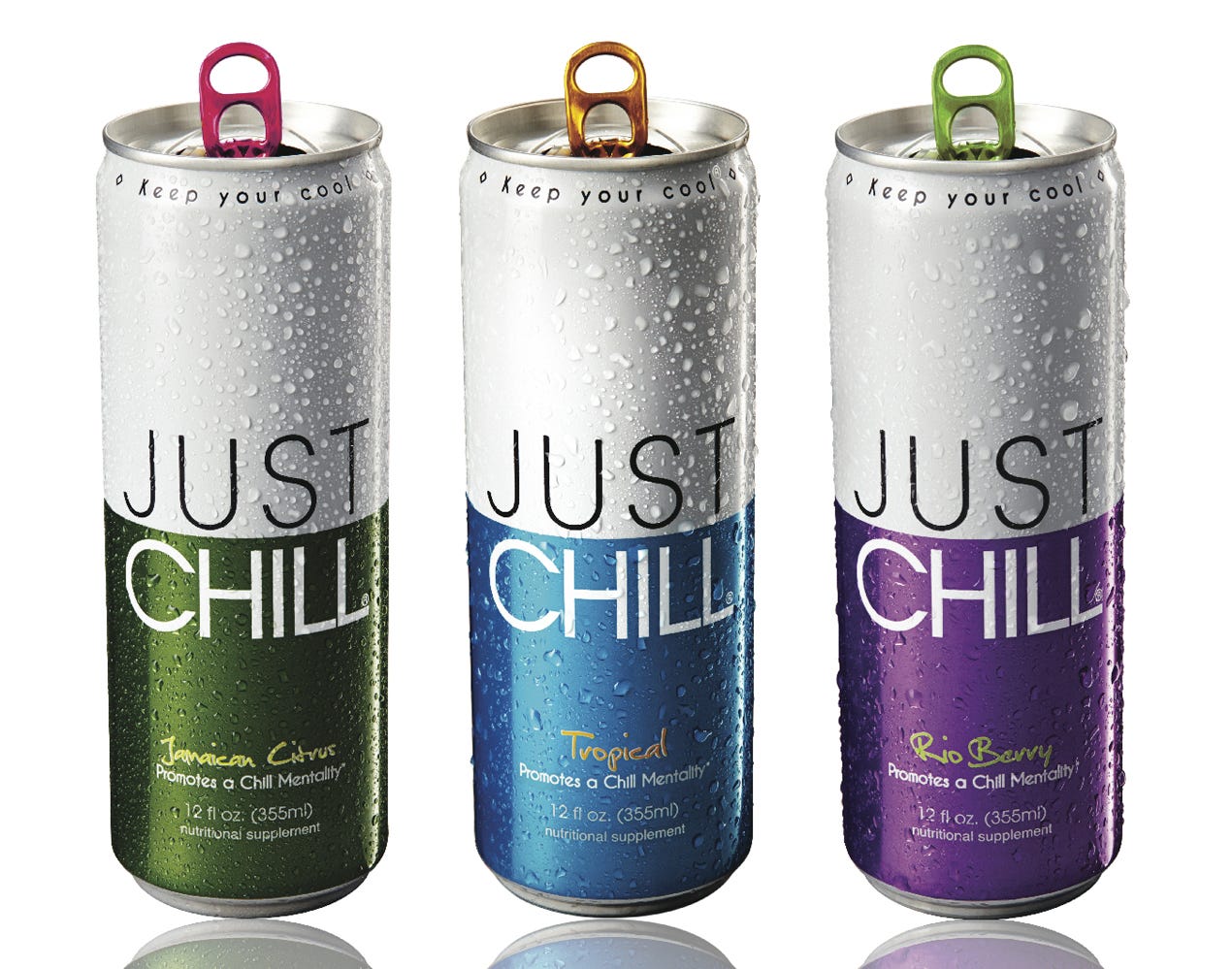
Max Baumann co-founded Just Chill, an early-2010s “calm in a can” brand that leaned in on L-theanine and stress relief, years before today’s massive mood-boosting beverage wave. It never fully broke through, but it helped preview the “chill soda” and functional-relaxation space that brands are chasing now (like Perfy).
➡️ Brands like Recess, Ghia, Hiyo, Trip and De Soi are leading the way as of 2025
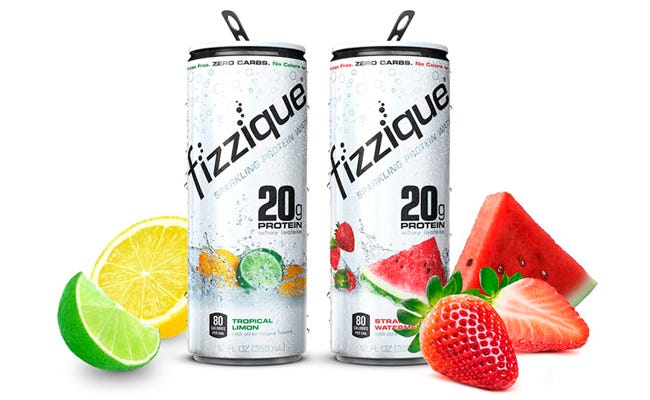
Fizzique was one of the first to go hard on “protein soda,” essentially merging sparkling water with a protein shake. Founded by Olympic Silver Medalist and Chemical Engineer, David Jenkins, who also made his mark on the protein industry by creating and selling Designer Whey and Detour Protein Bars. Fizzique stayed fringe and never got the recognition it deserved, but it did foreshadow today’s protein-everything mindset in beverages. In hindsight, it looks like a proof-of-concept for the idea that macros and carbonation could coexist…and somehow be called “soda.”
➡️ There are too many clear whey brands to mention, but Fizzique walked so they can run, whether they know it or not.
![Huel Review [2025] | Meal replacements and more](https://substackcdn.com/image/fetch/$s_!4E5O!,f_auto,q_auto:good,fl_progressive:steep/https%3A%2F%2Fsubstack-post-media.s3.amazonaws.com%2Fpublic%2Fimages%2F4e54cdf6-6425-4c50-a14d-d7250e5db0ec_826x433.jpeg "Huel Review [2025] | Meal replacements and more")
Huel turned “complete food” into a mainstream lifestyle, normalizing the idea that a powder or RTD could be nutritionally complete, plant-based, and relatively low-cost.
➡️ Huel is a leader in the complete food space along with Soylent and Kate Farms, although Soylent seems to be facing some headwinds at the time, while Kate Farms recently exited.
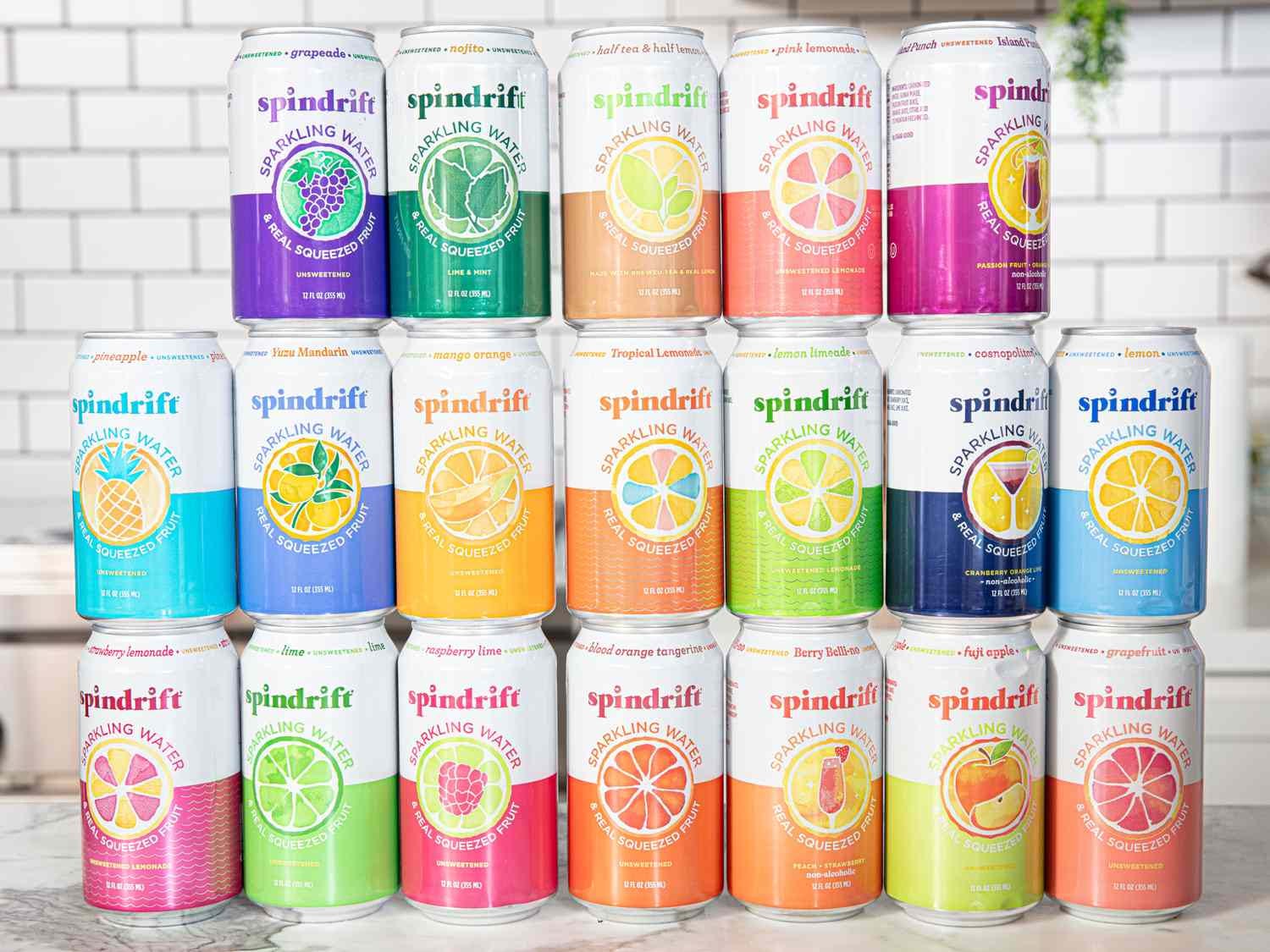
In 2010, Bill Creelman founded Spindrift, which transformed the sparkling water category with its simple yet disruptive premise: real-squeezed fruit instead of natural flavors. The brand became the leading premium clean-label seltzer in the U.S., scaling through Whole Foods, Target, and national club retailers.
➡️ Surprisingly, at least one club buyer has asked Perfy to match Spindrift’s pricing structure. 30 Perfy cans for $19.99 or less this early on? No can do.
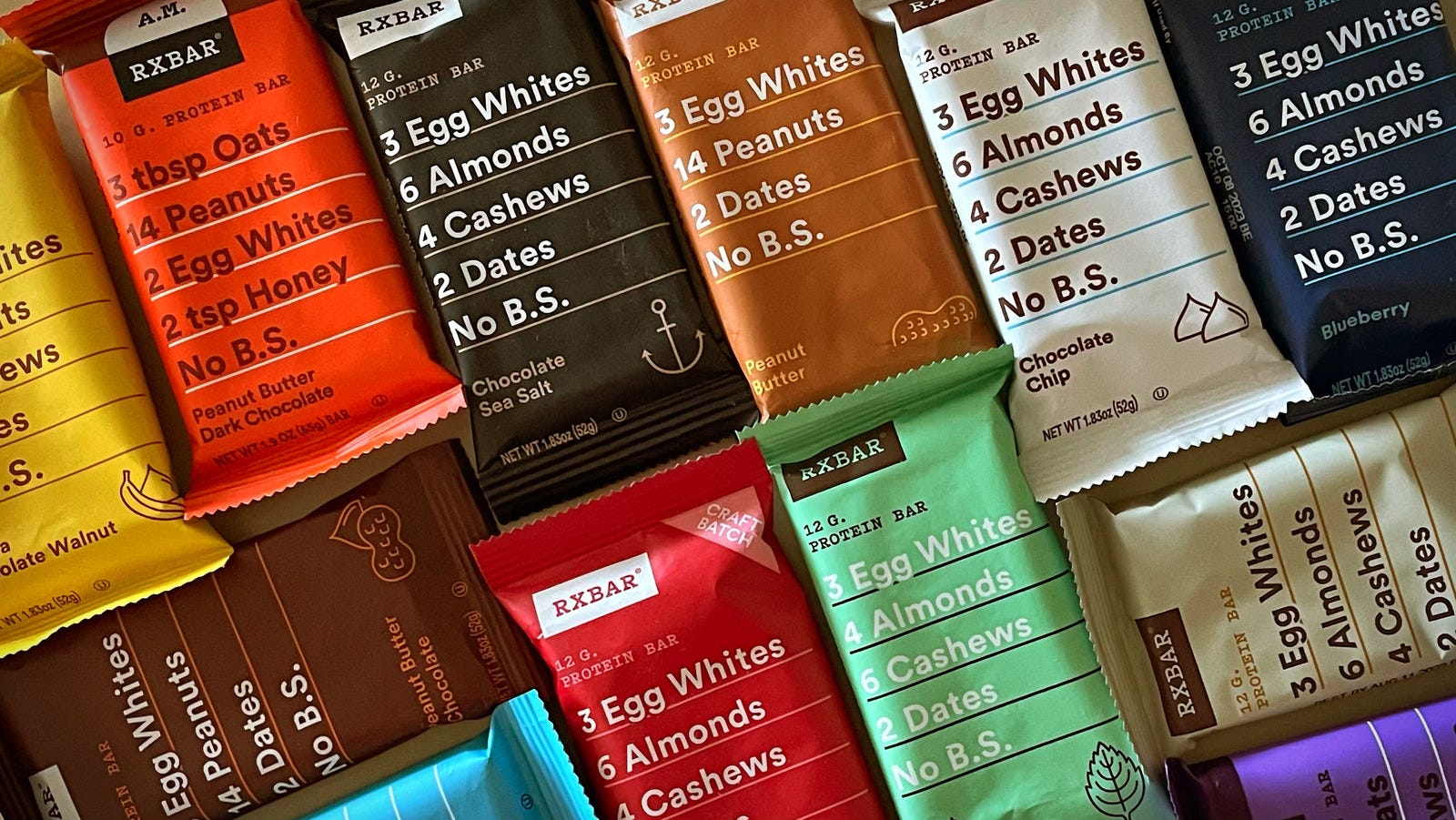
RXBAR was the minimalist, CrossFit-era protein bar that said the quiet part out loud with its ingredients-on-the-front packaging. Peter Rahal and Jared Smith began making the bars in 2013 in suburban Chicago, then scaled quickly through gyms and Whole Foods.
➡️ RXBAR has not only endured but also created opportunity for the cleaner, more transparent bars of today, though I can’t really say the same about CrossFit.
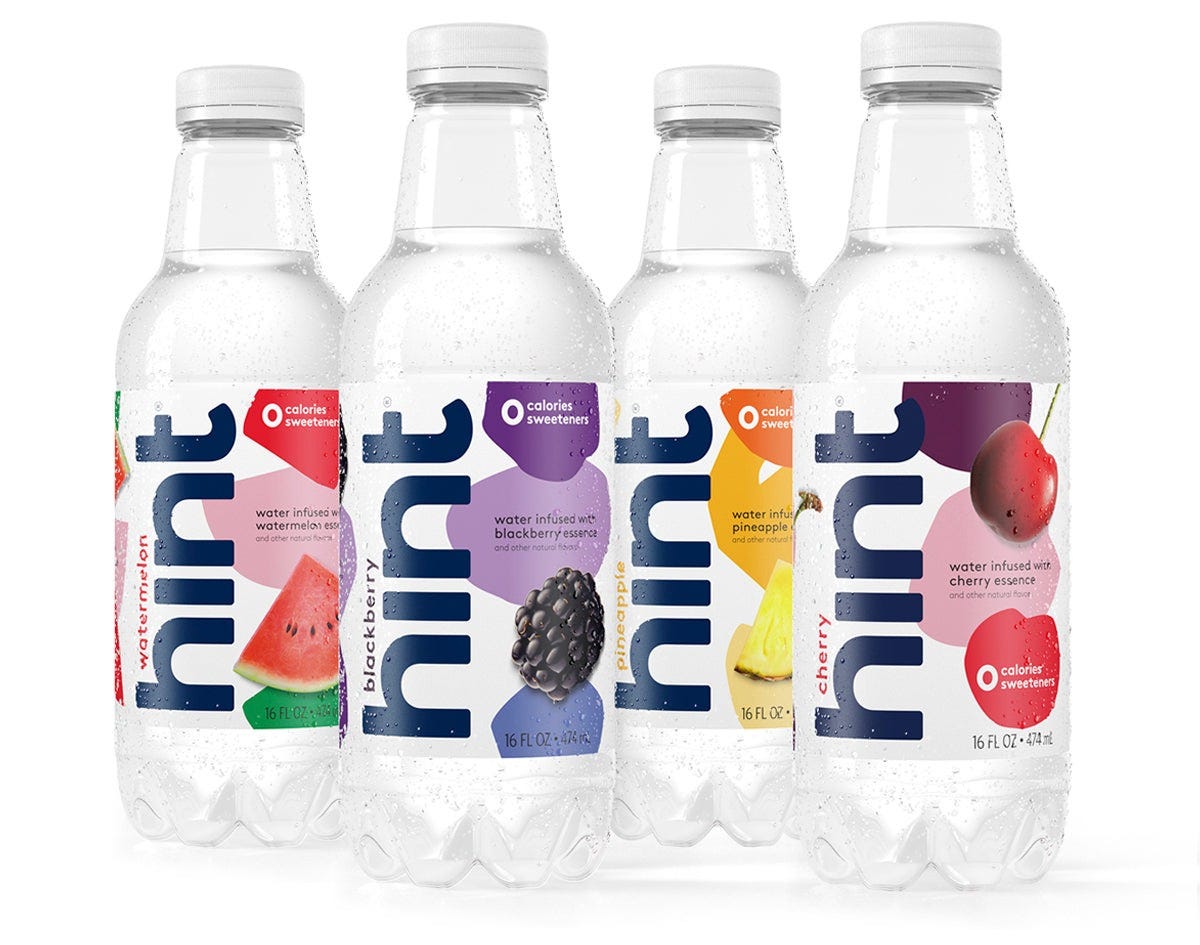
Hint attacked soda and diet soda from the other side: unsweetened, lightly flavored water with no sugar or sweeteners, and packaged like a lifestyle brand. Kara Goldin developed Hint in 2004 at home in San Francisco, then formally launched the company soon after, eventually bringing on her husband, Theo Goldin, as co-founder. Hint was one of the first beverage brands I can think of that drove meaningful DTC impact.
➡️ Now, I can’t speak to internal details, but Kara is one of two female founders on this list who was removed from her post (coincidentally around the same time), and as a result, the company has not been the same.
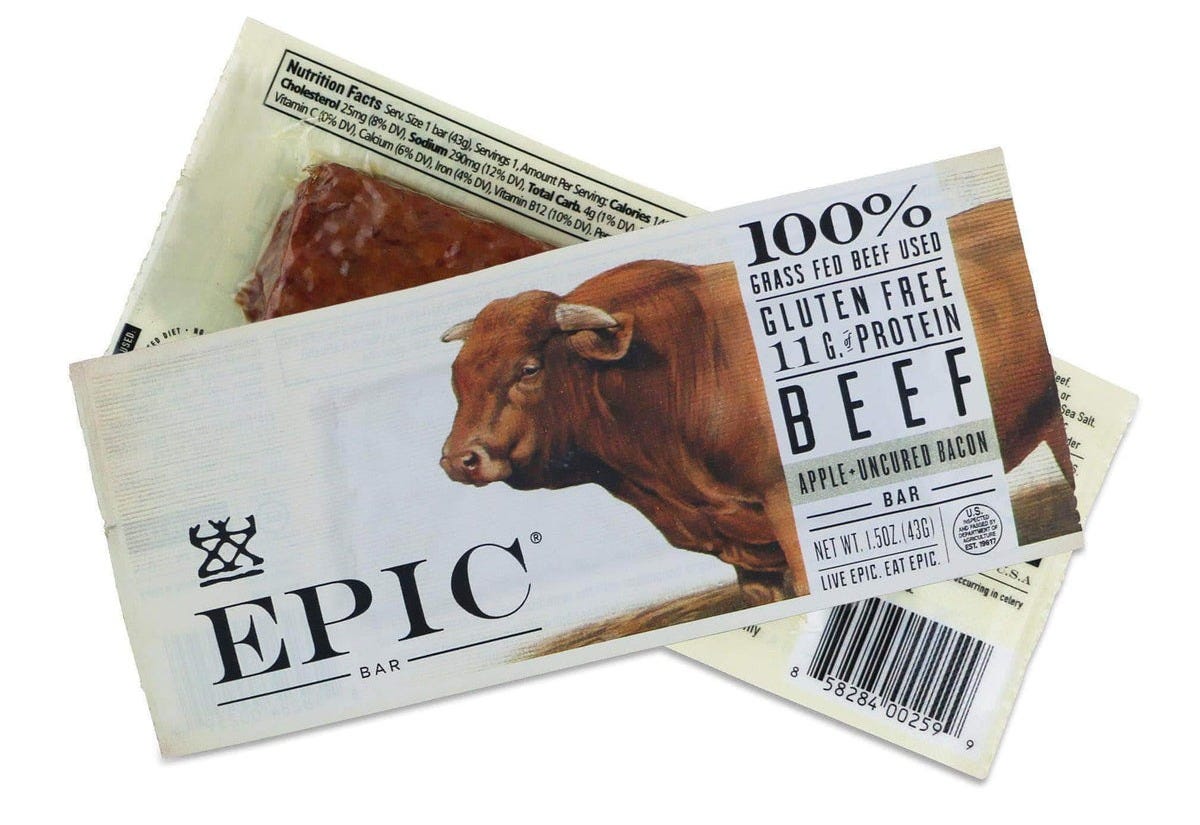
Epic helped make regenerative, grass-fed meat snacks a thing, reframing jerky and bars as nose-to-tail, ecosystem-positive protein.
➡️ This brand was so ahead of its time, and so many brands in 2025 owe a great deal of gratitude to Epic Bar for its vision and execution.
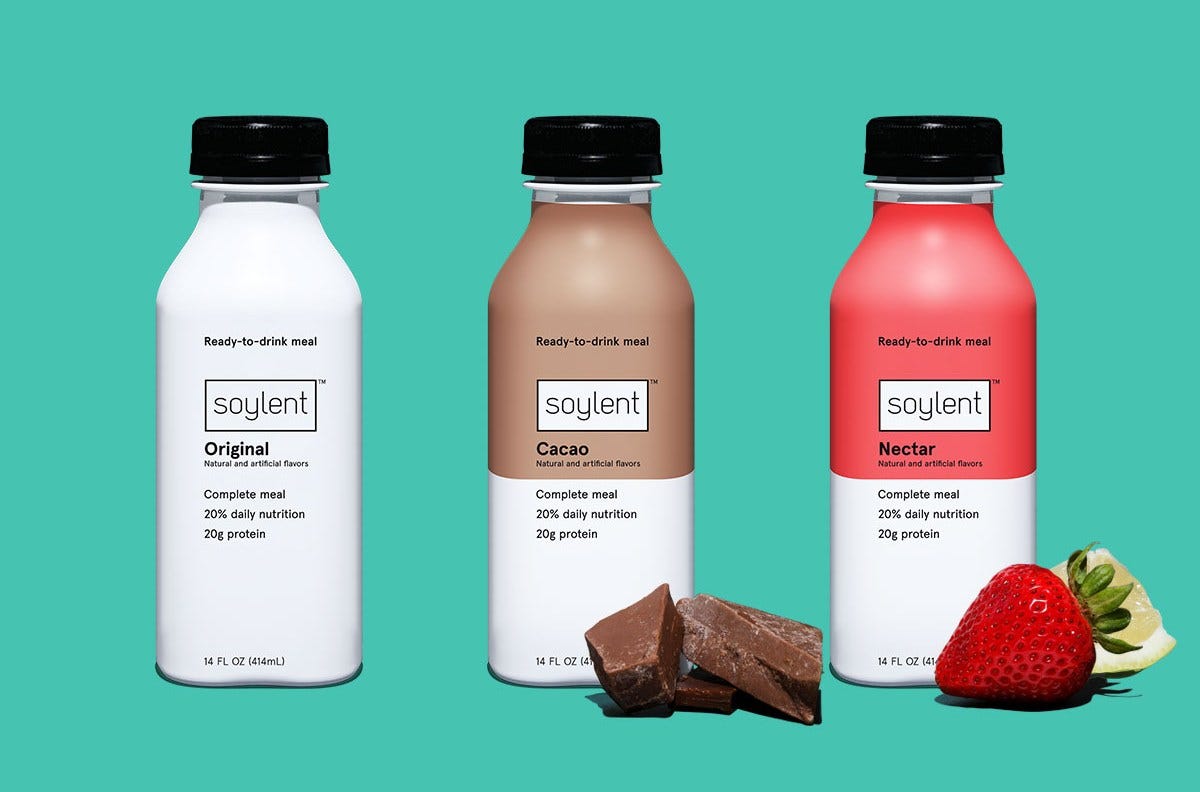
Soylent was the original Silicon Valley “meal in a bottle,” bringing tech culture’s obsession with efficiency to food and sparking an entire discourse on meal replacements. It was founded in 2013 in Los Angeles by Rob Rhinehart and co-founders, initially as a DIY powder.
➡️ Soylent predates Huel and edges them out in the rankings as a result, although Huel seems to be the leader of the two today.
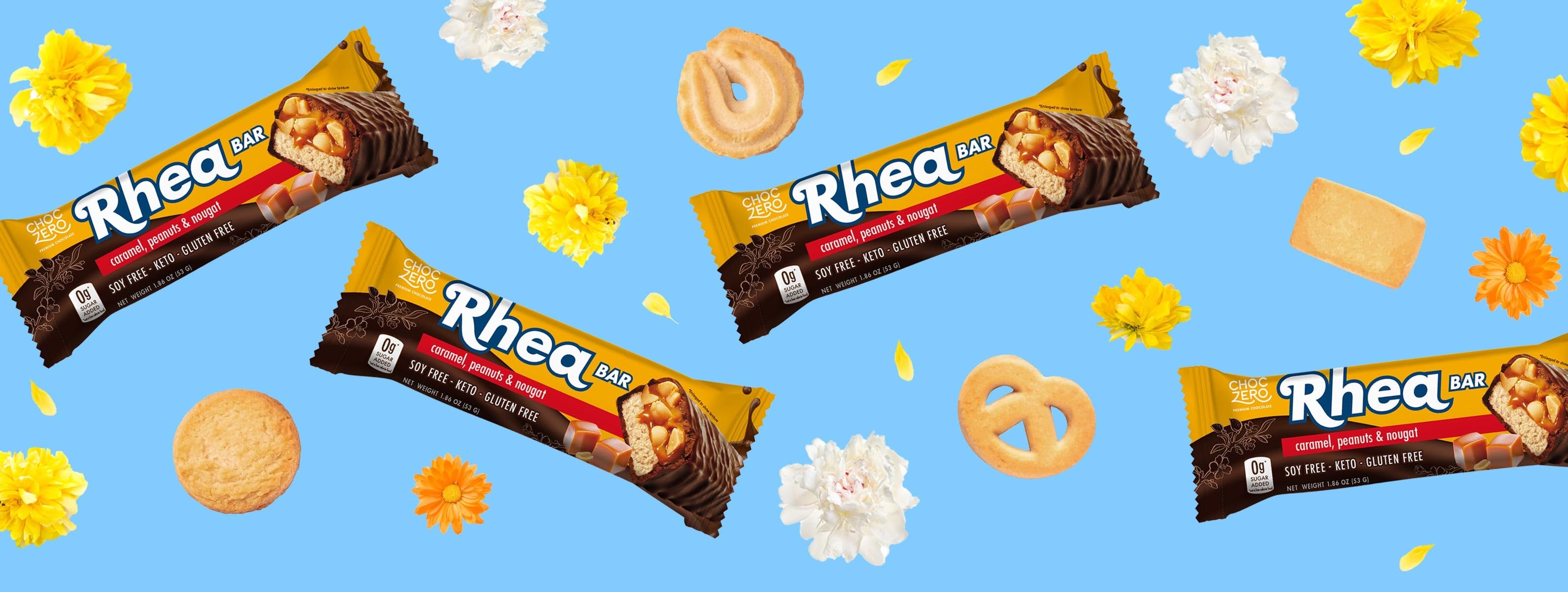
ChocZero is a pioneer and leader of the keto and low-sugar confectionery rocketship, offering chocolate and syrups without added sugar, and sweetened with alternatives like monk fruit. It was founded in 2016 and has primarily grown through Amazon and DTC, becoming a cult brand among low-carb consumers. The company remains privately held and independent, making it a long-running “better sweets” player. It’s important to note that their CMO, Rhea (her name is on their Snickers dupe), has run this brand nearly by herself and has helped launch what seems to be 100s of products to market. All of which are delicious and DO NOT HURT MY STOMACH.
➡️ I absolutely love this brand. And honestly, I wanted this to be in the Top 5. They should be. The only other brands that I can think of with this many SKUs and such mastery of product and branding are Trader Joe’s and Siete.
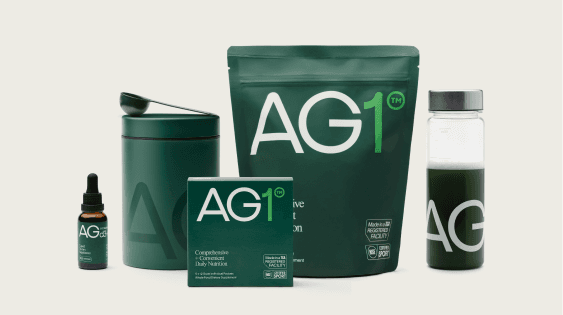
AG1 turned a single green powder SKU into a subscription behemoth, effectively owning the “foundational nutrition” narrative for high-income wellness consumers. The company (originally Athletic Greens) was founded in 2010 by New Zealander Chris Ashenden, who created the formula to solve his own nutrient-absorption issues.
➡️ This brand helped make greens mainstream. The SKU discipline and DTC chops are pretty impressive, but it is #13 on our list that I feel shaped this category in the early 2000s, which yielded the higher ranking.
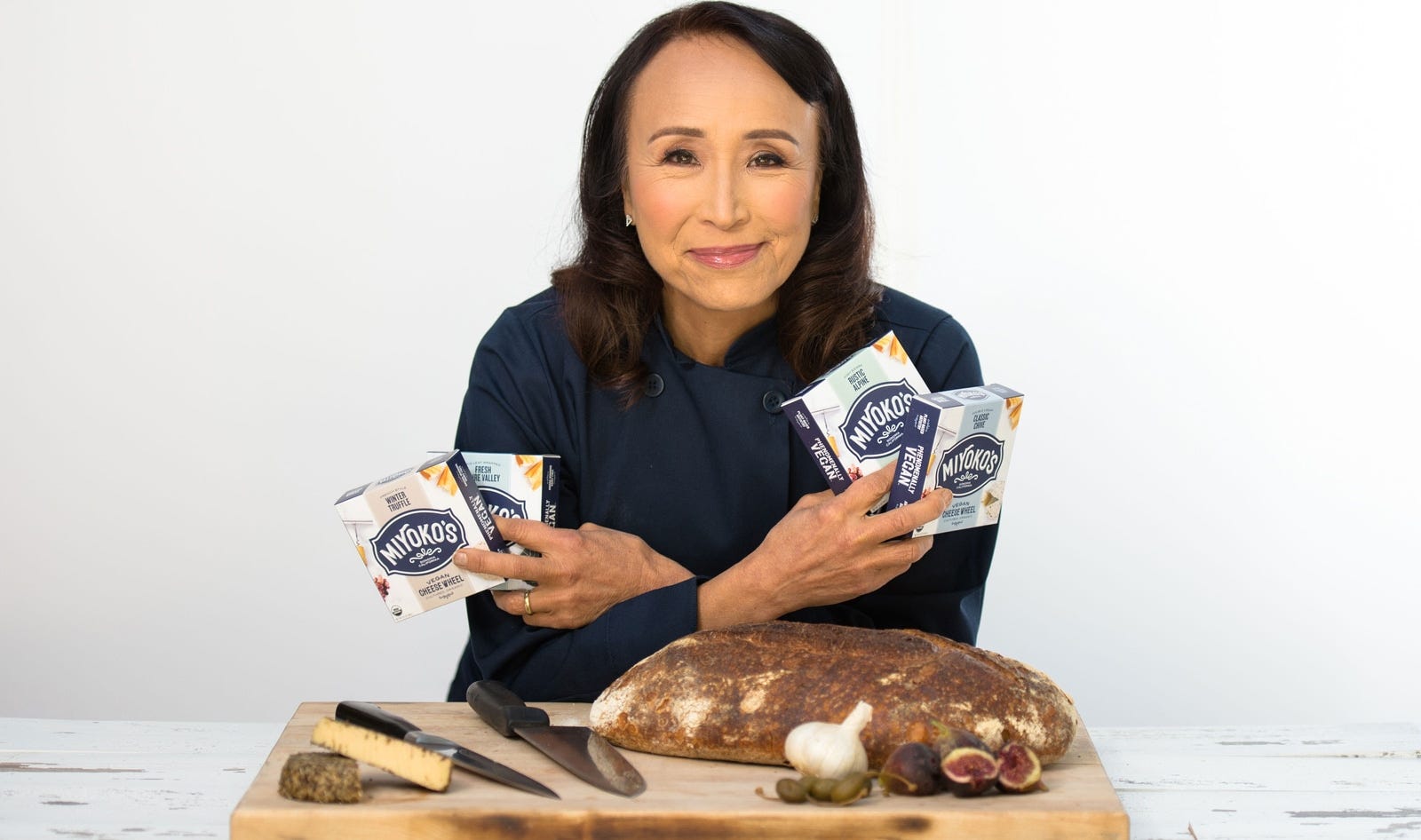
Miyoko’s helped define modern artisanal plant-based cheese and butter with cashew-based, cultured products and a strong animal-welfare narrative. Chef and cookbook author Miyoko Schinner founded Miyoko’s Kitchen (now Miyoko’s Creamery) in 2014 in Northern California. After rapid growth and VC funding, the company experienced governance and leadership turbulence; Schinner departed in 2023 following a legal dispute, and the brand continues under private ownership, focusing on plant-based dairy.
➡️ If I were a butter brand that won the Miyoko’s auction, I would have brought her back on to lead that arm of the organization. And at the very least…I wouldn’t have been mean to her. Do better.
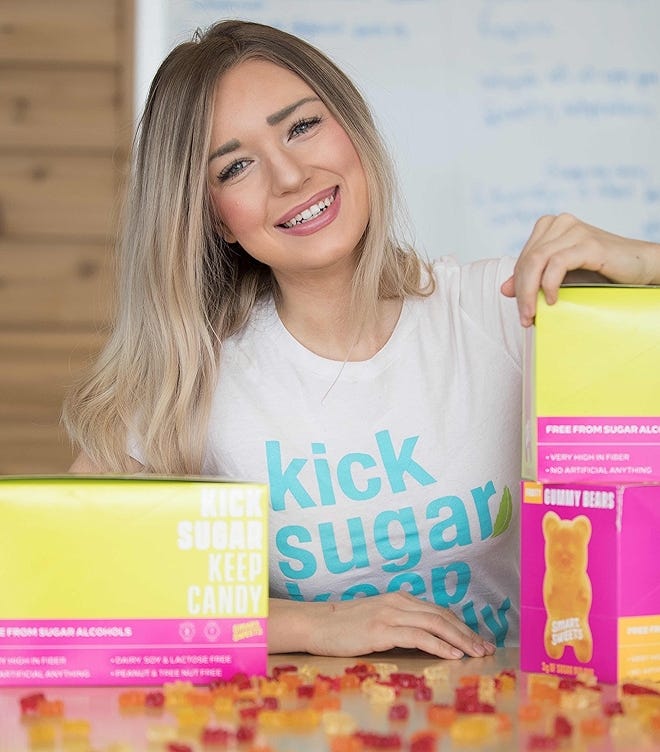
SmartSweets is a brand that truly disrupted a category with its “kick sugar, keep candy” mantra, brightly branded, high-fiber, low-sugar gummies that gave millennials their candy back. Tara Bosch founded SmartSweets in 2015 in Canada, experimenting with gummy molds in her kitchen before landing Whole Foods and other major retailers.
➡️ Brands like Project 7 (now Joyride) predated SmartSweets but didn’t have the lightning in a bottle to match Tara and co until they brought on Ryan Trahan.
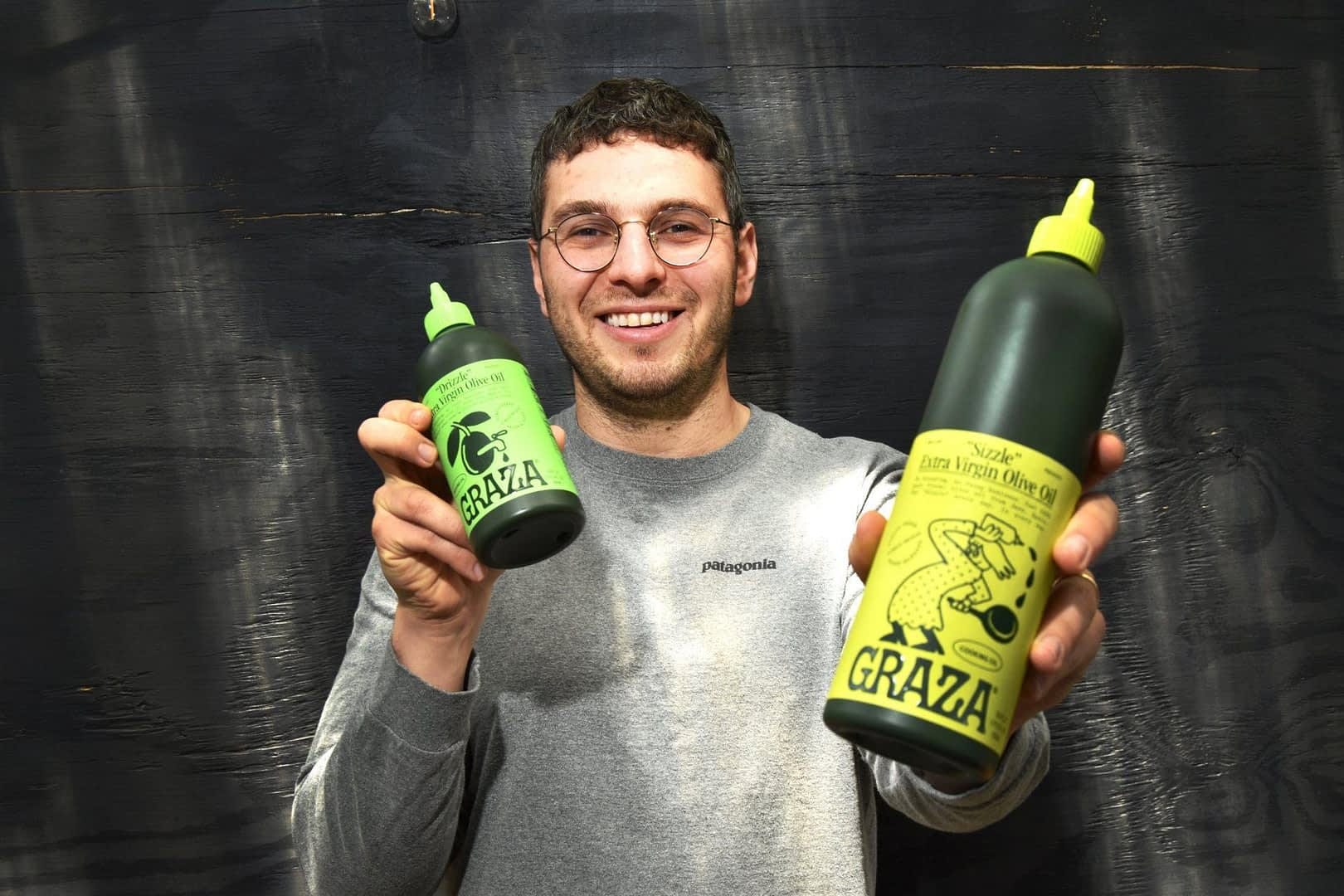
Graza turned olive oil into a “flex” pantry item with its squeeze bottles, approachable branding, and strong influencer strategy. The company was founded by Andrew Benin (ex-Casper, Magic Spoon) and partners, launching in 2022 with its Drizzle/Sizzle oils. Graza is still independent and fast-growing, and putting on a masterclass in “special projects” like co-branded products that are so good they could likely be companies of their own.
➡️ We get it. Graza didn’t invent squeeze bottles. But they sure as hell are the first olive oil I can think of to bring that disruption to retail shelves. Give credit where it’s due. This brand is fuegitooooo.
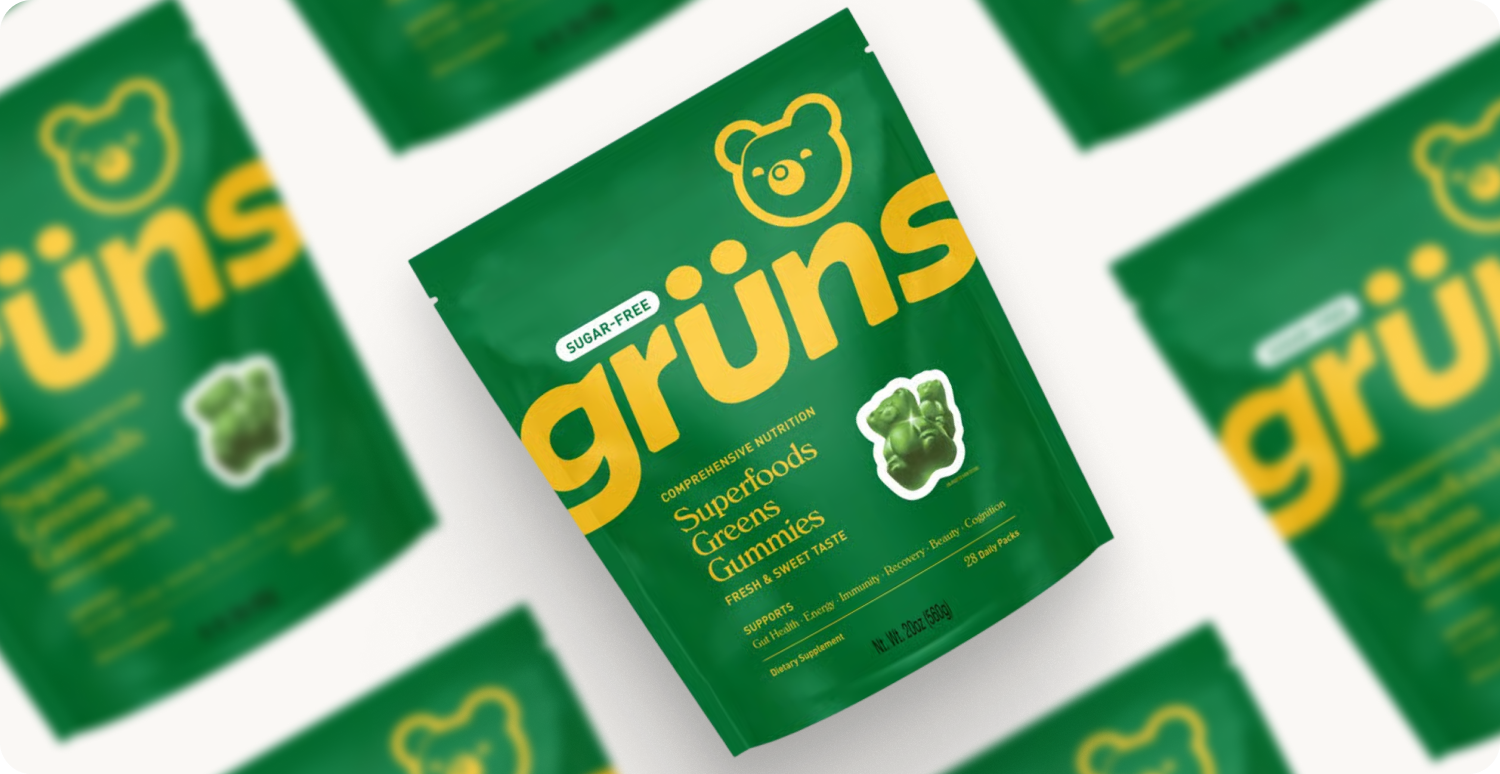
Grüns is the TikTok-native “greens as gummy candy” play, converting chalky greens powders into snackable pouches of high-fiber gummy clusters. The brand was founded in 2023 by Chad Janis and is growing at an unprecedented pace with grace and gusto.
➡️ This company has built a platform where they aren’t just owning greens, or comprehensive nutrition…they’re owning gummies as a whole.
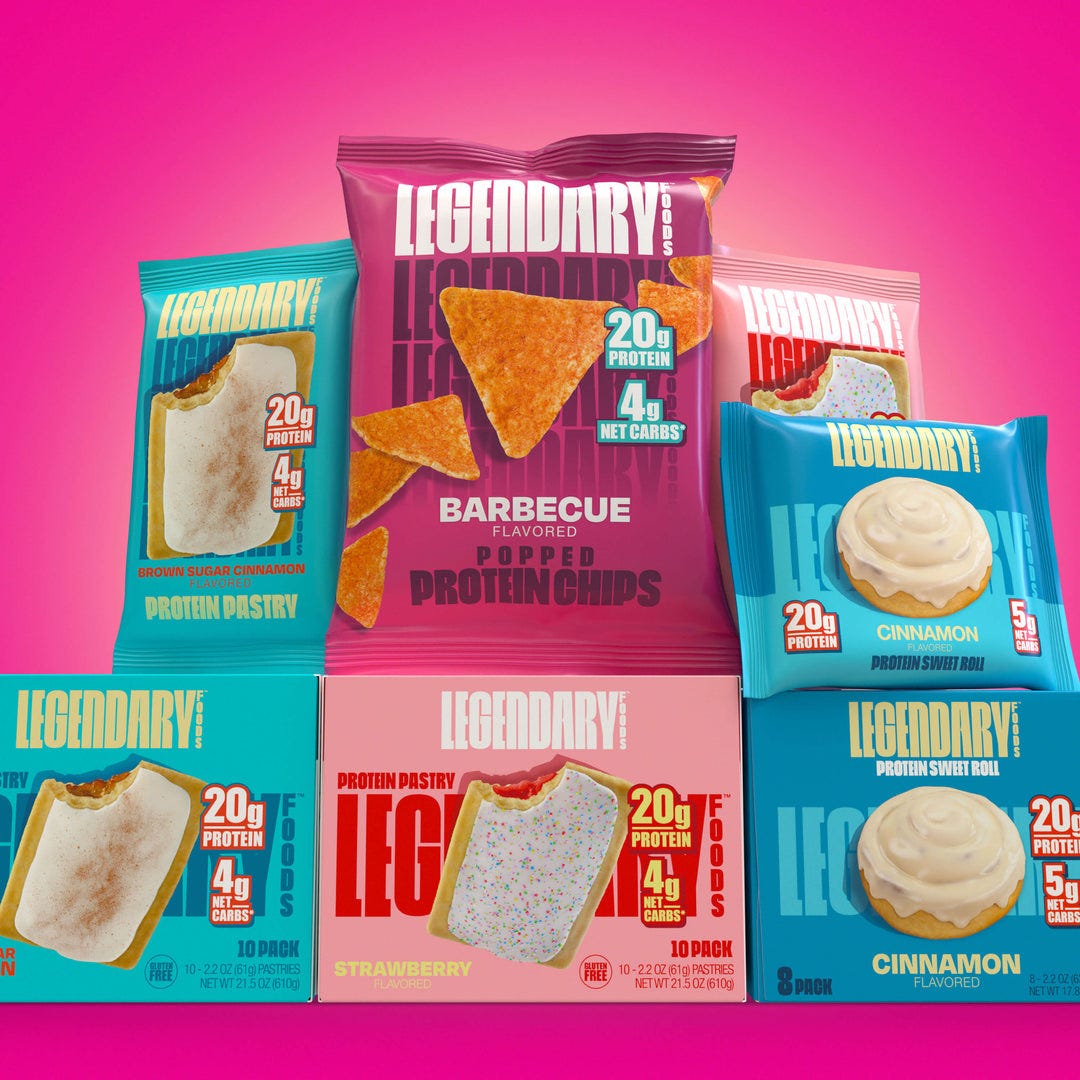
Legendary Foods is essentially Quest 2.0 for the next era of high-protein indulgence: pastries, donuts, sweet rolls, and other junk-food snacks engineered for high-protein, low-carb macros. It was founded in 2016 by Ron Penna, co-founder of Quest Nutrition, as a separate, privately held company. Ron was under a non-compete at the time and launched with flavored nuts and nut butters to get the ball rolling on his next chapter. Legendary remains independent and has become known for its high-protein toaster pastries and snacks distributed across specialty, e-commerce, and mass channels. Legendary is slated to launch Mac & Cheese cups in early 2026.
➡️ Legendary has brought on former Quest Nutrition Creative Director, Maca Masse, who has turned the visuals into works of art over the past couple of years. It is Maca who, I imagine, helped guide Legendary into their new positioning as The Protein Company™.
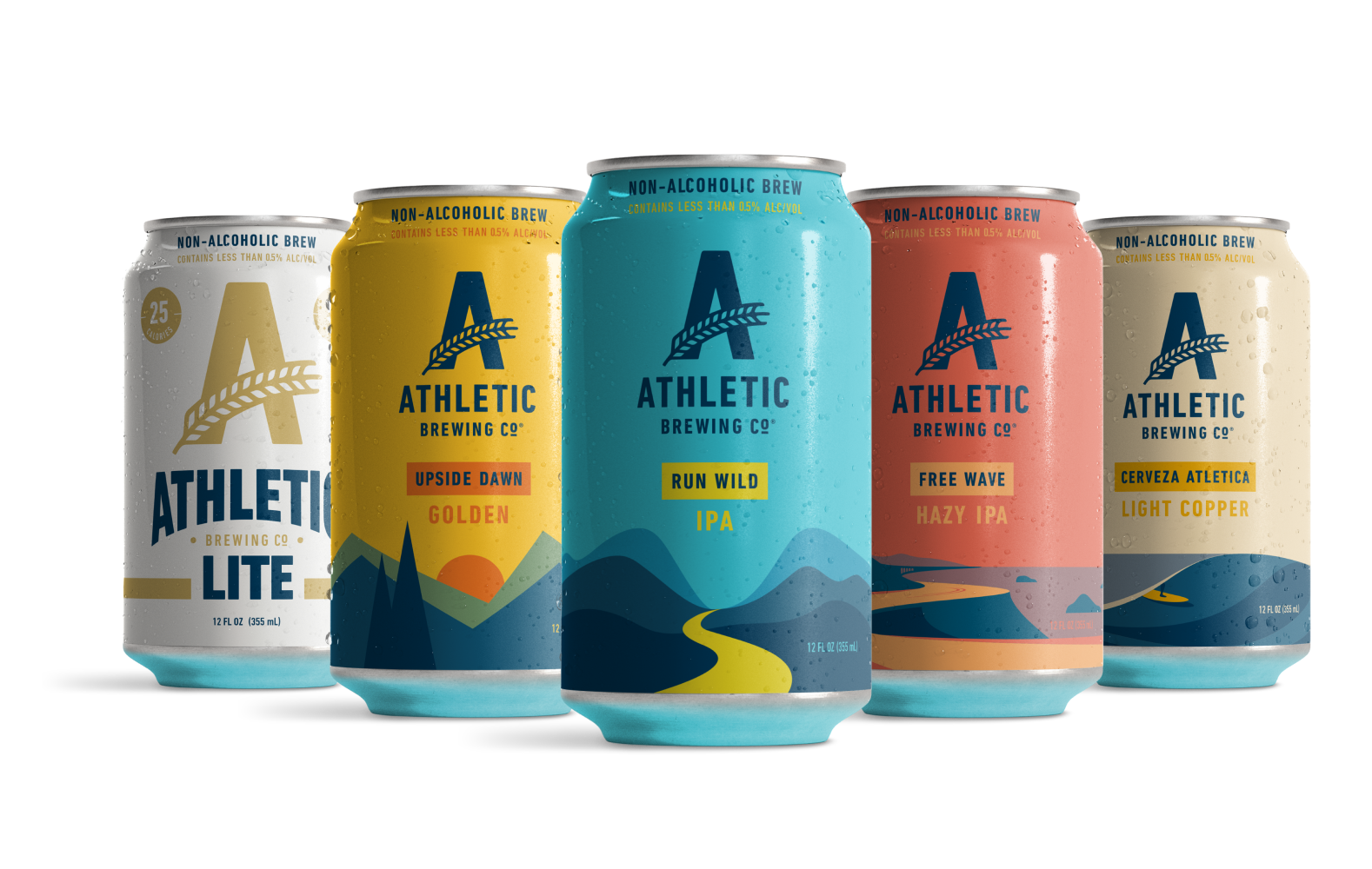
Athletic Brewing made non-alcoholic beer aspirational instead of apologetic, giving craft beer fans IPA-level flavor at 0.5% ABV or less. It was founded in 2017 by Bill Shufelt and brewer John Walker in Connecticut. The company is still private, though Keurig Dr Pepper took a minority stake in 2022, signaling Big-Bev recognition of the NA craft segment.
➡️ Athletic Brewing is THE main driver for where NA beer is today. You’d be hard-pressed to find a brewer that doesn’t allocate a meaningful amount of resources to its low/no-alcohol line.
Bloom Nutrition → Bloom has become a breakout brand and has succeeded in multiple categories, but I don’t think it has truly innovated beyond entering an existing segment and dominating it with operational expertise and a huge community, as a talent-led brand.
Nutpods → Nutpods was the very first better-for-you creamer that I can think of. And it tasted so damn good. But after the acquisition, I can’t definitively say that the ingredient stack remained the same.
Real Good Foods → Their chicken-crust pizza was an innovation that shook pizza lovers near and far. They’ve since pivoted and focused mainly on high-protein, low-carb options. But their real claim to fame was breaking the stigma surrounding frozen foods (along with Daily Harvest) and re-inviting customers to the center aisles with metabolically sound options. I ran their first national campaign in early 2017. A 2200-door Kroger launch with a brand campaign titled “Bringing Frozen Back.”
Caulipower → Caulipower helped bring cauliflower-based frozen foods into the mainstream, starting with its breakout cauliflower crust pizzas. Although its predecessor, Outer Aisle Gourmet, was founded in 2013, Caulipower had a more sustained breakthrough.
Justin’s → Justin’s made premium nut butters mainstream through clean ingredients, inventive flavors, and on-the-go squeeze packs. The company was sold in 2016 and faded away into obscurity, but Justin Gold has returned as of October 2025, and their resurgence is imminent.
Thanks for tuning in to Part 1 of The 31 Most Influential Brands of the 21st Century (#31-#16). Tune back in next week for Part 2: #15-#1.
Building Perfy: a low sugar soda that doesn’t spike blood sugar, with a mission to eradicate cane sugar and high fructose corn syrup from the food supply.
I’ve also been running Growthbuster since 2017, a CPG and local marketing agency focused on food & beverage for humans and pets. We’ve worked with brands like Magic Spoon, Lemon Perfect, Outer Aisle, and more. We handle organic social, email, sms, as well as branding & consulting projects.
Comments
Nothing yet. Say the first thing.
Sign in to join the conversation.