
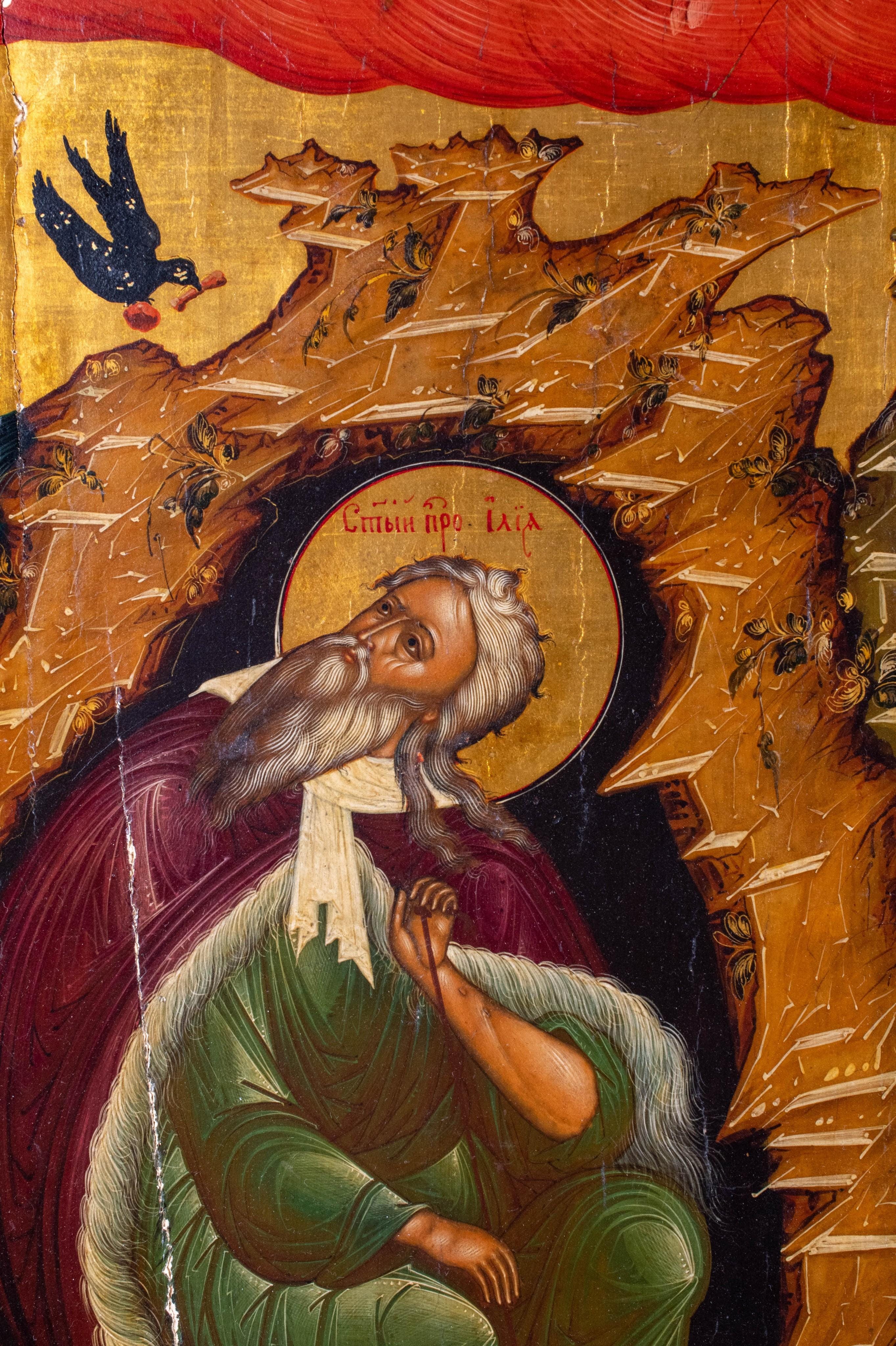
Saintliness is the most natural thing in the world. It is far more natural than the stench of rotting flesh. Both holiness and decay, however, are utterly ubiquitous in our world. Despite the fact that both are almost continually and universally present with us and relatively easy to identify, they are not equally visible. Decay, while it can be horrifically colorful, takes only a few tedious forms and is difficult not to notice—although we seek to hide it for the sake of hygiene and common decency. Strangely enough, saintliness takes a vast variety of forms and can be rather easily missed—despite our strong temptation to parade it (which renders it instantly false).
To be clear, what is more natural does not come more easily to us or require less work. We have to work hard to be natural and not to decompose. It seems obvious, but decomposition is the result of inaction. Despite its difficulty and illusiveness, many around us every day do achieve holiness in large and small ways because it is what all of us are made to be and do. There are over 10,000 recognized saints in the Roman Catholic Church (which maintains centralized records) and 4,500 to 7,000 in the Eastern Orthodox Church (where records are spread out over multiple jurisdictions in a far less systematic way). Both churches insist that recognized saints are far from the full count as the glory of every saint is to go unrecognized by anyone other than their God. What does it take to notice the holiness surrounding us, and how is saintliness the opposite of corruption?
Comments
Nothing yet. Say the first thing.
Sign in to join the conversation.