
Global food systems create 25 to 30 percent of our greenhouse gas emissions. Pretty significant, right? That means our kitchens are places to live sustainably. Let’s get into it!
First, some background: Food’s greenhouse gas emissions come from land use, agricultural production, food processing, transport, packaging, retail, cooking, and waste. Our World in Data has an excellent breakdown, in which you can see that the biggest greenhouse gas emissions comes from land-use and agricultural production.
The food in your fridge tells a complex story, but the summary is this: our choices around food matter.
Here is one truth about food that I wish everyone knew: You don’t have to be vegan or vegetarian to eat more sustainably.
Hear me out. Being a vegan is one of the most effective things you can do for the environment. Vegans—like my sister—have reduced their diet-related greenhouse gas emissions by 49% and their diet-related land use by a whopping 76%! Vegetarians have reduced their diet-related greenhouse gas emissions by 35% and their diet related land use by 64%. But don’t get too smug vegetarians (looking at myself), cheese is more carbon intensive than pork, poultry, and farmed fish. Turns out, cows really contribute to climate change and deforestation.
Here’s another truth: While 22 percent of the global population are vegetarians (mostly by necessity) and 1 to 2 percent of the population are vegans, most people eat meat and will continue to do so. But—good news!—Diet doesn’t have to be a flip; it can be a spectrum.
Just like we don’t need a handful of people doing zero waste perfectly, we don’t need a handful of people doing food perfectly. We need all of humanity eating a more plant-forward diet. That’s why I’m so excited about products like oat milk and Beyond Meat burgers. They’re fast, widely-available, and approachable, and people who aren’t vegans or vegetarians can easily incorporate them into their diets. And let’s not forget, there have always been cuisines that are plant-forward and highlight vegetarian proteins like tofu, tempeh, and lentils. Eating a plant-forward diet can (and should) be delicious!
Climate Action: Embrace a plant-forward diet. If you’re a vegetarian, think about a place where you use a lot of dairy and swap it out for a milk-substitute. If you’re an omnivore, incorporate Meatless Mondays into your life or try swapping out hamburger patties for Beyond Meat patties. And if you’re vegan, carry on!
Here’s how it looks in my food imperfect household. I’m a vegetarian who has intentionally replaced the dairy in my daily coffee with oat milk. (After a lot of trial and error, I’ve found Oatly Original tastes most neutral.) Since oat milk is already in the fridge, I’ll occasionally use it when cooking, but not always since I want my vegetarian daughter to get her calcium. My husband also uses Oatly in his coffee. In addition, he’s an omnivore who is more likely to eat a Beyond Meat burger than a beef one and who knows how to fry tofu so that other omnivores crave it, but when he does eat a burger or chicken, he enjoys it. Conscious swaps matter. According to the Global Nutritional Report:
Dietary changes towards more plant-based diets have been identified as the most efficient way of reducing the greenhouse gas emissions of the food system.
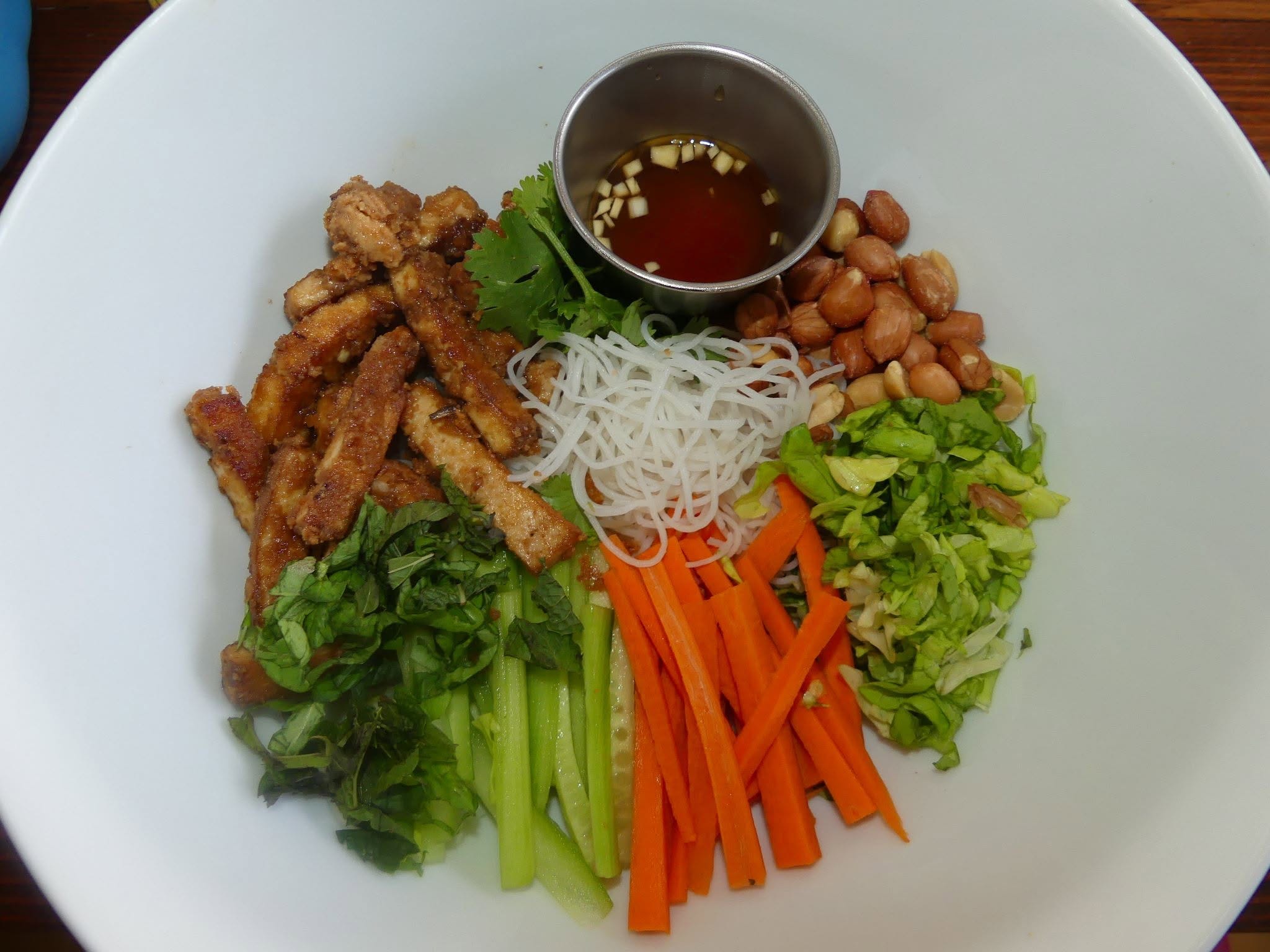
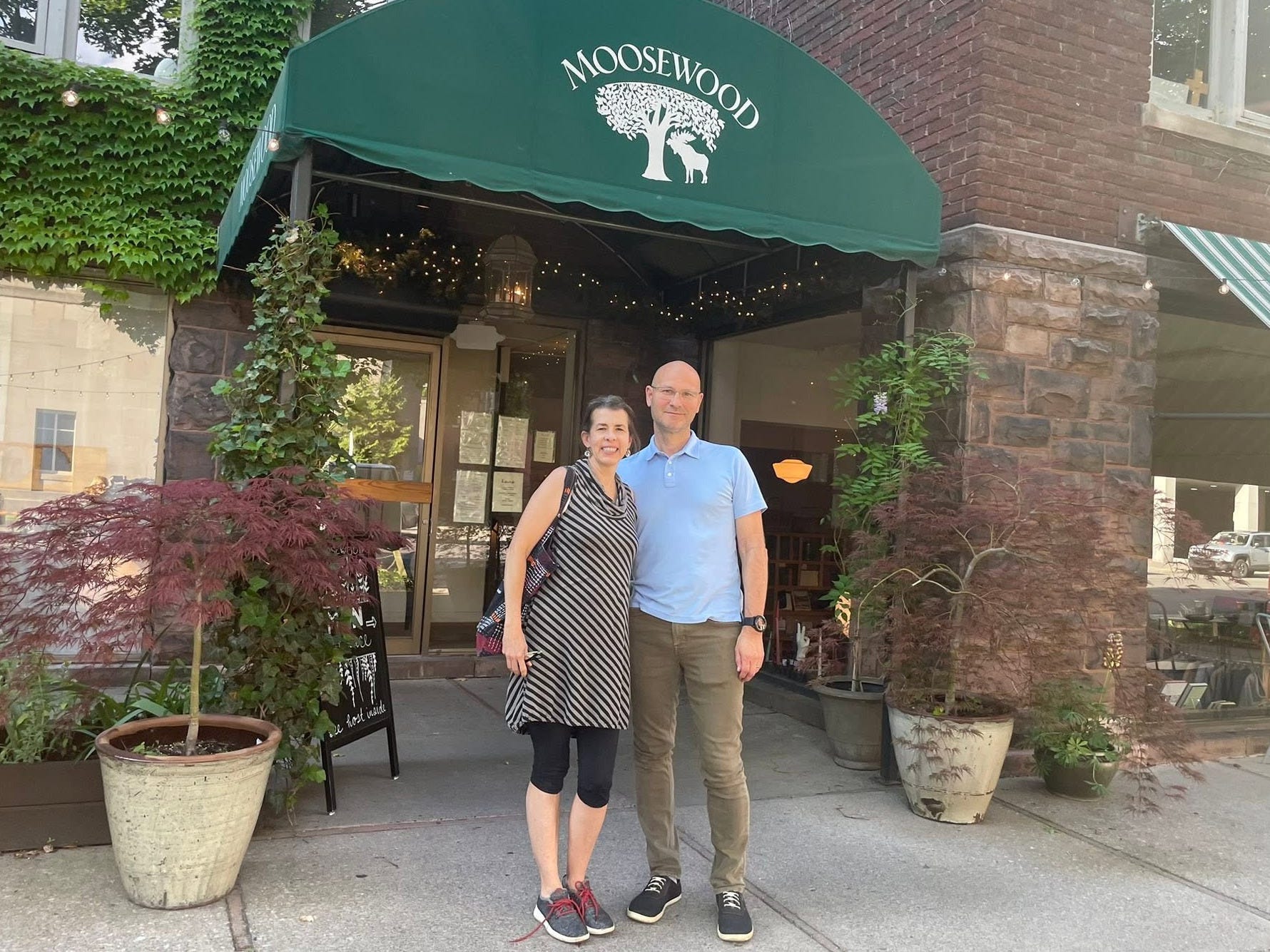
This month, our family ate at Moosewood, a plant-forward restaurant in Ithaca, NY. They offered a few meat items on their menu, but mostly vegan and vegetarian dishes, which makes them pretty unique. If you’re a vegetarian eating at a non-vegetarian restaurant, you’re usually limited to one or two entree items. Hello again, portobello mushroom burger! It was fun to see the script flipped. And truly, Moosewood is a great model for spectrum eating. Meat is an option, but not the default.
As Michael Pollan noted, “Eat food. Not too much. Mostly plants."
Some trivia about vegetarianism, religion, and health: I was raised Seventh-day Adventist (shout out to all my SDA subscribers!) and while church rules allow some types of meat, Adventist food culture is definitely vegetarian. My mom, for example, ate a lot of salmon and reindeer when she visited her homeland of Finland, but raised her daughters as classic Adventist vegetarians. I have a deep knowledge about Loma Linda veggie meats (Big Franks are my hotdog of choice), lots of opinions about the best way to build a haystack, and ample experience avoiding Special-K Loaf at potlucks. The Adventist church promotes vegetarianism for health reasons, but as a kid, I valued the animal well-fare reasons and now, of course, appreciate the environmental ones.
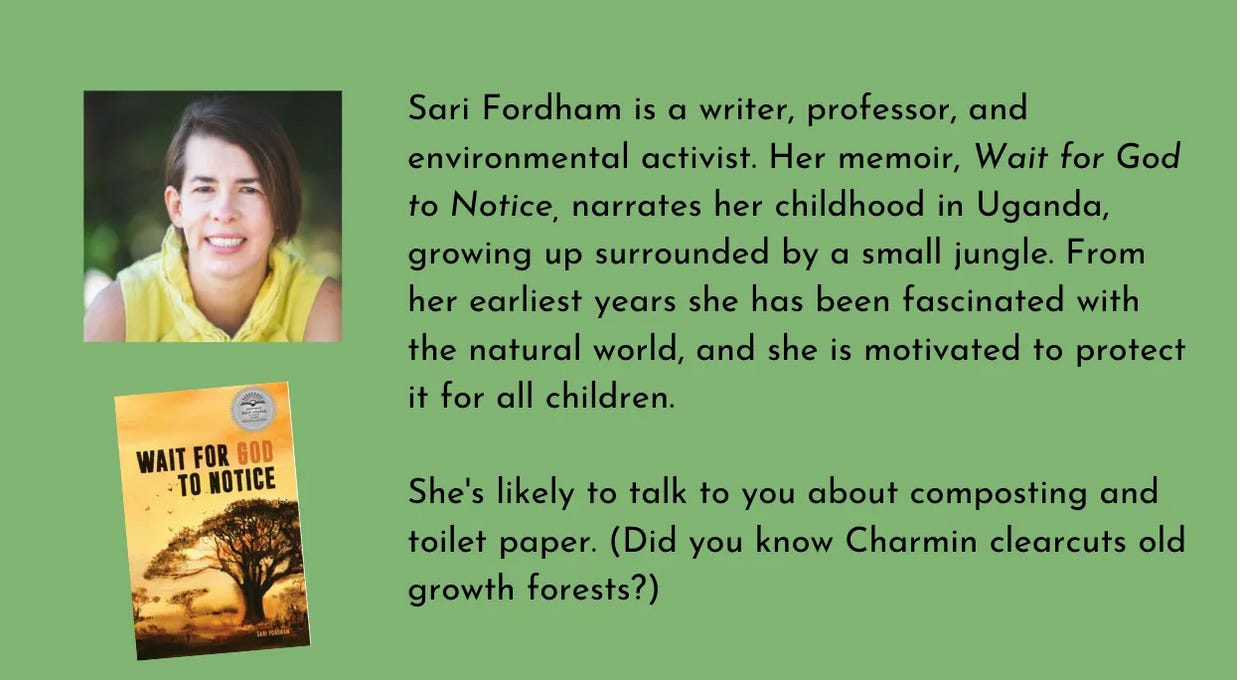
In my memoir Wait for God to Notice, I write about my Finnish mother and my Adventist background, as well as growing up in Uganda during Idi Amin’s dictatorship.

Link Roundup
My favorite plant-forward cookbook: Six Seasons by Joshua McFadden
Not a vegetarian cookbook, but one in which vegetables play a starring role. Joshua makes an argument for cooking with shoulder season awareness and puts ingredients together in surprising and delicious ways. My favorite recipes include: Roasted String Beans with Pine Nut Vinaigrette; Celery, Apple, and Peanut Salad; and Roasted Cabbage with Walnuts, Parmigiano, and Saba.
My favorite vegan cookbook: Big Vegan Flavor by Nisha Vora
Nisha not only has vegan recipes that excite non-vegans, but includes general tips for incorporating umami and acids. My favorite recipes include: Korean BBQ Sauce, Sticky Coconut Milk-Braised Tofu, and Sweet & Sour Tempeh Peanut Stir-Fry. I would buy this cookbook just for the Korean BBQ Sauce. I have it on repeat.
Three vegan recipes recommended by my sister Sonja, who is a vegan foodie:
What’s your favorite vegetarian or vegan swap?
Comments
Nothing yet. Say the first thing.
Sign in to join the conversation.