
Dear readers,
There are so many more of you! Welcome to all stick lovers and makers far and wide, I’m so glad you are here. It has been a year since I defended my masters thesis on craft ecology, a subject that I don’t think I have given proper attention to in the months since.
Craft ecology offers a framework to reduce our consumption and put material waste to use. It looks like:
sourcing our materials communally, locally, regionally, bioregionally, continentally
building relationships with intergenerational community
using our scraps or sharing with those who work at scrap scale
composting our materials when they can longer be used
Living with attention to our watershed, soil, and seasons
trapping plastics into useful textiles
gleaning trash and waste streams
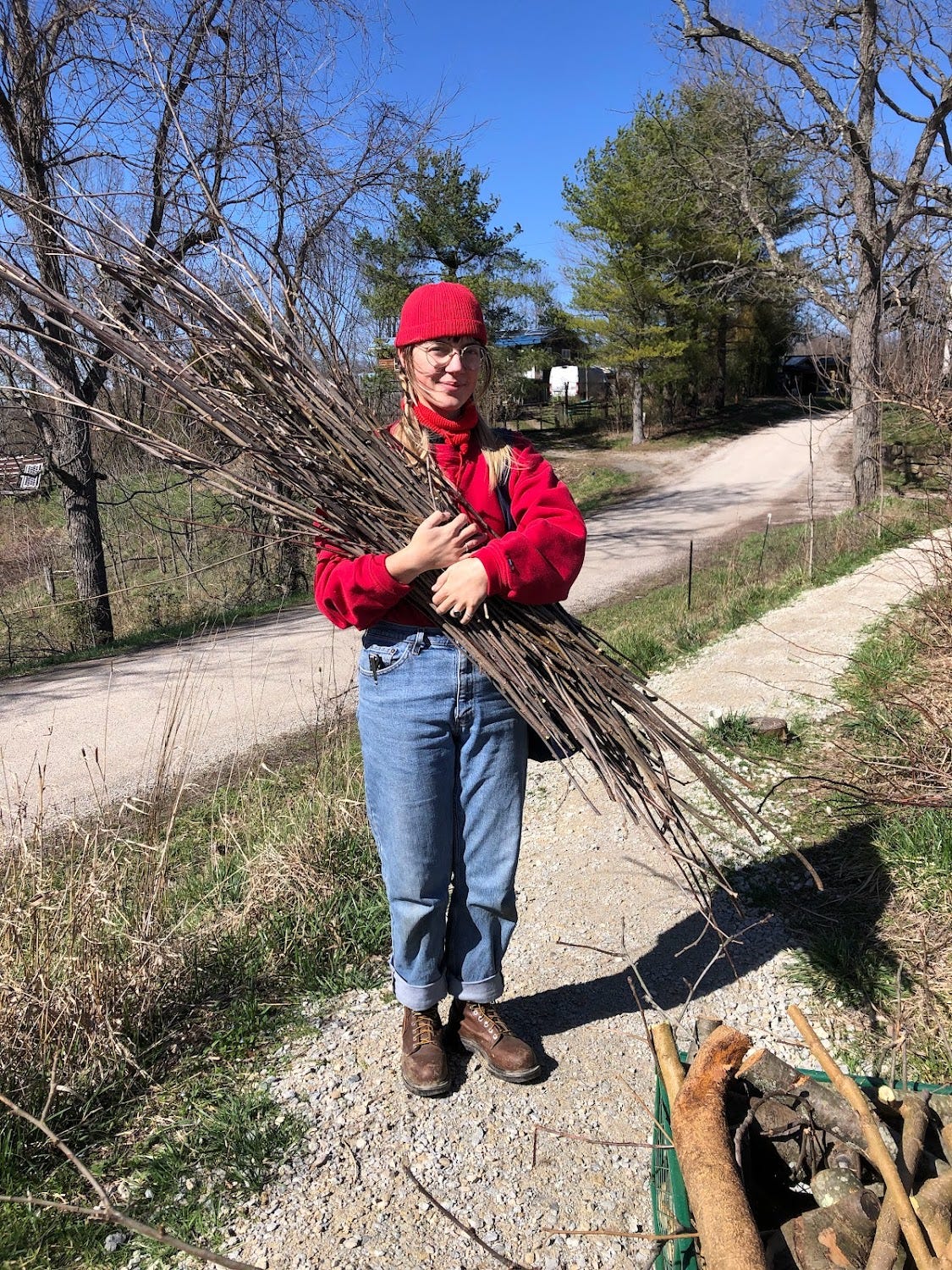
ever the gleaner and stick fan I am!
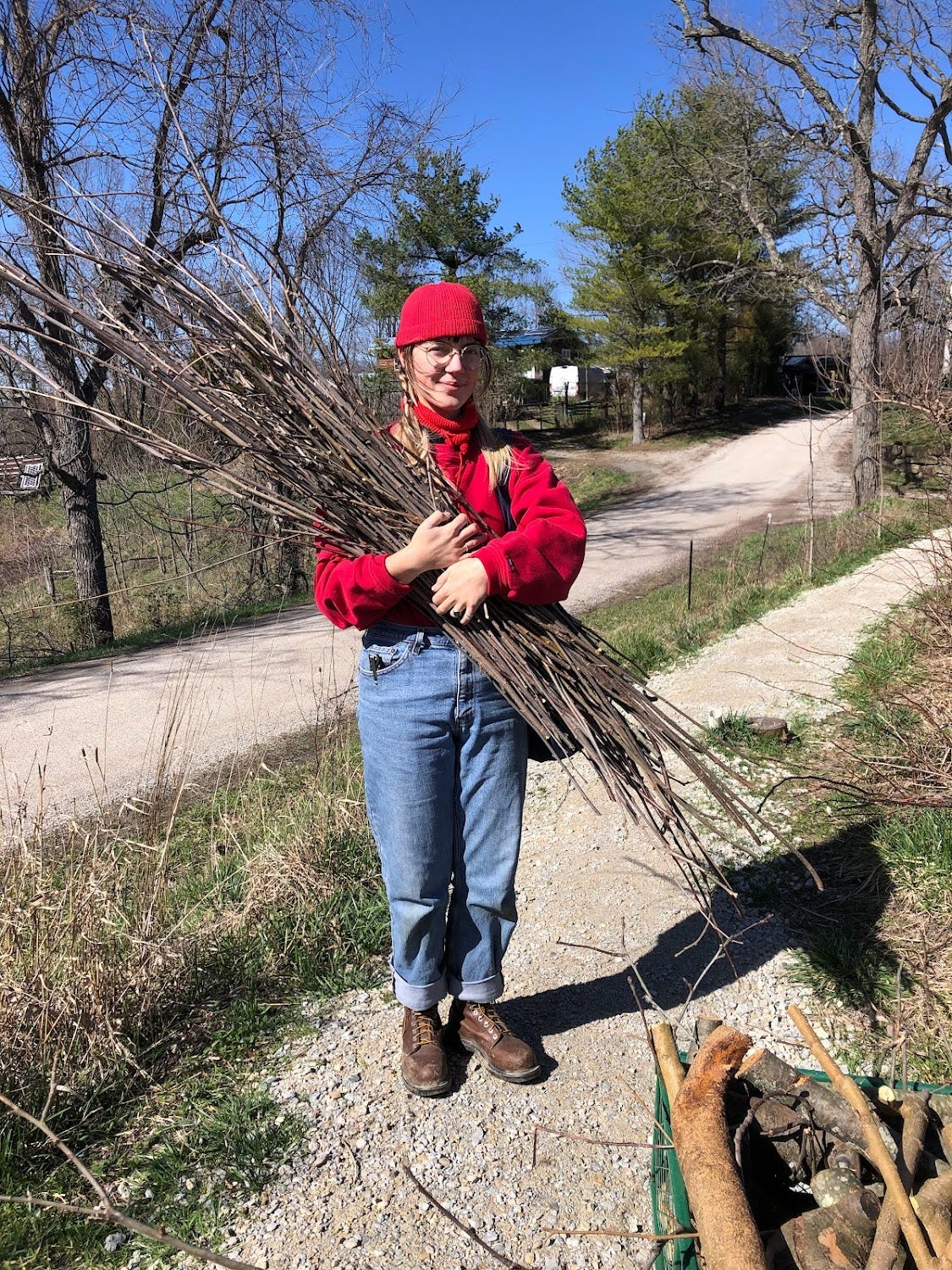
My goal is to compost my 50ish page thesis (written entirely in we/us tense) into a shorter reader and a much much longer book. I honestly haven’t opened the document since submitting it to the school (and applying to suppress the research because it is not close to ready). But now here is an excerpt for you:
We have come to use the term craft ecology to summarize the potential for craft as a practice to join a web of life relationships in ways that tend and care for our fraught ecosystems rather than further extract from them. This is what craft has historically meant.
In response to the cheapening of the materials of our lives, craft ecology, which is derived from indigenous knowledge and appalachian lifeways, may offer ways to engage outside of an economic system that remains extractive and disempowering.
Instead of participation in craft as it is colloquially understood (ie. through craft stores, plastics, buying new materials, individually creating for the sake of pleasure), craft ecology encourages the responsible foraging of materials from the margins of our built environments, the places where plants still grow despite our overgrowth. We offer different frameworks for integrating into nature, as we once belonged there and remain in our belonging, even if out of reach.
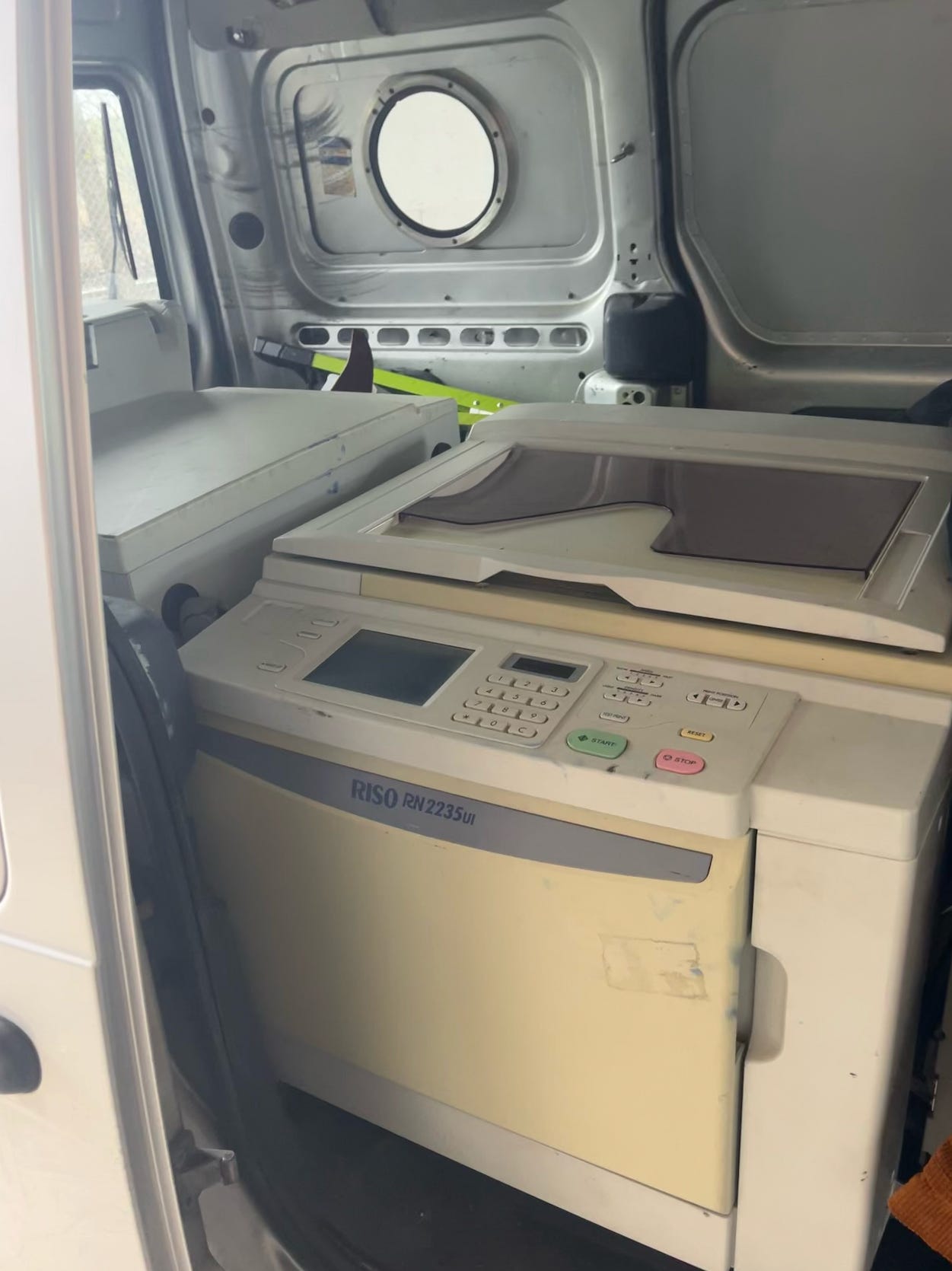
I am working on many other bits of writing that I hope will become physical with the recent rescue of a risograph printer from the former Columbus Printed Arts Center. Last week in the new van I ferried the printer to its new home at Tend Space in Chauncey under the care of my friend Len. Among the bits of writing is an old old collection of poems called ‘hopeful remnants’ that almost doesn’t feel relevant anymore, a songbook of my lyrics for my band Ah the World, a primer on craft ecology (the short text), and the following essay, a guide to the seasons. My hope is someday to offer a missive for paid subscribers that will mail monthly.
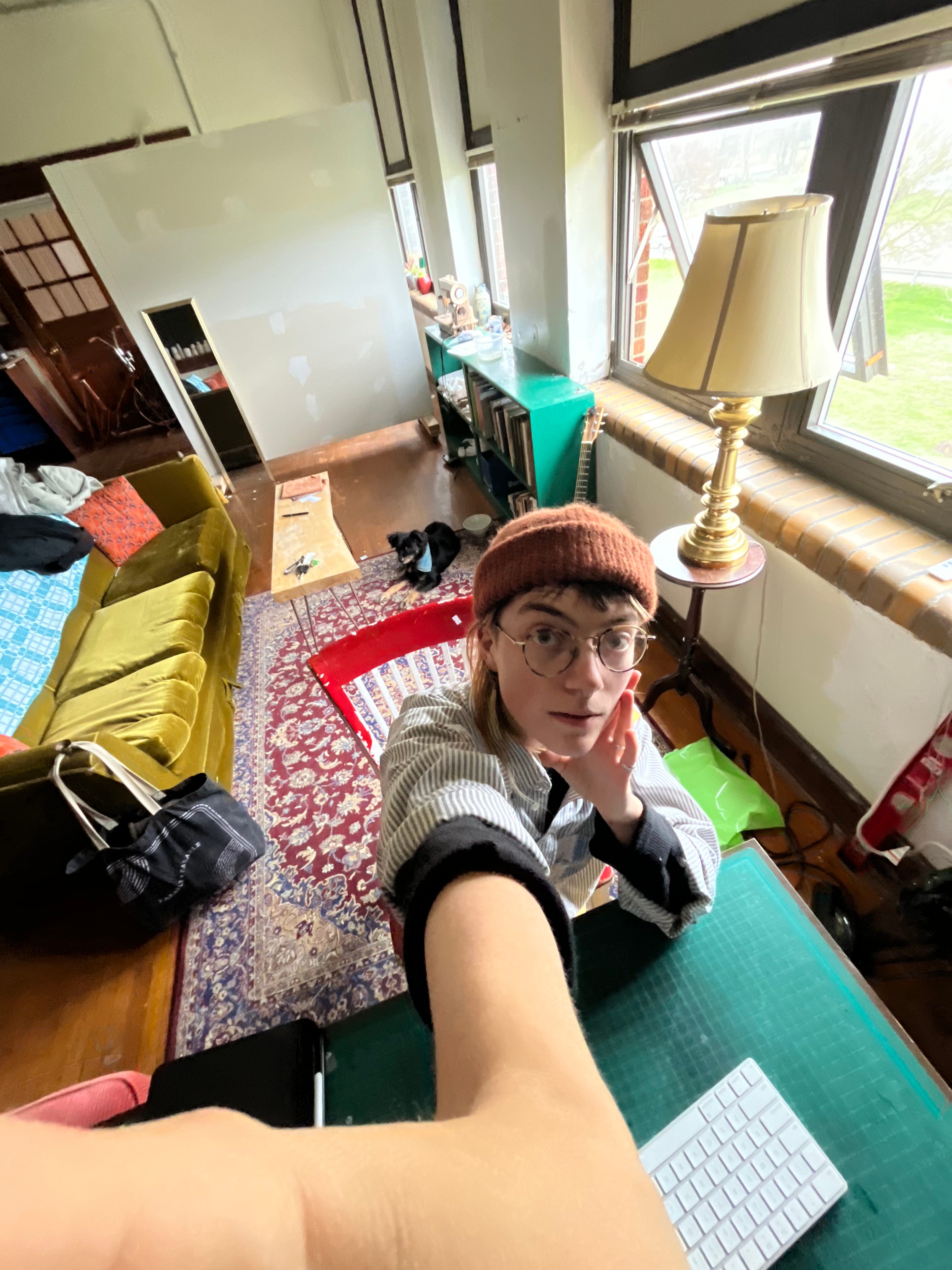
This is my own guide to seasonality in practice. It is deeply informed by my particular bioregion, the humble hills of Ohio. The work begins with a deep attention, small shifts in your yard, on your walk, commute, etc. This is the process by which we become grounded to place, to season.
March: mud.
The year begins in March, the light changing, a new world becoming. March is the end of the hungry times, the return of green, nutrient dense “weeds” to eat, the time for planning, of taking stock after the winter months. March is mud season where I live, where the edges of what is certain become gooey. Since the weather and light change, I have found myself intuitively pulled from quilting into wool washing, spinning and carding.
April: seed.
April is when our seeds sprout, gentle and delicate before they are hardened off. April is for enacting plans, putting pieces into place, for sorting, building infrastructure, making and sourcing needed tools. Our rain barrels collect and fill from the abundant downpours, our things get moldy, we air them out. Rainwater is collected and stored best in our landscapes, in trees and in cat litter containers from friends for dye pots. The modern approach to water management is counter intuitive (move it away as fast as possible and flood creeks and rivers in the process).
May-November:
As yet to be determined! I have been noticing these rhythms in myself for a few years but each cycle of the sun makes them stronger and more certain. Sheep are shorn in May. A time for shedding and planting. Ceramics call me in the summer to work outside in the shade with the cooling mud (pieces dry so well in humid heat!).
December: bone.
The season of dropping temperatures, raised expectations, obligations and a hollowing.
January: stick.
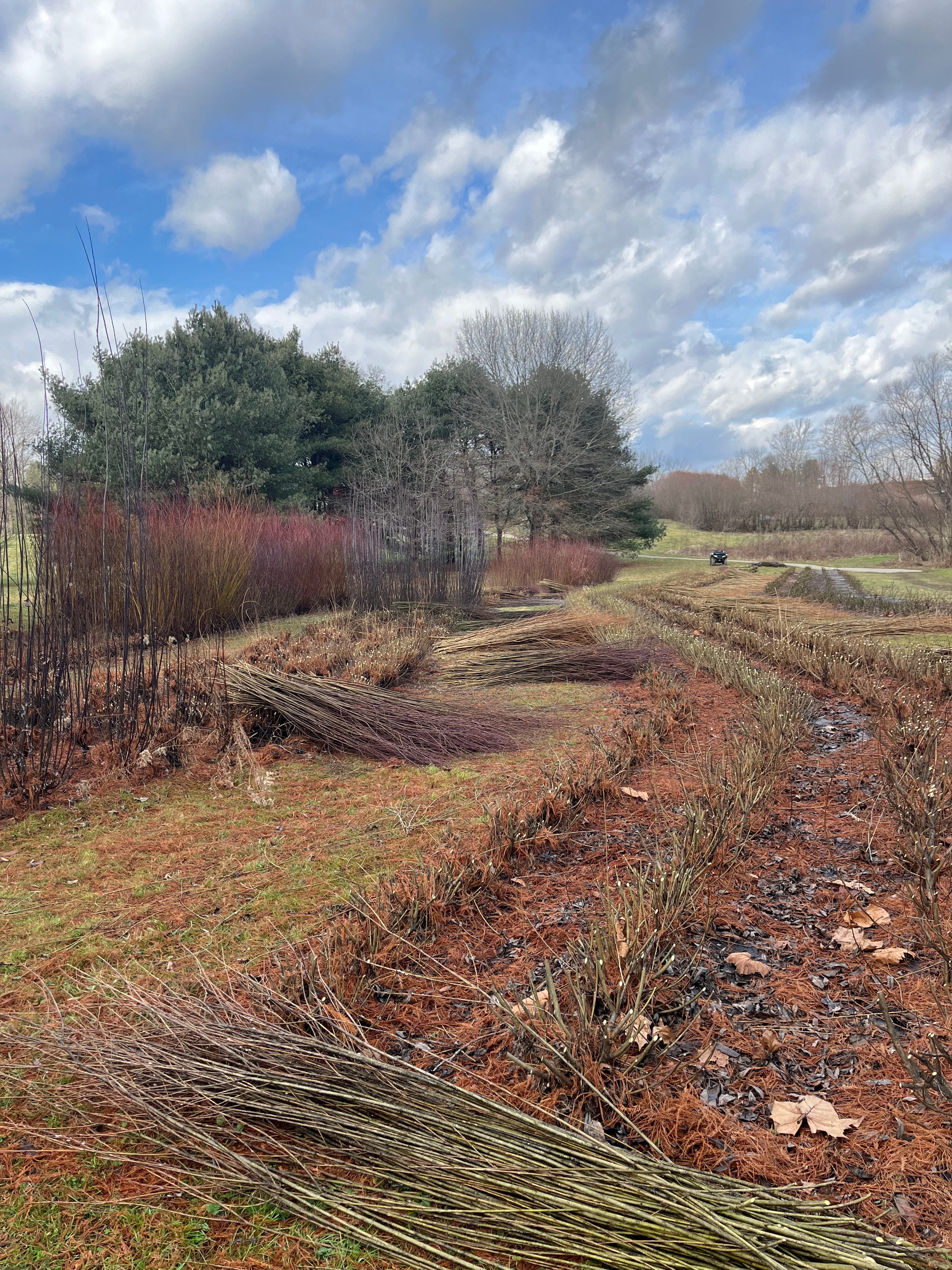
January is the season of the willow harvest, the time when sticks are best gathered for weaving baskets, when oaks and orchards are pruned to prevent disease. I was deep in many knitting projects on the long cold nights of January this year.
February: sap.
The trees indicate the time for slow movement. The sap begins to flow and is tapped in a good year. The sap is boiled, wool is boiled, fabric is mordanted in preparation for a year of dyeing from plants ahead (and from the boiling our homes stay warm and humid against the drying air). Loose ends are woven in, items mended.
The work is still unfolding. This is my earthy astrology, taurus that I am. I hope to work with Len on the risograph soon and get these things in production. But, after all, there’s a season for that too. I’ll leave you with a bit more of craft ecology:
We write of the baskets made from honeysuckle vine and autumn olive, mimosa and kudzu, salvage fabrics from decades of hyper production, cordage from nettles and other roadside plants. We write of building from fallen lumber, scales of work that in community networks can eliminate waste by collaboratively sharing materials. We write of hotel sheets which are frequently thrown away in vast quantities. The relationship between craft and nature is a longstanding tradition. We are gleaners on the margins of the plastic world and fragmented ecology, weaving with the abundant materials of our regions.
There’s a beautiful song by Hello Emerson (a Columbus, OH band) that starts soft and builds to the refrain that repeats and repeats “there’s a first time for everything.” The world waits patiently for you to sink into it, noticing. Begin now,
Thanks for reading Meaning/Making! Please share it with a friend or fellow stick fan.
No posts
Comments
Nothing yet. Say the first thing.
Sign in to join the conversation.