
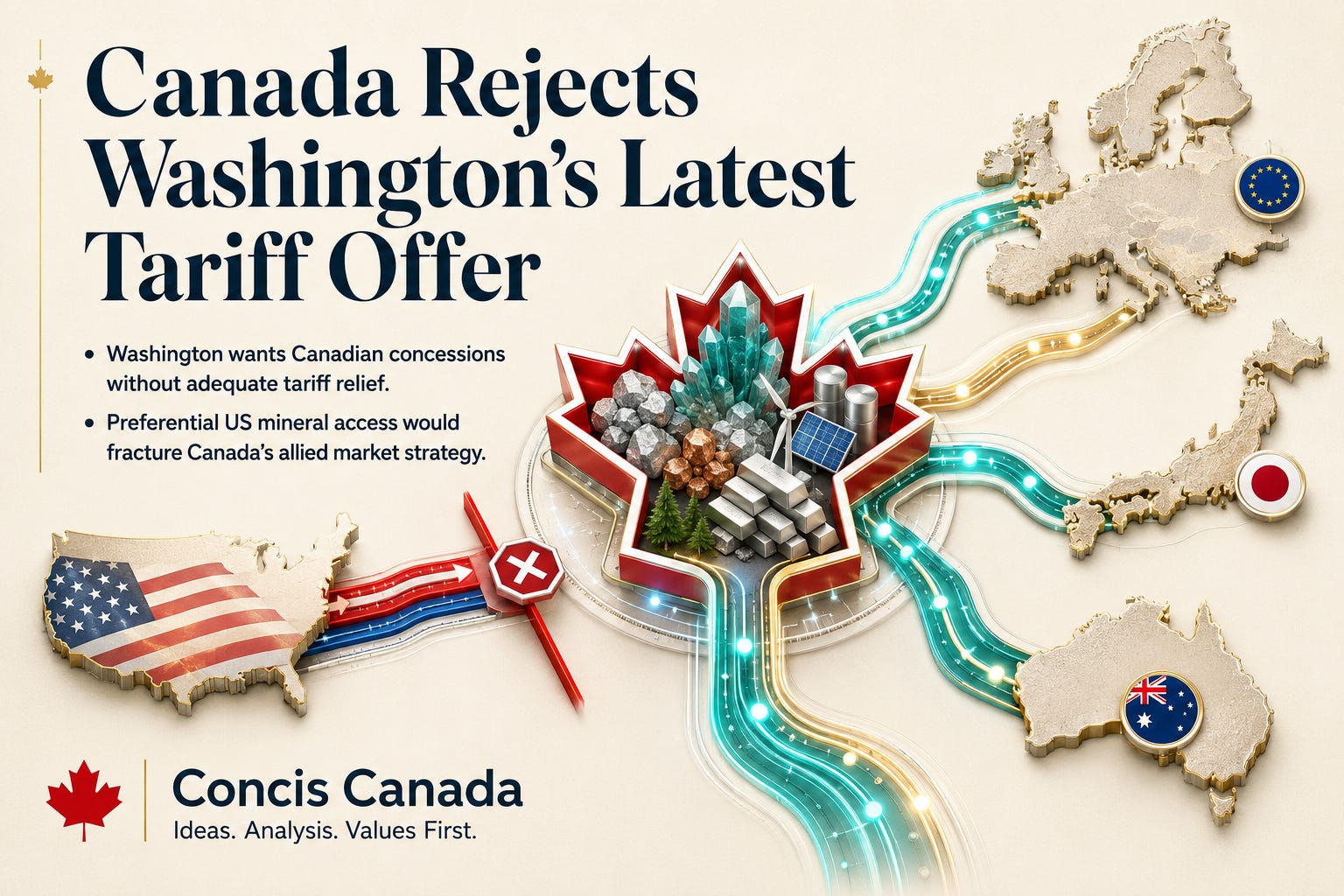
Washington has made its offer.
It is prepared to reduce some tariffs, but just not by enough to satisfy Ottawa. Negotiations are continuing daily ahead of the August 19 deadline, when Trump is threatening to impose 50% tariffs on nearly US$20 billion worth of Canadian goods—including products that comply with CUSMA.
The prospective bargain is becoming clearer:
Canada removes its retaliatory tariffs on US vehicles.
Canada accepts Washington’s interpretation of how dairy quotas should be allocated.
Canadian provinces return American alcohol to their shelves.
Washington reduces its existing tariffs on Canadian steel and aluminium and withdraws the measures scheduled for August 19.
The imbalance is difficult to miss. Washington wants Canada to dismantle much of its retaliation before offering adequate relief from tariffs the United States imposed in the first place.
Ottawa appears—correctly—to be resisting a bad deal.
Canada added 75,100 jobs in July, against expectations of just 16,500.
Unemployment fell to 6.4%, its lowest level in two years.
Preliminary data indicate that the economy grew at an annualized rate of approximately 3.4% during the second quarter.
Manufacturing expanded at its fastest pace in more than four years.
Canada’s trade balance has also remained in surplus for four consecutive months, with the surplus continuing to rise.
Canada therefore has more room to reject an unequal agreement than Washington may have expected. Digging in during the latest round of negotiations was entirely reasonable.
But one development requires a separate response. On this issue, Canada should find no reason whatsoever to compromise.
The development is Washington’s demand for preferential access to Canadian energy and critical minerals.
The United States wants that access while Canada is actively diversifying its exports towards Europe, Australia, Japan and other allied markets. “Preferential access” does not necessarily mean exclusive control or an automatic first claim on Canadian production. The mechanisms have not been disclosed. It could involve long-term purchasing agreements, guaranteed volumes, favourable pricing, common price floors or coordinated investment.
Until the details emerge, anything more specific would be speculation. But the demand itself presents a serious threat to the strategy Canada has spent more than a year constructing.
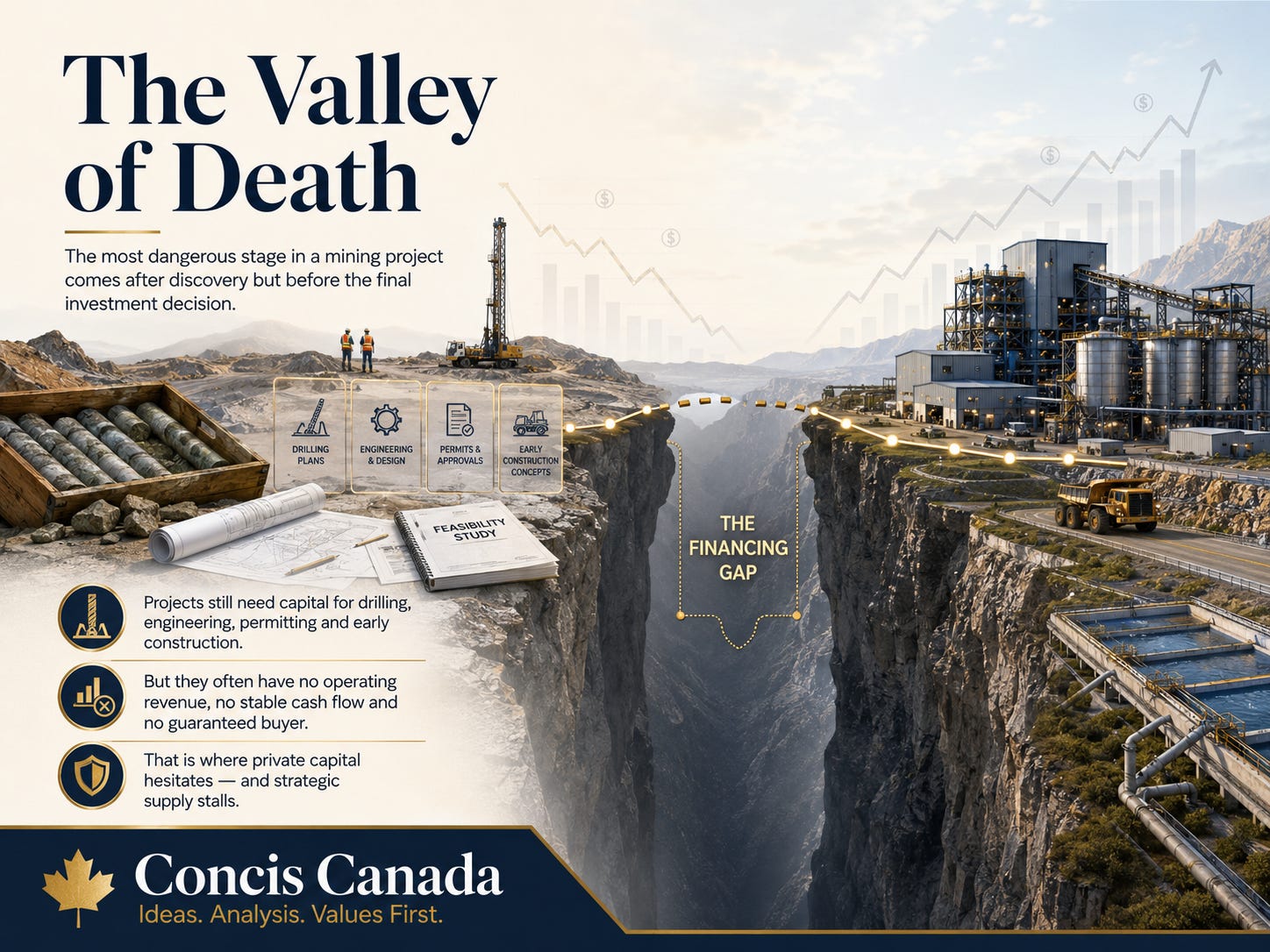
Energy and Natural Resources Minister Tim Hodgson has been building an allied critical-minerals market around collective buying power, long-term offtake agreements, strategic stockpiles and coordinated investment. The purpose is to pool demand across several trusted countries, give Canadian producers confidence that buyers will exist and help strategically important projects cross the financing valley of death.
That model depends on diversification.
Comments
Nothing yet. Say the first thing.
Sign in to join the conversation.