Look in the Mirror Before You Blame the System
TL;DR (AI-powered): A system is always perfectly designed for the results it gets.

Systems thinking for product and engineering leadership
Live Last read · last published · next check
TL;DR (AI-powered): A system is always perfectly designed for the results it gets.
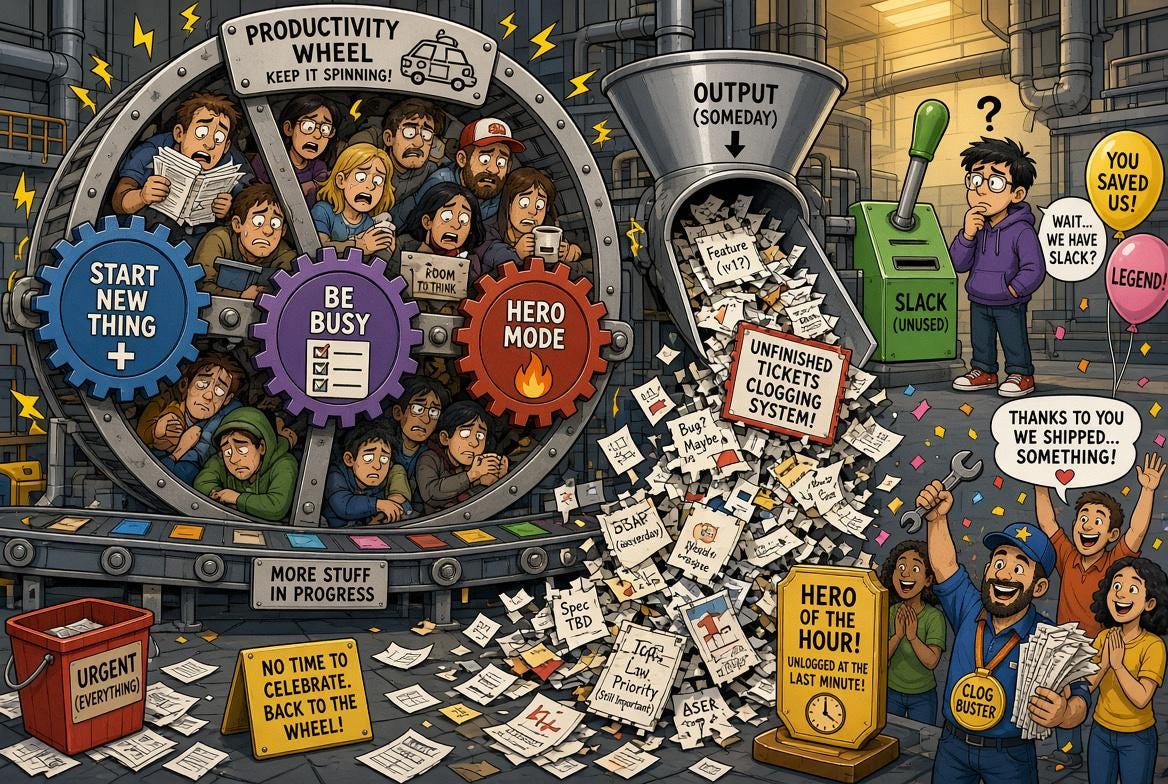
TL;DR (AI-powered): We still struggle with WIP not because the math is unclear (AAABBBCCC is faster than interleaving), but because organizations reward the feeling of progress that comes from starting things, 100% utilization, and later heroics.
TL;DR (AI-powered): I try to refrain from giving people (or systems) advice that ignores context.But if I must prescribe one thing, I try to keep it high-level enough that people can still adapt it.
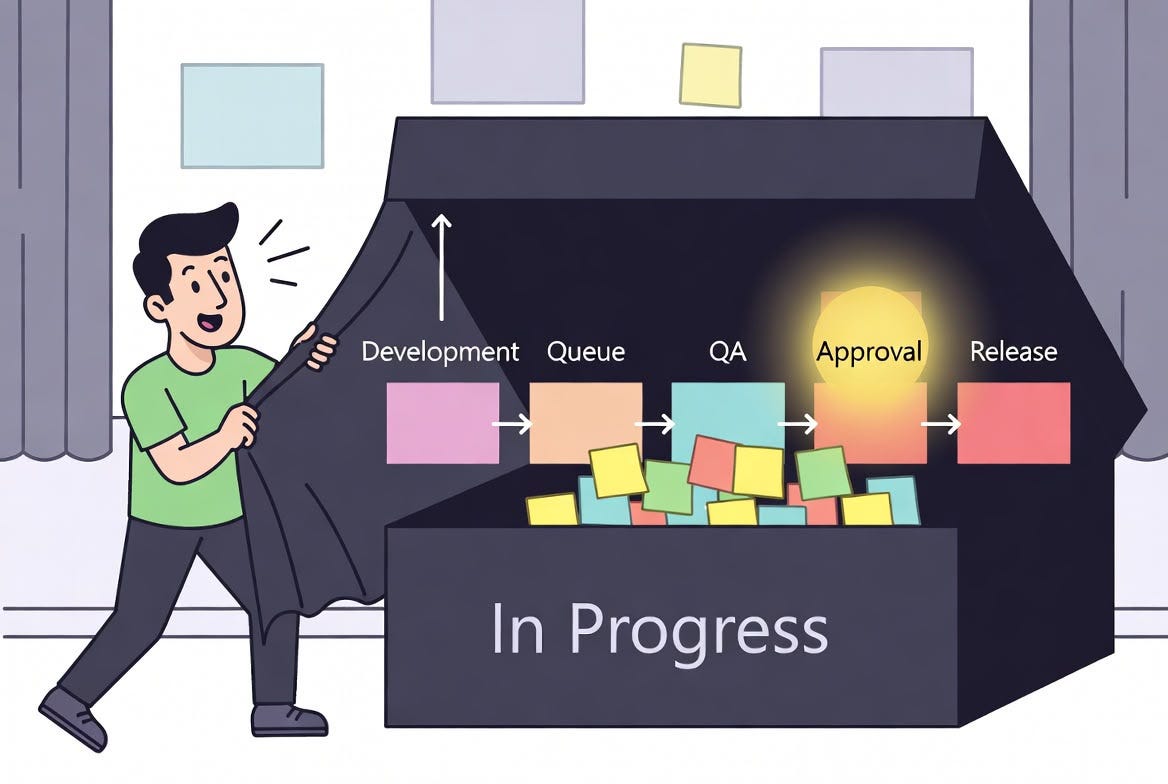
TL;DR (AI-powered): Too often teams and organizations settle for either a crude “to do → doing → done” board or an over-engineered list of statuses.
TL;DR (AI-powered): I used to think precise language didn’t matter much and even wrote in defence of more probabilistic wording.
This is a repost from about a year (with some additional notes in the end), worth resharing again in a context of being back from some extended holidays.
Landing the concept to tips of how to get to more practical...
TL;DR (AI-powered): Systems are perfectly designed to produce the results they get.
TL;DR (AI-powered): Every system is perfectly designed to get the results it gets.
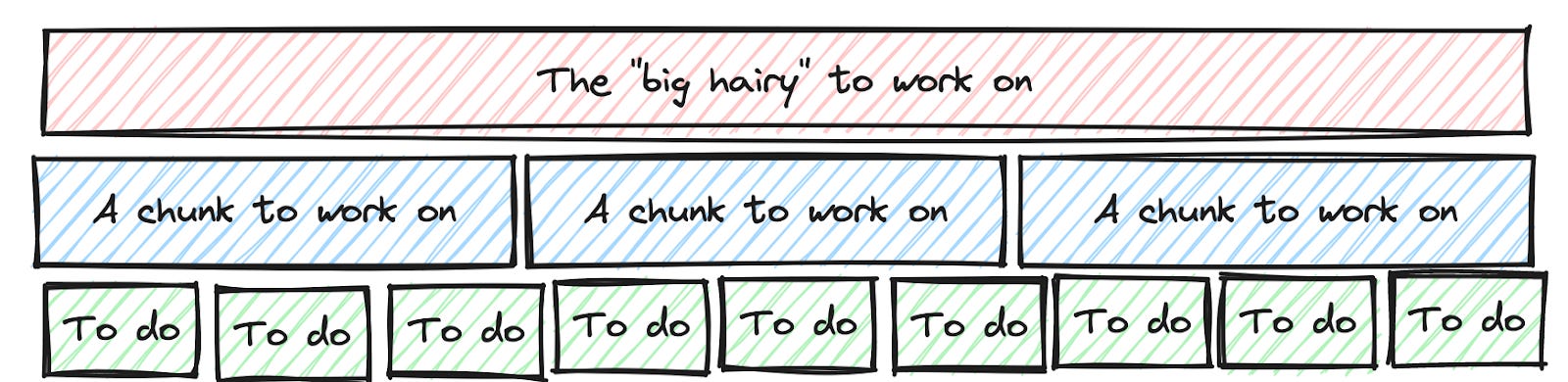
TL;DR (AI-powered): Most teams drown in too many priorities and abstract advice.
TL;DR (AI-powered): For the restless (and unapologetic) nonconformists : If you constantly see how things should be better and never feel fully settled at work, you’re not broken — you’re valuable.
TL;DR (AI-powered): The famous Forming-Storming-(Norming)-Performing model was built for therapy and training groups, not modern work teams.