
This article is part 2. You can read part 1 here.
Yesterday we opened with the lyrics of a song by Acadian singer Cayouche. Today I want to go back 150 years and explore a different kind of poetry.
Longfellow, a great American poet, wrote “Évangeline” in 1875. It is the story of an Acadian boy and an Acadian girl betrothed to each other but separated by the expulsion of 1755. Évangeline is regarded as one of Longfellow’s greatest works. It changed how the history of Canada’s East is told.
Prior to the success of this work, the founding of the city of Halifax was the focus of Canada’s Eastern story. But Longfellow’s poem helped bring the 150 year Acadian story preceding Halifax further to the centre of cultural consciousness where Acadia remains to this day.
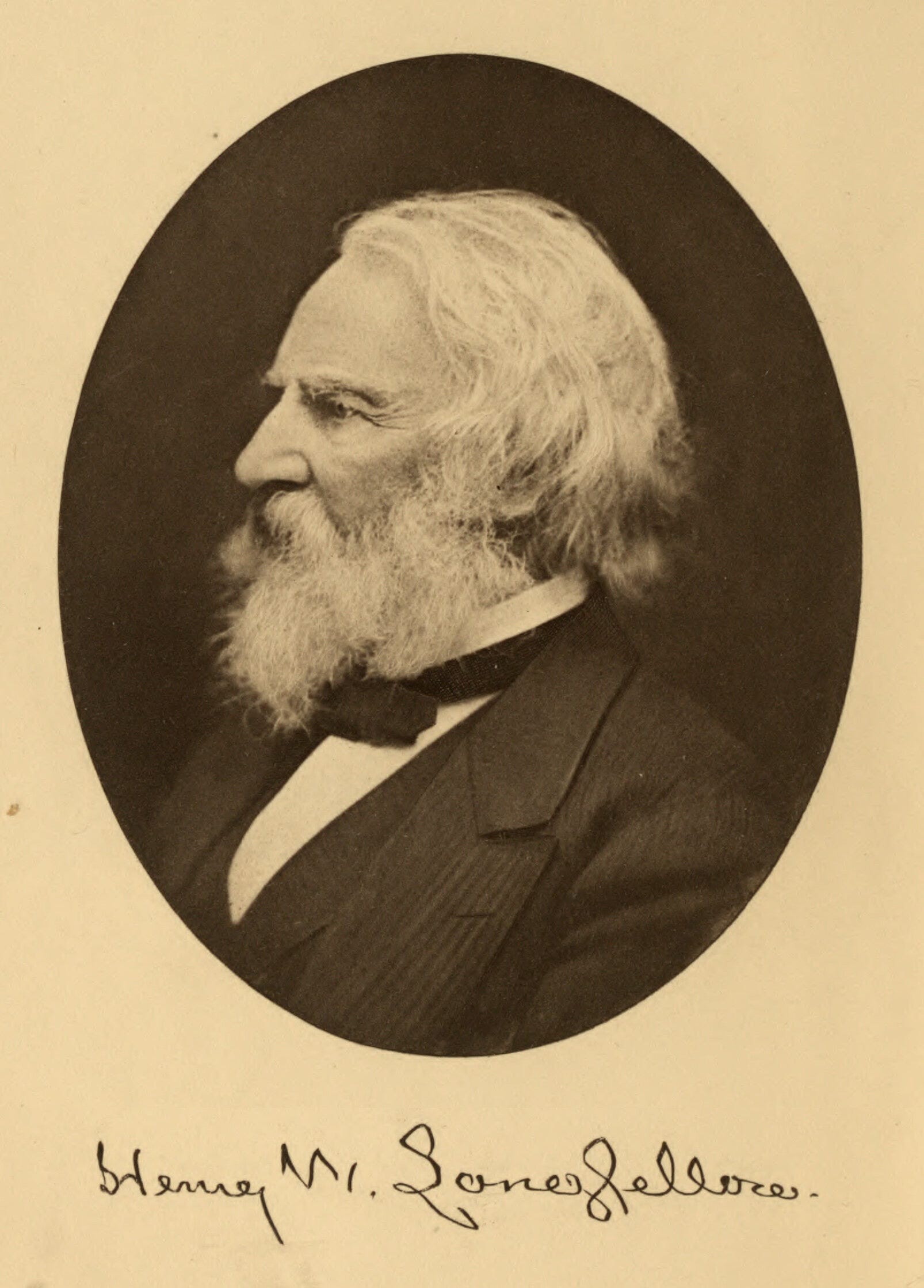
The cultural context to the Évangeline poem - as well as I can surmise it - is that anti-catholic sentiment was rising in America during the time of its writing. Americans have a particular history with the British Crown, having defied it to start their own nation. With the influx of the Irish, Italians and French into America in the early 19th century, there was some brouha regarding their immigrant ways. Their religion - Catholicism - is of a decidedly monarchical flavour which would have triggered some associations with the British crown. The result is that Catholicism was seen as a threat to American democracy. More on this in this Sensus Fidelium article here.
I suspect that Longfellow saw an opportunity in the story of the Acadians to humanize Catholics. He describes the orginal Acadian life as idyllic and markedly Catholic. Then the British disrupt the this quasi-utopia and forcibly expulse Acadians to America. In the book, America is cast as a blessing to Acadians following their trial. For instance, Longfellow spends some time describing how the growing season in Louisiana far exceeds that of Grand Pré’s.
I think, in a way, the Acadians in this book serve as a test to the Americans. Will they welcome what the British sought to expulse from their land? Or are the Americans simply just another brand of British, posturing themselves the same way towards the Catholics. Will the Americans be better than the British they broke away from just 100 years prior?
At least that’s my cultural reading of this 150 year old poem. I could be wrong.
Let me refocus on what’s truly important about “Évangeline”. The idea of home. Of course, having been expulsed from their homeland, the Acadian story sharply aches of a return to home.
In the Longfellow poem, the titular character is about to be married to her beau, Gabriel, then the British painfully rip them apart. We then follow Évangeline in her quest to reunite with her fiancee. She arrives in Louisiana by boat and seeks Gabriel there but he remains unfindable. She moves north from Catholic Mission to Catholic Mission seeking him still. Sometimes he is close by and she just misses him. Finally, Évangeline lands in a village where she is reassured that Gabriel will return after his season as a “Coureur des Bois” (woodrunner).
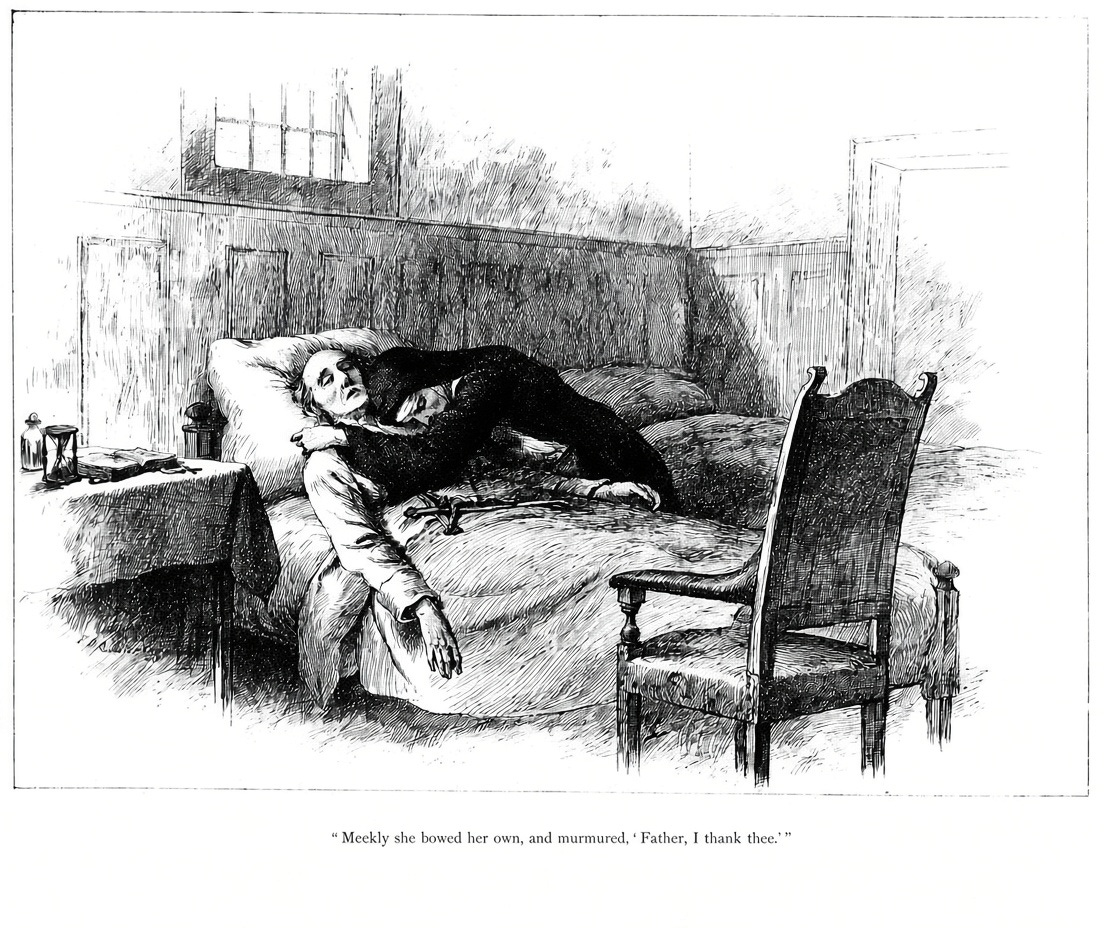
Évangeline waits and the seasons pass without Gabriel. She grows old there and becomes a nun. Yet she holds on to her dream of reuniting with her fiancee. The plague tears through the village and Évangeline devotes herself to the care of the sick. But she never forgets Gabriel. One day she sees an old man in a sick bed. She recognizes him as Gabriel. He recognizes her as well and they kiss. He dies in her arms and Évangeline thanks her Father in Heaven.
This is certainly a beautiful romance. But it is much more also.
We on this Earthly plane can not grasp the entire dimension of the real. So we dream of something, of a home we can imagine. For Évangeline, home is with Gabriel. But in the end, even though she got only a fleeting moment with him before his passing, she thanks God. Because Home is the reward of faith.
I highly recommend reading this work as it is not only of great literary beauty but also successfully expresses the spirit of the Acadian story; a story of separation, loss and yearning for Home. Here is my favourite passage from the poem where Évangeline is seeking reassurance from her priest.
“Something says in my heart that near me Gabriel wanders.
Is it a foolish dream, an idle and vague superstition?
Or has an angel passed, and revealed the truth to my spirit?”
Then with a blush she added, “Alas for my credulous fancy!
Unto ears like thine such words as these have no meaning.”
But made answer the reverend man, and he smiled as he answered, -
“Daughter, thy words are not idle ; nor are they to me without meaning.
Feeling is deep and still; and the word that floats on the surface
Is as the tossing buoy, that betrays where the anchor is hidden.
Due to the circumstances of life, I have ended far from home. But I have a dream, an image in my mind. I dream of a return home. Will I live there one day? I don’t know, some things are not up to me. But this yearning for home, this image I have of it; it is the buoy that tells me of a deep hidden anchor; unseen except for an immortal dream in the heart.
Comments
Nothing yet. Say the first thing.
Sign in to join the conversation.