
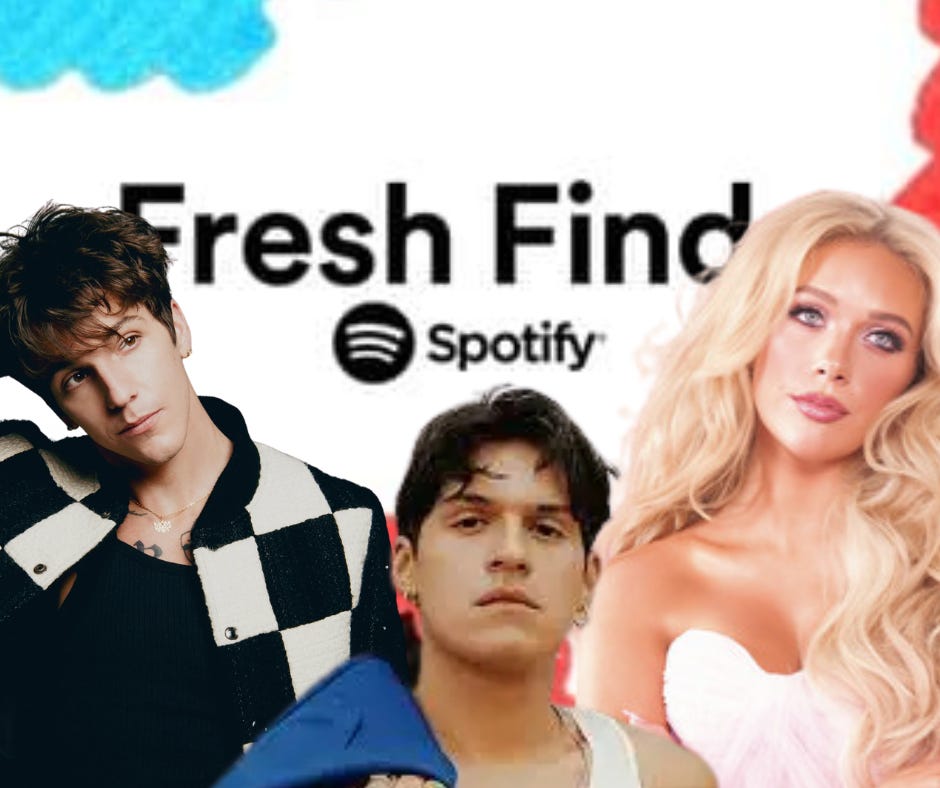
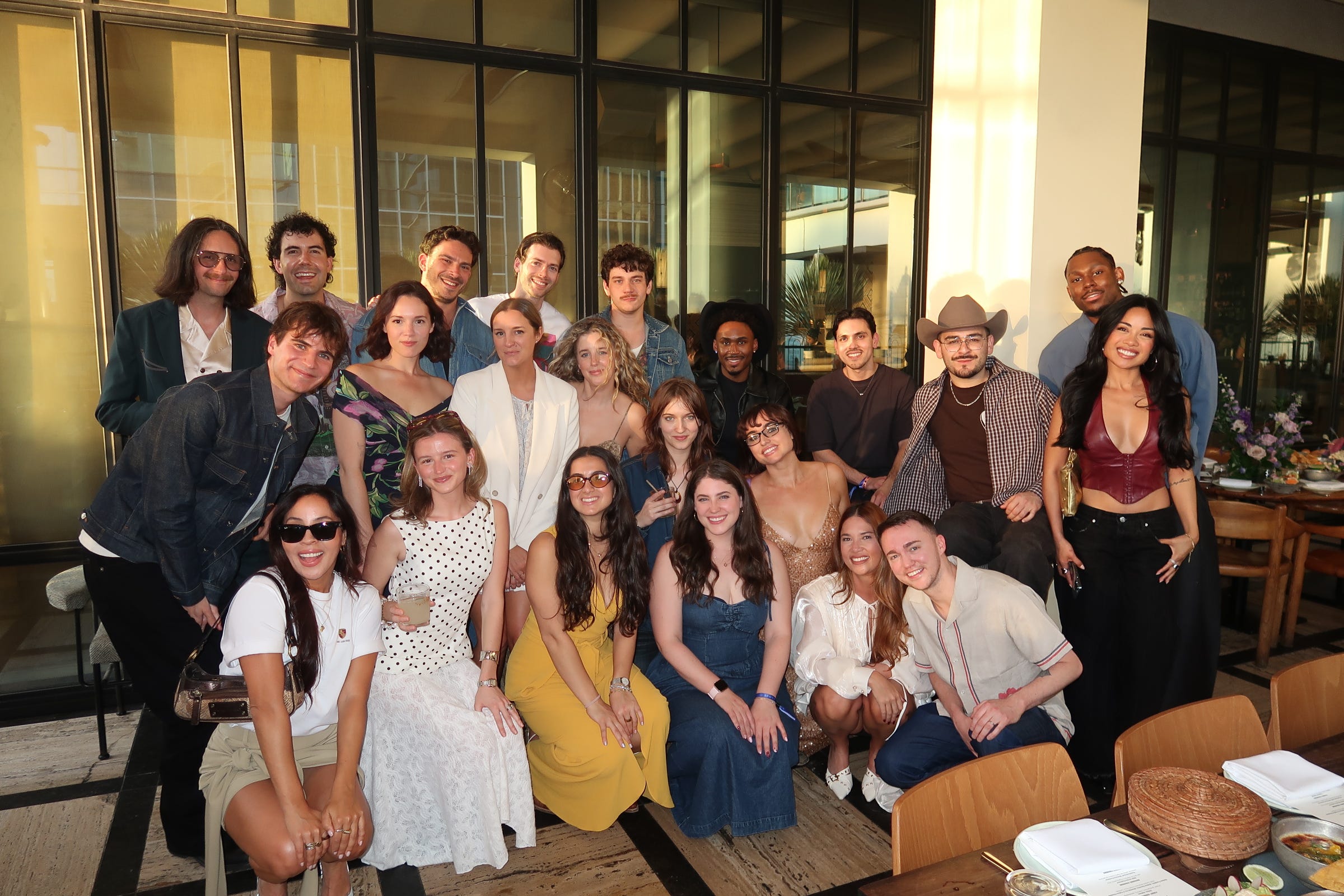
This weekend, I went to my first ever South x Southwest with an amazing crew of fellow music and pop culture creators alongside Spotify. We were there to celebrate their 20th anniversary and hear about their transparent “Loud & Clear” report, the only music platform to publicly disclose how much money they pay out to artists and teams every year.

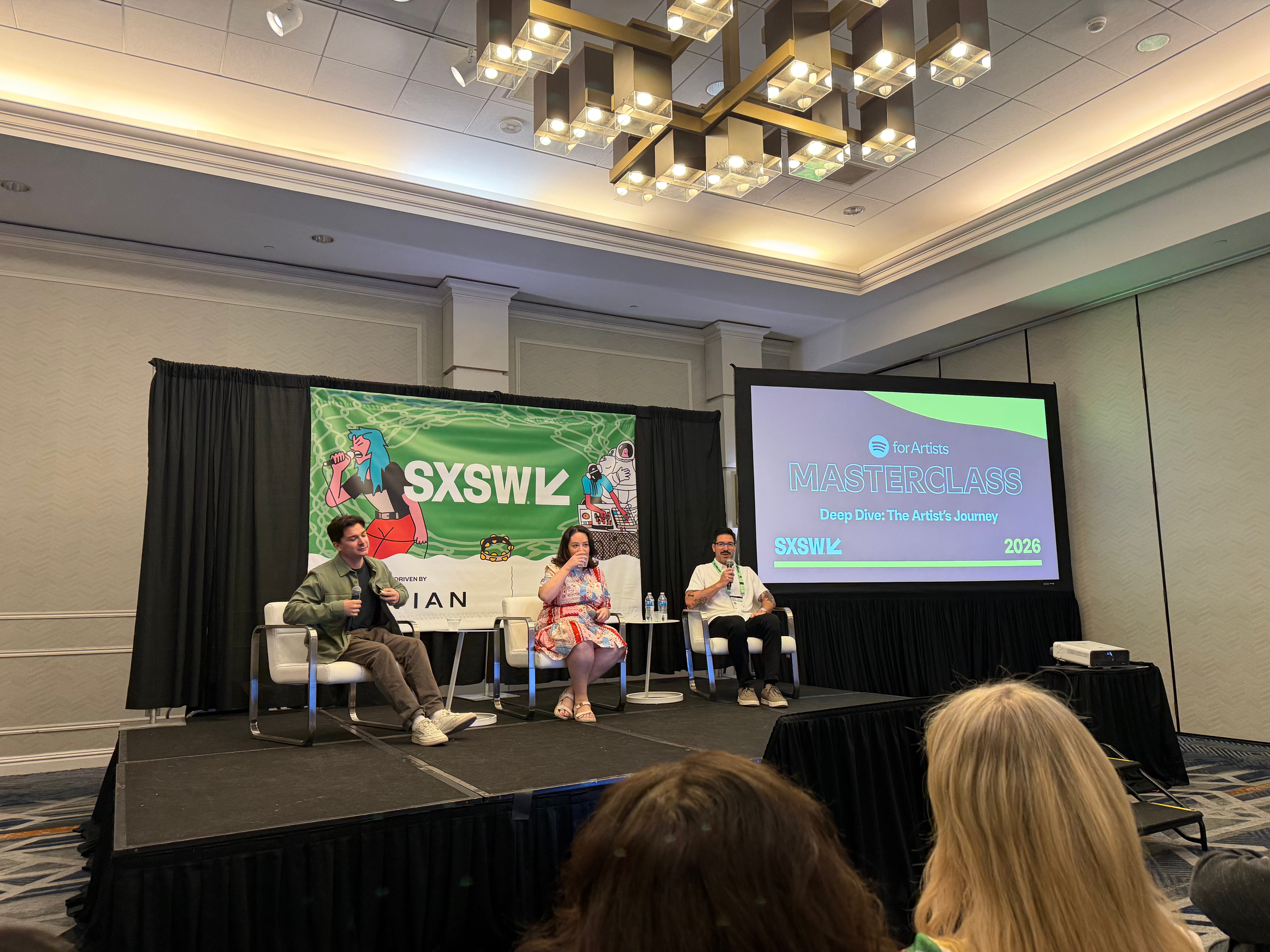
While they had us booked and busy all weekend, there was one optional panel I saw on the schedule. It was with Spotify’s editorial team (the brilliant people who curate the most popular playlists on their platform). And they were going to be talking about how they find new, often unsigned artists, to feature on these playlists. Some of their discoveries include Role Model and Omar Apollo. I knew I had to make it to this hour-long panel, specifically so I could write this article for the coconuts.
Miller Guth: Lead, Label Partnerships at Spotify
Talia Kraines: Editorial Lead (Pop) at Spotify
Chris Demas: Lead, Commercial Promotion Partnerships at Spotify
So hopefully this article ranks on the Google SEO lol. We will see.
The scale is almost incomprehensible. That’s the ocean these editors are swimming in every time they go to work. Which makes it even more remarkable, and important, to understand what actually gets their attention.
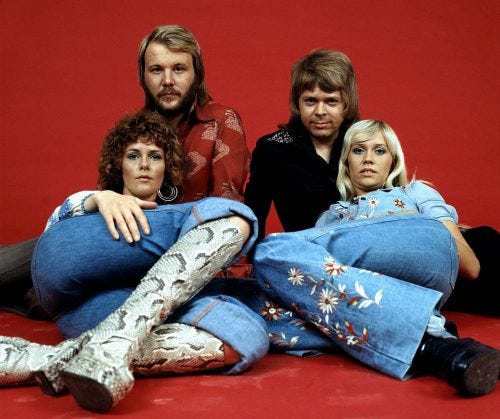
One of the more interesting cultural observations from the panel: Swedish sounds are having a major moment in pop music right now. They even gave it a name — the "ABBA-fication" of pop. Whether you're noticing it consciously or not, Scandinavian production sensibilities are everywhere, and Spotify's editorial team is paying close attention to where sounds are coming from geographically.
Presave pages
Album artwork and track list reveals
Playable singles
Clips (under 30 seconds)
That last one is worth pausing on. According to the panel: “Artists who upload clips get 2x more presaves than artists who don’t.”
Every Wednesday, Spotify internally shares out the top 10 artists with the highest presave numbers. That’s a real internal signal. If you’re an artist and you’re not building out your countdown page, you’re leaving visibility on the table.
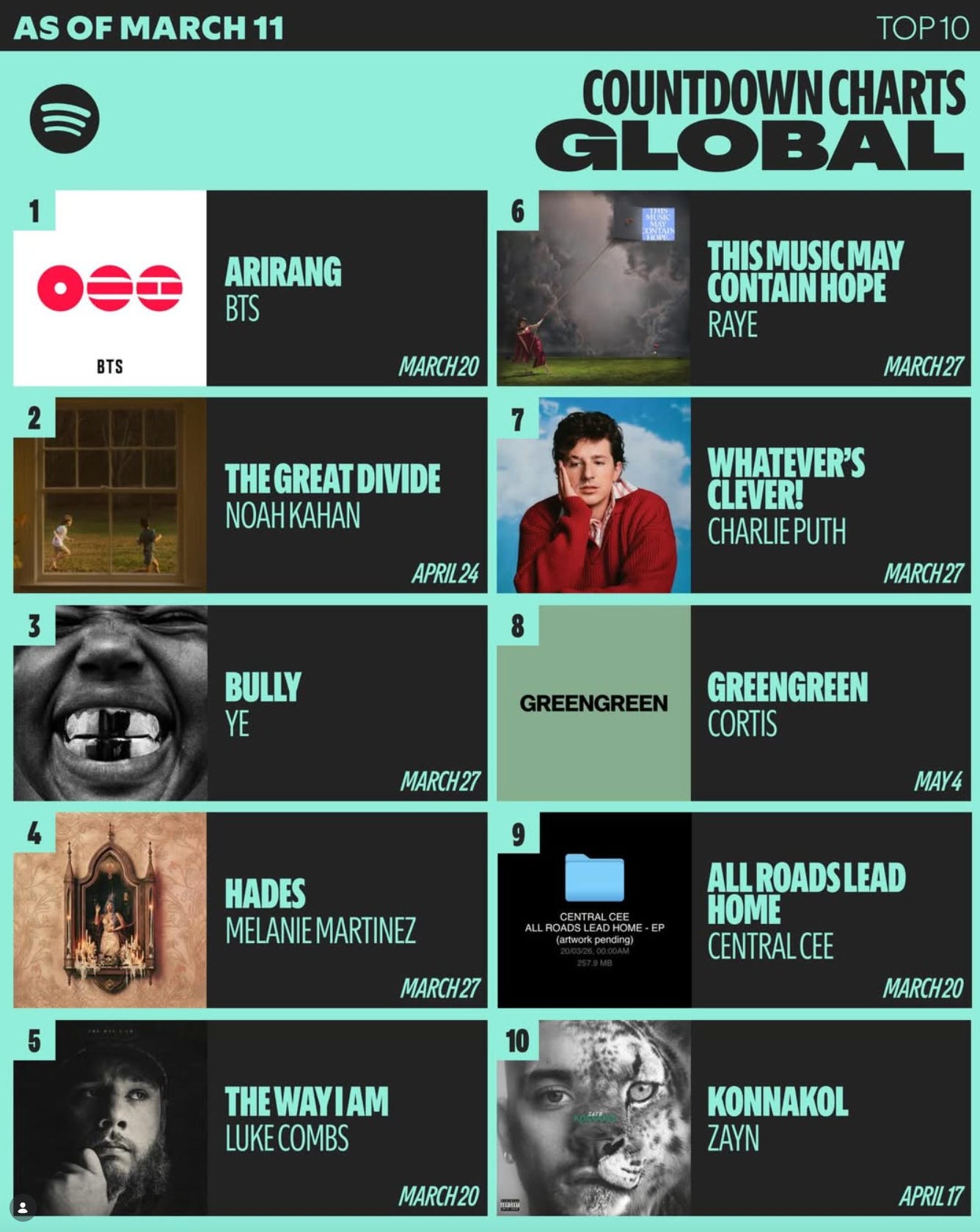
If you work in music management or you are an artist yourself, this is a great bat signal for you to look at every Wednesday on the @SpotifyforArtists IG page and figure out what these artists are specifically doing on their socials.
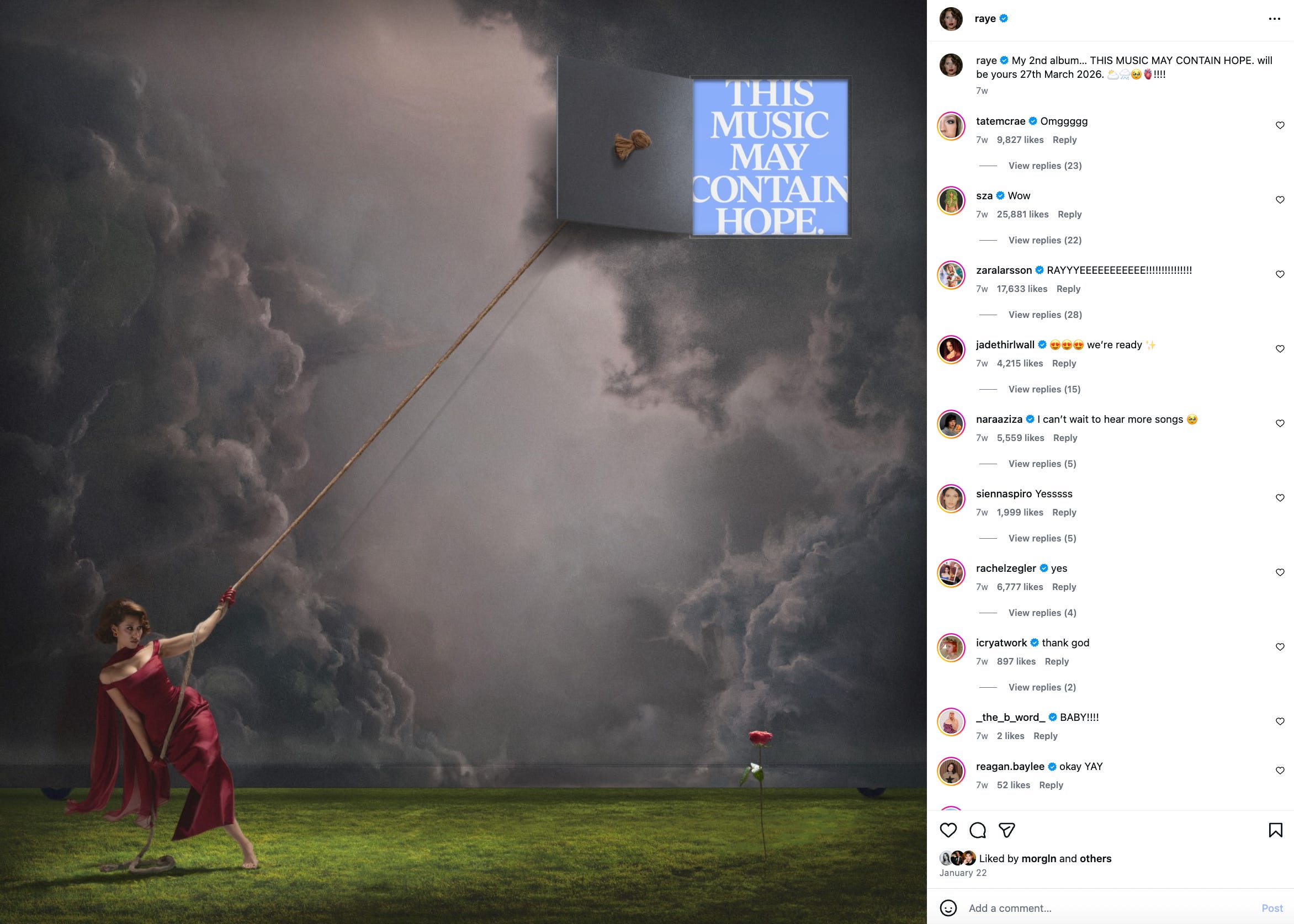
For example, RAYE first promoted the artwork for her upcoming album on her Instagram, This Music May Contain Hope, over 8-weeks before the launch (linked here).
Showcase is pay-to-play — and that’s okay to know
Showcase is Spotify’s sponsored recommendation tool. It works on a cost-per-click basis. The editors were transparent about this: it’s a paid product, it’s separate from editorial consideration, and you shouldn’t conflate the two. Know what it is, and use it accordingly.
How to pitch editorial, straight from the people reading the pitches:
This was the part of the panel I had my pen out for. The editors were refreshingly honest that there’s no algorithm or formula for a perfect pitch. But they did share what helps:
Tell us about yourself. Who are you? Why did you write this song? What does it mean to you? They want a human being behind the music, not a press release.
Think carefully about genre — and go niche. This was said clearly: niche genres are more likely to get playlisted than broad ones. Don’t pitch your song as “pop.” Dig deeper. Your song can start on a smaller, niche playlist and then carry over to a pop playlist later on. This is what happened to Noah Kahan when his folk songs were getting a high number of streams from Gen-Z women on the folk playlists so they tested his song “Stick Season” out on the “Pop Rising” playlist. Fast forward a year later and he was nominated for “Best New Artist” at the Grammy’s.
Name specific playlists. This one surprised me a little, but they were emphatic about it: include the specific Spotify playlists you think your song would fit on. It shows you’ve done your homework and it gives editors a helpful shortcut. Make their job easier but make sure your song exists in the world you are pitching it for.
Use your character limit wisely. Don’t waste space on your social handles, your website, or how much you’re spending on promotion. None of that helps your case.
Update your bio page before you pitch. If an editor hears something they like, they will check your artist profile. Make sure it reflects who you are right now.
Fresh Finds is the playlist that can change your life
If there’s one Spotify playlist that kept coming up in this conversation, it’s Fresh Finds. It’s specifically designed for indie and unsigned artists, and the editors were clear: a lot of industry people — managers, A&Rs, bookers — have Fresh Finds on rotation as a scouting tool. Role Model, Megan Moroney, and Omar Apollo all appeared on Fresh Finds before they broke wide.

This playlist has over 1.2 million listeners.
If you’re an emerging artist, getting on Fresh Finds isn’t just a streaming milestone. It’s a signal flare to the industry. The editorial team conducting the panel stressed the importance of this playlist multiple times.
The Spotify team included a slide documenting the trajectory of Ella Langley’s career after being featured on the “Fresh Finds” Spotify playlist. Here is a detailed break down, if you can’t read the slide clearly:
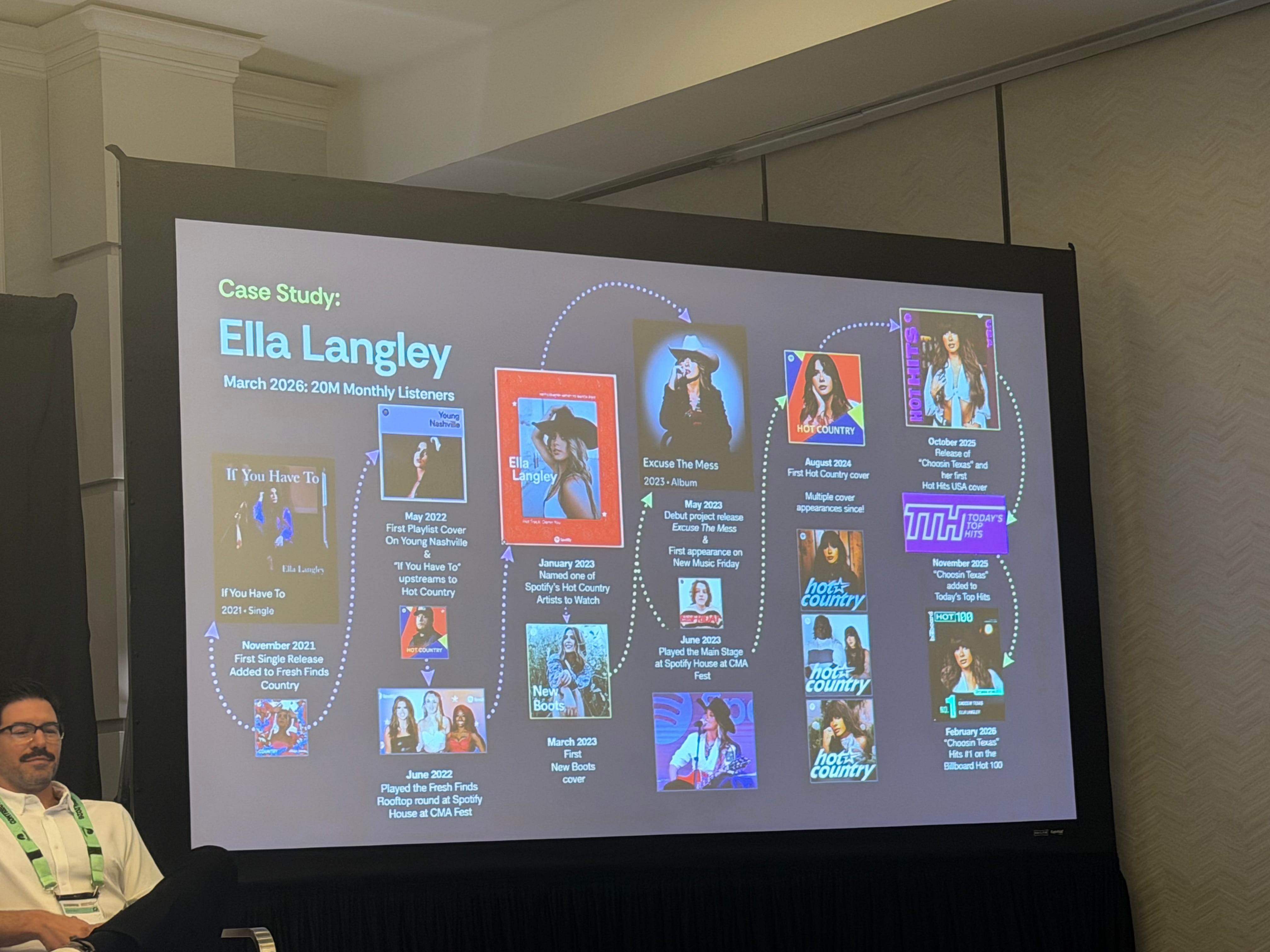
Ella Langley — from Fresh Finds to 20M monthly listeners
November 2021 — Debut single “If You Have To” added to Fresh Finds Country
June 2022 — Played the Fresh Finds Rooftop round at Spotify House at CMA Fest
May 2022 — First playlist cover on Young Nashville; “If You Have To” upstreams to Hot Country
January 2023 — Named one of Spotify’s Hot Country Artists to Watch
March 2023 — First New Boots cover
May 2023 — Debut project Excuse The Mess released; first appearance on New Music Friday
June 2023 — Played the Main Stage at Spotify House at CMA Fest
August 2024 — First Hot Country cover; multiple cover appearances since
October 2025 — Released “Choosin Texas,” earned her first Hot Hits USA
cover
November 2025 — “Choosin Texas” added to Today’s Top Hits
February 2026 — “Choosin Texas” hits #1 on the Billboard Hot 100
March 2026 — 20M monthly listeners
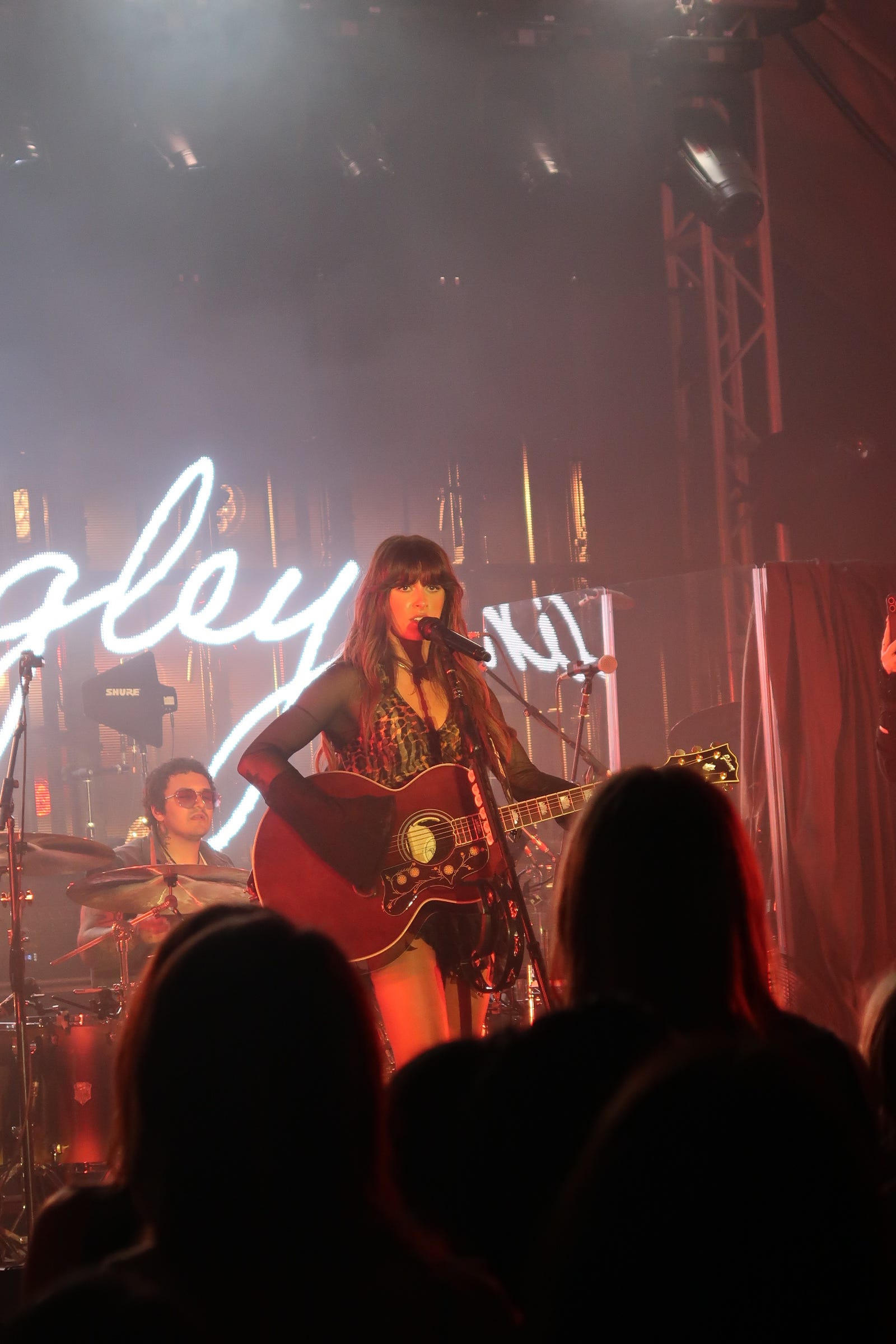
Not only that, they had Ella Langley perform at a celebratory party for Spotify on the last night of our trip. I was most excited because she was on my Spotify wrapped (eventho I don’t usually gravitate towards country).
New features to know about
A few other things worth flagging from the panel:
Spotify is now allowing artists to upload music videos and performance videos directly to the platform — a significant expansion of what lives there.
They mentioned The Drop, their weekly new music editorial feature, as another key discovery surface.
If you’re ever worried about artificial streaming inflating your numbers in ways that could hurt you, there’s a resource worth bookmarking: artists.spotify.com/artificial-streaming
The bottom line
The editors on this panel weren’t gatekeepers performing mystique. They were people trying to find good music in a flood of 100,000 daily uploads, and they gave us a genuine roadmap for how to cut through. Fill out your countdown page. Upload a clip. Write a pitch that sounds like a person wrote it. Name the playlists. Keep your bio current.
The tools are there. Most artists just aren’t using them.
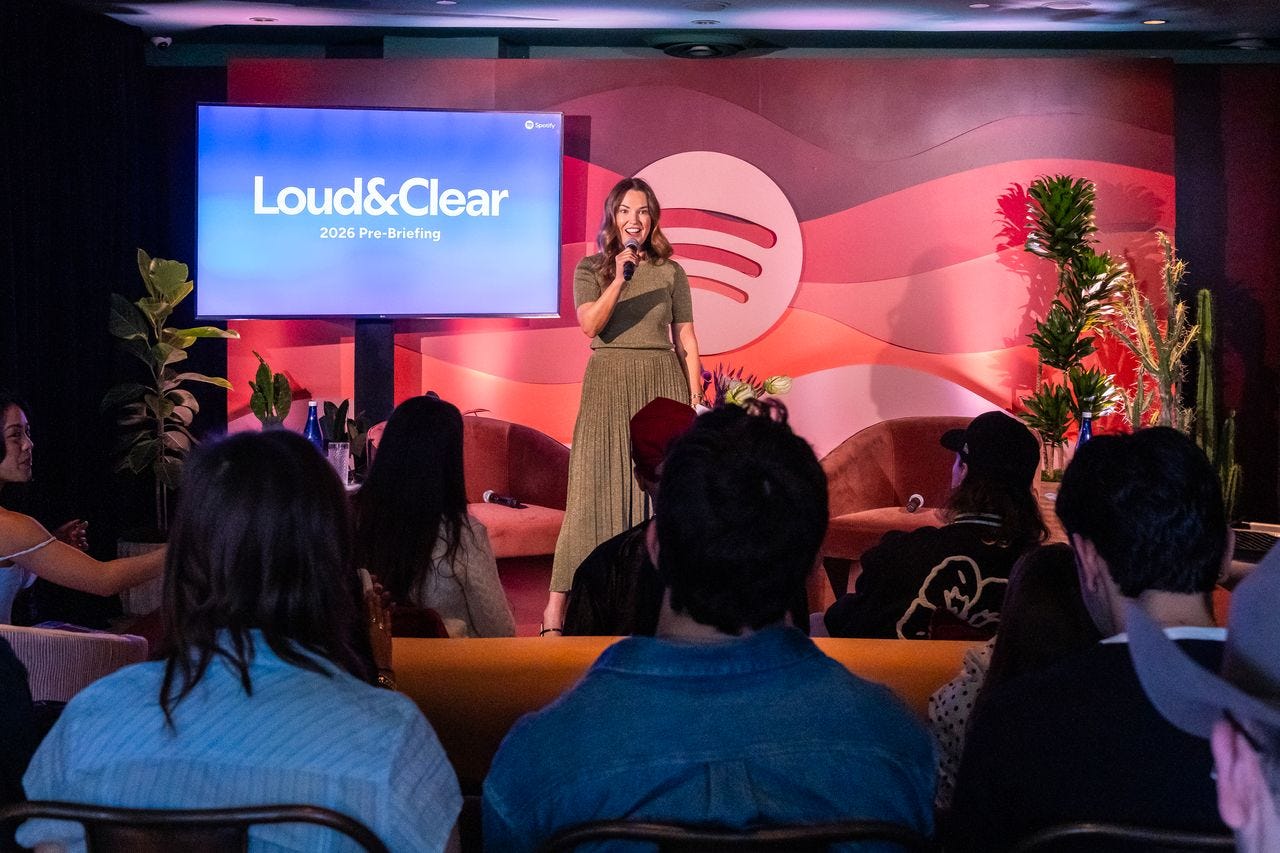
On the question of what defines Spotify’s next chapter, Jenkins pointed to two things: globalization and AI. She noted that genres once considered regional — country music being a prime example — now have massive audiences in places like Australia, Latin America, and the UK.
— Dustee Jenkins, citing Lainey Wilson as a recent example
On AI, she was measured but optimistic. She acknowledged disruption is coming, but pushed back on the idea that it’s purely a threat to music. She sees real opportunity in AI-assisted discovery, more precise personalization, and the creative possibilities around derivative works — while also affirming that protecting artists in that process is a fair and necessary conversation to have. For what it’s worth, she said AI has been on Spotify’s internal 10-year roadmap for several years.
— Dustee Jenkins, on AI’s place in Spotify’s long-term roadmap
The other thing Jenkins wanted to address head-on was the persistent misconception that Spotify pays a flat per-stream rate. She was direct: that’s not how it works, and the oversimplification has hardened into myth in ways that frustrate the company. The Loud & Clear report — Spotify’s annual transparency publication on how streaming revenue flows to artists — is their attempt to correct the record.
— Dustee Jenkins
Her broader point was one worth sitting with: in almost every other industry, we accept that there will be a spectrum of participants — hobbyists, semi-professionals, and breakout stars. Music, she argued, deserves that same nuanced understanding of what success can look like at every level.
Watch my episode featuring Charli XCX here:
Comments
Nothing yet. Say the first thing.
Sign in to join the conversation.