
The Climate Pod episode features a preview of COP28 with discussions on the significant presence and influence of the fossil fuel industry at past COP events. Host speaks with New York Times climate correspondent David Gelles about the upcoming conference in Dubai, the absence of key world leaders like President Biden and President Xi, and the implications of their nonattendance. Gelles also highlights the importance of climate finance, tensions between Global North and Global South countries, and the need for transparency in project financing for renewable energy.
Additionally, the episode includes a conversation with Pascoe Sabido, a researcher and campaigner at Corporate Europe Observatory, who presents an analysis on the extensive involvement of fossil fuel companies at COP events. Sabido emphasizes the potential for COP28 to be dominated by fossil fuel interests and the urgent need for action to minimize their influence in order to make meaningful progress on climate change. The episode underscores the critical role of public pressure and social movements in driving the change needed to address climate issues effectively.
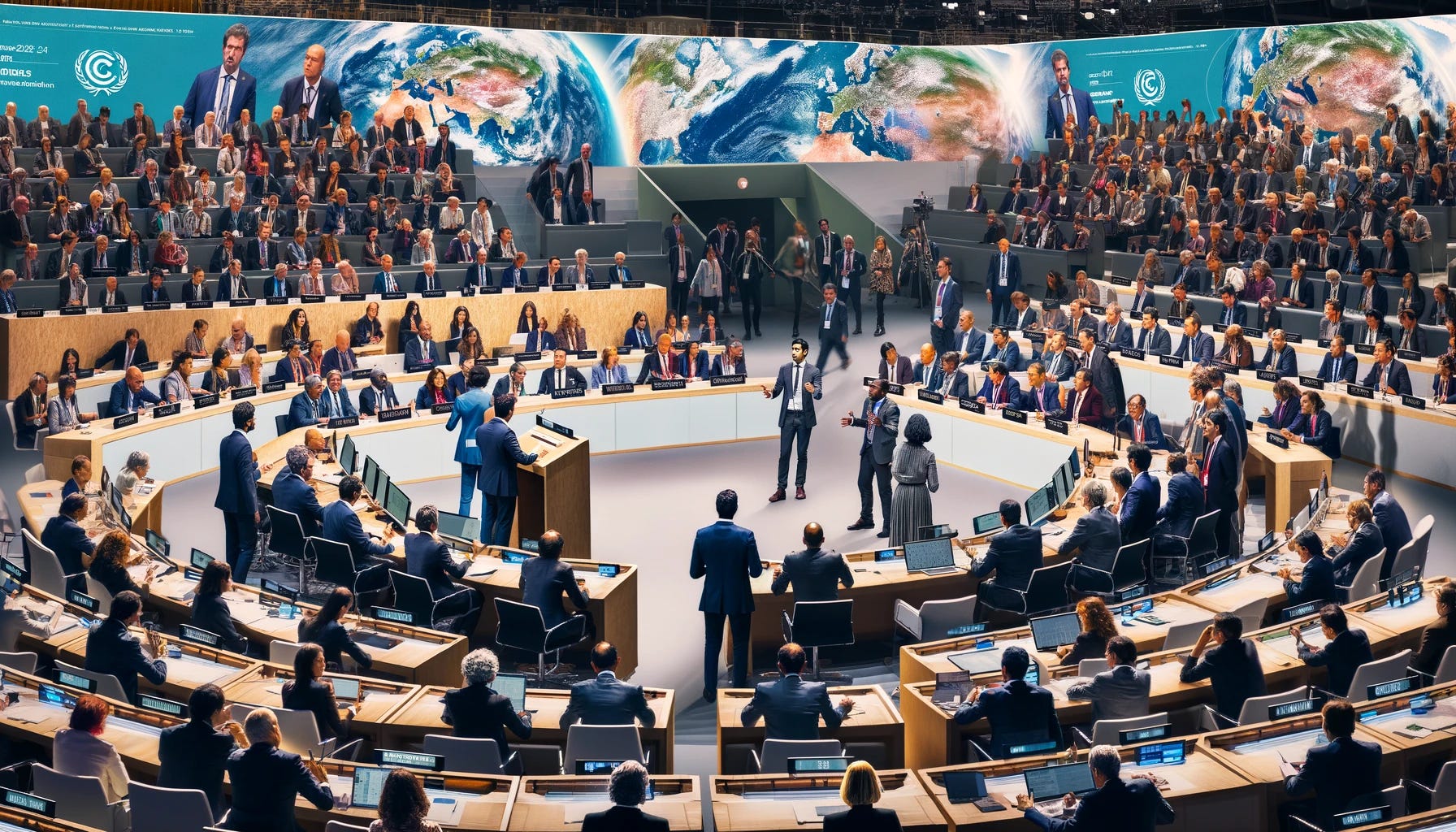
In the episode before COP28, Outrage + Optimism hosts discuss the significance of the conference, the role of the UAE and its leadership, and the recent controversy surrounding the influence of fossil fuel interests on COP28's president-designate, Dr. Sultan Al Jaber.
The hosts express concerns over the leaked documents suggesting that Dr. Sultan, who is also the CEO of the Abu Dhabi National Oil Company (ADNOC), was encouraged to promote fossil fuel interests during COP-related meetings. The report suggests that the COP presidency was being leveraged to further the development of fossil fuel reserves, raising questions about the conflict of interest and the integrity of COP28's leadership.
Christiana Figueres emphasizes the importance of the COP president being impartial to political positions but not neutral to outcomes, as each COP must advance global decarbonization efforts. The hosts discuss the potential impact of these revelations on COP28's trust and credibility, suggesting that Dr. Sultan needs to address these issues transparently in his opening speech to regain trust.
The episode also includes an interview with Nathaniel Stinnett from the Environmental Voter Project, which aims to increase political demand for climate action by turning non-voting environmentalists into consistent voters. Stinnett explains the organization's strategy, which involves using behavioral science to encourage environmentally conscious individuals who are already registered to vote but often skip elections to participate in the democratic process. The project has identified millions of such individuals who could influence election outcomes, particularly in key swing states.
The episode concludes with a poem from Hot Poets, highlighting the intersection of art, science, and the imagination in envisioning a sustainable future. The hosts and guests express outrage over the lack of progress on fossil fuel subsidies and optimism about the potential for grassroots political engagement to drive meaningful climate action.
by Drilled
In this episode of "Drilled," Amy Westervelt interviews Bloomberg journalist Akshat Rathi, author of "Climate Capitalism," to discuss the complexities of addressing the climate crisis through a capitalist framework. Despite initial skepticism, Westervelt finds Rathi's nuanced perspective enlightening. Rathi emphasizes the need for nuanced solutions and the importance of directing capital towards climate solutions, particularly in developing countries, to overcome the current bottleneck in climate finance. He argues that progress in renewable energy, such as solar in India, demonstrates that government mandates and initial capital injections can catalyze growth in green industries. Rathi also discusses the importance of technology transfer to the Global South and the risks of repeating exploitative patterns from the past, such as green colonialism.

Rathi’s book illustrates how different forms of capitalism, tailored to their respective political and economic contexts, can contribute to climate solutions. He highlights the European Union's approach to responsible sourcing of battery metals in South America as an example of mutually beneficial cooperation. Rathi also underscores the interdependence of capitalism and democracy, arguing that the survival of both depends on their ability to address and manage the excesses of the market. Despite the challenges, Rathi remains optimistic, noting that people are increasingly committed to finding solutions to the climate crisis, even in the face of political and economic obstacles.
The latest episode of The Climate Pod features an in-depth interview with Allison Crimmins, the director of the Fifth National Climate Assessment, about the United States' role in climate change and the urgent need for mitigation and adaptation solutions. The report emphasizes that while America is no longer the top emitter of greenhouse gases, it has historically contributed significantly to global emissions, bearing a responsibility to lead climate solutions. It outlines the current and expected costs of the climate crisis in the U.S., as well as the potential benefits of taking sufficient action.
Crucially, the assessment highlights the inequalities in climate impacts, with low-income and minority communities bearing a disproportionate burden, such as historically redlined neighborhoods experiencing significantly higher temperatures during heatwaves. The report calls for climate actions that do not exacerbate social inequities and suggests that immediate benefits, such as improved air quality and job creation, can be realized from transitioning to zero-carbon technologies. However, while existing technologies can deliver substantial reductions, reaching net zero will likely require the development of new technologies. The assessment also introduces the concept of blue carbon ecosystems which can significantly aid in carbon sequestration.
The conversation with Crimmins underlines the fact that although the U.S. has seen a reduction in emissions since 2007 and a rise in clean energy jobs, current adaptation efforts are insufficient and need to be more transformational. The episode ends with a call to action, urging listeners to review the full report and engage with its findings to better understand the climate crisis and the steps needed to address it.
In this episode of Outrage + Optimism, the hosts, Tom Rivett-Carnac, Christiana Figueres and Paul Dickinson discuss the Time100 Climate List, an initiative by Time magazine to highlight influential climate leaders in business. Simon Mulcahy and Shyla Raghav from Time join the conversation to explain the rationale behind the list, which aims to showcase a diverse range of climate leadership and to inspire further action. Despite receiving hundreds of nominations, the list was narrowed down to 100 individuals, some of whom, like representatives from ExxonMobil, were controversial choices. The inclusion of these figures sparked a discussion about the importance of recognizing disruptive energy within sectors that are difficult to change. The hosts and guests also explore how storytelling and elevating examples of climate leadership can de-risk taking action on climate and encourage more people to drive change within their organizations. The episode emphasizes the need for collaboration across all sectors and the importance of celebrating progress, not perfection, in the fight against climate change.
Comments
Nothing yet. Say the first thing.
Sign in to join the conversation.