
If a young person (or their parents as is the case these days) approached me and asked if they should join the Navy, I would give them the pros and cons - the pros such as seeing places in the world you not see otherwise, the people you meet, the mission, and, of course, the thing the Navy does really well - education and training. Whether enlisted or officer, training is continual throughout one’s career and specialty. It never ends and there are always opportunities - that is a blessing. As I reservist, I always found value to expand my horizons, to help me be a better analyst with various intelligence schools or other programs. That transmitted to my civilian career through college, grad schools (including the Naval War College) and a PhD program.

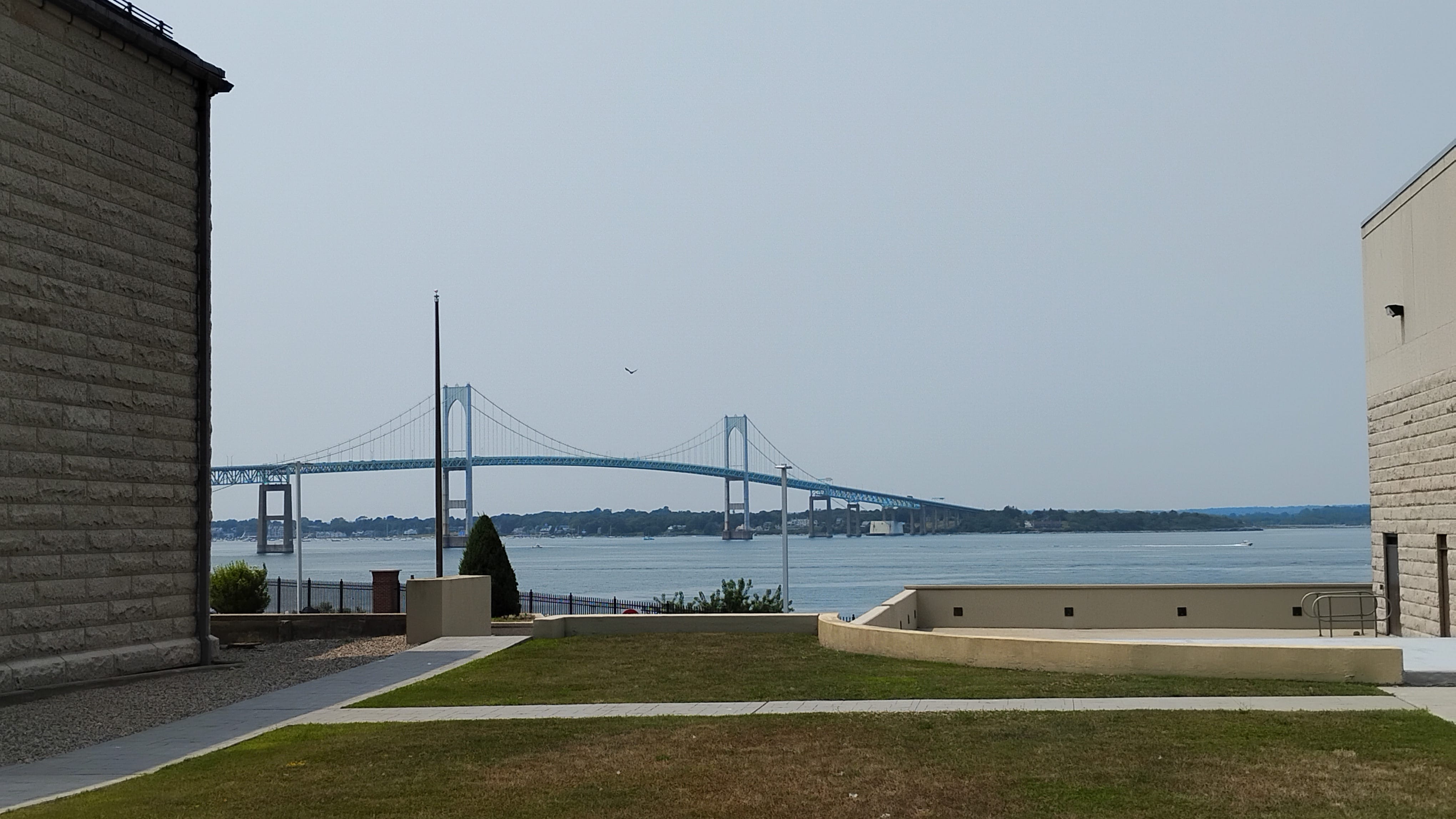
I’m reminded of that again this week as I’ve spent it back at the Naval War College, a place I’ve been to countless times to attend or brief at conferences. The Naval War College is truly the jewel in the crown of the navy’s education enterprise. The faculty here and my colleagues in attendance reminded me of the importance of engagement, the necessity of self-reflection, the exposure to other ideas, and the value of discussions. More senior faculty share their experience and expertise; newer faculty offer newer trends and concepts. Civil discussions ensue. One hopes that one becomes better for it, particularly in the national security environment.
Attending conferences or workshops at the U.S. Naval War College or similar think tanks plays a critical role in reinforcing national security, especially in an era when the Department of Defense (DoD) curtails participation at think tanks due to budgetary or policy restrictions. These events provide unique platforms for intellectual exchange, collaboration, and innovation that cannot be replicated through isolated, internal efforts alone unless we are comfort
Despite the attraction to boil the world down to a binary argument, national security challenges are increasingly complex, transnational, and multifaceted. Conferences and workshops convene both U.S. military professionals and international partners, civilian policymakers, academic scholars, and industry leaders. This fosters cross-disciplinary learning, introduces new perspectives, and enables knowledge-sharing that transcends organizational silos. Participants gain insights into emerging threats such as cyber warfare, strategic competition, and hybrid conflict - threats that often evolve outside the traditional boundaries of government or the military itself. Maybe they leave agreeing with ideas or the don’t. There are no guarantees, only opportunities.
These venues serve as incubators for ideas and policy innovation. Through expert panels, wargaming simulations, and scenario-driven discussions, attendees have the opportunity to stress-test concepts and develop new strategies in a collaborative environment. Such exercises not only sharpen analytic and decision-making skills but also result in actionable recommendations that inform national security policy and operational plans. When the DoD limits its engagement, it risks becoming isolated from the broader intellectual ecosystem that drives strategic agility and foresight.
Conferences and workshops are essential for building and sustaining robust professional networks. The relationships cultivated at these events - between uniformed leaders, civilian experts, and international counterparts - are invaluable in times of crisis or rapid change. Networking enables rapid information-sharing, fosters mutual understanding, and facilitates joint problem-solving. This connectivity directly supports U.S. interests by improving coordination, increasing interoperability, and reinforcing alliances that are foundational to national security. Despite the immediate need for answers, problems often require time to study and analyze if the correct understanding to them and to the answers are to be found.
Transparency and engagement with external individuals and organizations help ensure the Department’s policies and practices remain relevant in a rapidly changing world. Limiting attendance or participation may inadvertently insulate DoD personnel from critical feedback, lead to intellectual stagnation, and hinder adaptation to new challenges. Conversely, active participation in these forums underscores a commitment to continuous learning and organizational excellence, which are central tenets of effective defense. If DoD policies and ideas are right, then they will stand the test on the debate stage, not by shrinking from it.
Insularity can breed stagnation, ignoring outside input fosters groupthink, outright rejecting external ideas alienates allies and stifles collaboration, and handicaps learning and innovation. All of those are contrary to the great American values of ideas that drive progress, or in the case of national security, how to ensure we protect the nation and operate around the world.
One of America’s greatest values is the laboratory of ideas, to find the answers. We should always try to expand how to do that, not restrict it.
No posts
Comments
Nothing yet. Say the first thing.
Sign in to join the conversation.