

A lot of queer art treats joy with suspicion. Laughter is often dismissed as fluff and camp is reduced to style. Humour tends to be framed as avoidance rather than engagement. But for lesbian performers and audiences, joy has never been incidental. It has been a necessity.
In my dissertation, I wrote that “camp performance destabilises dominant narratives by exaggerating the very norms it is expected to comply with.” That still feels like the most useful place to start. Camp is not decoration and it is not an aesthetic add-on. It is a method. By pushing norms to the point of absurdity, camp exposes the rules it is supposed to obey. It shows the cracks. It invites us to laugh not because things are easy, but because they are impossible. It is about owning the camp. Leaning into the taboo.
This is why humour matters so much in lesbian performance. As a way of staying present, rather than distracting. As I argued then, “humour within lesbian performance functions as a means of survival rather than avoidance.”
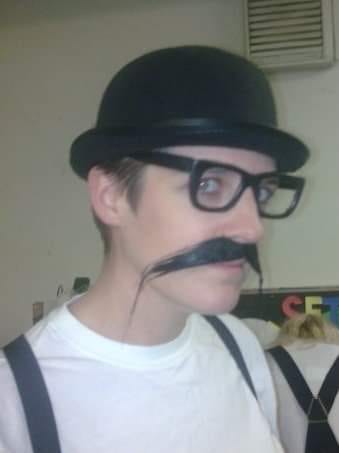
Laughter allows difficult material to be held without collapse. It creates breathing room and it lets performers and audiences sit with pain, anger, and exclusion without being consumed by them.
There is something deeply political about that. Especially when visibility is still conditional, and bodies are still policed. That feels more prescient now than when I wrote the thesis. Joy works alongside those realities rather than erasing them. It might momentarily soften the blow but it refuses to disappear.
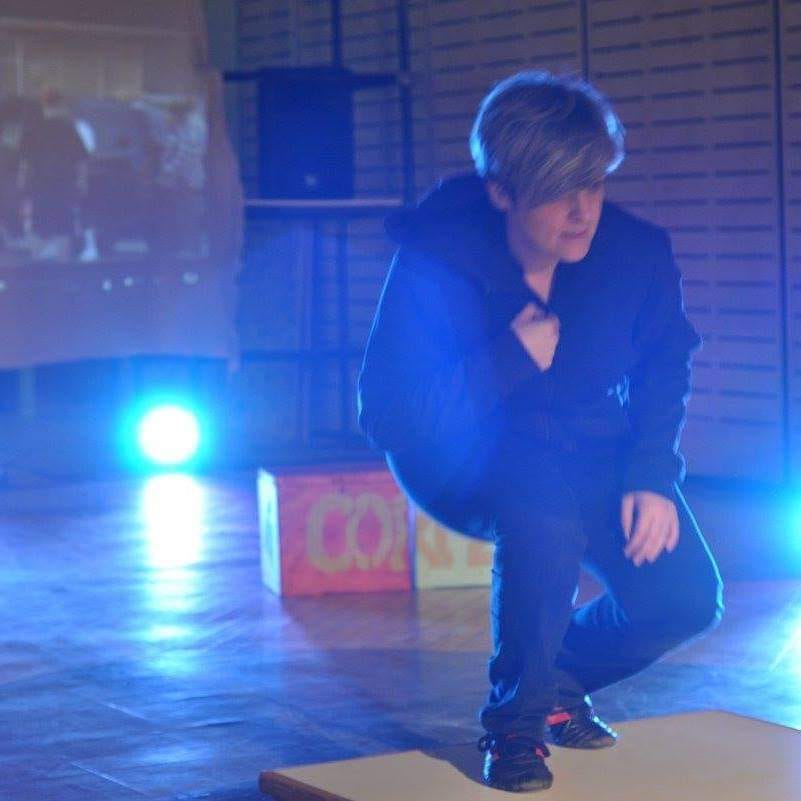
Importantly, this kind of joy rarely happens in isolation. In the dissertation, I noted that “lesbian camp performance often exists outside institutional theatrical spaces, allowing for risk, failure, and collective recognition.” Cabaret bars. Fringe venues. Community halls. DIY nights. These are spaces where polish matters less than connection, and where failure is something to be shared rather than hidden.
These environments allow mess and excess. They allow performers to try things out, to play, to misjudge the room, to recover. In doing so, they offer permission, which is something mainstream stages often do not. Permission to be loud, ridiculous, angry, tender, and contradictory. More importantly, permission to exist without needing to explain or justify.
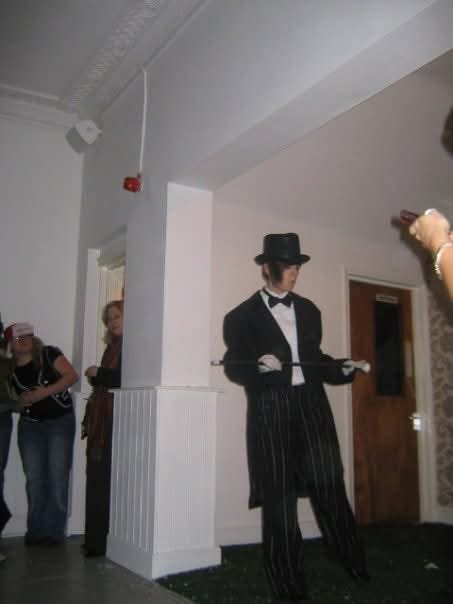
The joy that emerges in these spaces is collective, which is crucial. As I wrote, “laughter within lesbian performance is rarely solitary; it is shared, recognised, and sustained communally.” It becomes a signal. A moment of recognition. A brief sense of safety that tells you that you are not alone in what you are seeing or feeling.
This is why joy in lesbian performance should not be read as escapism, but rather as endurance. It is how communities survive environments that were not built with them in mind and it is how people keep showing up, even when the conditions are hostile or exhausting.
Camp, humour, and excess are not the opposite of politics. They are political tools in their own right and they refuse respectability. They also refuse neatness and the demand to be grateful for partial visibility. Instead, they insist on pleasure, connection, and play, even when those things feel risky.
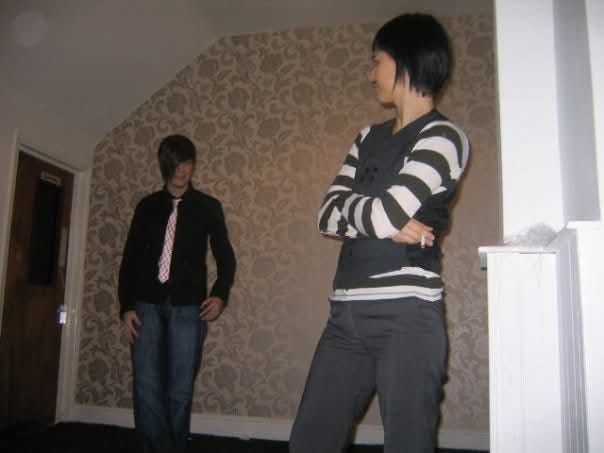
Joy, in this context, is a strategy, not a happily ever after. A strategy that allows us to keep going.
In Lesbian Stages #14, I will explore Care, Collaboration and Collective Making. Looking at what happens when lesbian and queer performance moves beyond the individual voice and into shared authorship, access, and mutual support.
💬 As always, Thoughts of an Optimistic Pessimist is a reader-supported space. If this post resonates, please subscribe, share, or leave a comment.
No posts
Comments
Nothing yet. Say the first thing.
Sign in to join the conversation.