
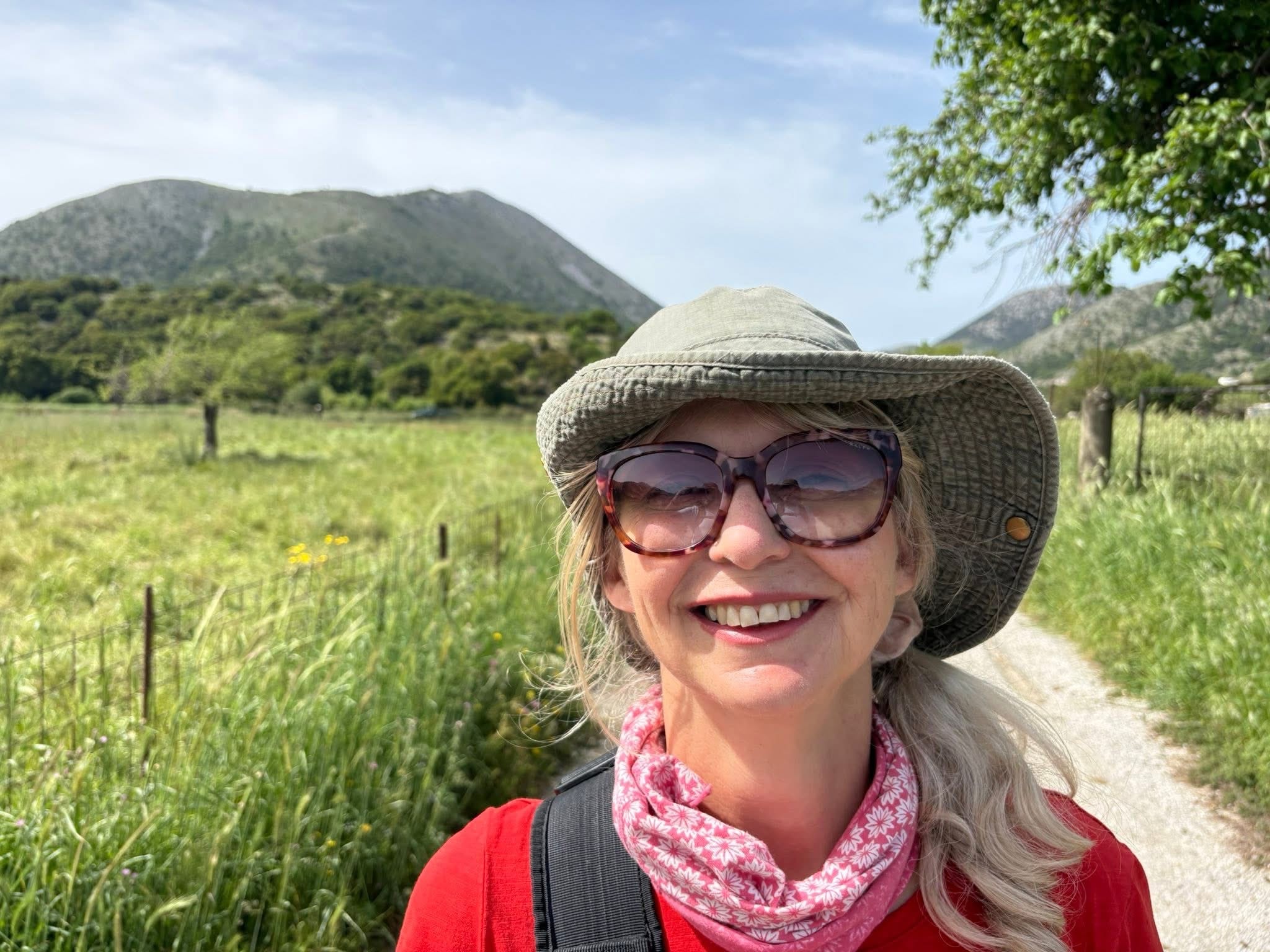
Two weeks after finishing our hike following the Allied Evacuation Route across Crete, I was standing in a hotel shower, staring absently at the tiles, wondering why I had not yet been able to write a single word about our pilgrimage, when the answer hit me squarely between the eyes.
Guilt.
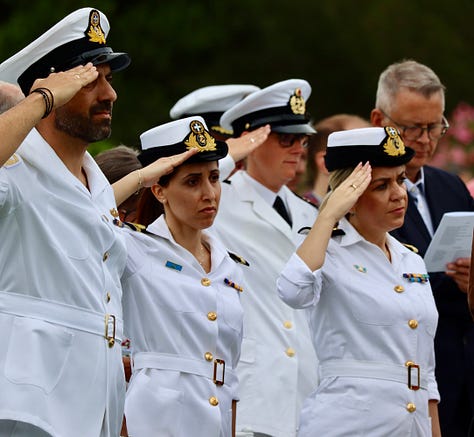
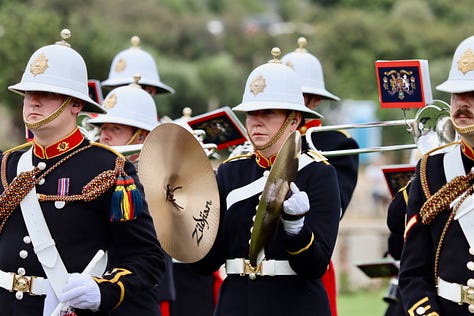
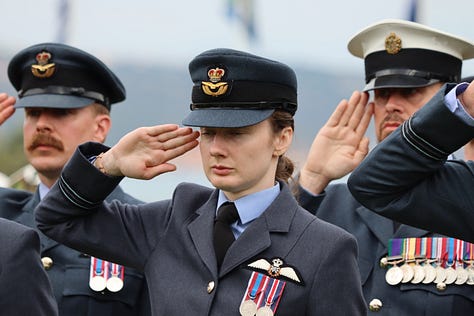
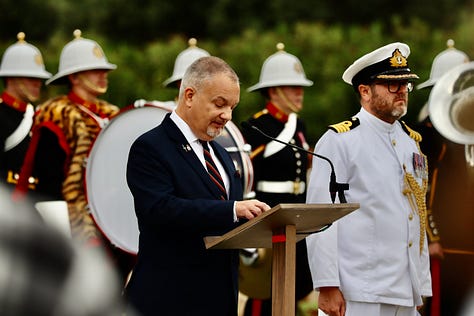
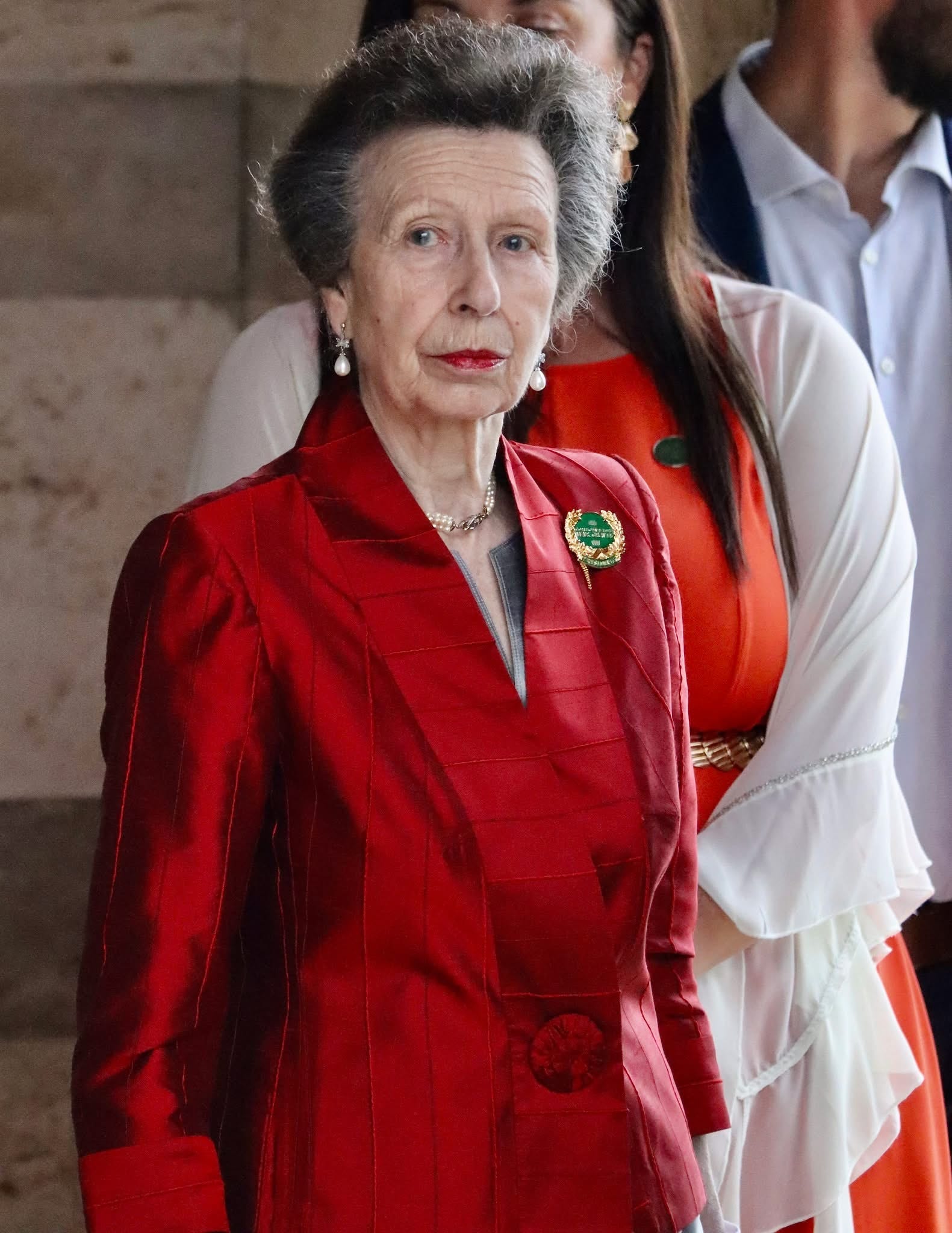
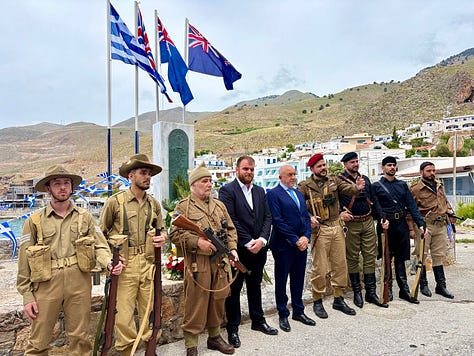
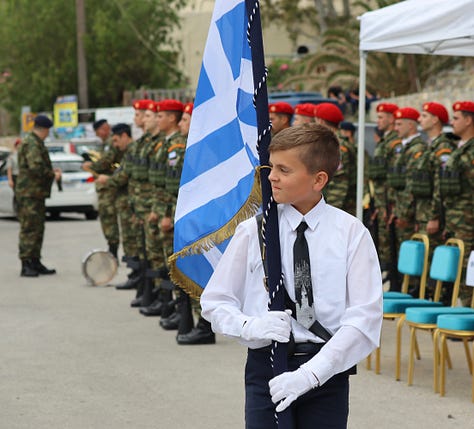
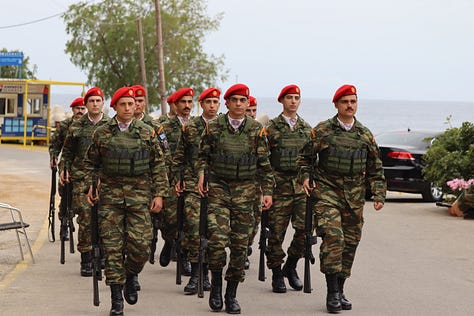
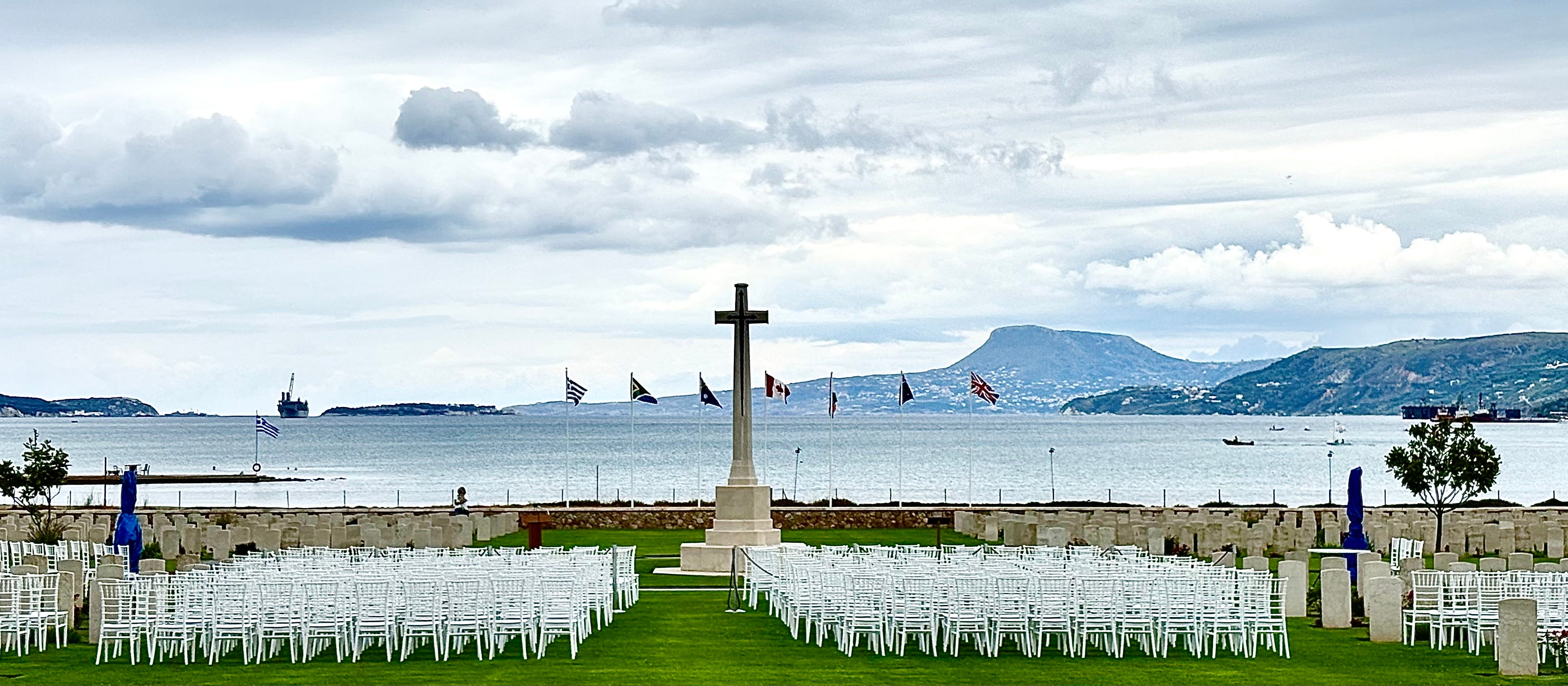
In the intervening weeks, Craig and I had attended official Battle of Crete memorial services in Hora Sfakion and at the Commonwealth War Cemetery at Souda Bay (along with Princess Anne!), Craig had gone back to work in the UK, and my best friend had arrived to visit Kritsa and to sightsee around Chania.
I told myself life was just too busy to write. That I would start scribbling again soon.
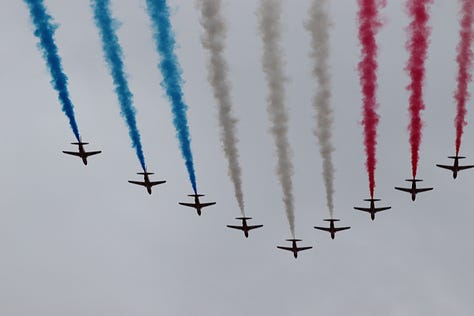

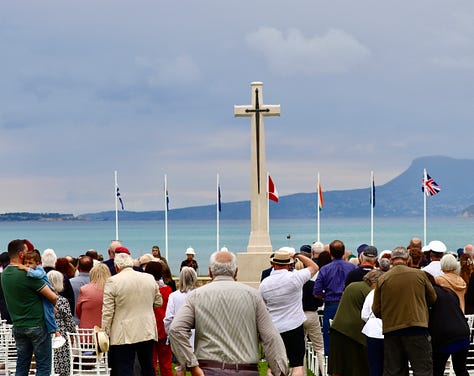
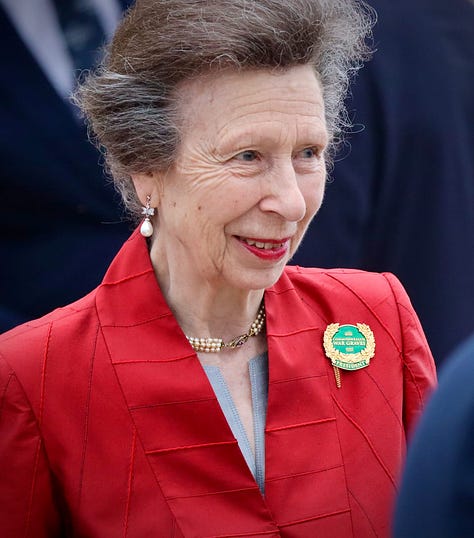
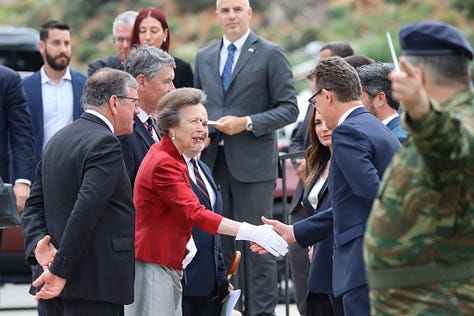
Once I’d put a name to the feeling, I couldn’t stop thinking about why the walk had affected me so much. The date made it harder to ignore. It was the first of June, eighty-five years to the day Harry had been captured.
For me, the walk was an opportunity to discover more about Uncle Harry and to get closer to his story. But now I realised that the experience had been important for me personally too. Months earlier, I had resigned from a job that left me angry and exhausted. Training for the Evacuation Route had given structure to my weeks and a goal to work towards. Every mile I walked made me feel better, physically and mentally. There was the challenge of walking longer and longer distances. I reclaimed pieces of myself with every step.
Then, at the end of four days hiking coast to coast through the White Mountains, immersed in spectacular countryside and walking alongside people who had become good friends, I was exhilarated. My legs ached and my feet complained, but I was thrilled to have made it to the end without significant struggle. I was amazed that my ageing body was capable of far more than I had imagined under pressure. I wanted to carry on walking. Walk more. Walk further.
I felt invincible.
At the same time, I knew Uncle Harry could never have experienced the same feelings. After fighting in the rearguard and walking with little food and almost no water, he was captured and marched back through the White Mountains over five long days.
In the weeks that followed, Harry was imprisoned in a camp in Lower Galatas where dysentery was rife. He was transported across Europe via a hellish camp in Salonika to Stalag XVIIIA, before being moved to Blechhammer Labour Camp, a subcamp of Auschwitz.
Between 1942 and 1944 he worked alongside Jewish slave labourers at the petrochemical plant and oil refinery, which was frequently bombed by the Allies. It was a place where inmates who shared or gave away food faced extreme, often lethal punishments. The answers Harry gave later on his ‘Top Secret’ MI9 Liberation Questionnaire hinted at dark experiences that the form expressly prohibited him from discussing with anyone.
Harry saw and suffered terrible things. Things that made my heart break for the quiet, sensitive, Shakespeare and Balzac-reading man my mother described. And here I was at the end of our walk, feeling fantastic. Bursting with achievement. Feeling capable of anything.
It all just felt wrong.
The contrast between the two versions of the same journey - mine and Harry’s - was too much to process. My guilt was so intense that I delayed even longer in setting anything down. Suddenly it was nearly the end of June and I had still not written a word.
The truth was that I had no idea how to write about any of it.
I did not know where to start.
So instead of writing, I went back to Harry.
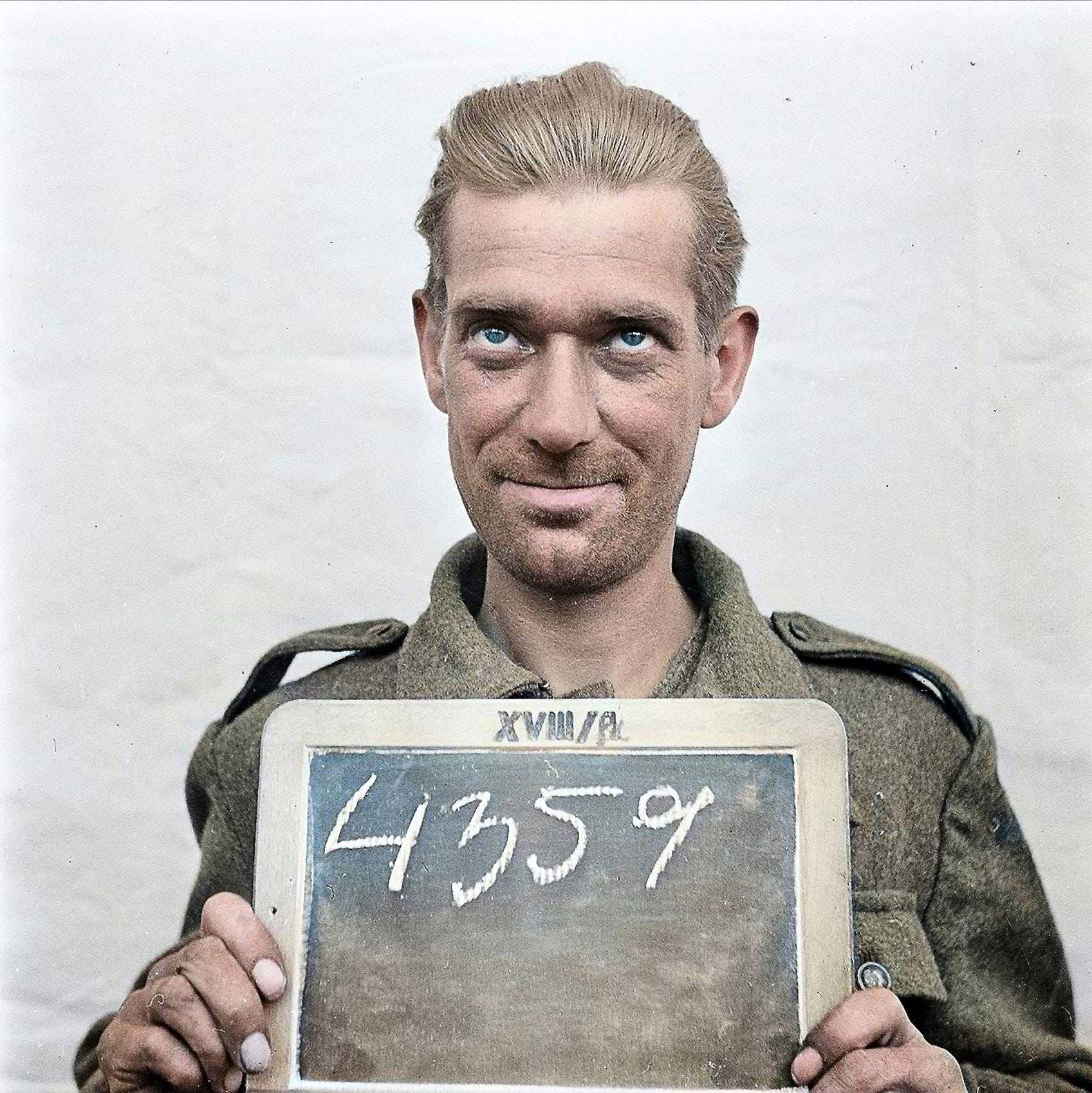
I asked my mother for more details about him – simple things about his appearance. She described his brown hair and blue eyes. His war record confirmed an upper body measurement of just 37.5 inches. He was one of the ‘scrawny-chested’ Brits Australian troops pitied.
Crucially she told me more about the man he became.
She told me that Harry shared the family home with his older sister and her children. That he bought ‘Fudge and Speck’ books for her when she was a child, that he watched the plays she and her younger brothers performed for him on the ‘stage’ - a long step in their back kitchen - and that he marked their heights on the wall in his sitting room where he could sit quietly by himself afterwards.
She remembered his kindness, but that he was withdrawn and often sad. My uncles remembered a slightly lighter version of Harry - the painter and decorator who moonlighted as a window cleaner and occasionally sent them running to the bookies. I’m grateful for that glimpse of brightness.
But Harry never did move out of the family home. Never married. Never had children. If his date of birth had been as the Navy believed when he enlisted (he cut four years from his age to ensure that he was eligible to serve in the front line), then when he died in 1965, he would have been exactly the age I am now.
Over the course of our Evacuation Route hike, another walker, Michael, without knowing it, became the lightning rod for some of my thinking, helping me to see Harry differently. At thirty, he was close to the age Harry was during the Battle of Crete. Watching him move through the landscape transformed my mental picture of my great uncle.
Harry was no longer frozen in black and white. He became a young, energetic man from Manchester, who, in the space of a few short weeks, found himself transported from the UK to North Africa, and then on to Crete. I imagined him climbing paths, sharing time with his pals, looking out across the White Mountains, far from home.
Harry wasn’t the only thing that came into sharper focus. The walk changed the way I saw Crete as well.
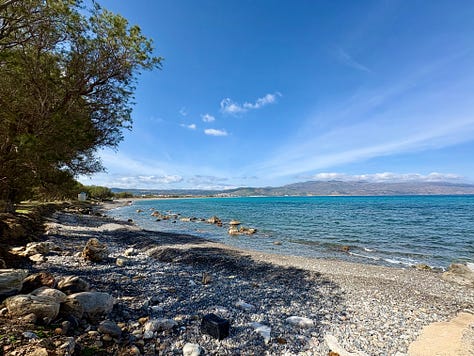
As the coast gave way to foothills, villages to mountains, and the White Mountains opened out into plateaux, every day felt like walking in a different world. Details emerged that would have been invisible if I had been behind a steering wheel. History showed itself in fencing made from rifle parts, and gates cut from tank armour. Mortar holes in the Tavronitis Bridge were the size of my fist. Bunkers lurked in hotel grounds.
At Malaxa, above Chania, it was impossible not to imagine the battle unfolding all along the coastline. At the well in the Imbros Gorge it was unbearable to think about men queuing hours for water, knowing their lives depended on pushing forward to reach the sea.

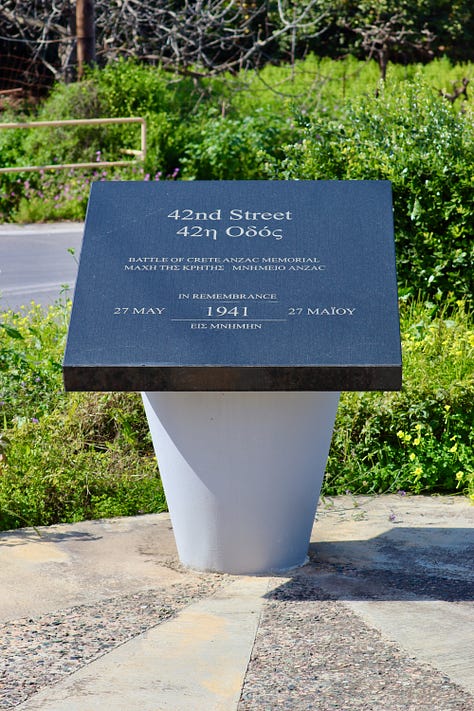
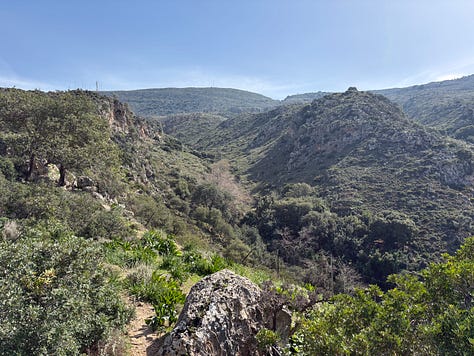
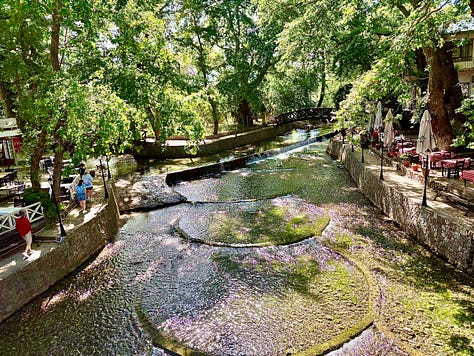
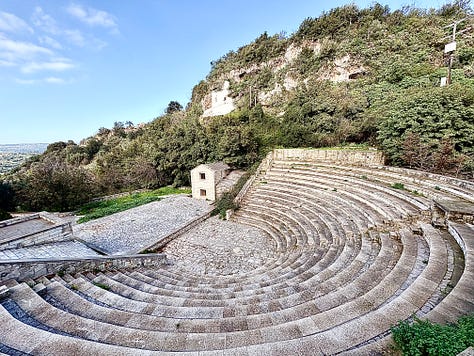

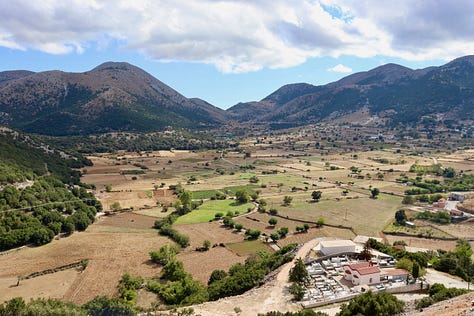
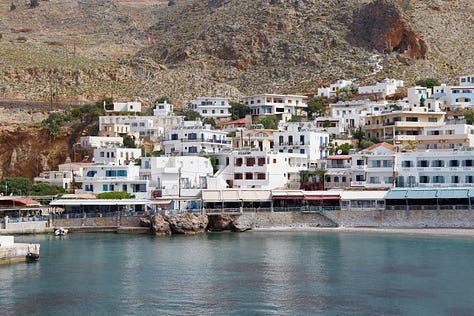
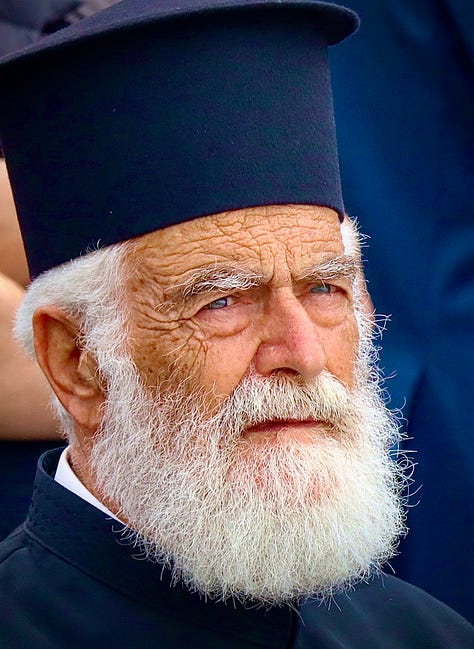
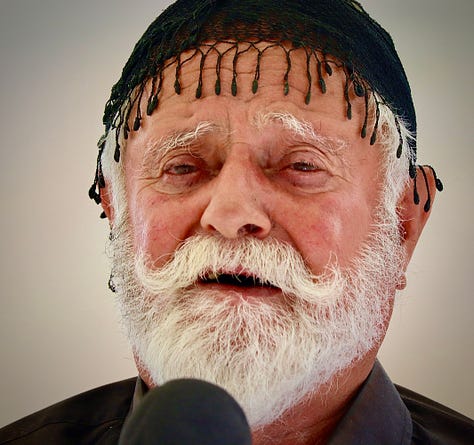
Along the way, I met people whose families had been part of the landscape. Tour company owner, Ioannis Thymianos, told me about his grandfather, a priest, who helped Allied escapers to hide and move on, even while Germans troops were living in his house. Relic hunter, Stelios Tripalitakis, spoke about his grandmother, who cooked for desperate soldiers as they withdrew south. Georgia Chatzidakis shared the story of her great aunt - still a child – who was killed when a grenade destroyed the family home.
The evacuation route was a spectacular long-distance hike, but it was also haunted ground. It was full of history and people. It became visceral and real as I stood in the places events happened.
That’s why I also came away convinced that more people should have the opportunity to walk the Allied Evacuation Route.
Remembrance shouldn’t be reserved just for anniversaries. Making the route more accessible to hikers and visitors - formally marking it out with signposts and information boards - could create opportunities for education, understanding and reflection. It would allow future generations to experience defining moments of Cretan history right where they took place.



Walking coast to coast was a joy and a privilege. It transformed my attempt to explore family history from something hazy and vague into a shared, human experience. Our group began as strangers on a beach, each with a different reason for being there - an interest in military history, in photography, in long-distance walking, in family connections - or simple curiosity. The further we walked, the longer we lingered together each evening, sharing food, conversation, discoveries and memories.
Thank you to Sean, Kyle and Clive for the windows into history, to Gordon for the military insight, and to Janice, Michael and my husband Craig for the company, good humour, pathfinding and practical support.1
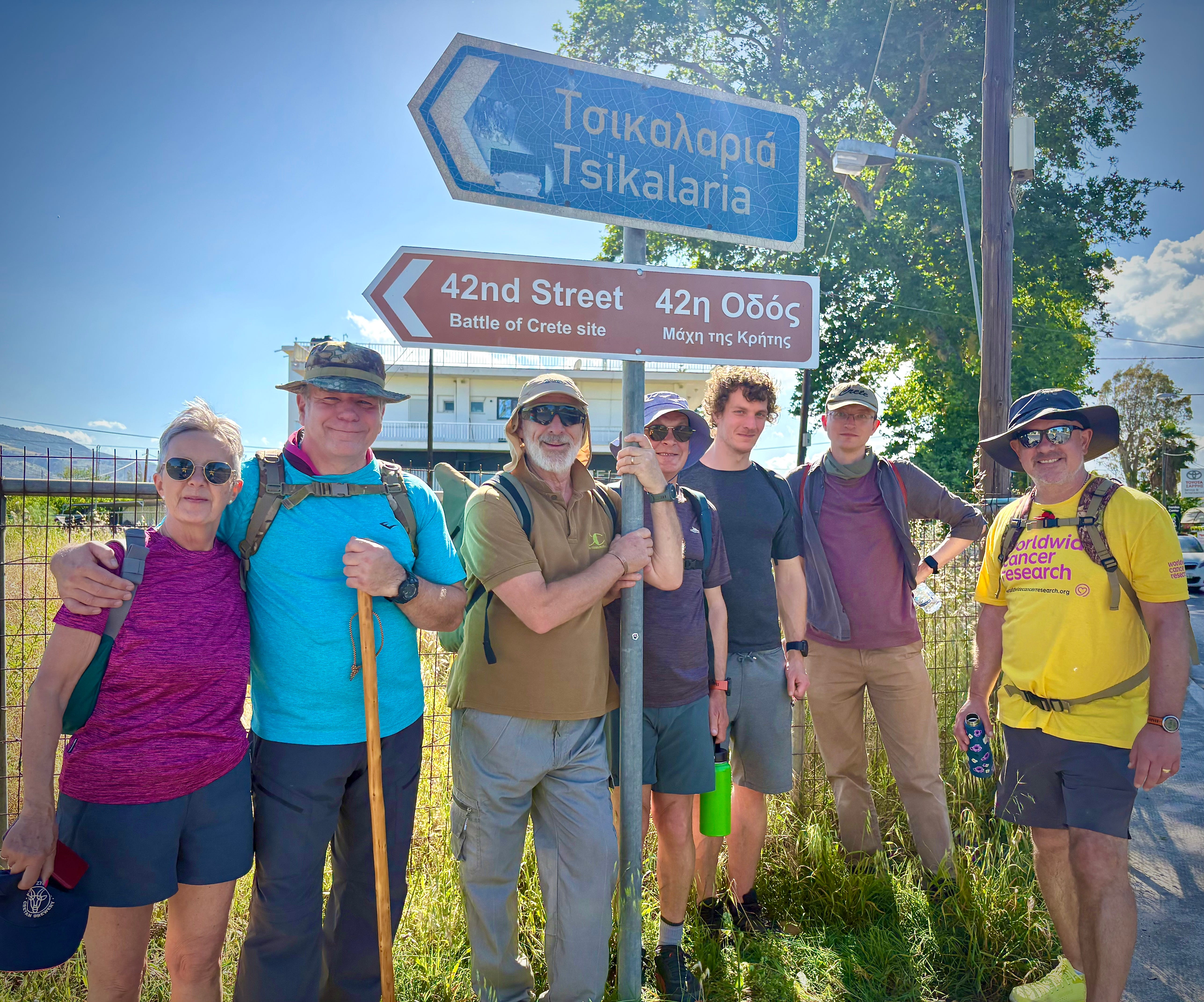
I know now that the guilt that stopped me writing came from comparing my experience with Harry’s - examining our stories too closely. I felt uncomfortable finding joy, achievement and friendship on a route marked by suffering. But coming to Crete to draw parallels was never, ever, the point.
Walking the evacuation route could not recreate Harry’s experience. I will never understand everything he saw and endured. What the walk gave me, was something simpler and more valuable: A chance to appreciate him as a real person and as a part of the family.
Now, when I think of Harry, I don’t just see his black-and-white POW ‘mugshot’. I picture a young man, far from home, crossing the White Mountains. I’m proud that he played a part in Crete’s history, and I plan to place his medals beside his photograph on my bookshelf.
I picture him sitting in his sister’s house on Clifton Street after the war, trying to make sense of everything that happened. How to account for it all in a single lifetime?
I feel close enough to him now to share some of his sorrow - and close enough to say thank you.
And because of that, I know every step was worth taking.
Your support helps me keep writing - thank you - and please feel free to share, if your friends would like to read Claire in Crete
If this series of articles about the Evacuation Route has made you want to explore Crete further, then please take a look at previous ‘Claire in Crete’ articles for more inspiration and entertainment - like this post about a shorter walk Craig and I took near Elounda. We might have gone a bit ‘off piste….’
Lost Beyond Elounda...
·
September 2, 2025
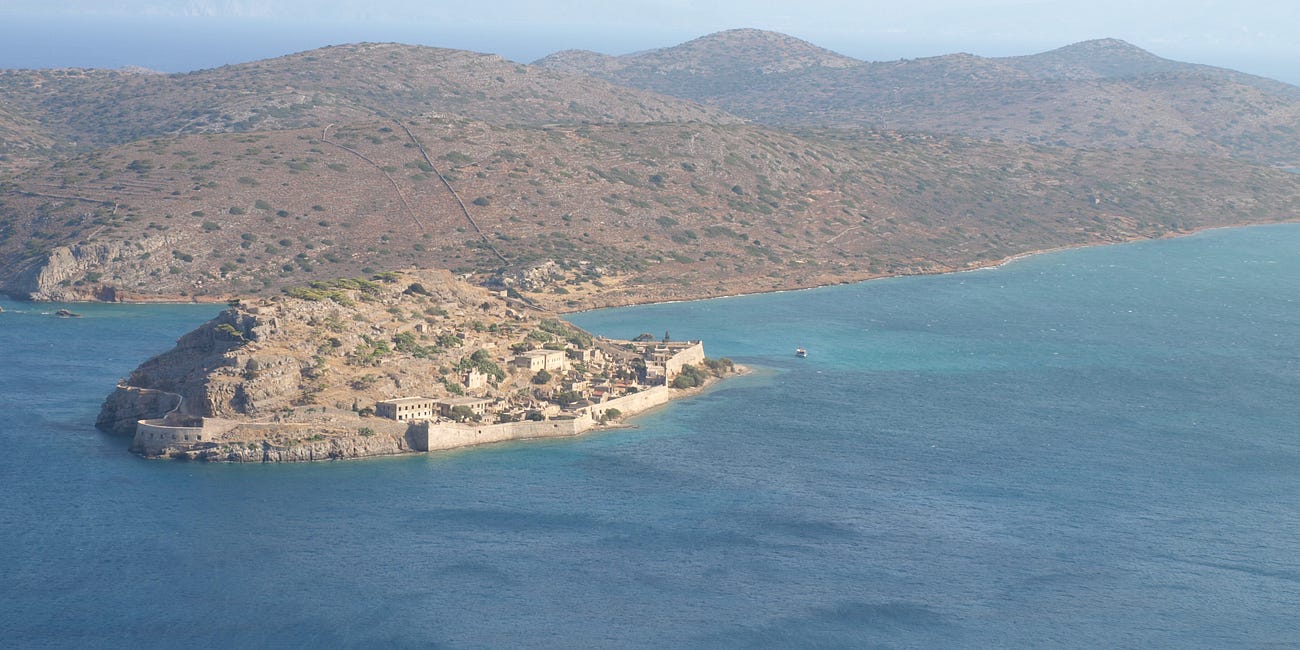
Craig and I are lost - somewhere between Plaka and Milatos, in the thorny, mountain hinterland of East Crete where it feels as if you could tumble over the edge of the world…
There are more people to thank here, who also provided information and resources:
The members of The Cretan Commemorative Committee who supported our walk with practical help and information, particularly: President, Ioannis Thymianos, Vice President, Sean Johnstone and members John William Irwin and George Tsampas.
Filmmaker and historian, Vicky Arvelaki
Georgia and Andreas Chatzidakis of The Askifou War Museum
Historian, explosives expert and relic hunter, Stelios Tripalitakis
Richard Cato, who supplied me with the audio testimony of his father, Sgt Colin Cato 7071, 27th Machine Gun Battalion, NZEF
Maggie Gotts, who supplied material which featured the testimony of her relative, Alfred Gotts 909424, 64 Medium Regiment Royal Artillery.
The relative who supplied me with links to the audio testimony of Royal Marine, Francis (Frank) Mortimore, 'S' Searchlight Bty, 11th Searchlight Regt, Royal Marines, MNBDO, held by The Imperial War Museum
Comments
Nothing yet. Say the first thing.
Sign in to join the conversation.