
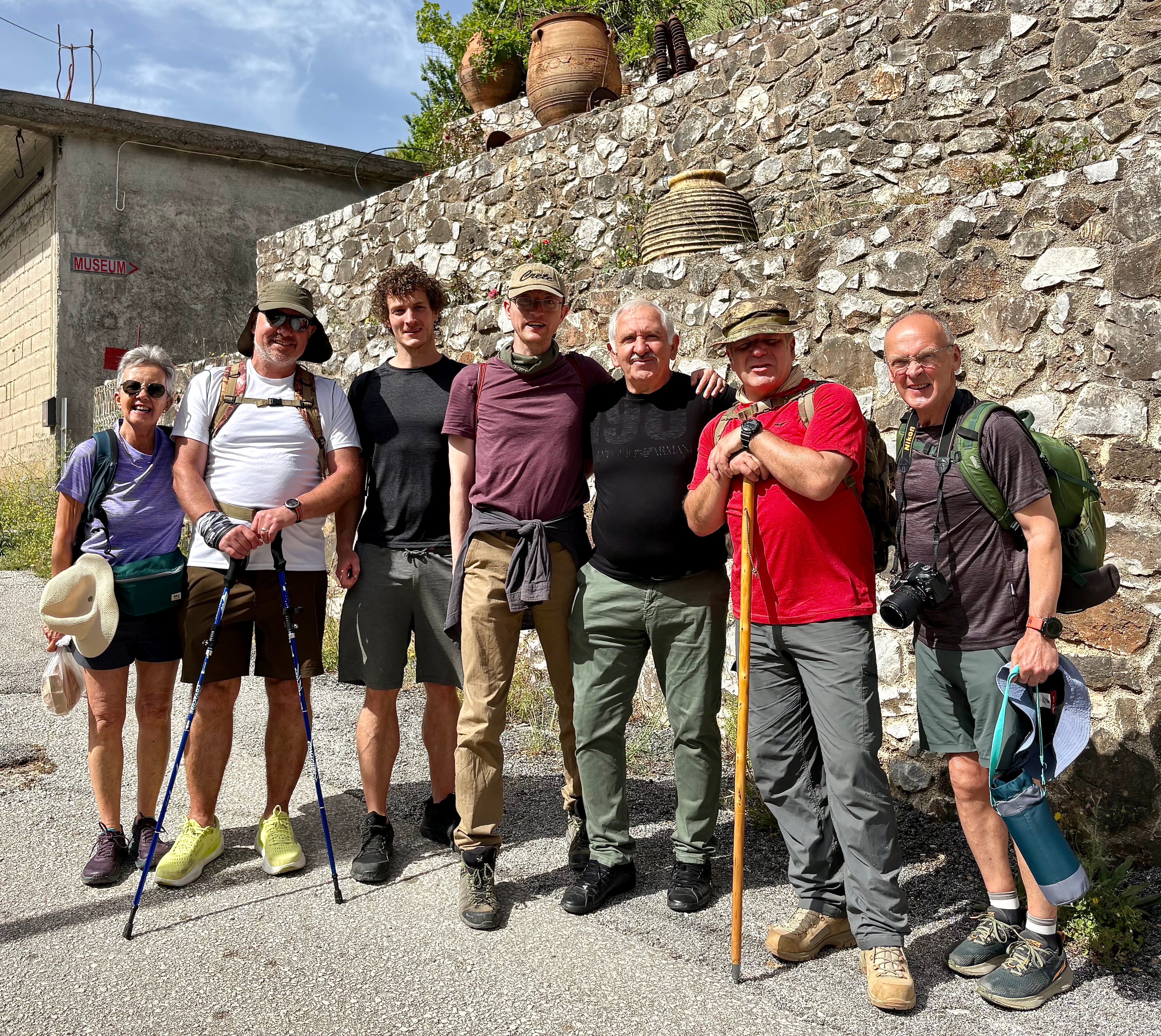
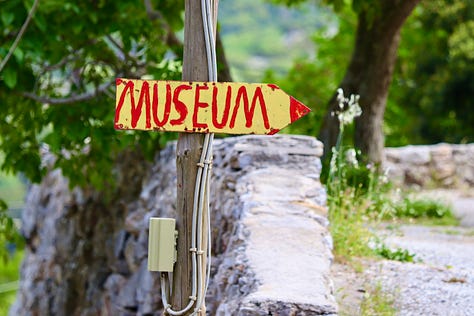
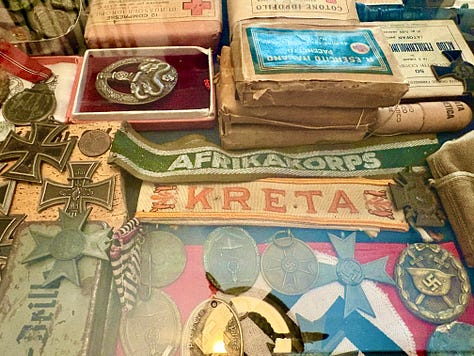
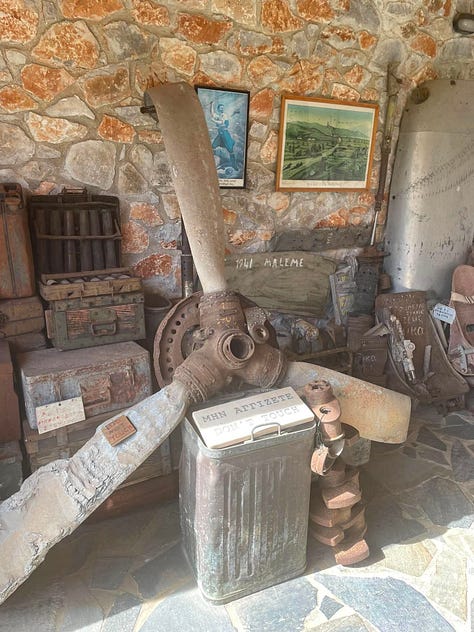
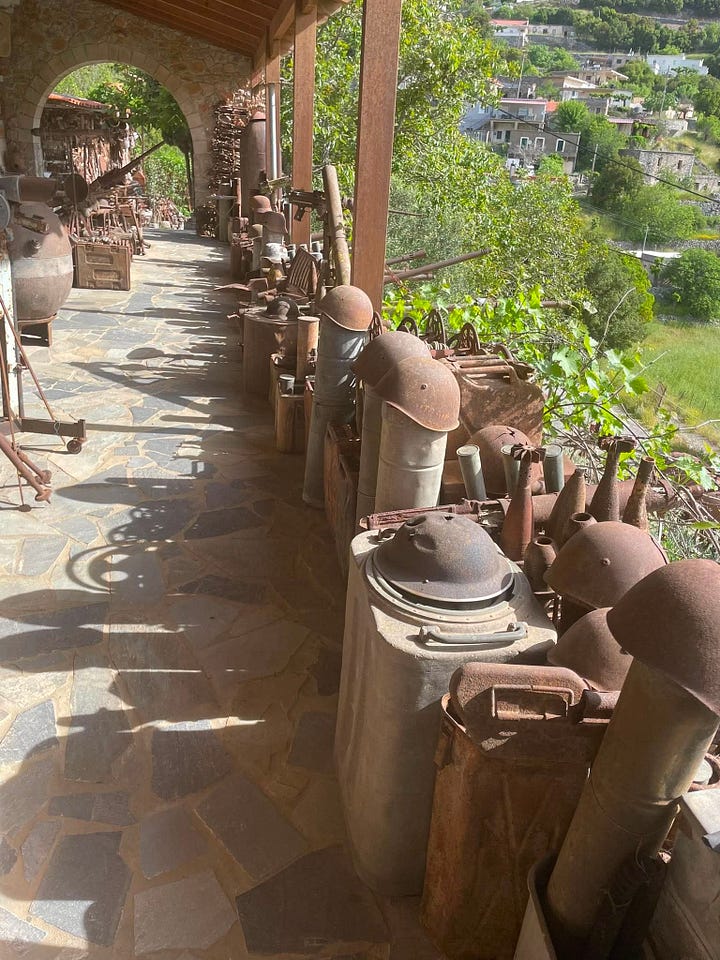
I’m standing on the shady terrace of the Askifou War Museum, high in the White Mountains, listening to Georgia, the curator, talk about the collection, when I see a helmet pierced so precisely by a bullet that it seems to preserve the exact moment a man’s life ended.
The urge to touch it – to run a finger over the smooth curve of metal - is so sharp that I have to restrain myself. In this shadowy place, lined with field guns, spent shells and rockets, and as full of stories as a church cloister, it is a tragic, precise point where 2026 connects directly to 1941…
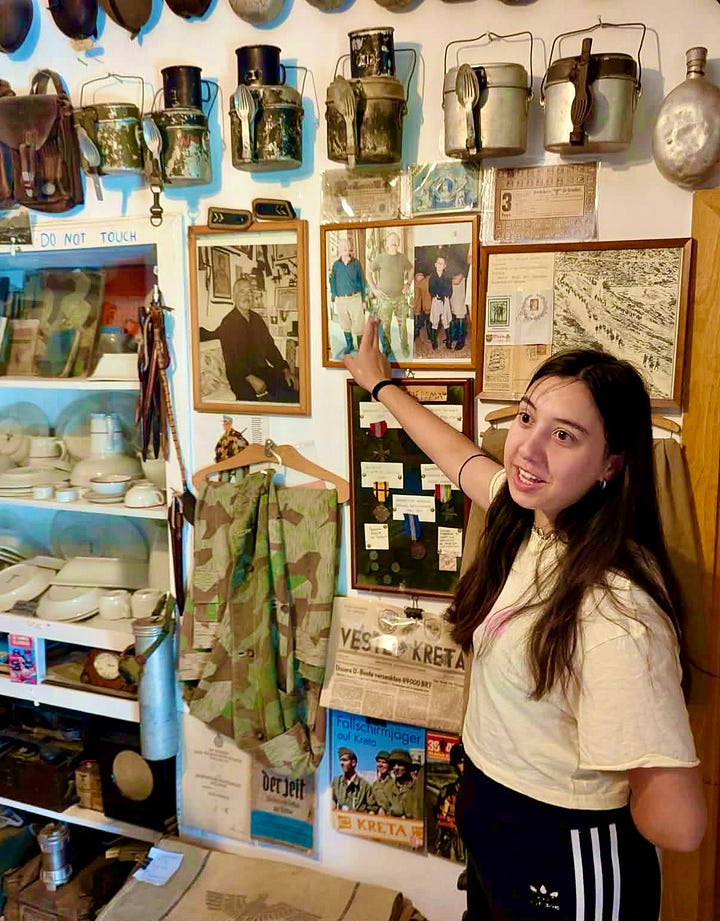
Our little group of walkers is on the last day of an epic, four-day journey from coast to coast, following the Evacuation Route the Allies took during the Battle of Crete. I’ve already walked 75 kilometres following in the footsteps of my Great Uncle, Royal Marine, Harry Palmer - and it feels as though the two stories I’ve been holding in my head - the dark story of the Allied Evacuation, and the brighter story of our walk - are drawing ever closer together.
Somewhere we will walk today is the place Harry Palmer’s freedom ended.
I wonder if I will know it when I get there.
***
85 years ago, 20,000 Allied troops crossed this high plateau in a desperate, chaotic withdrawal. The rearguard was charged with keeping the Germans at bay, falling back in stages to lower ground. Ships heaved into the sea lanes off Hora Sfakion, removing troops by night, but the Germans already had command of the air and were gaining the high ground. The Allies were running out of time.
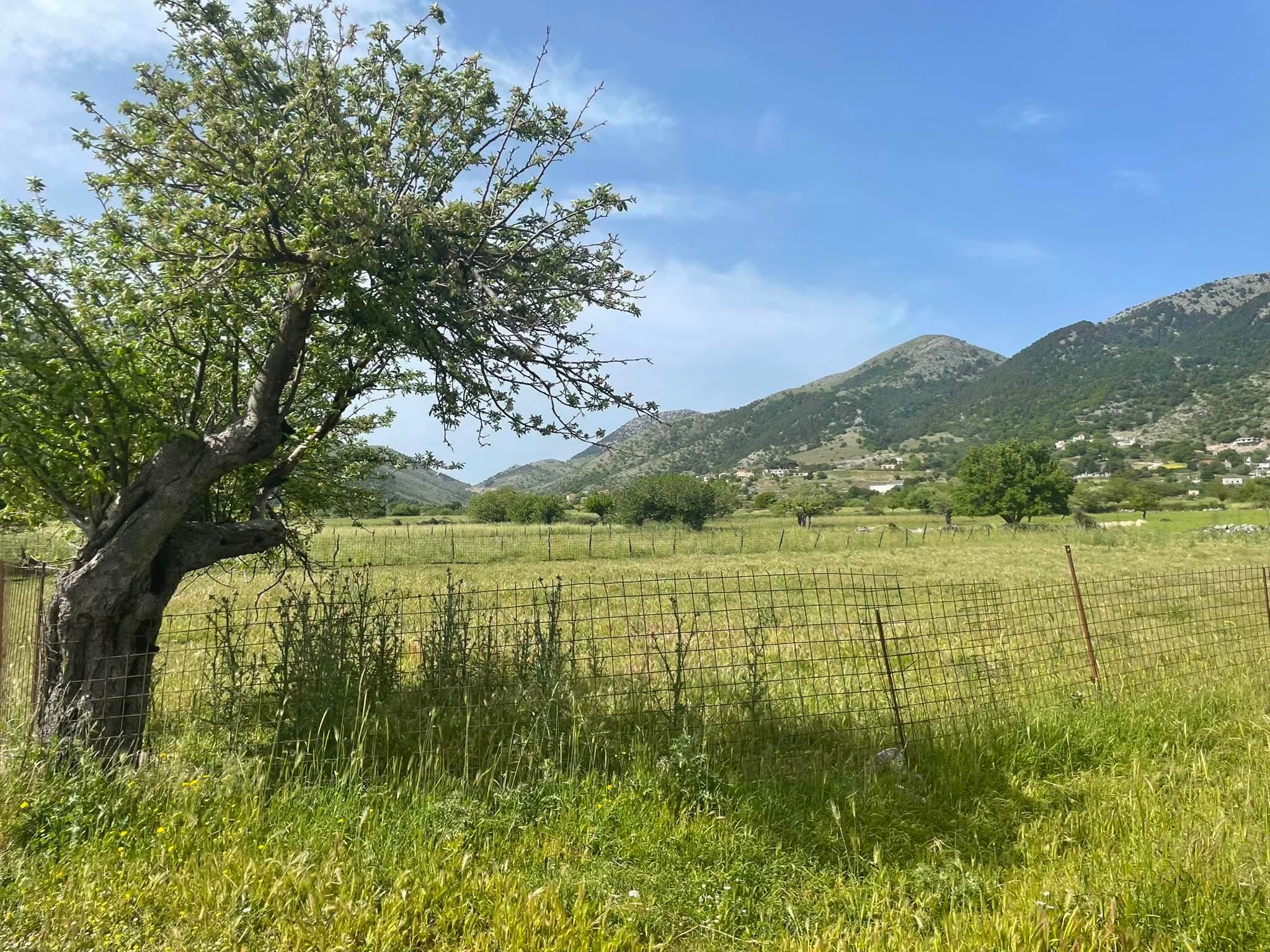
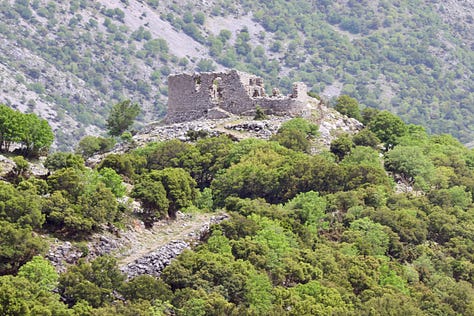
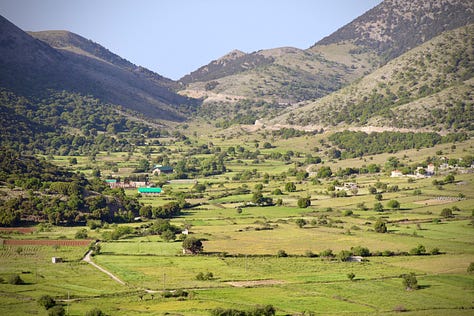
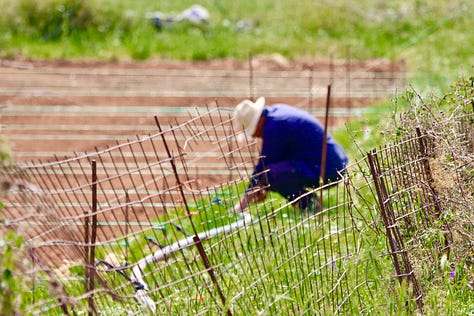
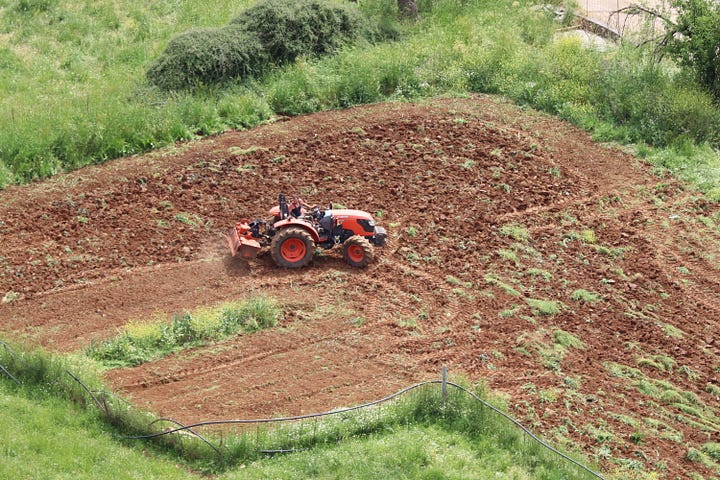
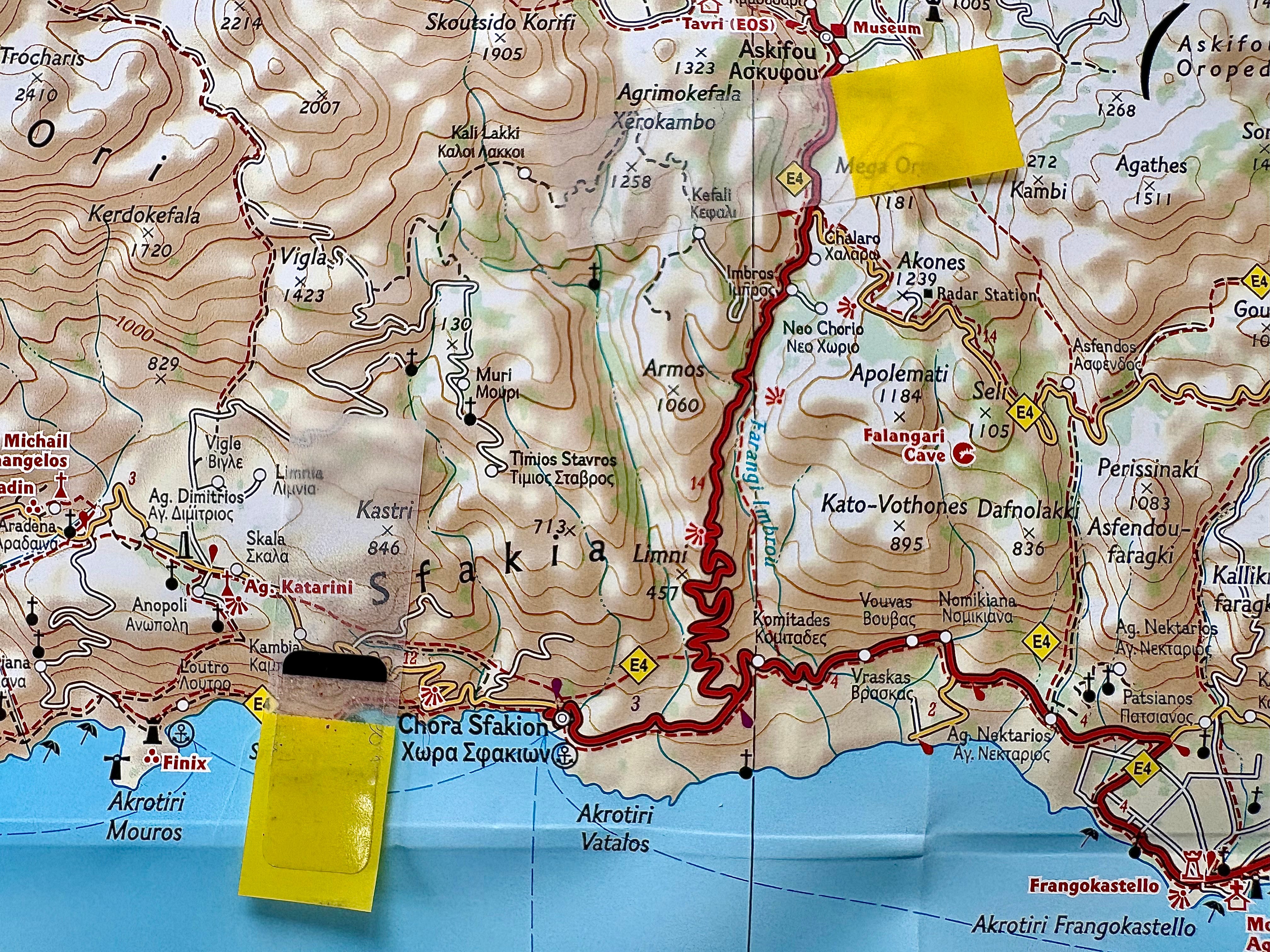
Today, when we take our leave of Georgia and begin our walk south, beneath the imposing ruins of a Turkish fortress, the atmosphere could not be more different. The landscape is lush with wheat and wild orchids and richly scented with honey. In the fields, a smudge of dust and a flash of gleaming red draw the eye to a tractor turning over the soil.
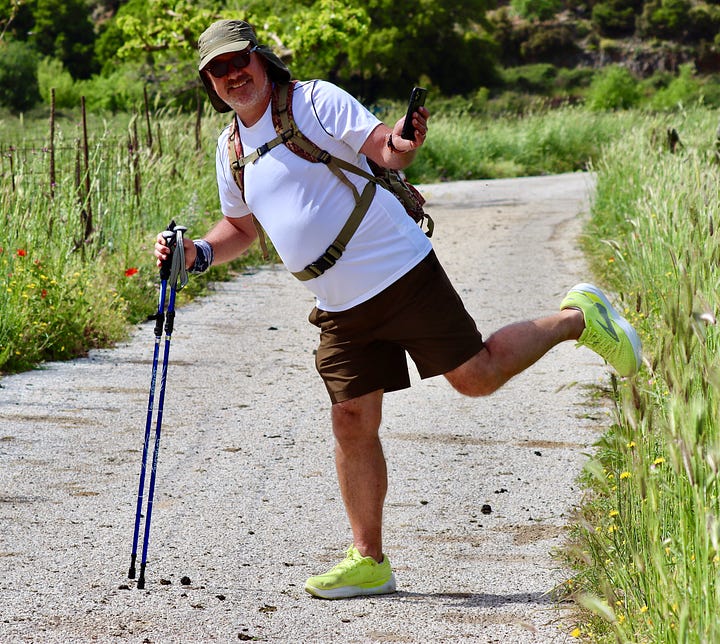
Michael is our pathfinder today, out in front, consulting his walking app, while I walk firmly on my tender ankle, planting my foot carefully to avoid uneven ground. I’ve dosed myself on painkillers and stretched support tape around the swollen joint, but the sticky edges of the binding are already curling where they meet insect repellent and suncream. I give myself a shake and resolve to ignore it.
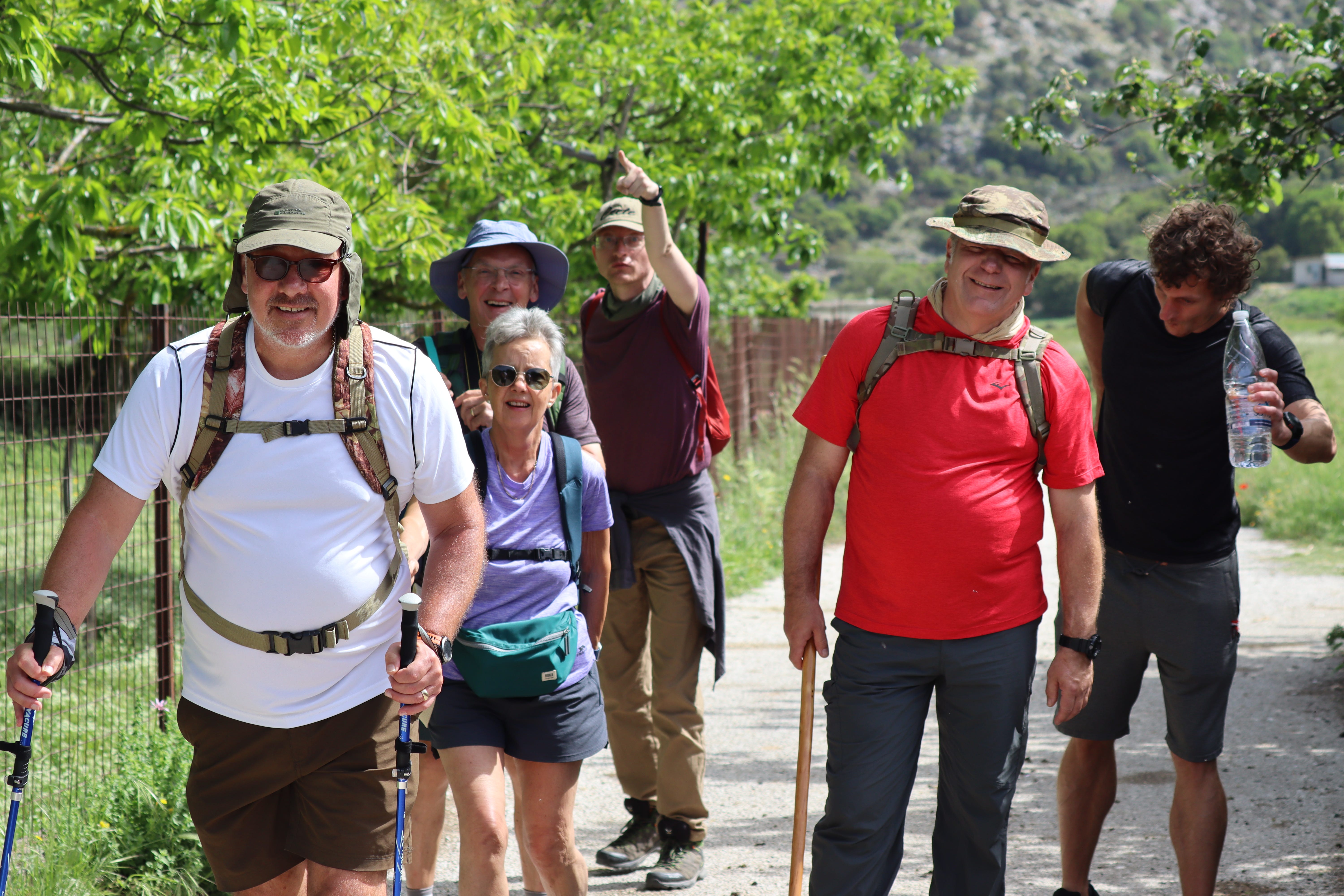
Everyone is animated and smiling today, a little more playful, more relaxed now that we’re heading downhill. It seems so strange to think that three days ago we were perfect strangers. We’re all stronger, a touch leaner, easy with each other’s pace - and clearly friends.
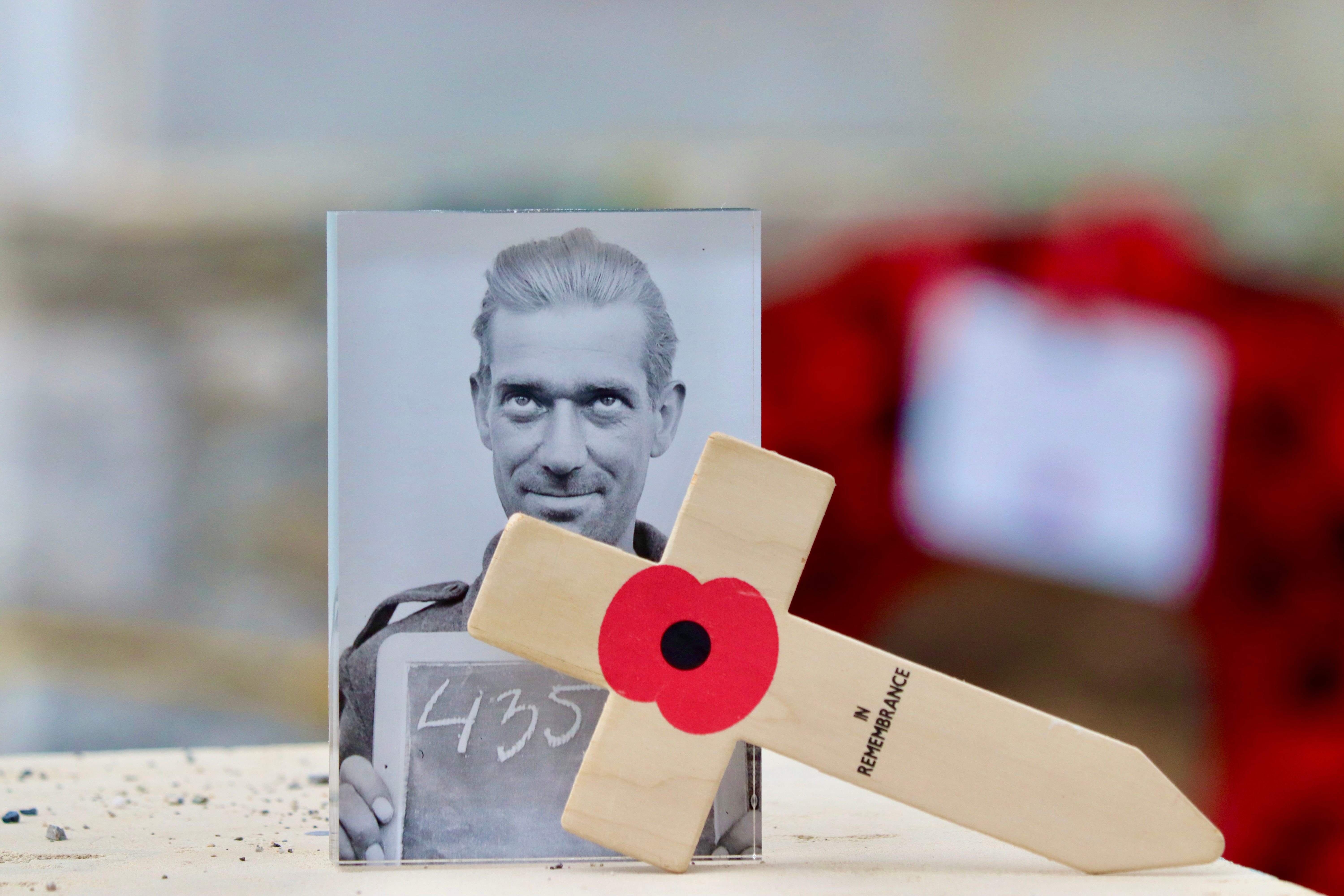
Gunfire ricochets around the ridge line as our path nears the highway on the south side of the plateau. Shots followed by a few moments of silence, then the same pattern repeated. There are sporting ranges above the road but the reverberating cracks are still shocking. I think of Harry’s photograph resting in my bag beside my camera and wonder how he would have felt coming back here to the sound of guns.
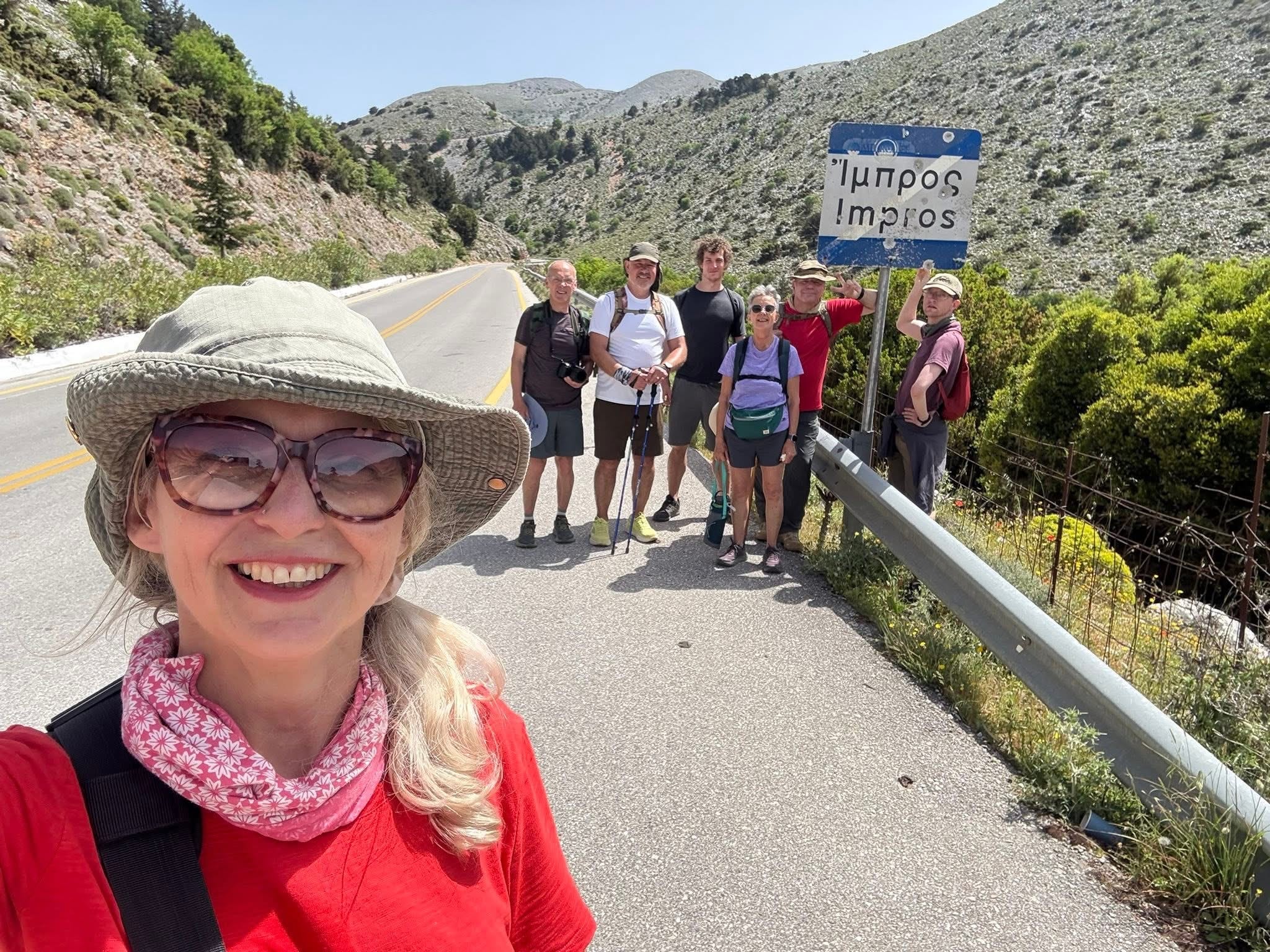
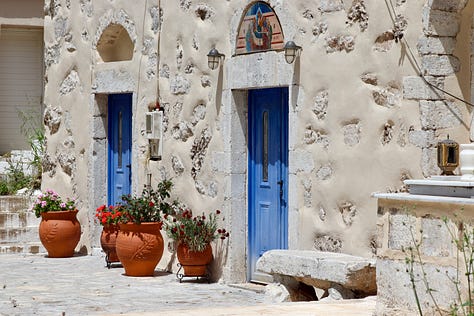
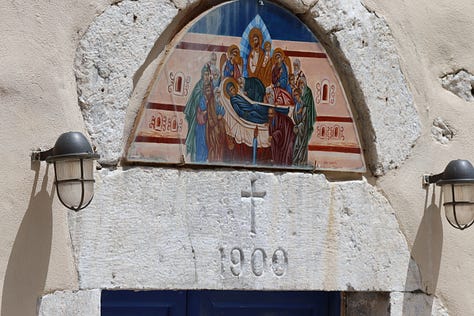
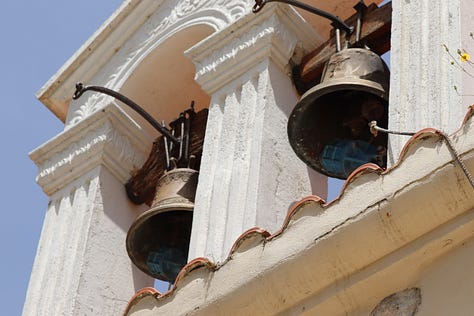
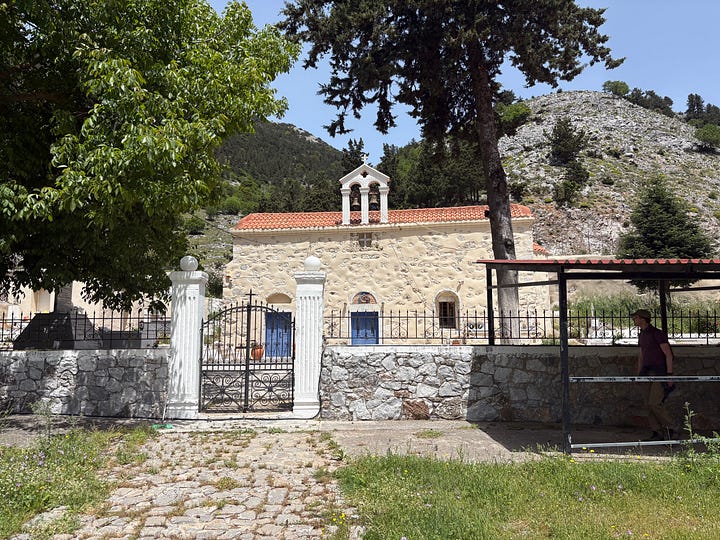
We pause at Imbros village for lunch, where we’re joined by Gordon’s daughter Kirsty and her partner Brendan who’ll be walking the Imbros Gorge with us this afternoon. While we wait for our food order, Kyle and I jog back to the red-roofed church of the Assumption of the Virgin, nestled in a bend of the highway at the entrance to the village. In May 1941, ANZAC medical officers turned the church into a makeshift hospital and refused to abandon the wounded, even as the Germans advanced. There’s a plaque inside that details the story and commemorates their bravery, but today the church is locked, and with no time to seek out the key, we leave the churchyard to the resident sheep.
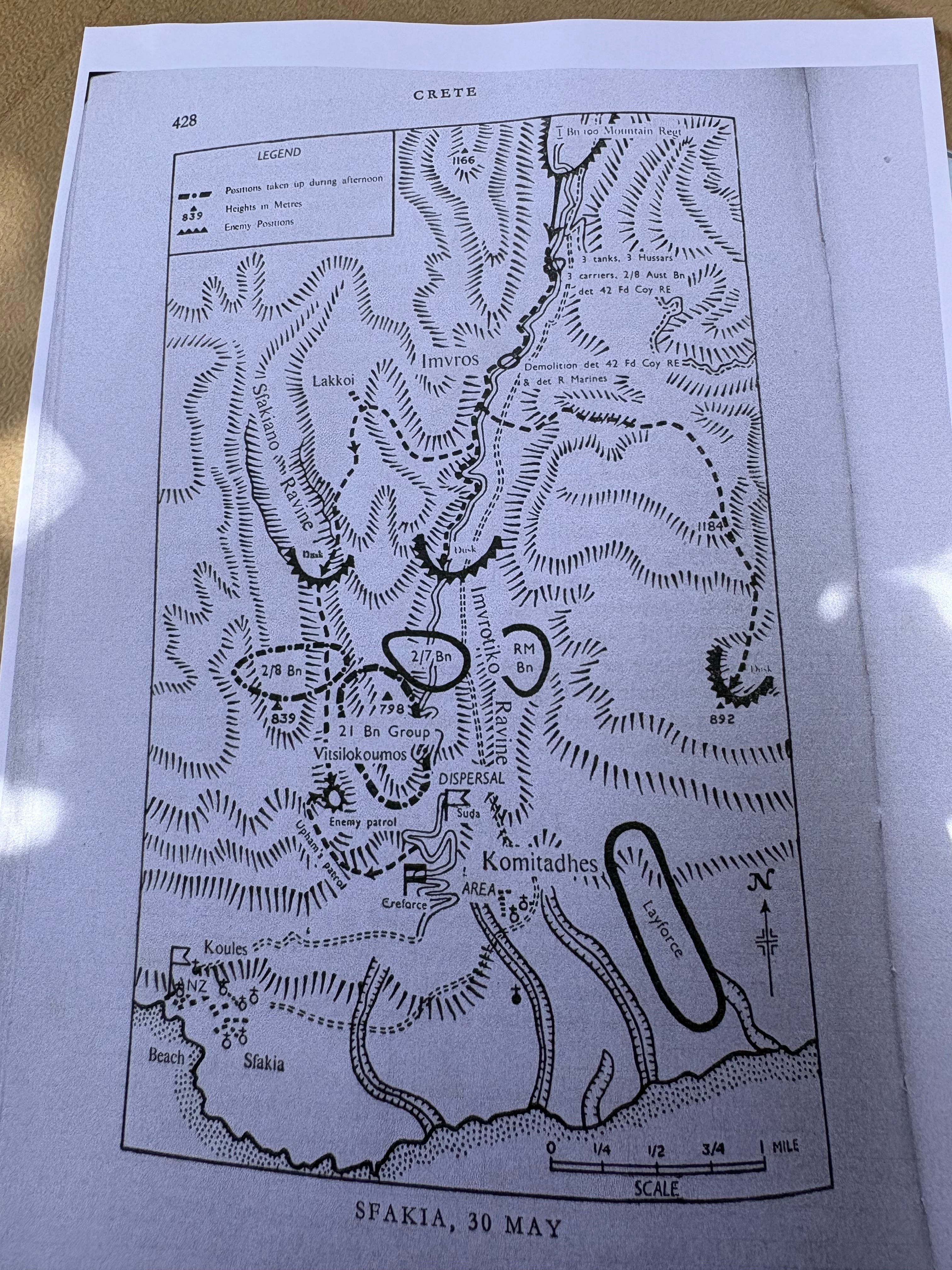
Back at the lunch table, Clive has been examining a sketch map from 1941. He glances at me, then pushes the sheet of paper across the table - “You might want to look at this.”
I peer at the hand-drawn map. It takes me a moment to understand – but when I see it, suddenly all the hairs on the back of my neck stand up. The Imbros Gorge and Sfakia are marked, and there are symbols to show German troop positions. There are also circled areas that reveal where Allied battalions were at dusk on 30th May 1941. And right there, on the right-hand side of the gorge is the abbreviation ‘RM’. Royal Marines.
I’ve always known that Harry was in the rearguard of the action, but not exactly where his battalion was. This walk has been about discovering and experiencing the territory of his last few days. Until now, I’ve only been able to imagine his final hours, but this looks like evidence that on his last night, Harry was deep in the Imbros Gorge.
I stare at the map. Here, Harry Palmer was still a free man.
He’s only a couple of hours ahead of me.
Soon, we’re entering the gorge, where sharp-scented herbs flourish in the cooler air. Towering limestone walls narrow the sky, steadily filtering out the light. Bright red paint is slick on rocks and trees. It smudges wet on my fingertips when I touch it. Today, someone is guiding us on.
Gordon glances around frequently, his military eye assessing the ground, the sightlines, the areas of cover. He has promised to point out where he thinks the Royal Marines’ position would most likely have been.
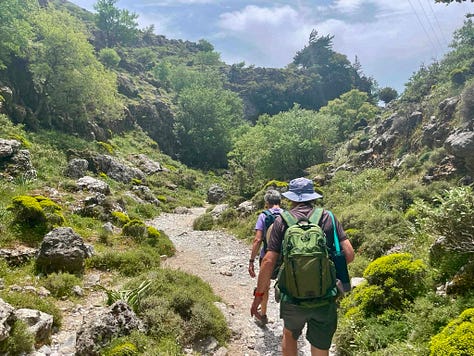
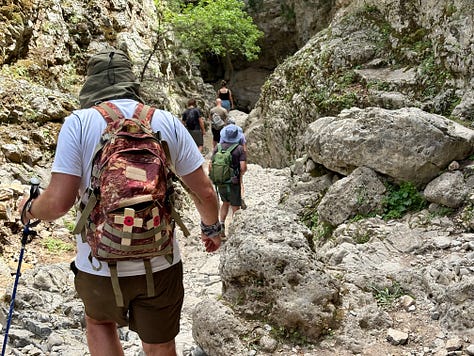

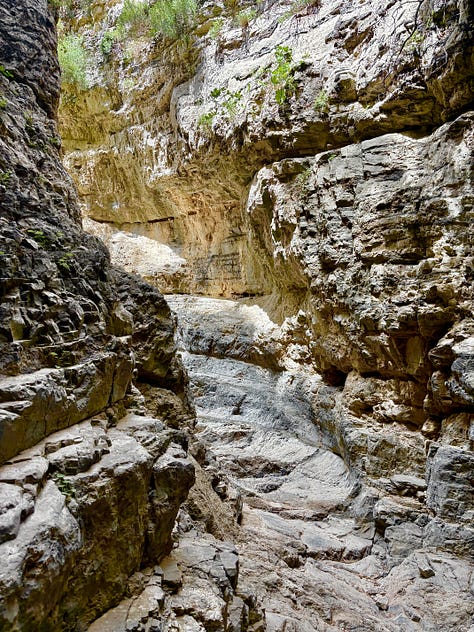
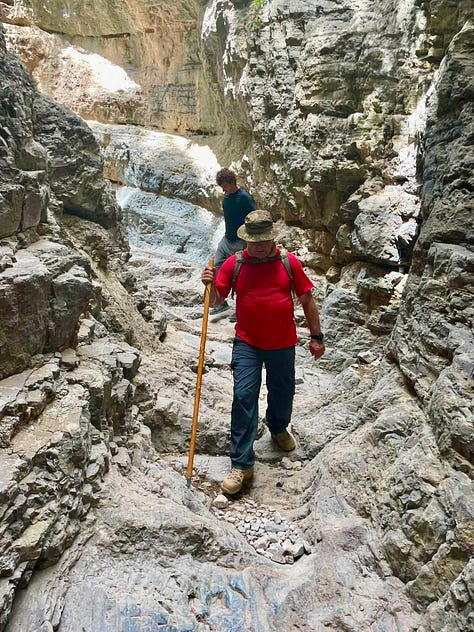
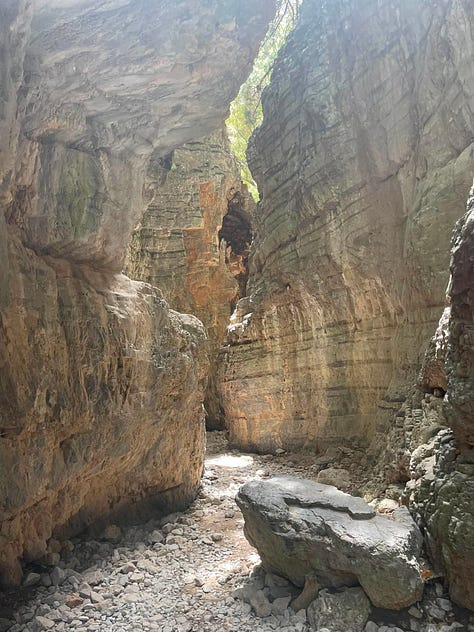

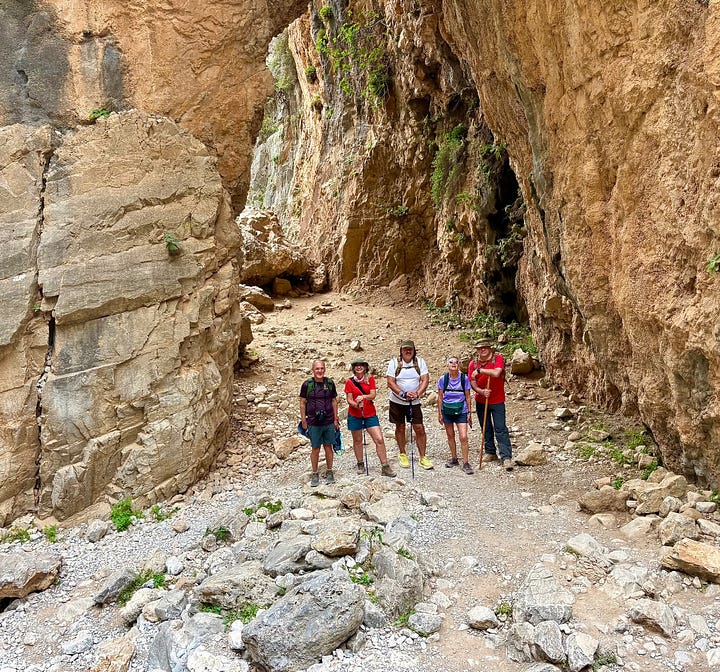
Now, I feel I really am walking in Harry’s footsteps – or rather limping - because the gradient and the loose trail surface is testing my tender ankle. I borrow a walking pole from Craig and lean heavily on it every time I step down. Ahead, Michael and Brendan are leaping like mountain goats from rock to rock, zipping through the narrow, stone corridors of the smooth stenada. There are only another thirteen kilometres or so left to walk. It will be fine.
At Mesofaragi, where there is a well, a tiny snack bar and a stoic, sweating donkey, I glimpse a wiry man with a silver pot of red paint and a brush. My gaze snags his and we squint at each other, before I recognise Manolis, the trail athlete from the café at Embrosneros yesterday. He’s marking out the route for next week’s race. This time he doesn’t question or tease us about why we’re walking, and instead shakes my hand, seemingly moved at our act of remembrance.
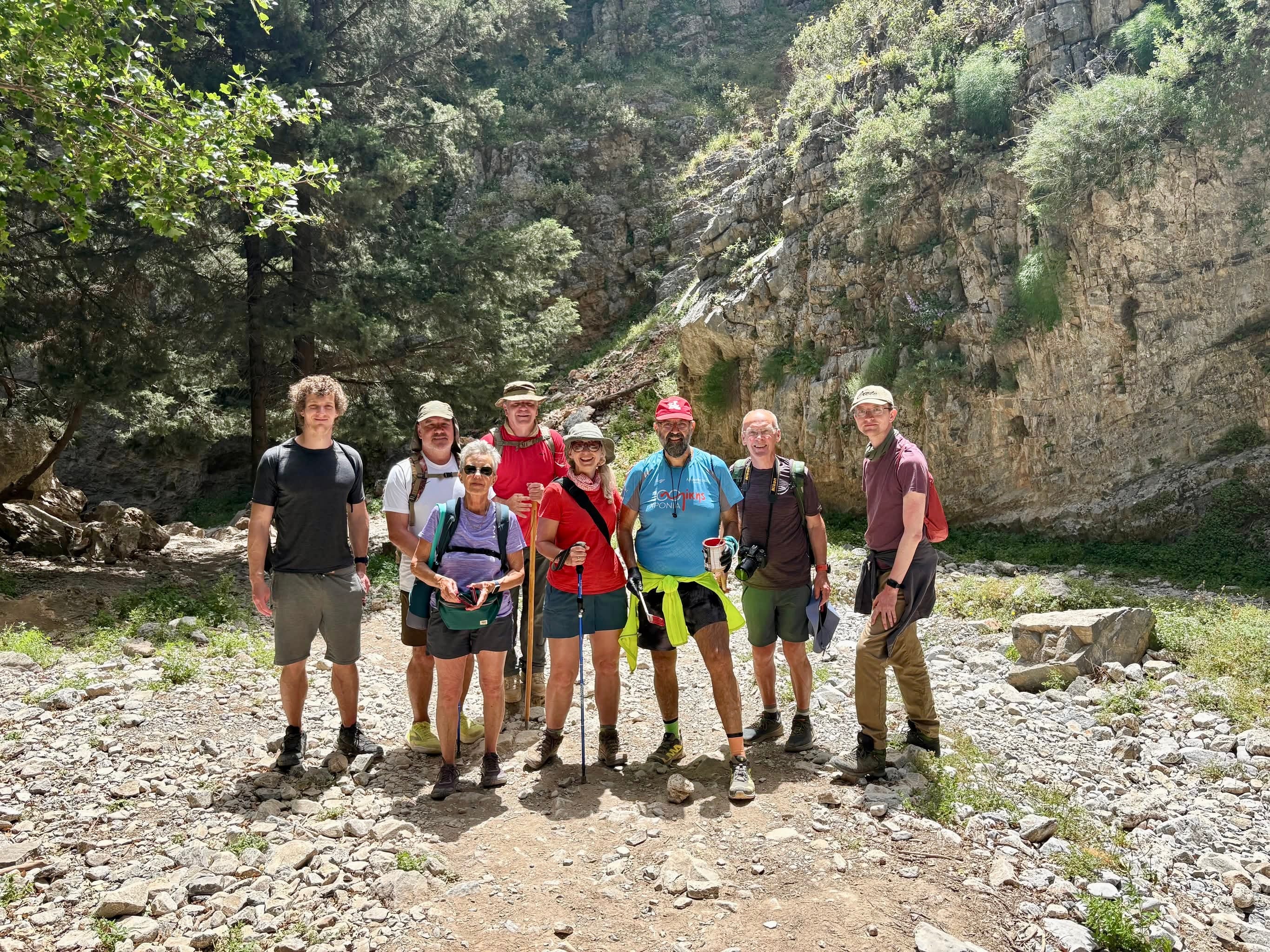
It’s only a little further on, when the walls of the gorge begin to draw back again and the sky reappears, that Gordon looks around and says quietly, “I think it was here”.
He gestures up and down the valley, explaining his reasoning for believing that this was the Royal Marines’ position - a clearing, a place that still controls the path, cover from air strikes… I hear only a fraction of his analysis. The trail stretches away in both directions, sunlit and silent.
Somewhere close now, is the place where the story of Harry’s freedom ends and the story of his captivity begins. I wonder whether he was confident - exuberant - that he would be evacuated. The Marines were assembled in good time to march to the beach at Sfakia.
It’s almost unbearable to know that he won’t escape.
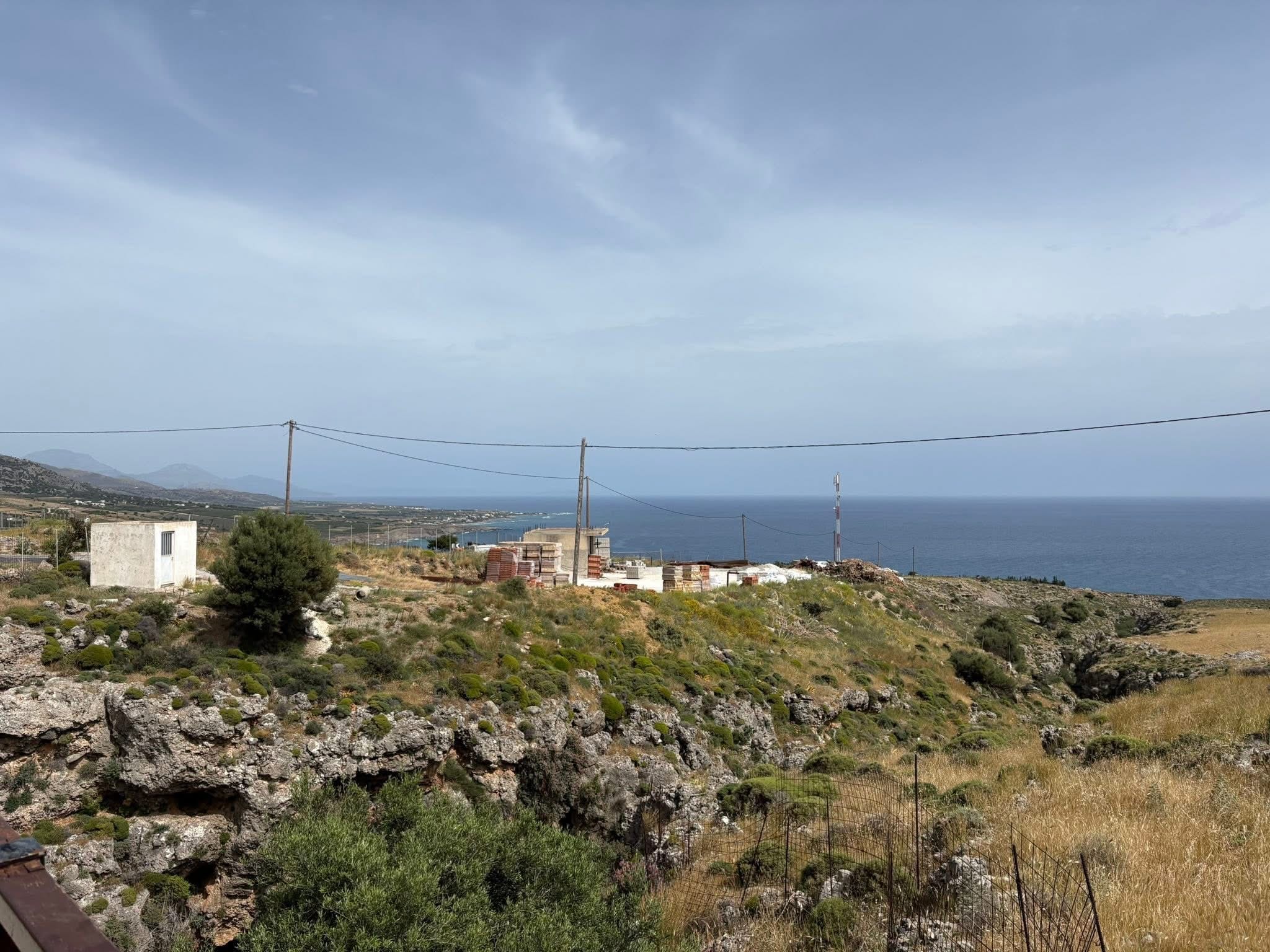
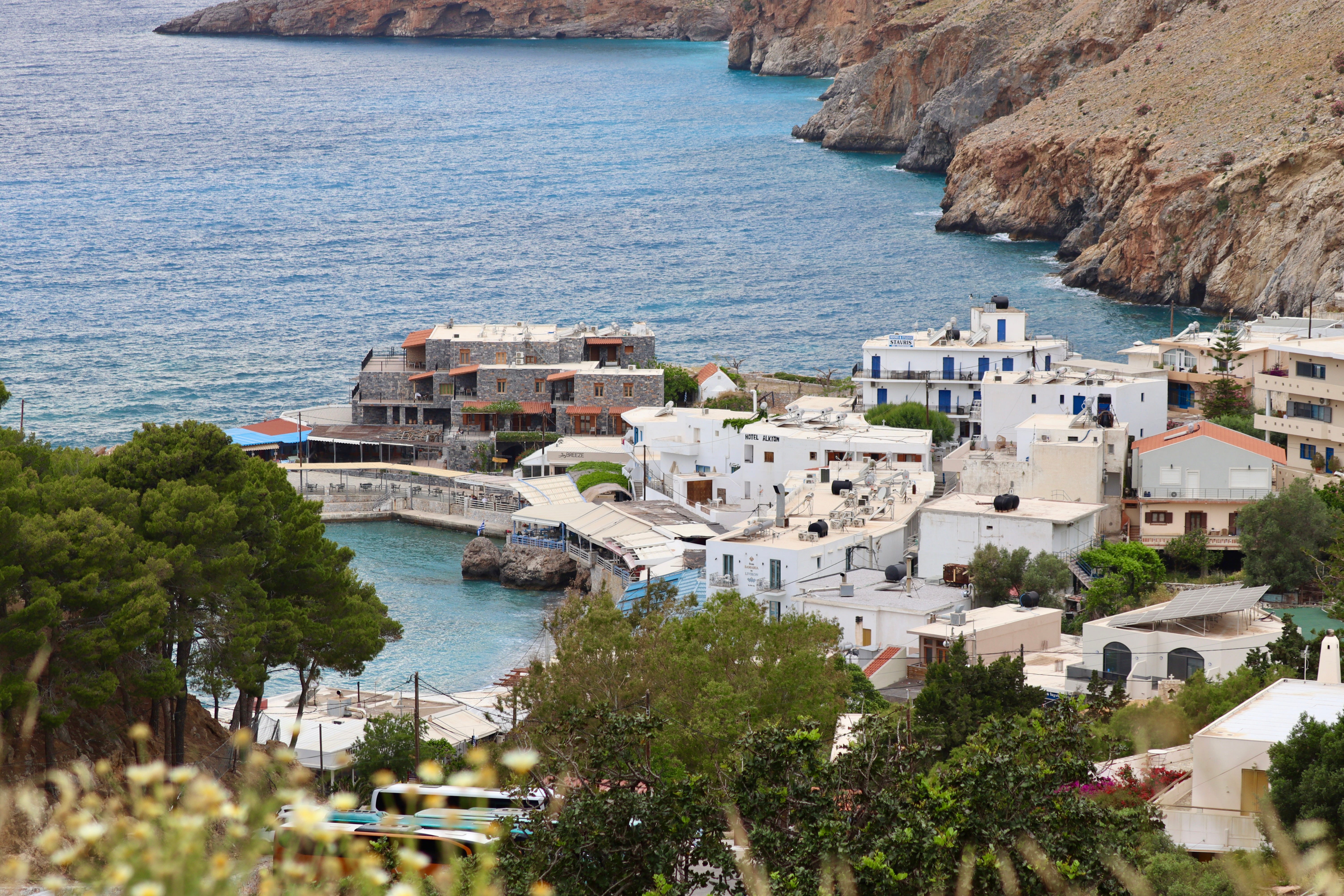
When we stop for coffee and ice cream at Komitades, the village at the foot of the gorge, we’re all too aware that our pilgrimage is almost over. In fact, Sean has already posted on Facebook that we’ve arrived – the communication between separated groups as fractured as the Allies.
But it’s here too that I suddenly realise I’ve made a mistake. I know where Harry was at dusk on 30th May, but he wasn’t captured until 1st June and there are 31 days in May. So what was he doing in his final twenty-four hours?
Striding out in our last five kilometres towards Hora Sfakion, I wonder if the key to the fate of the Marines lies on this stretch of road. We know the route to the beach was clogged with formed companies of men, and guards fighting back the stragglers. As the rearguard, the Marines had to hold the Germans in the gorge for as long as possible, and then fight their way through the melée below. Gordon tells me it is likely, that in the chaos of those final hours, the rearguard was simply sacrificed.
I try to imagine Harry standing at the coast. Below him, the sea would have been dark and immense. Somewhere in the blackness, ships were slipping away towards Alexandria. The war sailing away without him.
It was the beginning of four long years of forced labour and captivity.
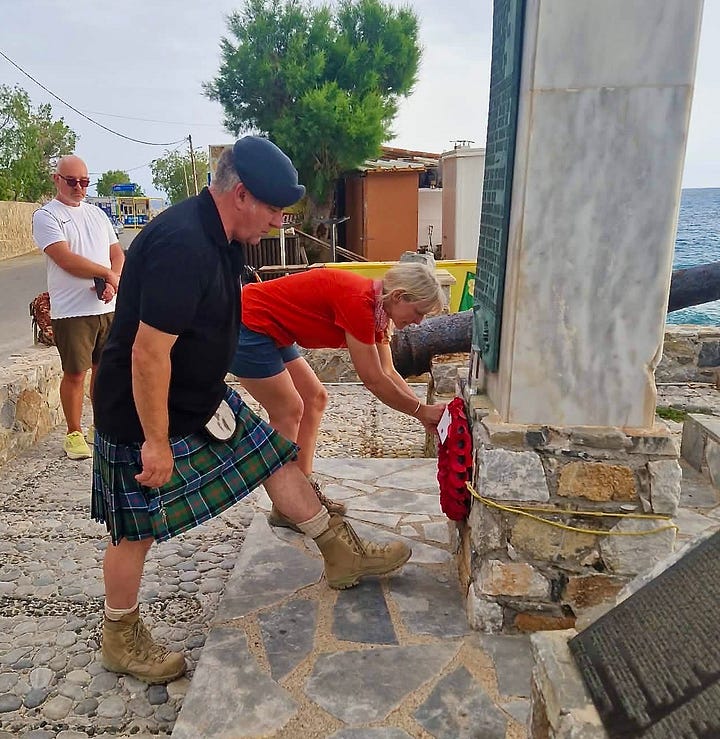
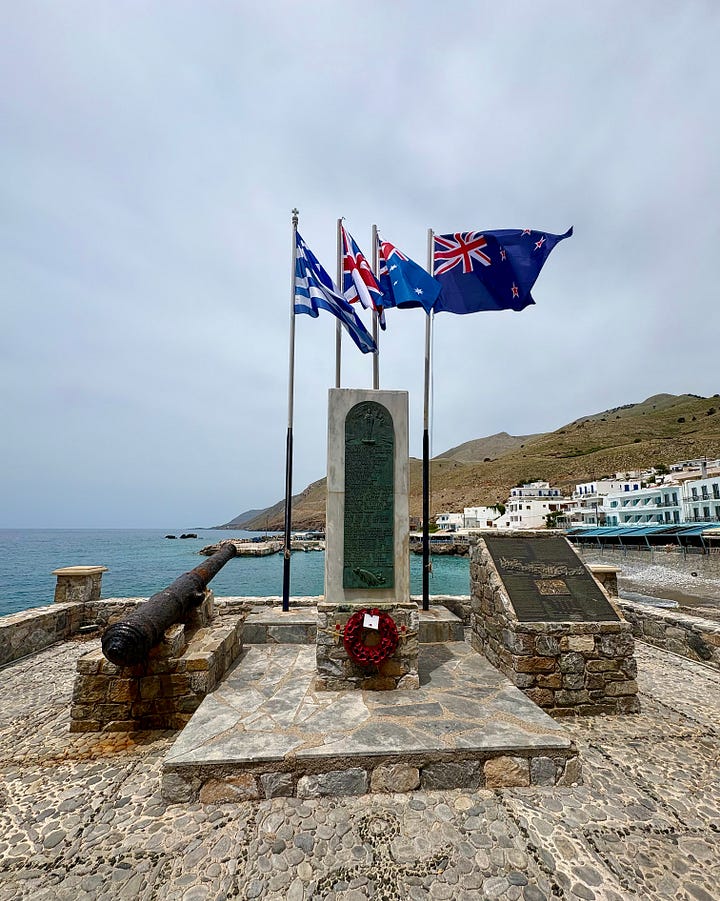
At Sfakia, we don’t stop walking until we reach the Allied War Memorial, standing on the edge of the Libyan Sea. There is excitement and real achievement in the completion of our journey, but it doesn’t feel like a triumph quite yet. Gordon swaps his walking trousers for a regimental kilt, Craig produces a recording of The Last Post, and somehow we hold an impromptu ceremony of remembrance.
The evening contracts to a monolith of white marble above the sea, seven exhausted walkers bowing their heads - and for a moment there is nothing but silence and poppies. When the spell breaks, Gordon presents me with his sturdy walking stick and every one of us scrawls our names on it.


Only now do we retreat to a seafront bar to toast the completion of our journey, where the chattiness and the humour of the group returns. When we share the best and worst moments of our hike, Janice sums it all up perfectly when she declares that her highlight was getting up every day to walk with friends. We all agree that the worst moments were Craig’s terrible jokes!
Years from now, when we tell ourselves the story of this walk, we will remember hard pavements, sweltering, stumbling climbs, the wild, green beauty of the mountains and the cavernous descent to the sea. We’ll remember that it was tough, that we pulled each other through demanding days - and rusty wire fences. That no man was left behind, and that none of us quite wanted it to end.
And I know that I will remember the haunting feeling of following Royal Marine, Harry Palmer across Crete – the sense that he was always just ahead of me, waiting around the next bend.
Uncle Harry’s road ended at Hora Sfakion.
For the first time, I feel that I have finally caught him up.
A Final Appeal for our charity: The 2026 Evacuation Route Walkers hiked 100km coast to coast in 4 days in aid of Worldwide Cancer Research. This UK-based Charity aims to fight cancer by funding research and launching new cancer cures in 34 countries worldwide, including the UK, Greece, Australia, New Zealand and Germany. If you are able to spare a pound, a dollar, a euro, please show your support by donating at:
https://www.gofundme.com/f/claire-craigs-very-long-walk-4-worldwide-cancer-research
A big thank you to everyone who has already responded so generously.
‘Claire in Crete’ is protected by copyright. This publication may not be reproduced (including photos), stored online or transmitted without prior written consent of the writer.
Comments
Nothing yet. Say the first thing.
Sign in to join the conversation.