
“Project Citizen builds the teamwork, the collaborative skills, and the research skills that students are going to need to be successful in the real world.” - Samantha Fowler
Classroom civics instruction typically focuses more on knowledge-building and discussion-based activities than active learning and engagement. The Center for Civic Education’s Project Citizen provides a more participatory approach by getting students out in the community addressing real-world public policy challenges. As part of a three-year grant from the US Department of Education, the Integrated Civic Competencies (ICC) teacher professional learning program provides middle and high school teachers with the content knowledge and pedagogies to intentionally embed civic dispositions and skills into Project Citizen. The ICC Framework specifies a range of core civic competencies (pictured below).
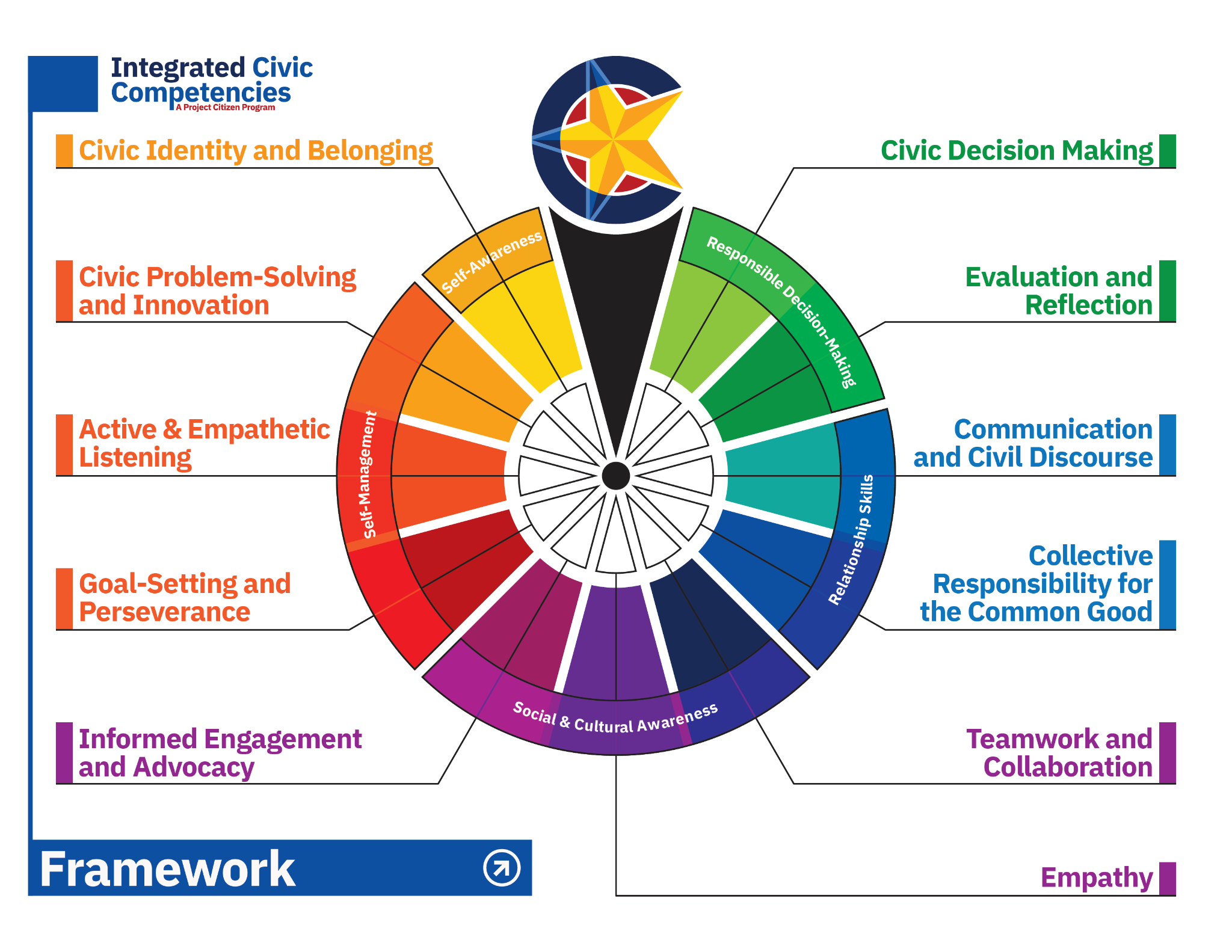
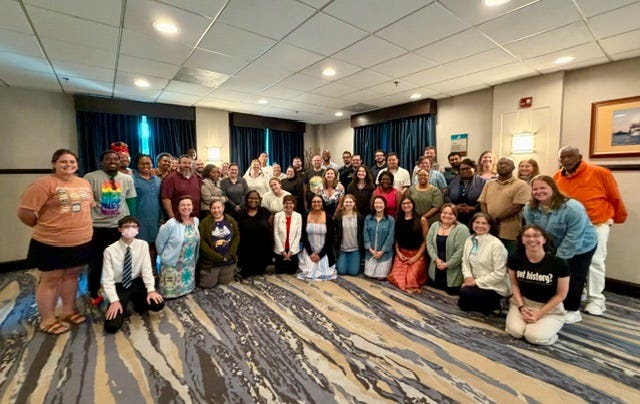
Last week, CERL interviewed middle and high school teachers participating in the ICC Summer Institute for Maryland and Washington, DC. CERL asked these teachers about their motivation to participate in the ICC Program. They were excited about an experiential learning program that fosters critical civics competencies. Some teachers even saw the potential for Project Citizen to change their school culture.
Active Citizens-in-Training
American education philosopher John Dewey saw students as citizens-in-training and called for educators to incorporate experiential learning into their practice. ICC mentor teacher Samantha Fowler, who has taught Project Citizen for six years at Northwest High School, stressed that a project-based program helps students see beyond studying history and learning how government works to the impact on their daily lives. Echoing this notion, Alexander Korda, a teacher from Macy’s Lane Middle School, said he wants to help kids be responsible and informed citizens and “recognize how important studying history is. It’s not just dates and people long dead and past. It’s every day.”
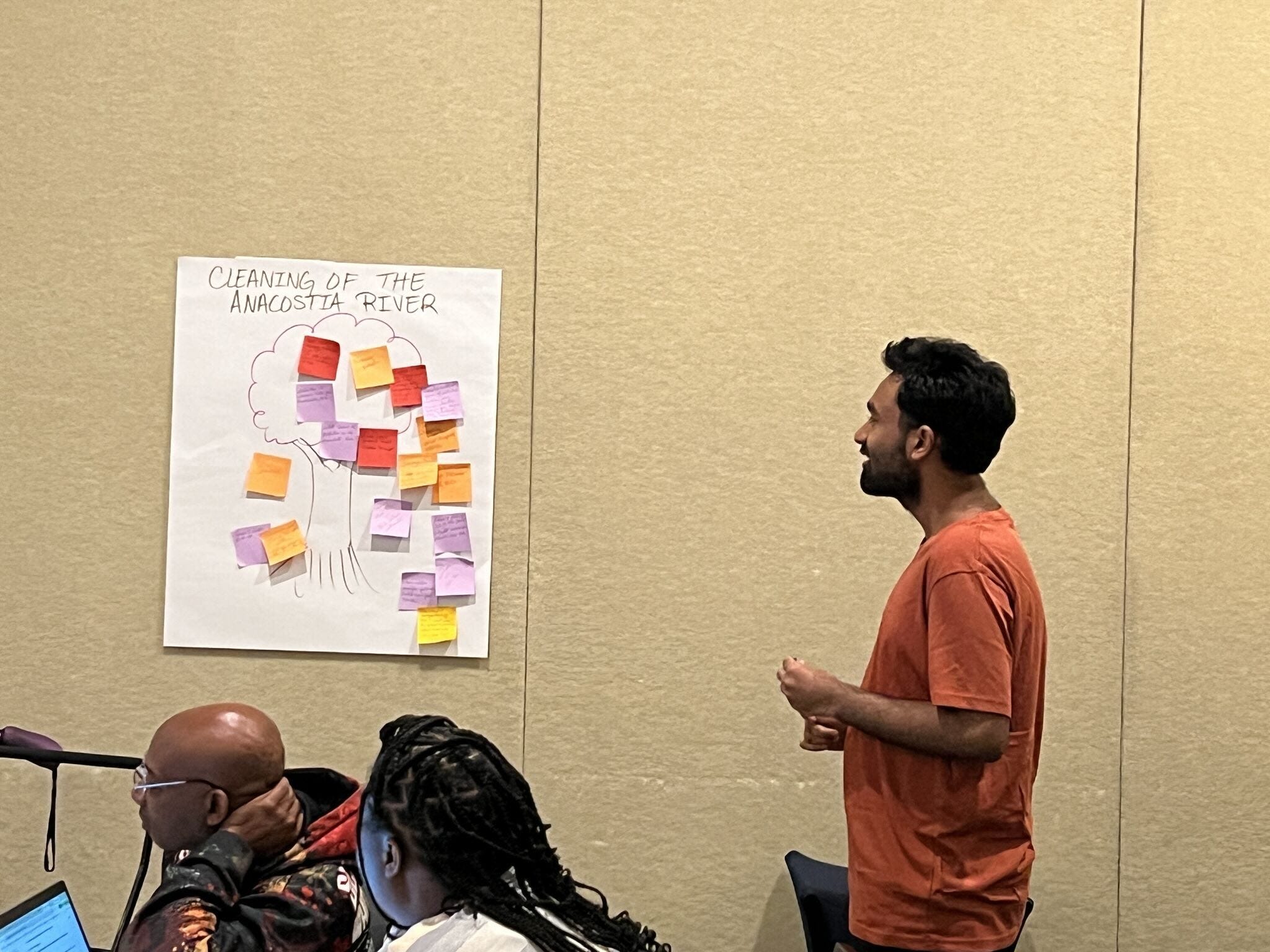
Raihan Choudhury, second-year teacher from Parkdale High School, is looking forward to using Project Citizen with his inclusive classes of multilingual learners and students with disabilities. He has realized the importance of pedagogy and is very interested in the evidence-based approaches that can reach all students and engage them in American government. “What I want students to know is if you understand the process and you understand the system, then you will be able to understand what it takes to build coalitions or build networks. [I want to] help them understand the civic concepts and what it means to belong and be American, and to participate in what our government is all about.”
Lasting Impact
The ultimate goal of ICC is to inspire and equip students to participate fully in their communities and government long after the program ends. “...One of the most powerful things with Project Citizen,” said Fowler, “is that it allows students to really find their voice, to understand how the sausage is made…how does a policy actually change.”
“I’ve had students testify before the Board of Education after doing Project Citizen. They realize if I’m gonna change policy, well, then I need to sign up to testify, right? And it may not be about the project the class picked, but there might be another issue that I’m super concerned about and I’m gonna do that. And they have those skills because they built up that public speaking ability and that knowledge of the steps that need to happen to actually move policy.”
— Charlotte Peña - Research Specialist
No posts
Comments
Nothing yet. Say the first thing.
Sign in to join the conversation.