
📢 Hello to my international readers! Today, I’m sharing a highly optimistic take on the future of cinema—and explaining why pre-pandemic movies were actually kind of terrible. Scroll down for the English version or hear the English AI Voiceover! ⬇️
Das Medium Film und besonders das Kino hat ein paar unfassbar harte Jahre hinter sich. Corona und die damit einhergehenden Lockdowns und Drehstopps, dann auch noch der Autorenstreik 2023, der dazu führte, dass zahlreiche Filme verschoben werden mussten; die Filmindustrie ist keinesfalls blumig in die 2020er-Jahre gestartet.
Dennoch sehen wir gegenwärtig, 2026, unfassbare Entwicklungen im Medium Film. Selbstfinanzierte Indie-Filme stechen seelenlose Studioprodukte an den Kinokassen aus, selbst Blockbuster haben teils massiv an erzählerischer und inszenatorischer Qualität gewonnen und die Herrschaft von Franchises, die Schrott rausbringen und trotzdem Millionen Zuschauer in die Kinos locken, scheint vorbei zu sein. Ich würde so weit gehen, dass die Filmindustrie sich von Corona nicht nur erholt hat, sondern aktuell aufregender und besser aufgestellt ist, als die Jahre zuvor.
Warum das so ist und wie es dazu kam, klärt dieser Artikel. Eine knackige Chronologie.
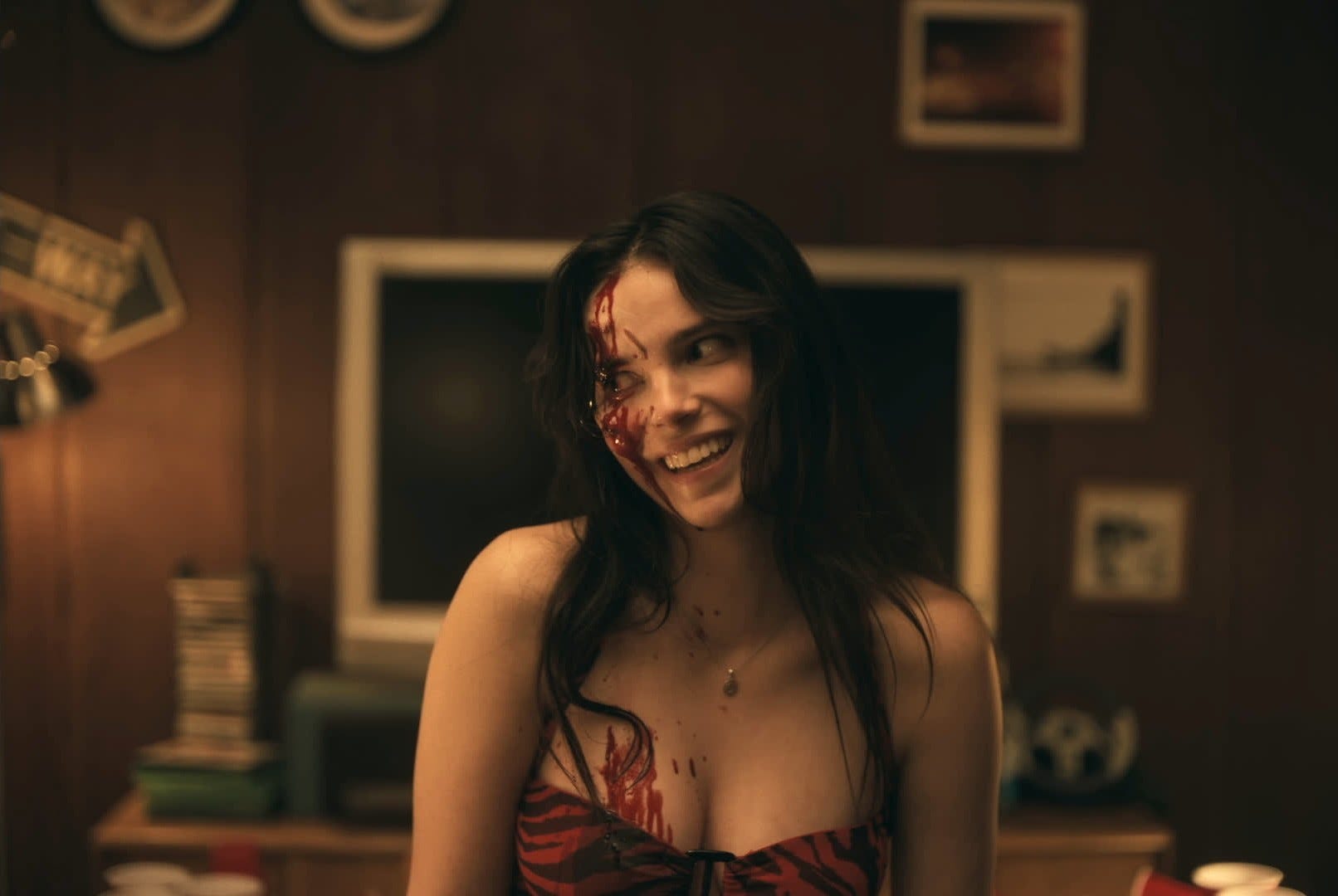
Um zu verstehen, wie gut wir es aktuell haben, lohnt sich natürlich ein Blick in die Vergangenheit, namentlich: Die Prä-Corona-Ära.
Welche Filme haben uns diese Jahre beschert? Natürlich nicht nur schlechte. 2019 etwa (und dieses Jahr gucken wir uns exemplarisch am genausten an) erschien mit Avengers: Endgame ein befriedigender, vorläufiger Abschluss für das Marvel-Franchise, Joker war natürlich fantastisch, John Wick 3 war der beste des Teil der Reihe bis zu diesem Zeitpunkt, Once Upon a Time in... Hollywood ist einer der besten Tarantino-Filme überhaupt und mit Parasite sahen wir einen der verdientesten Oscar-Gewinner seit langem. Und das sind bei Weitem nicht alle guten Film, die 2019 zu bieten hatte.
2019 hatte aber auch - und diese Liste ist wesentlich länger - absolute Rohrkrepierer zu bieten. Star Wars: Der Aufstieg Skywalkers war das erste Anzeichen dafür, dass die Reihe sich von Die Letzten Jedi nicht mehr erholen wird, ähnlich einordnen könnte man Rambo: Last Blood und Terminator: Dark Fate. Diese Filme waren jedoch noch Oscar-Niveau im Vergleich zu Captain Marvel, Midway und Friedhof der Kuscheltiere. Der vielleicht schädigendste Film des Jahres 2019 war jedoch Der König der Löwen, denn er zeigte Hollywood mit seinem phänomenalen Einspielergebnis, dass man mit 1:1-Kopien von Klassikern mehr Geld verdient, als wenn man sich etwas Neues ausdenkt. Die Message von den Zuschauern: Filme müssen nicht mal so tun, als wären sie innovativ; wir schauen sie trotzdem. Tatsächlich mögen wir das alte in neuem Gewand lieber, als auch nur irgendeiner neuen Geschichte eine Chance zu geben.
Ich glaube, ich muss nicht betonen, wie toxisch diese Ausgangslage war und wie schwierig für mutige Filmemacher, die etwas ausdrücken wollten, das es so nicht gegeben hat. 2019 war zum Glück keine Blaupause für jedes neue Filmjahr, aber es war der Höhepunkt einer sehr besorgniserregenden Entwicklung, in welcher die Mehrheit der Zuschauer mangelnde Kreativität belohnte, nur weil sie einen bekannten Namen hatte.
Doch es sollte noch schlimmer kommen, ehe es besser wurde.
Wir leben in einer globalisierten Welt, was den Vorteil hat, dass wir uns Filme aus jedem Land auf diesem Planeten anschauen, sofort mit jedem interagieren können und, wenn wir wollen, in ca. 28 Flugstunden auf der anderen Seite der Welt sein können. Der Nachteil ist, dass auch ein Virus in 28 Flugstunden auf der anderen Seite der Welt sein kann und dass auch er sehr schnell mit jedem “interagieren” kann, der das möchte.
Corona hat nicht nur unser aller Leben beeinflusst, sondern auch die Wirtschaft gelähmt. In vielen Ländern kam es zu Lockdowns, was sich in den ersten Wochen vielleicht noch wie ein cooles Wort aus Contagion (2011) oder 28 Days Later (2002) angehört hat, sehr schnell aber zu allermindest sehr nervig wurde. Kinos wurden also geschlossen und auch zu Drehstopps kam es. Die Filmindustrie lag brach.
Da es jedoch einige Filme gab, die noch auf eine Veröffentlichung warteten, suchten Studios nach kreativen Wegen, diese an den Mann oder an die Frau zu bringen. Mulan (2020) und Bloodshot (2020) waren solche Filme (natürlich absolute Meisterwerke und keine Fortführung des 2019er-Slops) und wer damals dabei war, erinnert sich: Man hatte die Möglichkeit, für ziemlich viel Geld die “Heimkino-Premieren” dieser Filme von seiner Couch aus zu feiern, indem man sie über Streaming-Services, für die man sowieso schon einen monatlichen Betrag bezahlt, ausleiht.
Natürlich kam es zwischendurch zur Öffnung der Kinos und zu mutigen Versuchen seitens prägender Persönlichkeiten Hollywood (vor allem natürlich von Christopher Nolan mit Tenet (2020)), die Menschen trotz der harten Auflagen beim Kinobesuch von ebendiesem zu überzeugen und dem Vormarsch des Streaming-Geschäfts etwas entgegen zu setzen. Der Erfolg war jedoch nur mäßig.
Es sah tatsächlich so aus, als würden wir nicht nur einen massiven Rückgang des Qualitätsfilm zu verkraften haben (wie es bis 2019 der Fall war), sondern mit den Ereignissen von 2020 auch noch den Verlust des Kinos, wie wir es kannten.
Was danach passierte - und was vor allem jetzt gerade passiert - ist ein Beweis dafür, dass es manchmal im Leben eben einfach nochmal etwas schlechter wird, ehe man Besserung sieht. Somehow, cinema returned.
Im Juni 2026 bin ich mir sicherer denn je, dass wir die erzählerischen Tiefen von Star Wars 9 und die gewinnversprechende Franchise-Haftung von so Filmen wie Captain Marvel hinter uns gelassen haben. Nicht, weil große Studios auf einmal gute Filme machen, sondern: Weil niemand mehr hingeht.
Star Wars: The Mandalorian and Grogu (2026) war ein finanzieller Flop. Genauso im Grunde jeder Marvel-Film seit Endgame. Selbst Fast X (2023), der neueste Film des Fast and Furious-Franchise, was lange Zeit vermutlich eine der Filmreihen mit den treuesten Zuschauern war, hat unterperformt. Das heißt nicht, dass niemand mehr die Filme anschauen möchte und wer sie gesehen und genossen hat, für den freut es mich. Es scheint jedoch, dass es immer weniger Menschen werden, denn etablierte Franchises geraten an den Kinokassen zunehmend unter Druck, während Qualität, egal ob sie von den großen Studios oder von den ganz kleinen stammt, wird belohnt wie lange nicht mehr.
Die Post-Corona-Ära hat uns mit Top Gun: Maverick (2022) das vielleicht beste Sequel seit The Dark Knight (2008) beschert; altbekannt und doch irgendwie neu, vertraut und doch irgendwie frisch - eine Art Blockbuster, wie wir uns von ganz früher erinnern, wie diese Mal ausgesehen haben, wie wir es aber lange nicht mehr erleben konnten. Barbenheimer (2023) hat uns gezeigt, dass Event-Kino auch jetzt noch wieder geht, die Dune-Filme von Denis Villeneuve versicherten uns nach der Star Wars-Katastrophe, dass gute Sci-Fi-Epen doch kein Ding der Unmöglichkeit sind. Und so kann man die Liste beliebig weiter führen…
Der bisherige Höhepunkt dieser Entwicklung war jedoch vor wenigen Wochen, namentlich im Mai / Juni 2026 zu erleben: Mit einem Bruchteil des Budgets haben The Backrooms von Kane Parsons und Obsession von Curry Barker, zwei Independent-Horrorfilme, mit dessen Budget man sich am Set von The Mandalorian and Grogu nicht mal einen Kaffee hätte kaufen können, ebendiesen an den Kinokassen herausgefordert; und gewonnen. Sie haben nicht nur im Verhältnis, sondern tatsächlich im reellen Einspielergebnis jeweils mehr Geld in die Kinokassen gespült, als der Star Wars-Film.
Obsession, der mit einem Budget von lediglich 750.000 Dollar das 380-fache seiner Produktionskosten wieder eingespielt hat (und in Deutschland erst nächste Woche startet, wo also mein Kinoticket noch gar nicht in der Endabrechnung drin ist!), knüpft dabei an ganz elementare Erfolge an. Er hat den 27-jährigen Rekordhalter The Blair Witch Project (1999) eingeholt als “finanziell-erfolgreichster Film mit einem Budget von unter einer Million Dollar” (Blair Witch hat jedoch das 414-fache seines Budgets eingespielt, Hardcore-Fans dürfen bei diesem Rekord also stand jetzt noch beruhigt sein). Wir sind also an einem Punkt, wo wir nicht nur den 2019er-Slop und die furchtbare Corona-Phase überwunden haben; es geht gerade tatsächlich den beeindruckendsten Rekorden der Filmgeschichte an den Kragen. Dass 2026 auch die schiere Anzahl an veröffentlichten Top-Filmen schon rekordverdächtig ist, würde hier den Rahmen sprengen.
Um es abzurunden: Das ist der Grund, wieso ich so optimistisch bin, was die Filmindustrie angeht. Natürlich werden noch schlechte Filme gemacht und selbstverständlich gibt es Herausforderungen, aber der allerwichtigste Aspekt einer jeden Industrie ist gerade so großartig wie seit langem nicht mehr:
Die Kinogänger wollen Qualität, neue Geschichten und mutige Filme und sie strafen Faulheit und Feigheit auf der Leinwand ab.
So lange sich das nicht ändert, haben wir immer wunderbare Jahre vor uns - egal wie schlecht sich die Dinge zeitweise entwickeln!
Wie man hoffentlich erkennt, ist sehr viel Liebe in diesen Beitrag geflossen. CineMaximal! wird natürlich immer kostenlos lesbar sein, aber wer mir ein kleines Dankeschön da lassen möchte, kann mir einen Leihfilm spendieren, den ich mir für 99 Cent in der nächsten entsprechenden Aktion von Amazon aussuchen würde. Vielen Dank!
The most optimistic take on the future of cinema you'll find.
The medium of film, and cinema in particular, has had an incredibly rough few years. Between the pandemic—with its lockdowns and production halts—and the 2023 writers’ strike that forced countless release delays, the film industry certainly didn’t get a glamorous start to the 2020s.
Yet here we are in 2026, witnessing mind-blowing developments. Self-funded indie films are beating soulless studio products at the box office, blockbusters have massively improved in both narrative and directorial quality, and the era of dead-end franchises churning out slop and still pulling in millions seems to be over. I’d go as far as to say that the film industry hasn’t just recovered from COVID—it’s currently more exciting and better positioned than it was in the years leading up to it.
How did we get here, and why is this happening? This article breaks it down. A quick, sharp chronology.
To understand just how good we have it today, it’s worth taking a look back at the past—specifically, the pre-pandemic era.
What kind of movies did those years give us? Certainly not just bad ones. Take 2019, for instance, which serves as our perfect case study. It gave us Avengers: Endgame, a satisfying, temporary conclusion to the Marvel franchise; Joker was fantastic; John Wick 3 was the best entry in the series up to that point; Once Upon a Time in... Hollywood stands as one of Tarantino’s absolute best; and with Parasite, we witnessed one of the most well-deserved Oscar winners in ages. And those are far from the only great films 2019 had to offer.
However, 2019 also brought us a significantly longer list of absolute duds. Star Wars: The Rise of Skywalker was the first real sign that the franchise would never truly recover from The Last Jedi. You could group Rambo: Last Blood and Terminator: Dark Fate into that exact same category. Yet, those movies were practically Oscar-caliber compared to Captain Marvel, Midway, and Pet Sematary.
But perhaps the most damaging film of 2019 was The Lion King. With its phenomenal box office performance, it proved to Hollywood that you could make far more money churning out shot-for-shot copies of classics than by coming up with something original. The message from audiences was clear: movies don’t even have to pretend to be innovative; we’ll watch them anyway. In fact, we prefer the old wrapped in a new coat rather than giving any fresh story a fair chance.
I don’t think I need to emphasize how toxic this environment was—and how incredibly difficult it became for bold filmmakers trying to express something entirely unique. Fortunately, 2019 didn’t become the permanent blueprint for every future film year. But it was the absolute peak of a highly concerning trend, one where the majority of audiences heavily rewarded a lack of creativity, simply because it carried a recognizable name.
Yet, things were about to get worse before they got better.
We live in a globalized world, which has the advantage that we can watch films from any country on this planet, interact with anyone instantly, and, if we want to, be on the other side of the world in about 28 flight hours. The disadvantage is that a virus can also be on the other side of the world in 28 flight hours, and it, too, can “interact” very quickly with anyone who happens to be around.
COVID-19 didn’t just affect all of our lives; it paralyzed the global economy. Many countries went into lockdowns—a word that might have sounded like a cool buzzword from Contagion (2011) or 28 Days Later (2002) during the first few weeks, but very quickly became deeply frustrating, to say the very least. Consequently, movie theaters were shut down and film sets ground to a halt. The film industry lay completely stagnant.
However, since there were several finished films still waiting for a release, studios looked for creative ways to get them in front of audiences. Mulan (2020) and Bloodshot (2020) were prime examples of this (absolute masterpieces, of course, and by no means a continuation of the 2019 slop). Anyone who was around back then remembers: you had the option to celebrate the “home-cinema premieres” of these films from the comfort of your couch—by renting them for quite a bit of money on streaming platforms you were already paying a monthly subscription fee for.
Of course, there were temporary theater reopenings along the way, accompanied by bold attempts from influential Hollywood figures—most notably Christopher Nolan with Tenet (2020)—to convince people to go to the movies despite strict restrictions and to push back against the relentless advance of the streaming business. The success, however, was modest at best.
It truly looked as though we wouldn’t just have to cope with a massive decline in quality filmmaking (as had been the case leading up to 2019), but that the events of 2020 would also cost us the loss of cinema as we knew it.
What happened next—and what is happening right now—is proof that sometimes in life, things have to get worse before they can get better. Somehow, cinema returned.
In June 2026, I am more certain than ever that we have left the narrative rock-bottom of Star Wars: The Rise of Skywalker and the lazy, cash-grab formula of movies like Captain Marvel behind us. Not because major studios suddenly decided to make good movies, but for a much simpler reason: nobody is showing up for them anymore.
Star Wars: The Mandalorian & Grogu (2026) was a financial flop. The same goes for basically every Marvel movie since Endgame. Even Fast X (2023), the latest entry in a franchise that historically boasted some of the most loyal fans in cinema history, underperformed. This doesn’t mean nobody wants to watch these films anymore, and if you saw them and enjoyed them, I’m genuinely happy for you. However, the audience is clearly shrinking. Established franchises are facing immense pressure at the box office, while quality—whether it comes from a massive studio or a tiny indie outfit—is being rewarded like it hasn’t been in a very long time.
The post-pandemic era gifted us Top Gun: Maverick (2022), arguably the best sequel since The Dark Knight (2008). It felt familiar yet somehow new, nostalgic yet completely fresh—the kind of blockbuster we remember from the old days, but hadn’t experienced in years. Barbenheimer (2023) proved that event-cinema is still alive and kicking, while Denis Villeneuve’s Dune films reassured us after the Star Wars disaster that great sci-fi epics are not an impossibility. And you could easily keep adding to this list...
The absolute peak of this development, however, occurred just a few weeks ago in May and June of 2026. Armed with a mere fraction of the budget, The Backrooms by Kane Parsons and Obsession by Curry Barker—two independent horror films whose entire budgets wouldn’t even buy you a coffee on the set of The Mandalorian & Grogu—challenged that very giant at the box office. And they won. They didn’t just beat it relatively based on their budget; they actually brought in more raw, real-world box office revenue than the Star Wars film.
Obsession, which grossed a staggering 380 times its production budget on a mere $750,000 cost (and it doesn’t even open in Germany until next week, meaning my own ticket isn’t even counted yet!), is capturing lightning in a bottle. It has officially caught up with the 27-year-old record-holder The Blair Witch Project (1999) for the title of “most financially successful film with a budget under one million dollars.” (Though Blair Witch generated 414 times its budget, so hardcore fans of that record can sleep easy for now). We are currently at a point where we haven’t just overcome the 2019 slop and the miserable COVID era; the most impressive records in film history are actively being shattered. To even mention that the sheer volume of top-tier films released in 2026 is reaching record-breaking levels would go beyond the scope of this article.
To wrap it up: this is exactly why I am so optimistic about the film industry. Of course, bad movies will still be made, and challenges will always exist, but the most vital aspect of any industry is healthier than it has been in years:
Moviegoers are demanding quality, original stories, and bold filmmaking, and they are actively punishing laziness and creative cowardice on the big screen.
As long as that remains true, we have wonderful years ahead of us—no matter how bad things might temporarily get.
As you can hopefully tell, a lot of love went into this piece. CineMaximal! will, of course, always be free to read. But if you’d like to drop a small thank-you, you can sponsor a movie rental for me—I’ll be picking one out for 99 cents during Amazon’s next rental sale. Thank you so much!
Comments
Nothing yet. Say the first thing.
Sign in to join the conversation.