
Note: Maria Brewer is a two-time U.S. Ambassador to Lesotho and Sierra Leone. She is the featured guest on SoftPower/FulStories #50—listen here.
During my nearly three decades as a U.S. diplomat, I learned that influence rarely begins with a policy statement or formal negotiation. Instead, it begins with a relationship: the willingness to learn another person’s language, understand what they value, and approach them with genuine curiosity and respect.
Diplomacy recognizes a simple truth: countries, like people, need friends. And friendship begins when we make the effort to see the world through someone else’s eyes.
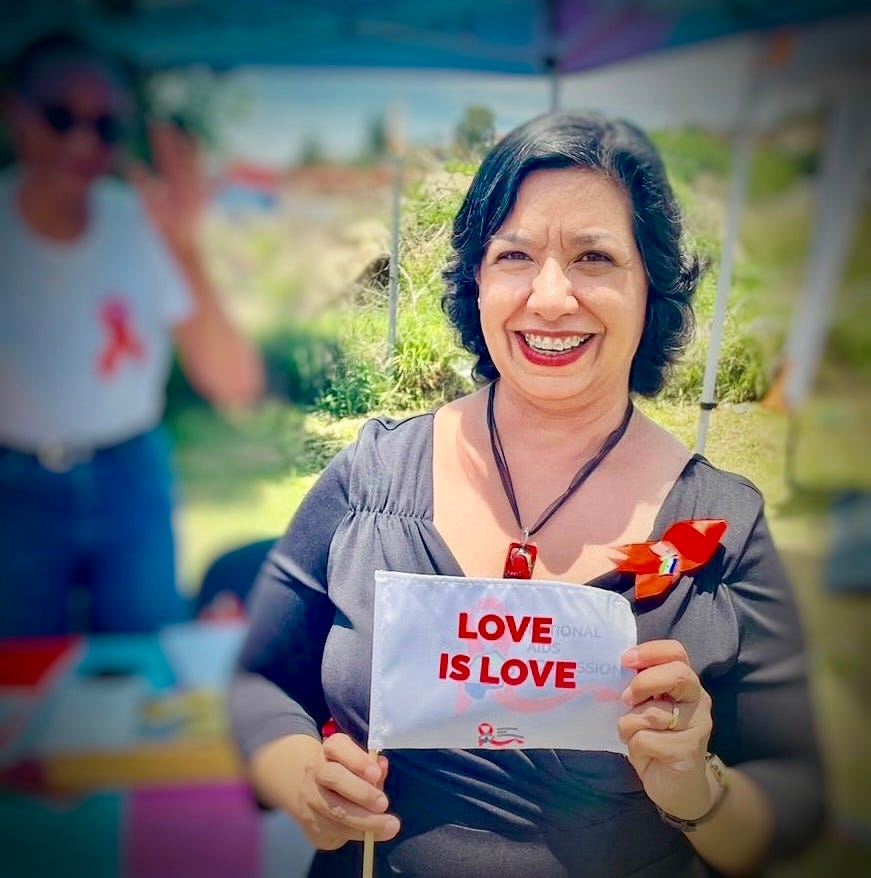
As a diplomat, I saw firsthand the power of curiosity. Language, in particular, can open new possibilities for understanding and connection.
I witnessed this in Abuja when my ambassador gave an interview in widely spoken Nigerian Pidgin. The response was immediate and enthusiastic. People appreciated that he had taken the time to speak to them in the language they used every day.
I carried that lesson with me to Sierra Leone and later to Lesotho when I served as the U.S. ambassador to those countries. In both places, I made an effort to learn some of the local languages. I learned how to greet people, introduce myself, and say a few words.
I also made a point of learning proverbs. In both countries, oral history was rich, and storytellers held an important place in society. People often spoke in proverbs, using a few words to convey a point that everyone in the audience would immediately understand.
One proverb in Sierra Leone was, “Wan finger no ebul tek stone,” or “one finger cannot lift a stone.” The proverb underscores the need for teamwork to be successful in any endeavor.
That proverb held true in many contexts. For example, I could cite it at an awards ceremony for staff in the U.S. Embassy in Freetown. Or I could use it when speaking with civil society organizations to encourage them to unite to support peaceful national elections.
The people of Lesotho had similar sayings in their language, Sesotho. “Kopano ke matla” translates to “Unity is strength.” “Ntja pedi ha e hloloe ke sebata” in English is, “Two hunting dogs can take down a lion.” In other words, people can work together to conquer a daunting challenge.
By weaving these proverbs into my speeches, I connected with people in the countries where I served. They appreciated my effort to learn not only their language, but also the meaning behind their sayings.
Local television and radio often featured clips of me reciting those phrases. As a result, my messages reached more people and carried more weight.
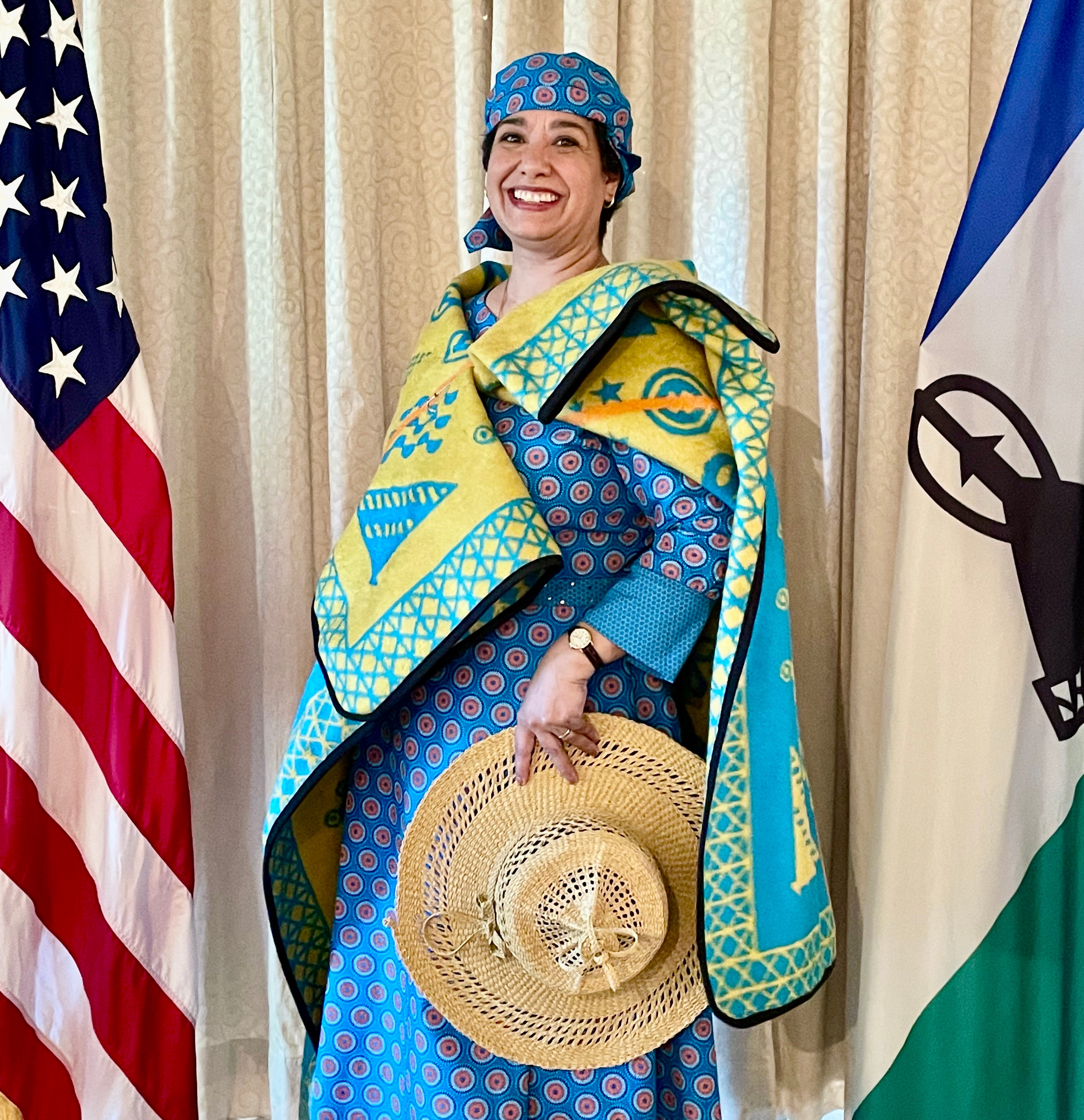
These experiences reinforced for me the power of taking time to learn about a place and its people. Approaching people with curiosity about their culture, language, and customs showed respect.
Despite my imperfect accent and grammar, the effort itself mattered most. That underlying message helped me build bridges of understanding.
I also remember one time when my desire to be respectful resulted in an unintentionally funny situation.
I was preparing for my credentialing ceremony in the Kingdom of Lesotho. This is the formal event in which an ambassador presents their credentials to the head of state of the receiving country. It is a highly choreographed ceremony governed by strict protocol.
Our protocol officer, a gracious and knowledgeable U.S. Embassy staffer from Lesotho, walked me through every aspect of the ceremony. I had not worked in a country with a king, so I was anxious to follow the procedures correctly.
The protocol officer explained that I should never turn my back on the king, as doing so would be considered extremely rude in the local culture. At the end of the ceremony, I was to wait until the king left the room before turning to exit.
When the day came and the ceremony concluded, however, the king did not leave. Instead, he thanked me graciously, waved goodbye, and stood still in the middle of the room.
The problem was that the exit door was directly behind me. How could I leave without breaching protocol and offending my host nation?
Feeling a flash of panic, I half-turned and shuffled sideways toward the door. I made my exit, probably looking somewhat like a crab scuttling along the beach.
Several months later, once I knew the king a bit better, I told him the story. He laughed gently at my American awkwardness. He kindly promised that he would escort me to the door from then on, so I would never have to worry about breaching protocol again.
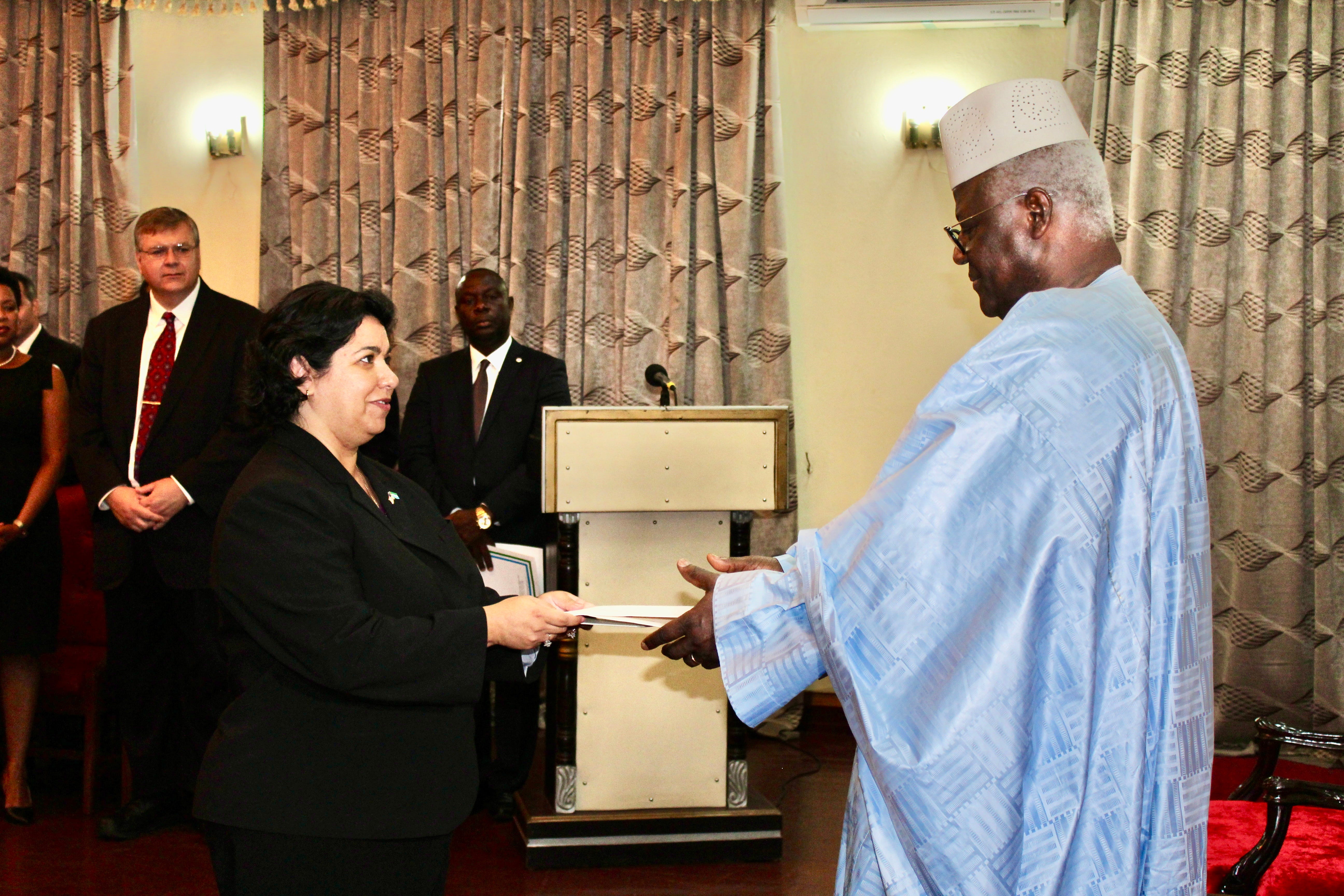
His Majesty’s graciousness reinforced an enduring lesson: respect for local customs matters, yet every interaction is ultimately human. Cultural intelligence requires us to understand both perspectives.
This principle applies far beyond formal diplomacy. In our workplaces, communities, and relationships, leading with curiosity changes how people respond to us. When we begin by seeking to understand others, we become trusted listeners. Trust opens more doors to cooperation and influence than authority alone.
The same is true among nations. Diplomacy depends on relationships cultivated over time, often long before a crisis or disagreement arises. Learning a few words, honoring a tradition, listening carefully, or sharing a moment of laughter may seem like small gestures. Yet those gestures communicate respect, build goodwill, and create the foundation for harder conversations.
Countries, like people, need friends. Those friendships begin when we approach one another with curiosity, recognize our shared humanity, and make the effort to understand the world through someone else’s eyes.
– Adapted from Maria Brewer’s forthcoming book, The Ambassador’s Leadership Edge: For Latina Leaders Ready to Rise to the Top, available on Amazon September 1, 2026.
LISTEN: “With a Little Help From My Friends” - The Beatles
Thanks for reading! This post is public so feel free to share it.
No posts
Comments
Nothing yet. Say the first thing.
Sign in to join the conversation.