
Clears throat. Shuffles paper at the podium.
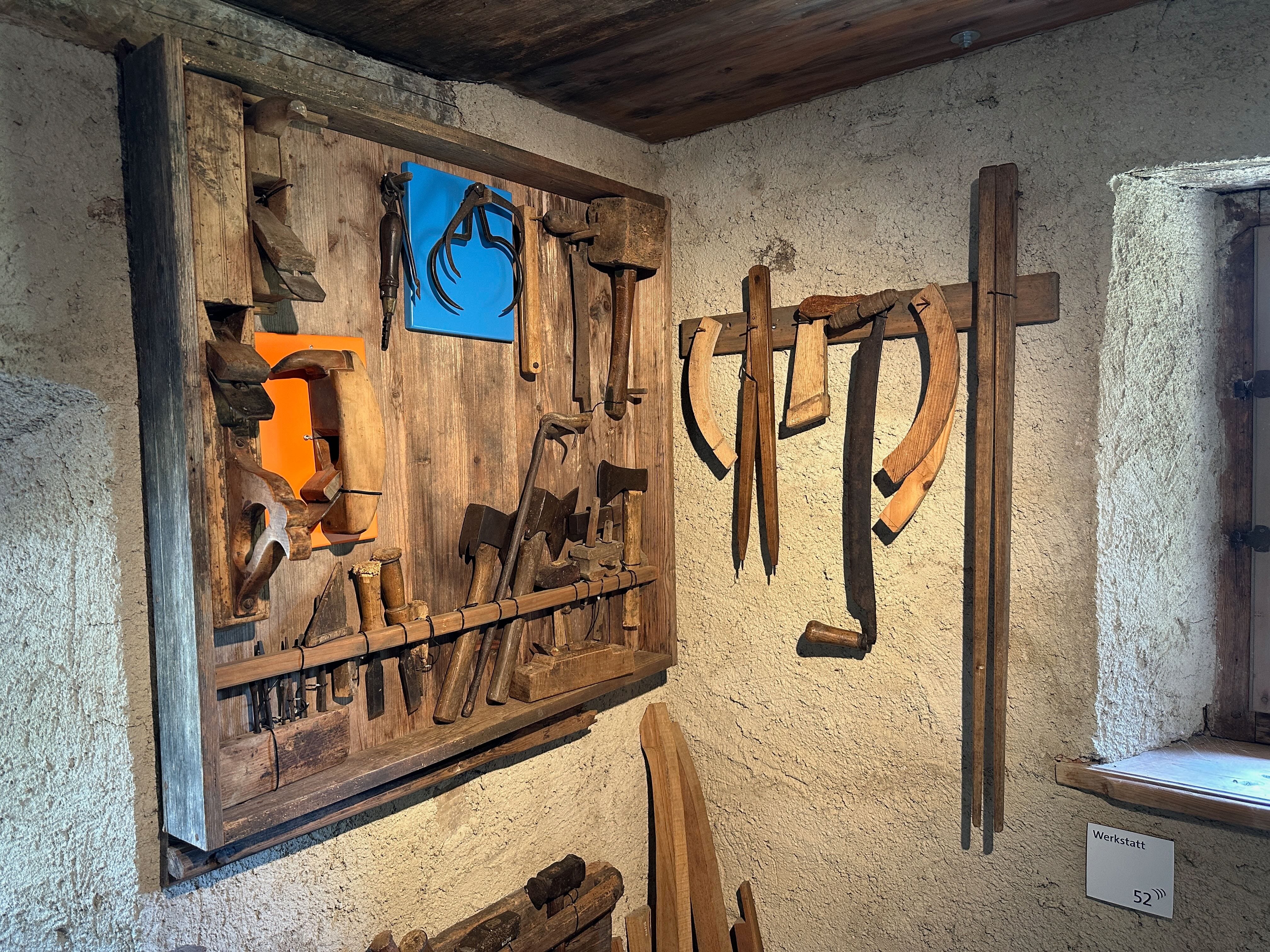
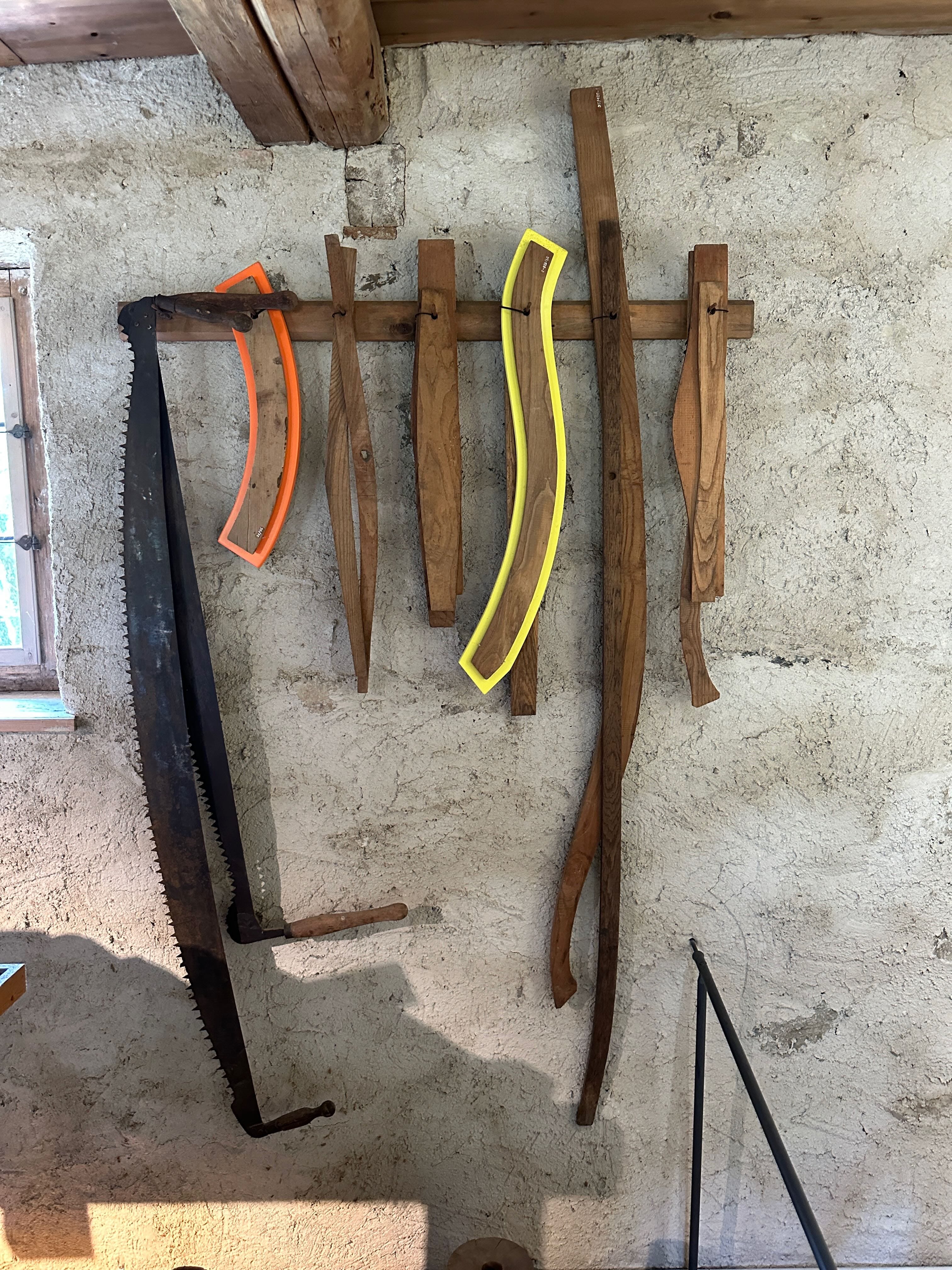
Ahem. One thing that is clear about the peasant or farmer woodworkers is that they did not rely on patterns or jigs when making furniture.
You might be wondering: How did they make the fair curves that adorn their chairs, stools and the skirts around their six-board chests? Or their beautiful elliptical tabletops....?
Oh, I see we have a question. Yes, you in the waistcoat, what is your question?
Did they use trammel points?
Nay, my friend, for trammels are a sort of jig for a pencil and the equipment to make one (a stick, a nail and a hole) would not have been readily available on a remote farm.
So just a pencil then? Freehand?
Certainly, not. Pencils were not invented until at least 1560. And even then, how would a peasant possibly afford one? The graphite mined from England’s Borrowdale Valley was expensive and available only to the monied class for many years.
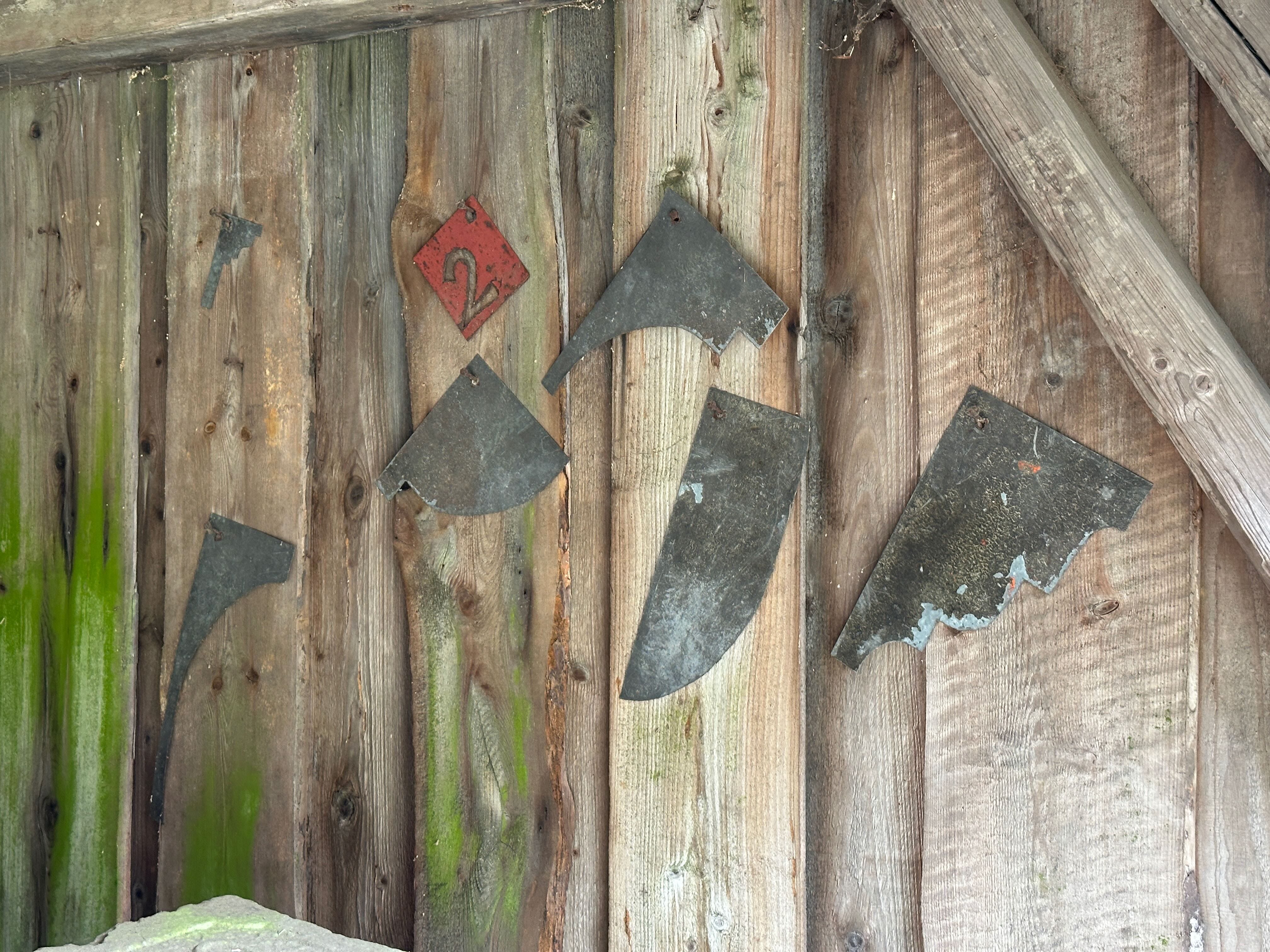
So perhaps they scratched or knifed in their marks?
Yes, my child. That must be true. Or they marked the wood using the blood in their heart. The arterial blood, bile and tears they certainly poured into their work in their rude, pitiless barns.
Oooh. I have an idea. Could they have used bowls and cups from the kitchen to mark out curves and ornaments?
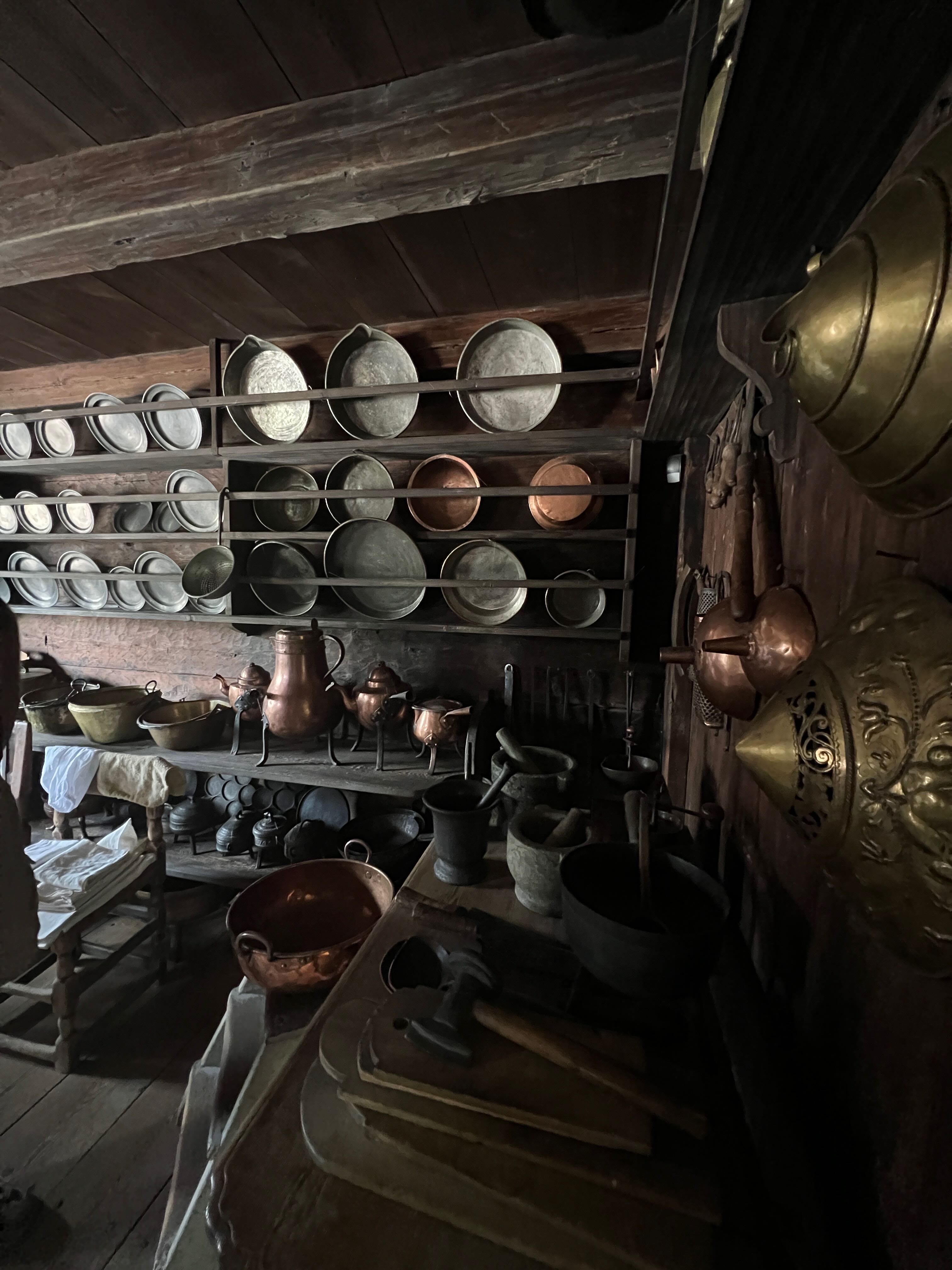
You think they had bowls? Cups? Have you ever been on a pre-industrial farm? Do you think the walls were simply festooned with bowls and plates and all manner of round shapes? Are you positing that the peasant farmer had a lathe? Or a potter’s wheel? Are you a new member of the Wig-wearing Society of How They Did It?
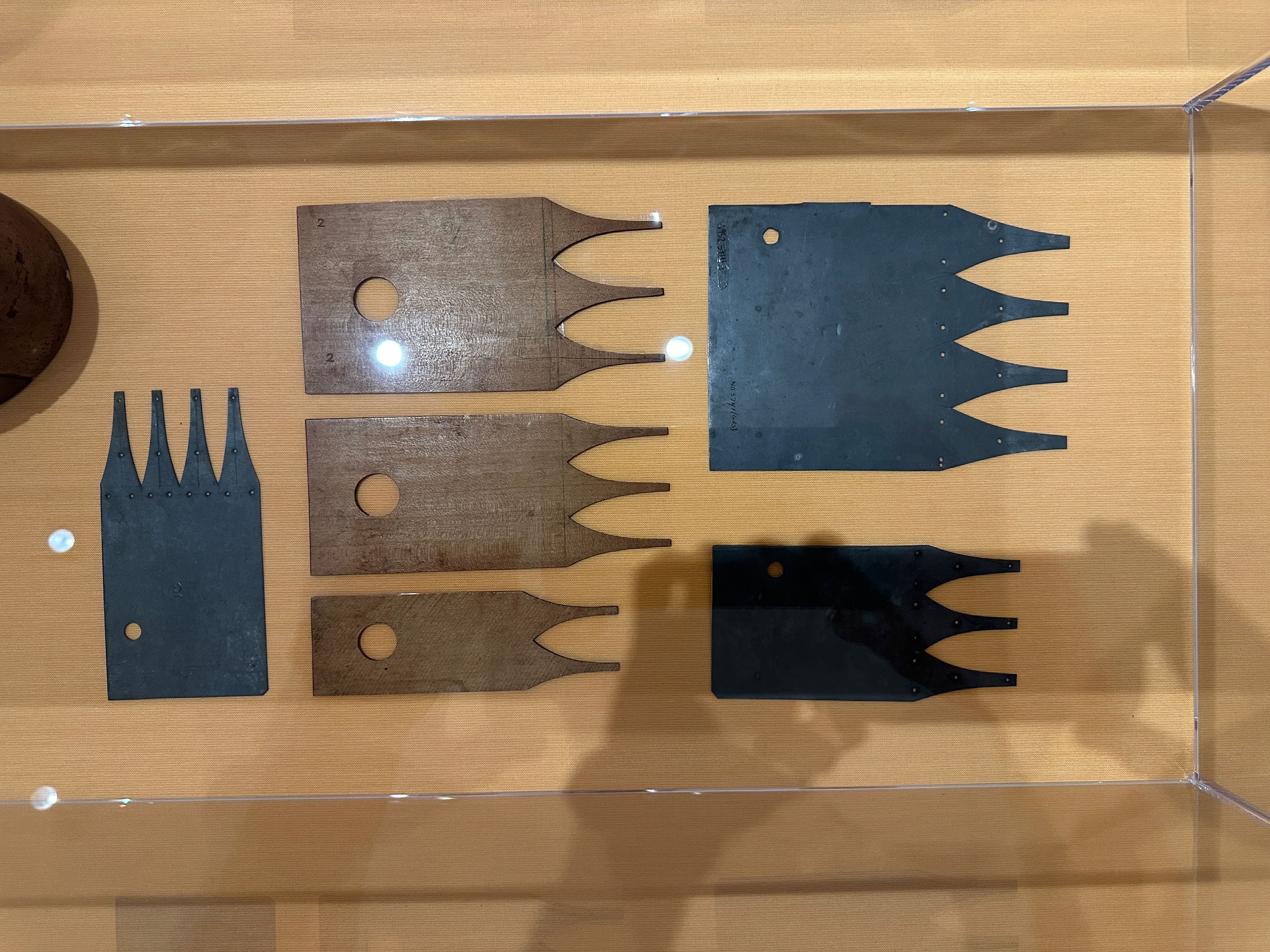
I guess I’m just honestly wondering where they found the shapes for their furniture. And wouldn’t they have saved the shapes they liked? You know, to make other things in the future.
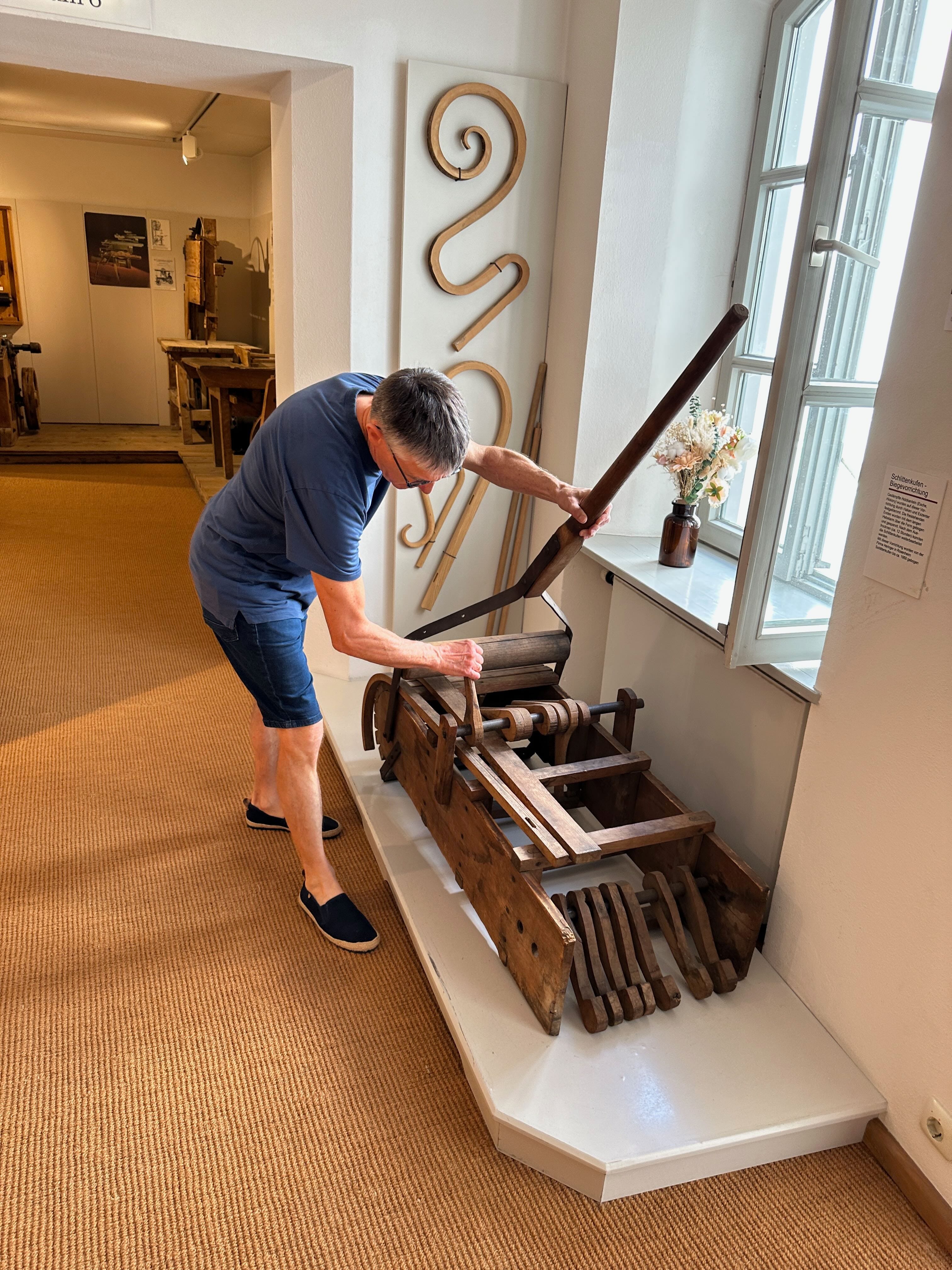
Ah, so we’re on the topic of “patterns” then! I assure you that they did not use patterns. I myself have never seen a single pattern on a single farm in all of my research. They just don’t exist.
Besides, even if they did make a pattern – which they most certainly did not – they wouldn’t have kept it. They would have burned the thing for fuel.
Wow. I just....
Look young lad, I’ve attempted to guide you to discover the answer for yourself. But you are too dense. They created the shapes from their heads. Every piece was different. They didn’t need to store ideas or shapes in “patterns.”
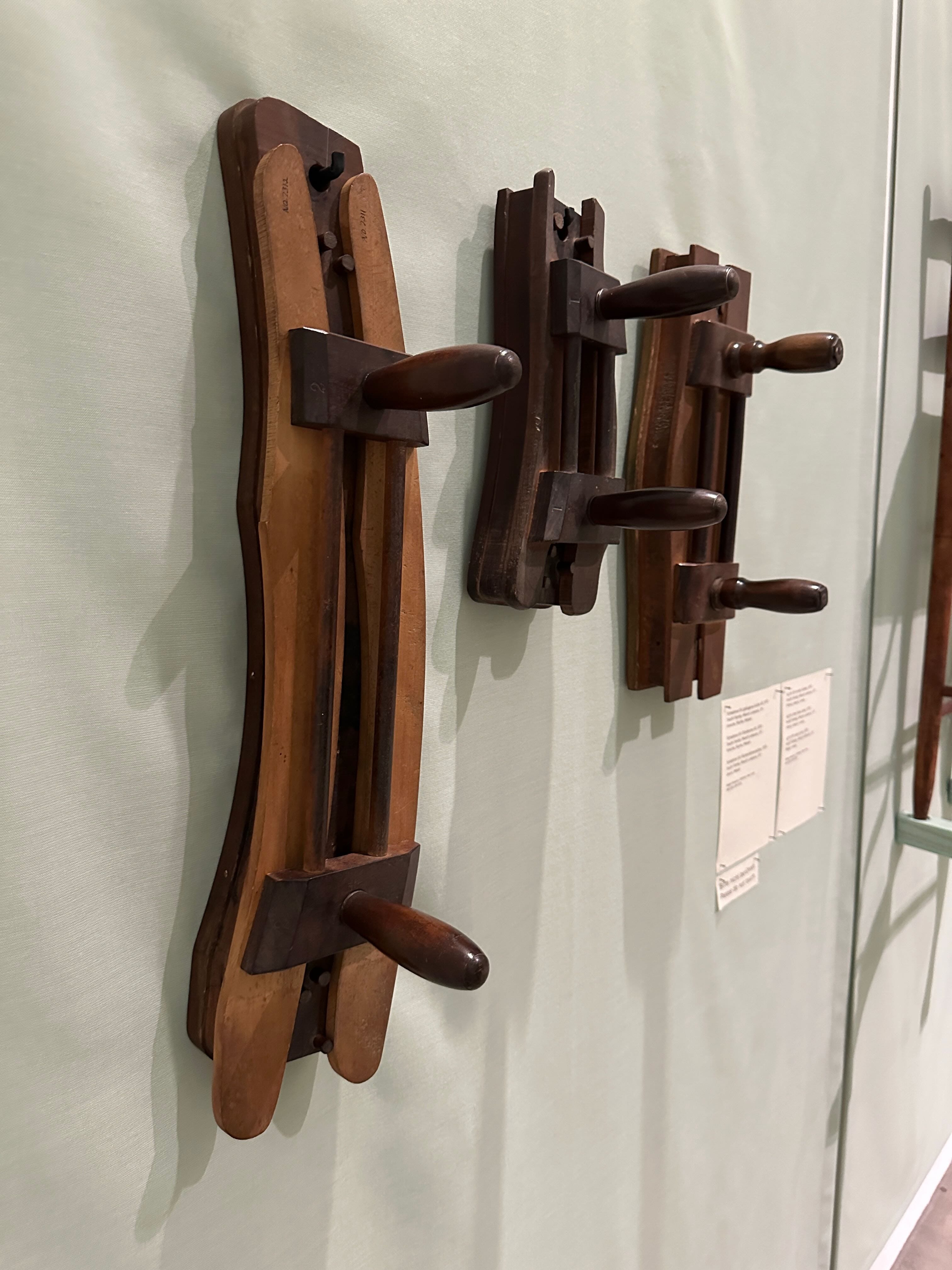
And they didn’t have fancy tools to make arcs. They couldn’t drive a carriage to town to Ye Olde Hobby Lobby and pick up a set of Gallic Curves. They couldn’t mail in pages of Vert Stamps to Paris to get a packet of paper patterns for chairs of all designs.
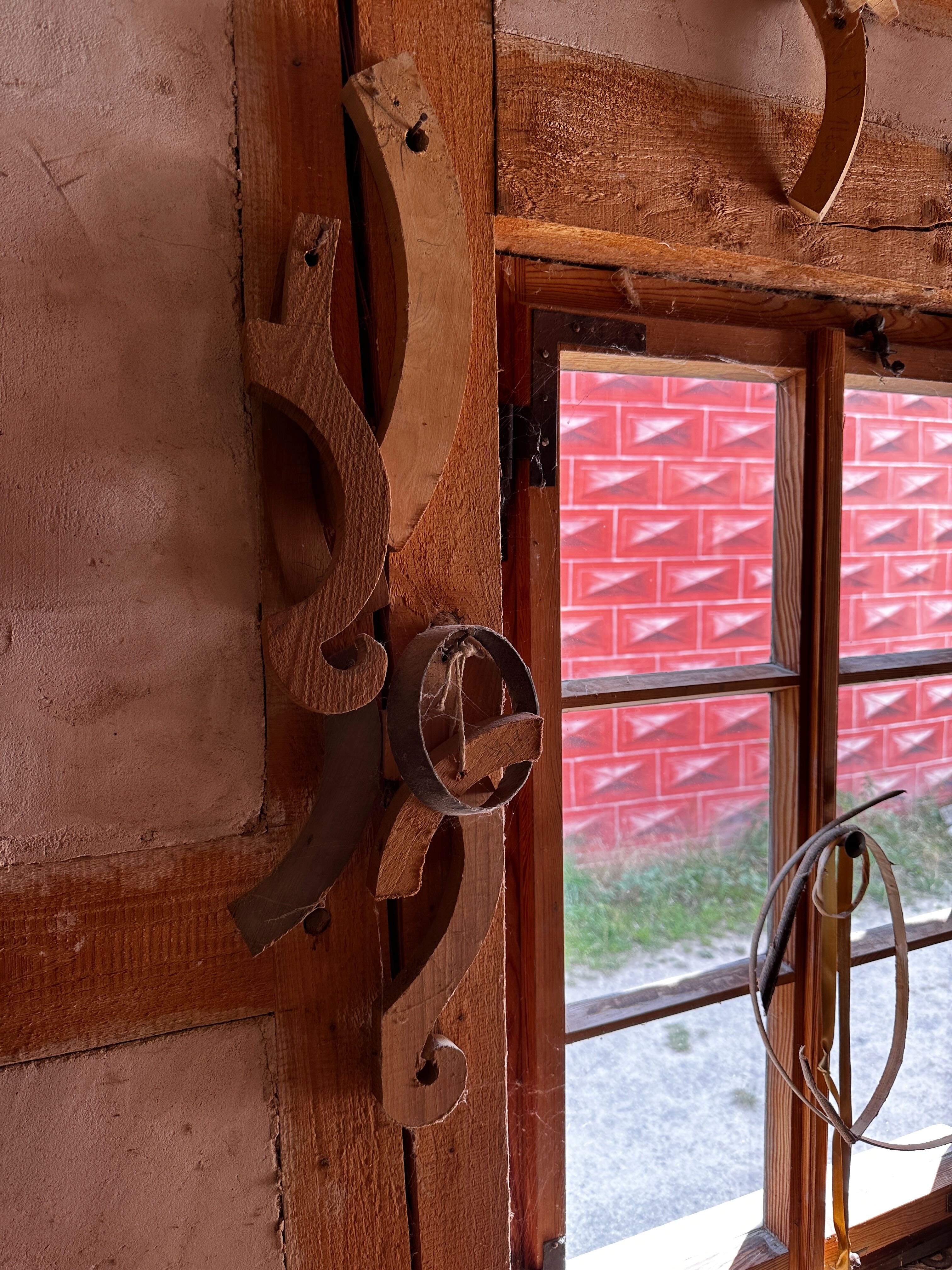
But surely the shapes came from somewhere? They didn’t just appear.
Ah yes. Now you are getting somewhere. You are asking: Where did their ideas for furniture come from? And here’s the answer: From wealthy people of taste.
Huh?
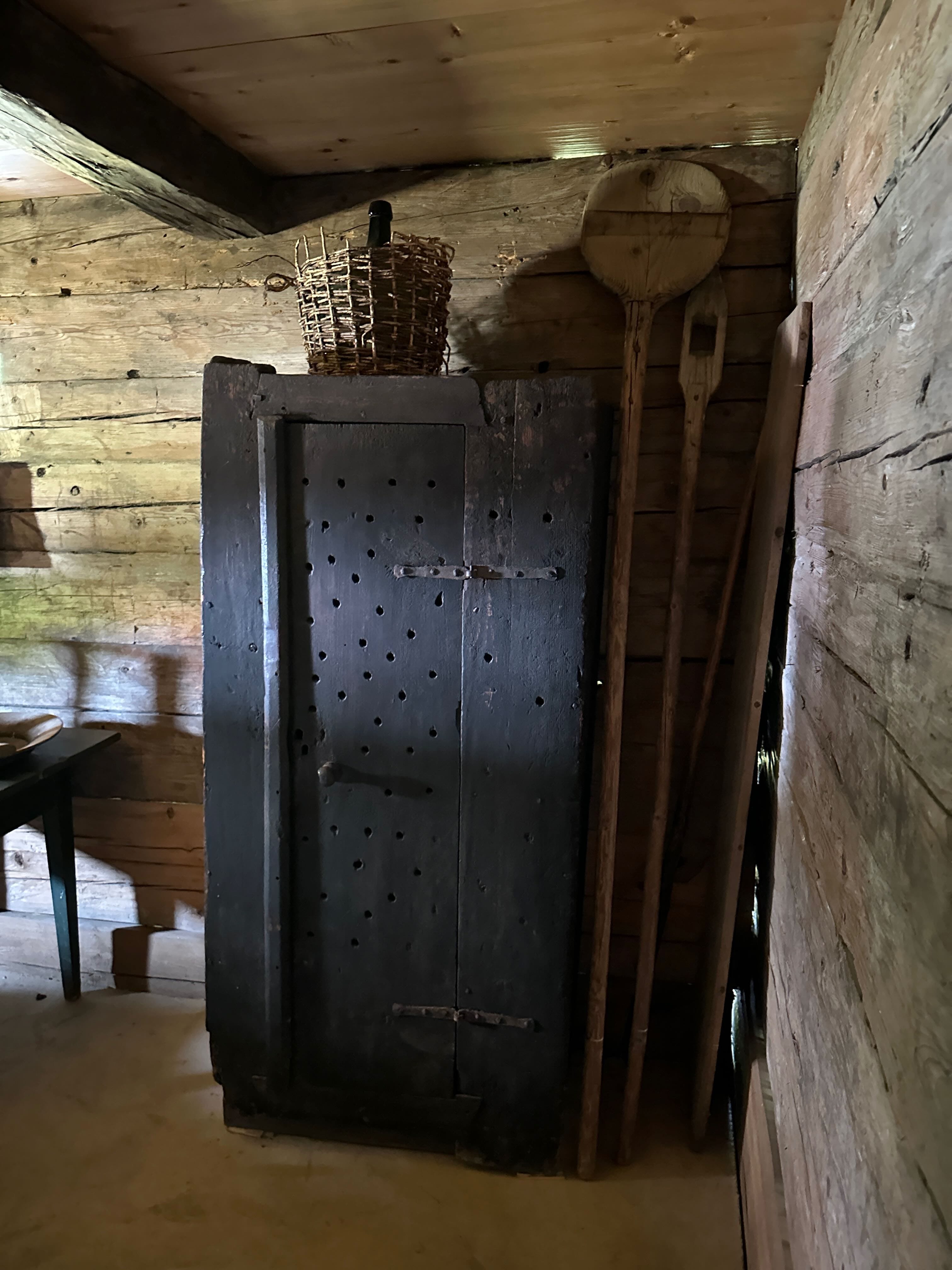
Peasants would go to town and see the fancy furniture that adorned the houses of the wealthy merchants and monied class. Then, when they returned to their farms, they would build furniture using their memory of these high-style pieces. Of course, they were not professional woodworkers, so their pieces were crude approximations of the furniture they saw in town.
This is why peasant furniture is mostly ignored by scholars. For who would want to study a copy of a copy made by a person with few tools and even fewer teeth?
All we need to know about pre-industrial furniture forms is this: A brilliant designer comes up with a new design. They publish a book of their designs....
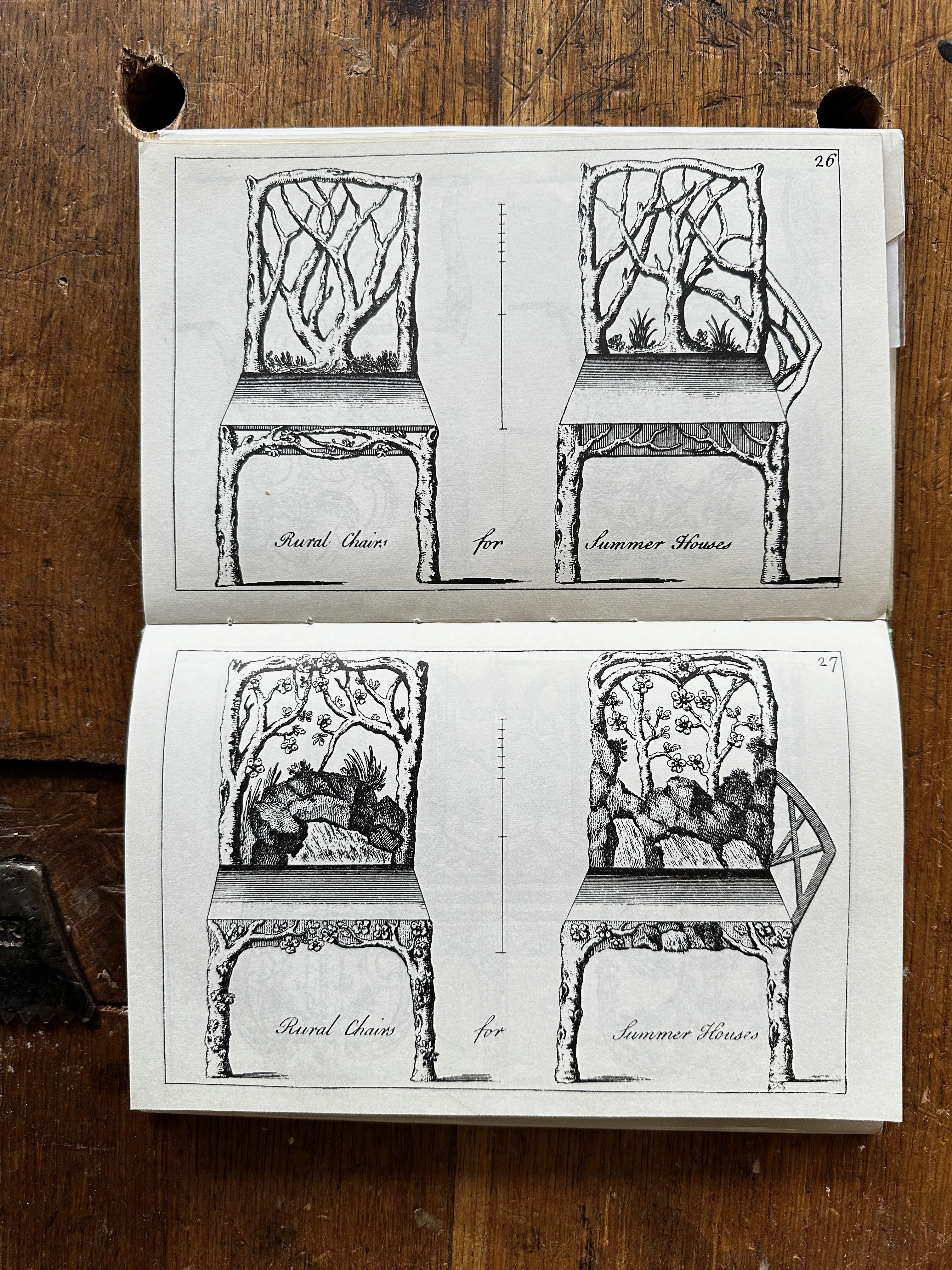
Weren’t these called “pattern books?”
Oh, shut up. They would publish a book of their designs, then trained furniture makers would buy said tome and use it to build pieces for wealthy clients in the cities. Then, naturally, poor people from the country would see these beautiful pieces and think, “I want to make a piece like that.” And so they would return to their wee village and fashion something simpler and cruder from memory.
And when there was a poor harvest, those pieces would be burned for fuel. And the cycle starts again with a brilliant designer who has an idea for a new style of furniture.
And that’s all you need to know about vernacular design.
Comments
Nothing yet. Say the first thing.
Sign in to join the conversation.