


For $3.99 per month, Instagram users can now see who has been rewatching their temporary “stories,” and they’ll be able to hide their own snooping from others. The new product feeds into our vices, Jenna Mindel writes for CT this week, and will make life harder for young people.
“Curiosity is easily corrupted, as theologians have long understood,” she says. “Thomas Aquinas cautioned that ‘sight-seeing becomes sinful, when it renders a man prone to the vices of lust and cruelty on account of things he sees represented.’ Augustine defined curiosity as a kind of disordered desire for both ‘sensory stimulation and sensational knowledge,’ as some ethics and philosophy professors put it—which is exactly how I would describe social media to an alien.”
Often at the heart of it our Instagram snooping is a desire to “see how other people live and compare it to the way we live, to puff ourselves up or tear ourselves down by comparison.”
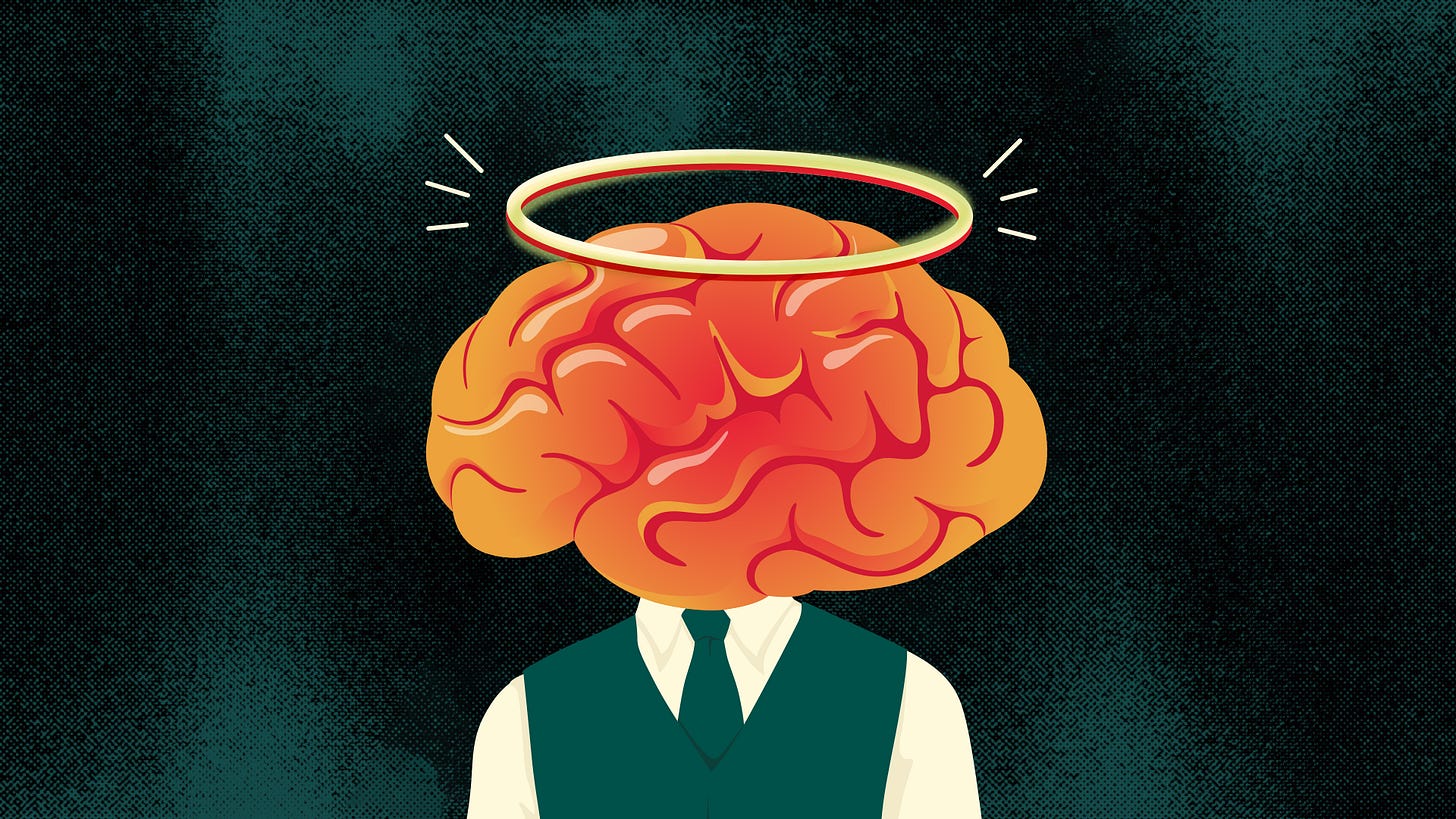
My son has recently started announcing: “My brain is telling me…” before sharing his thoughts. (Usually, they’re thoughts about toys. But he once told me that his brain was telling him that it has a face. A tiny little face on his brain.) All that to say, I found fascinating this episode of Wonderology about the brain, “Synapse and the Soul.” | Listen here.
Make sense of the world through a biblical lens with full access to newsletter articles, ChristianityToday.com, the CT mobile app, and every issue of CT magazine.
Bonnie Kristian, deputy editor: Korean vegetable pancakes. I used frozen peas and corn, green onions, and cabbage for the vegetables—maybe inauthentic, but it’s what we had—and added a spoon of sugar to the batter to compensate for lack of carrots. Very tasty!
Haley Byrd Wilt, interim Weekend editor: I’m reading Frederick Buechner’s Telling the Truth: The Gospel as Tragedy, Comedy, and Fairy Tale, and, like all of his writing, it’s lovely.
For Nigerian Christians who are working to deradicalize terrorists.
For people on the verge of homelessness.
For chaplains discerning the ins and outs of their vocations.
“The Christians You Need Might Be the Christians Next Door,” by Jeff Bilbro
“Teaching Black History in the Trump Age,” by Rann Miller
“The Jews for Jesus Cafe Caught in a Battle Over the Sabbath’” by Jill Nelson
“Your Kids Don’t Need the ‘Perfect School.’ They Need A Savior.” by Hannah Miller King

While the internet seems consumed with political debate, as Christians, we must practice acknowledging cultural fissures and fractures while also placing our ultimate hope in God alone. Christ’s work invites us to work toward repair. As America observes its 250th birthday this year, we both celebrate the American experiment in democracy and speak honestly about it; as Justin Giboney writes in “America 250,” “We must be able to critique and appreciate with impartiality.” In her essay on notable books, Jen Pollock Michel calls readers to consider how freedom for (not just freedom from) is necessary. Also, historian George Marsden looks back at 1976, the year of the evangelical, and Bonnie Kristian examines Charlie Kirk’s legacy. We hope you’ll spend some time with Angela Lu Fulton’s feature “The Cost of Training Up a Chinese Child,” about Chinese Christians who have kept their faith preeminent, and Emily Belz’s reporting on an Anglican church’s support of families healing a year after a school shooting. Whether you find yourself naming fractures or repairing fissures, we hope this will lower the cultural temperature, showing that our faithful work matters but also that Christ promises to make all things new.
Comments
Nothing yet. Say the first thing.
Sign in to join the conversation.