
Across extreme heat, wildfires, ocean warming and declining agricultural resilience, the week’s stories highlight the need to move beyond crisis response toward stronger adaptation, regenerative practices and systemic transformation. They also explore how governments, Indigenous communities, businesses and scientists are developing new approaches to protect natural systems while building resilience.
In addition, this week, take a listen to my conversation with Esther Welles, co-founder of We Are Stewards, where we explore why the future of regenerative business depends not only on what companies do, but also on how they are owned and governed. Steward ownership challenges the assumption that companies must ultimately be controlled by financial owners seeking maximum returns. Instead, it separates voting rights from economic rights, allowing businesses to remain profitable while ensuring that decision-making remains connected to long-term purpose, mission, and the communities they serve.
Through examples including Patagonia, Bosch, Novo Nordisk, Carlsberg, and steward-owned companies in Denmark and the Netherlands, Esther explores different models — including foundation ownership, shareholder foundations, and golden shares — that allow companies to preserve purpose while continuing to innovate and create economic value. The episode also highlights the importance of succession planning and ecosystem change, showing why entrepreneurs, investors, lawyers, advisors, and financial institutions all have a role to play in redesigning ownership for a more regenerative economy.
Read below for highlights and links on the following topics:
Climate Reality: Why record heatwaves and climate impacts demand stronger action beyond denial and delay
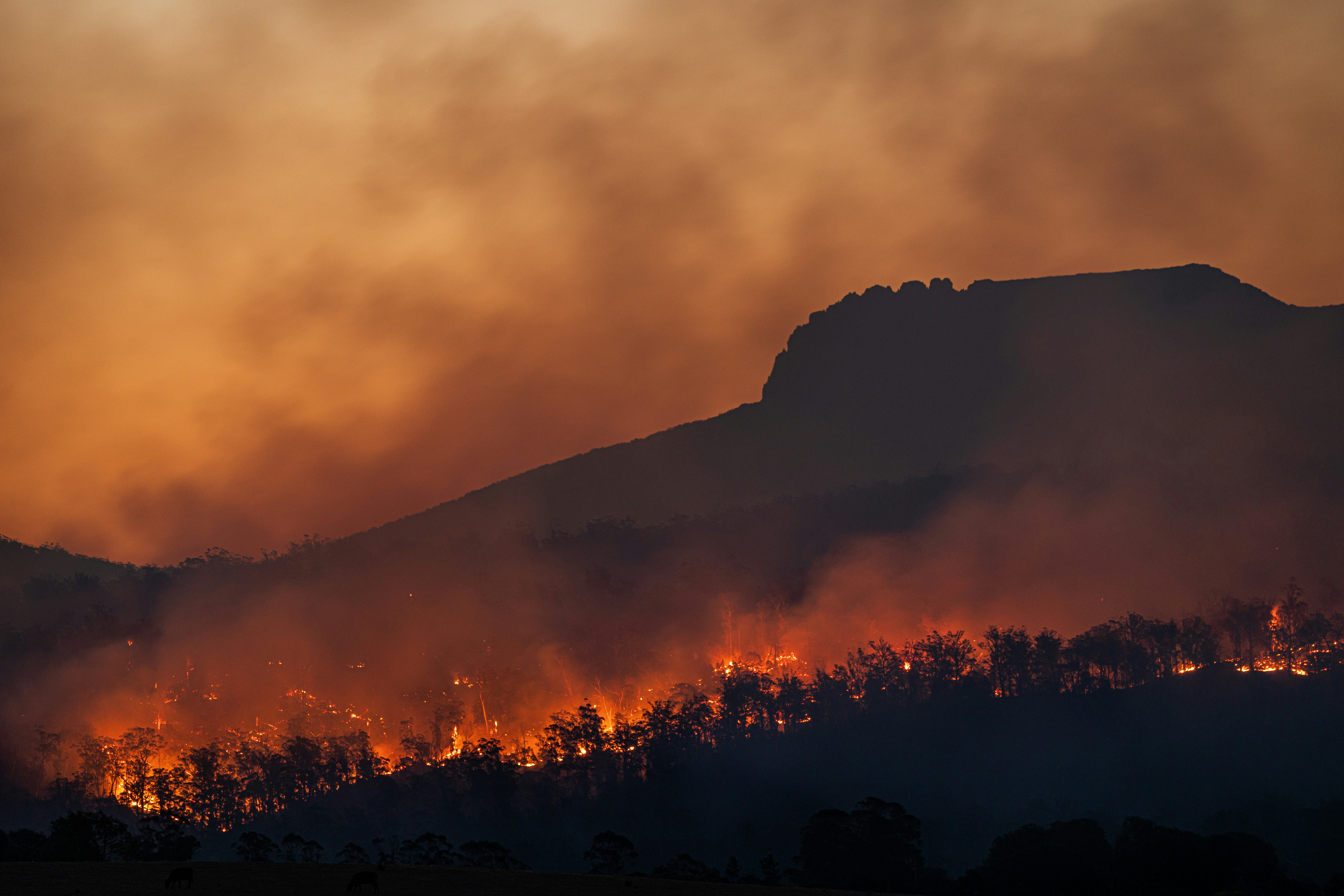
Fire Resilience: How intensifying wildfires are exposing the limits of traditional responses in a hotter world
Soil Nutrition: How regenerative agriculture may help rebuild soil health and restore nutrient-rich food systems
Biodiversity Strategies: What national conservation plans reveal about progress and gaps in protecting ecosystems
Local Resilience: How Indigenous and traditional communities are using nature-based solutions to strengthen climate adaptation
Heritage Under Heat: How rising temperatures are threatening Italy’s iconic food industries and climate-exposed supply chains
Ocean Heat Crisis: Why record marine temperatures signal accelerating impacts across planetary systems
Climate Indicators: What the latest global climate data reveals about continued warming and the urgency of mitigation
Record-breaking heatwaves, droughts and wildfires show the urgent need to confront climate denial and accelerate net-zero action. Highlighting London’s investments in trees, green spaces, clean transport and emissions reductions, he argues that climate policies are essential protections for public health, livelihoods and economic resilience rather than a luxury.
Read more: This burning summer is the proof: the voices of climate denial aren’t just delusional, they’re deadly (The Guardian)
Record-breaking wildfires across Europe and North America reveal a new era of climate-driven fire extremes, where drought, heat and self-intensifying fire systems are overwhelming traditional firefighting approaches. The article argues that adapting to a hotter world requires both stronger resilience measures and an accelerated shift away from fossil fuels toward renewable energy systems.
Read more: What Happens When the World is on Fire (TIME)
Declining nutrient levels in crops are prompting researchers to explore regenerative agriculture as a way to rebuild soil health, biodiversity and food quality. Studies suggest regenerative practices may increase nutrient density by restoring soil ecosystems, although questions remain about scalability, certification and whether benefits are consistent across farming systems.
Read more: Nutrients in our food are declining. Can regenerative agriculture save it? (The Guardian)
A review of national biodiversity strategies examines how countries are addressing the global biodiversity crisis through planning, implementation and governance frameworks. The report highlights strengths, weaknesses and gaps in National Biodiversity Strategy and Action Plans (NBSAPs), emphasizing the need for stronger coordination and effective action to protect ecosystems.
Read more: A Comparison of National Biodiversity Strategies: Strengths, Weaknesses, and Implementation Issues (Defenders of Wildlife)
Indigenous Peoples and traditional communities in Brazil are developing nature-based solutions that strengthen climate adaptation while protecting biodiversity and ecosystems. A new report highlights the importance of territorial rights, direct financing, local knowledge and community-led governance to scale resilience efforts across the Amazon and Cerrado.
Read more: Document Offers Recommendations to Strengthen Climate Change Adaptation for Indigenous Peoples and Traditional Communities (The Nature Conservancy)
Extreme heat is disrupting Italy’s Parmigiano Reggiano, wine and olive oil industries, exposing how climate change threatens both agricultural production and economic systems built around them. The article shows how rising temperatures are increasing costs, reducing yields and creating wider financial risks across supply chains, from farmers to banks.
Read more: Italy’s $4.7 billion cheese economy is feeling the heat as climate change threatens its cheese banks that hold Parmigiano wheels as loan collateral (Fortune)
Record-breaking ocean temperatures and widespread marine heatwaves show the accelerating impacts of global warming across marine and terrestrial systems. Scientists warn that rising sea temperatures, intensified droughts and extreme heat are reinforcing each other, underscoring the urgent need for emissions reductions.
Read more: Marine heatwaves strike as climate change plays out ‘in front of our eyes’ (Financial Times)
The State of the Climate in 2025 report finds that global climate indicators continued to reach record or near-record levels, with greenhouse gas concentrations, ocean heat content and extreme weather events reflecting ongoing planetary warming. The report highlights accelerating climate changes across the atmosphere, oceans, cryosphere and ecosystems, reinforcing the need for rapid mitigation and adaptation efforts.
Read more: State of the Climate in 2025: Global Indicators (American Meteorological Society)
The regenerative business practices and sustainability innovations highlighted in this week’s Regenerative Insights directly tackle the critical issues of corporate responsibility explored in my recent book explored in my recent book, The Profiteers: How Business Privatizes Profit and Socializes Cost.

No posts
Comments
Nothing yet. Say the first thing.
Sign in to join the conversation.