
Going to a major hospital in China used to mean one thing: navigating a massive crowd to figure out which department you needed, followed by long lines just to register. Today, the experience is changing rapidly thanks to the rise of “Smart Hospitals” (智慧医院, zhìhuì yīyuàn).
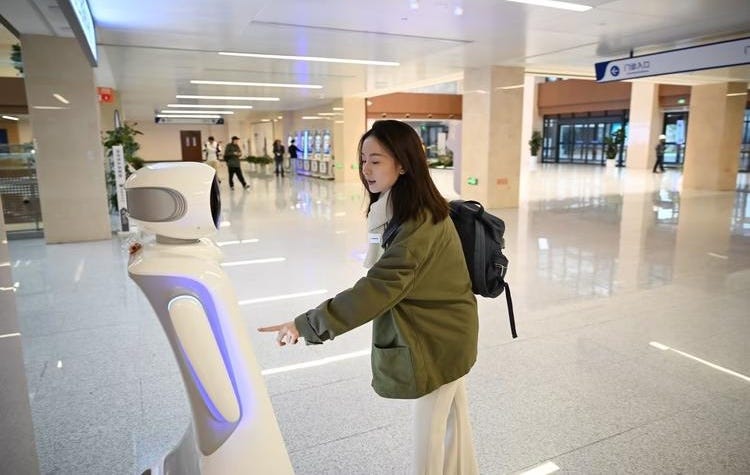
When you walk into the lobby of a modern Chinese municipal hospital, the first “person” you meet might not be a nurse, but an AI triage robot (导诊机器人, Dǎo zhěn jīqìrén).
These robots are equipped with voice recognition, touch screens, and natural language processing. You simply tell the robot your symptoms—for example, “I have a stomachache and a fever”—and the AI system will automatically recommend the correct department and doctor, boasting an accuracy rate of over 85%.
Companies like OrionStar are deploying these robots to provide “smart triage” and even cross-floor navigation, leading patients directly to the clinic door or the pharmacy. Meanwhile, self-service kiosks (自助服务机, Zìzhù fúwù jī ) handle registration, payment, and printing test results, drastically reducing waiting times.
Comments
Nothing yet. Say the first thing.
Sign in to join the conversation.