
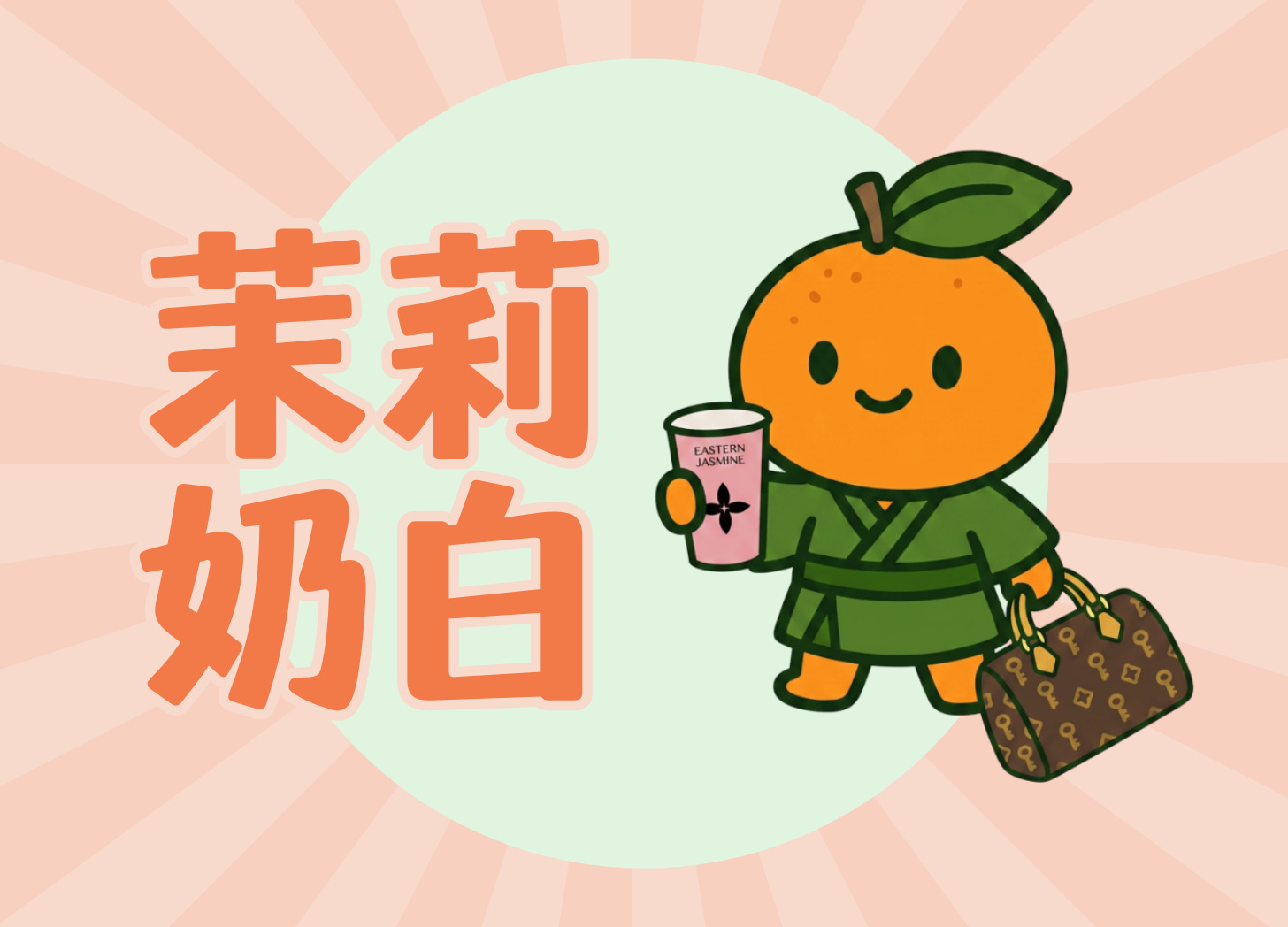
In a country where new brands rise almost overnight, one small flower has become the center of a surprisingly large debate.
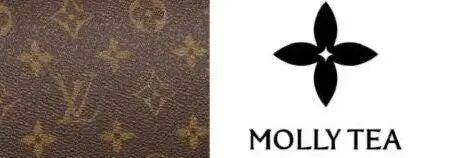
When French luxury giant Louis Vuitton sued Chinese tea brand 茉莉奶白 (Molly Tea) over a four-petal floral design, the dispute appeared to be a straightforward trademark case. One company argued that its intellectual property had been copied; the other faced questions about whether a common cultural motif could truly belong to one brand.
But the controversy quickly moved beyond the courtroom.
For many Chinese consumers, this was not only a battle over a logo. It became a conversation about cultural symbols, Chinese creativity, and the complicated relationship between global luxury brands and China’s rapidly changing consumer culture.
Could a flower belong to everyone — and still belong to a brand?

如今,一场围绕“四叶花”图案的商标纠纷,引发了中国消费者对于品牌保护、文化符号以及知识产权的广泛讨论。法国奢侈品牌路易威登(Louis Vuitton)起诉中国茶饮品牌“茉莉奶白”,认为该品牌使用的花卉图案与LV经典四叶花标识高度近似,侵犯了自身注册商标权益。法院一审判决茉莉奶白停止相关使用,并赔偿1030万元人民币。
商标纠纷 (shāngbiāo jiūfēn): trademark dispute
图案 (tú’àn): pattern; design
花卉图案 (huāhuì tú’àn): floral design
奢侈品牌 (shēchǐ pǐnpái): luxury brand
高度近似 (gāodù jìnsì): highly similar
注册商标 (zhùcè shāngbiāo): registered trademark
侵犯权益 (qīnfàn quányì): infringe on rights
一审判决 (yīshěn pànjué): first-instance court ruling
停止使用 (tíngzhǐ shǐyòng): stop using
赔偿 (péicháng): compensation
Today, a trademark dispute surrounding a “four-petal flower” design has sparked widespread discussion among Chinese consumers about brand protection, cultural symbols, and intellectual property.
French luxury brand Louis Vuitton sued Chinese tea company Molly Tea, arguing that the floral design used by the brand was highly similar to LV’s iconic four-petal flower trademark and infringed upon its registered trademark rights.
In the first-instance ruling, the court ordered Molly Tea to stop using the design and pay 10.3 million RMB in compensation.
对于路易威登而言,这场诉讼并不是为了“占有一朵花”,而是为了保护经过几十年商业积累形成的品牌识别系统。在奢侈品行业,一个简单的图案、颜色甚至排列方式,都可能成为消费者识别品牌的重要视觉符号。LV认为,四叶花标识已经与其品牌形象形成强烈联系,未经授权使用类似设计,可能削弱品牌价值。
然而,在许多消费者看来,争议的核心并没有那么简单。他们认为,类似的花卉元素在人类艺术史中十分常见,也存在于不同文化的传统装饰之中。因此,当一个具有普遍美感的图案成为商业资产时,人们自然会产生疑问:文化符号的边界在哪里?
占有 (zhànyǒu): to possess; to claim ownership of
商业积累 (shāngyè jīlěi): commercial accumulation over time
品牌识别系统 (pǐnpái shíbié xìtǒng): brand identity system
视觉符号 (shìjué fúhào): visual symbol
强烈联系 (qiángliè liánxì): strong association
削弱 (xuēruò): to weaken
普遍美感 (pǔbiàn měigǎn): universal aesthetic appeal
商业资产 (shāngyè zīchǎn): commercial asset
边界 (biānjiè): boundary
For Louis Vuitton, this lawsuit was not about “owning a flower.” Instead, it was about protecting a brand identity system built through decades of commercial investment.
In the luxury industry, a simple pattern, color, or arrangement can become an important visual symbol that allows consumers to recognize a brand. LV argued that its four-petal flower mark had developed a strong association with its brand image, and that unauthorized use of a similar design could weaken its brand value.
However, many consumers saw the issue as more complicated.
They argued that similar floral elements have existed throughout human artistic history and appear in traditional decorations across different cultures. Therefore, when a design with universal aesthetic appeal becomes a commercial asset, people naturally begin asking: where is the boundary of cultural ownership?
过去很长一段时间,中国消费者对于国际品牌抱有特殊认可。购买外国品牌不仅代表质量和设计,也代表一种全球化身份。然而,近年来,中国消费市场正在发生变化。
越来越多年轻消费者开始关注本土品牌,并期待这些品牌不仅提供产品,也提供文化表达。这种趋势被称为“国潮”(guócháo)——中国文化元素与现代消费结合的新潮流。
从服装到美妆,从食品到茶饮,中国品牌正在尝试创造属于自己的视觉语言。
茉莉奶白正是在这样的背景下成长起来的。它通过茶文化、东方美学以及年轻化设计,希望建立一种既传统又现代的品牌形象。
因此,当它与LV发生商标争议时,很多讨论已经超越了一个简单问题:“谁模仿了谁?”
更多人开始思考:“中国品牌应该如何创造自己的符号?”
国潮 (guócháo): Chinese cultural trend; “China chic”
本土品牌 (běntǔ pǐnpái): domestic/local brand
文化表达 (wénhuà biǎodá): cultural expression
视觉语言 (shìjué yǔyán): visual language
东方美学 (dōngfāng měixué): Eastern aesthetics
年轻化设计 (niánqīnghuà shèjì): youth-oriented design
建立形象 (jiànlì xíngxiàng): build an image
超越 (chāoyuè): go beyond
For a long time, Chinese consumers placed special value on international brands. Buying foreign products represented not only quality and design but also a connection to global identity. However, China’s consumer market has been changing.
More young consumers are paying attention to domestic brands and expecting them to provide not only products but also cultural expression. This trend is known as guochao — the combination of Chinese cultural elements with modern consumption.
From fashion to cosmetics, food, and tea, Chinese brands are trying to create their own visual language.
Molly Tea grew within this environment. Through tea culture, Eastern aesthetics, and youthful design, the brand attempted to create an identity that was both traditional and modern.
Therefore, when the dispute with LV occurred, many discussions moved beyond a simple question:“Who copied whom?”
Instead, people began asking:“How should Chinese brands create their own symbols?”
这场争议反映出一个全球化时代越来越常见的问题:当一个符号具有商业价值时,它是否还能保持文化开放性?
商标制度的目的,是保护品牌创造力。如果企业投入大量时间和资源建立独特形象,那么法律需要保护这种投资。但是,文化并不像商品一样容易划分。
一个花纹、一种颜色、一种传统元素,可能同时属于商业世界,也属于人类共同的审美经验。
这正是LV与茉莉奶白案例引发争论的原因。它不是简单的“外国品牌对中国品牌”,也不是“传统文化对商业利益”。它实际上展示了现代社会中的一个复杂现实:品牌需要独特性,而文化需要流动性。
矛盾 (máodùn): contradiction; conflict
全球化时代 (quánqiúhuà shídài): era of globalization
符号 (fúhào): symbol
商业价值 (shāngyè jiàzhí): commercial value
开放性 (kāifàngxìng): openness
创造力 (chuàngzàolì): creativity
投入资源 (tóurù zīyuán): invest resources
审美经验 (shěnměi jīngyàn): aesthetic experience
流动性 (liúdòngxìng): fluidity
This dispute reflects a question that is becoming increasingly common in a globalized world: When a symbol has commercial value, can it still remain culturally open?
The purpose of trademark law is to protect creativity. If companies invest significant time and resources into building a unique identity, the law needs to protect that investment. However, culture is not as easy to divide as a product.
A pattern, a color, or a traditional element may belong simultaneously to the commercial world and to humanity’s shared aesthetic experience.
This is why the LV and Molly Tea case attracted so much debate. It is not simply “a foreign brand versus a Chinese brand,” nor is it “traditional culture versus commercial interests.” Instead, it reveals a complicated reality of modern society: Brands need uniqueness, while culture needs freedom to flow.

也许,这场争议给中国品牌带来的最大启示,并不是“不要使用类似的图案”,而是更加深层的问题:如何创造无法被替代的品牌价值?
过去,中国企业经常被评价为“制造能力强”,但如今,越来越多企业希望证明自己也拥有创造能力。
未来的中国品牌,需要的不只是漂亮的包装,而是真正属于自己的故事、设计和文化符号。
因为一个全球品牌最终依靠的,并不是一个图案本身。它依靠的是消费者赋予这个图案的意义。一朵花可以很普通。但当一个品牌让世界记住它时,这朵花就拥有了力量。
启示 (qǐshì): lesson; inspiration
深层问题 (shēncéng wèntí): deeper question
替代 (tìdài): replace
品牌价值 (pǐnpái jiàzhí): brand value
制造能力 (zhìzào nénglì): manufacturing capability
创造能力 (chuàngzào nénglì): creative ability
赋予意义 (fùyǔ yìyì): give meaning to
拥有力量 (yōngyǒu lìliàng): possess power
Perhaps the biggest lesson for Chinese brands from this dispute is not simply “avoid using similar designs.” The deeper question is:How can brands create value that cannot be replaced?
In the past, Chinese companies were often recognized for their manufacturing ability. Today, more companies want to prove that they also possess creative ability.
The Chinese brands of the future will need more than attractive packaging. They will need their own stories, designs, and cultural symbols.Because a global brand ultimately does not rely on a pattern itself. It relies on the meaning consumers give to that pattern. A flower can be ordinary. But when a brand makes the world remember it, that flower gains power.
Are you serious about learning Chinese? We also offer structured learning materials designed by experts, doubled checked by learners, to help you progress faster.
🍊 Follow Mandarin Zest:
Comments
Nothing yet. Say the first thing.
Sign in to join the conversation.