
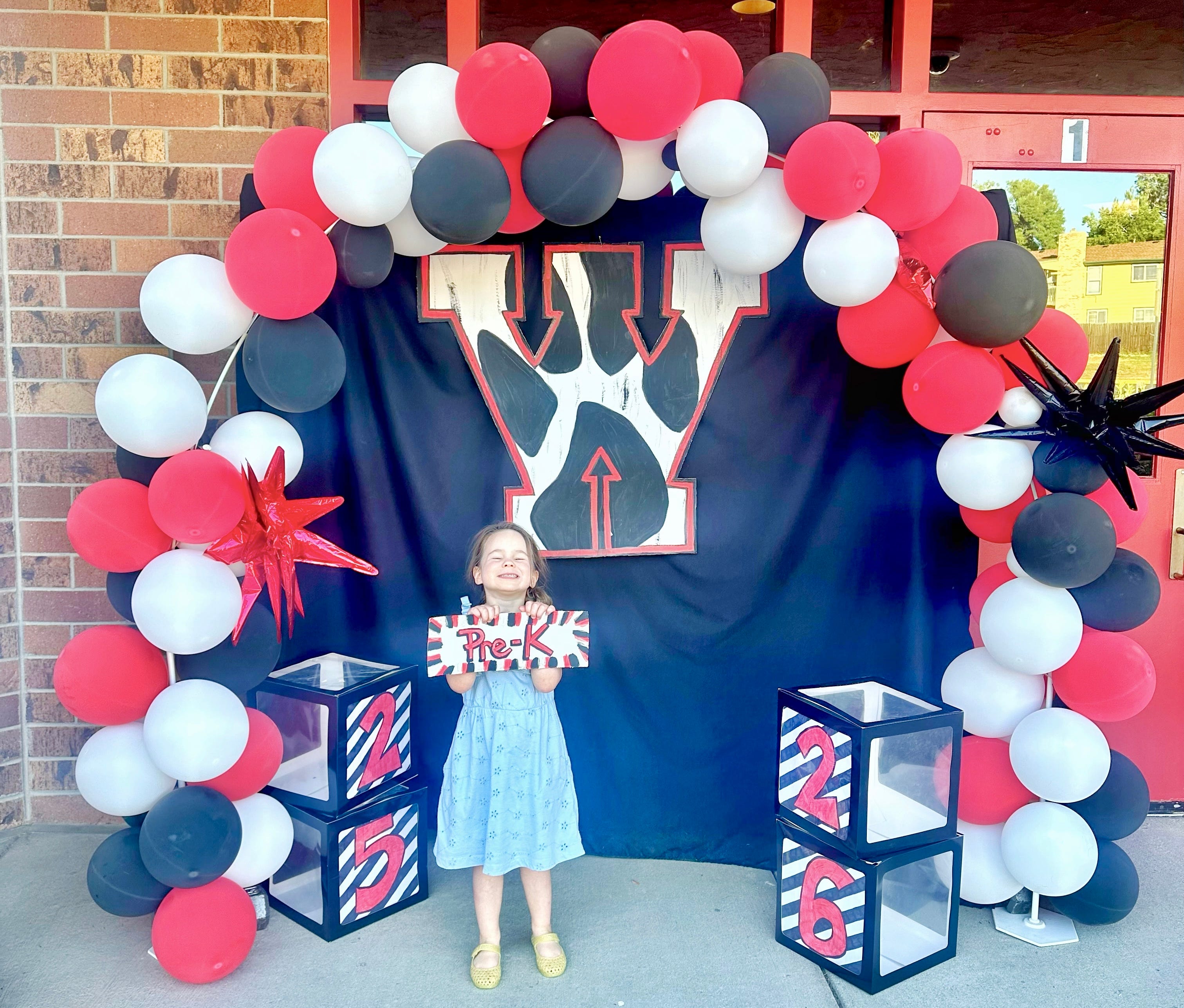
Happy Thursday, friends!
This will be my last newsletter for the rest of (our) summer. The kids are back to school on August 19th, and we’re out of town until then. We’ve got Lotte’s 10th birthday surprise next week (it’s Universal/Harry Potter World with her Grandpa and cousin, but shhhhh, don’t tell her), YMCA of the Rockies in Granby (and the big girls’ first-ever week-long sleepaway camp) the week after, and Washington DC/the Dominican Republic for the final week before we’re back at it.
It’s been an incredible summer. Between the fun, though, I’ve been working lots of behind-the-scenes book things that I can only hope and pray come to fruition in the fall. Or at least by the end of the year. Until then, though, I will accept any and all good luck vibes you’d like to send my way.
For my last post before we head back to school, I wanted to dedicate the content to something near and dear to every parents’ heart … getting their kid to like school. For the most part, my three girls like school. But my middle — Grace — has definitely started complaining about it more, and Emilia, my youngest, is only at the very beginning of her school journey. Who knows what the future brings.
A few years back I spoke to an expert for advice on getting your kid to like school. It was, shockingly, for a pitch that never found a home. I went back and read the advice recently, though, and it holds up.
“It’s important to recognize that fear and resistance to going to school are normal, especially for young kids who are just starting,” said Jessica Stern, Ph.D., a child psychologist at the University of Virginia. “It’s a big transition, involving separation from parents and being in a new place with new people.”
It’s important to recognize that fear and resistance to going to school are normal, especially for young kids who are just starting.
Although some kids may express their displeasure with school verbally, Dr. Stern cautions that others might express their fears in somatic symptoms, like stomachaches or headaches on school mornings, or in tantrums when separating from parents. I really hope that if you’re struggling with a kid who occasionally (or always) says that they don’t like school, this advice will help.
Research shows that gradual exposure to what we fear can help us overcome it, which can help when it comes to kids and school. Putting together a couple ‘dress rehearsals’ for back-to-school might include practicing getting ready for school in the morning, driving by the school and practicing drop-off and pick-up, and spending some time outside the building while doing some deep breaths or positive affirmations. “The key is for caregivers and children to do this together, so caregivers can model staying calm and give encouragement along the way,” said Dr. Stern. “The message kids most need to hear as they practice facing their back-to-school fears is: ‘We’re in this together, and I’ve got your back.’”
The message kids most need to hear as they practice facing their back-to-school fears is: ‘We’re in this together, and I’ve got your back.
Speaking with your child about the specific reasons they don’t like school is important, but it’s equally important to use the right words when doing so. “This may look like asking questions that affirm their feelings, such as, ‘That must feel really scary. Can you tell me more about that?’” said Eileen Conroy, a former therapist and mental health expert with find-a-therapist.com. You might also try paraphrasing what they said with statements like, “You must have felt really angry when your classmate stole your notebook and the teacher didn’t notice.” “Not only will this help your child feel understood, it may also help you gain some clarity into why they are struggling,” Conroy added.
Another tactic Conroy is fond of —particularly for younger kids — is the magic wand technique. After your child has expressed their dislike of school, try asking them, “If you had a magic wand that would help going to school feel better, what would you do?” Their answer might reveal something simple — like a different morning routine — or something that requires a bit more digging, like issues with a friend or teacher, or traveling to and from school on the bus. However your child responds, use that to help figure out your next steps.
After your child has expressed their dislike of school, try asking them, “If you had a magic wand that would help going to school feel better, what would you do?”
Michelle Nielson, CEO of HiveWheel, an executive functioning company that coaches kindergarten through college students, suggests parents sit down with their kids and put together a list of things the kids fear about school, assigning each fear a number from one to five of how much they fear them. Then, create a list of things that would be exciting for the child to do or receive, and assign the fun things a number from one to five reflecting how excited they’d be to do or get them. When the child conquers a four or five fear, let them pick out a four or five reward to celebrate. Science shows that our brains release chemicals that help us remember and expect rewards, which makes us more likely to follow through on similar responses in the future.
Science shows that our brains release chemicals that help us remember and expect rewards, which makes us more likely to follow through on similar responses in the future.
Good luck out there parents! Back-to-school can be rough, but with a little patience, it’s totally possible to not only get through it, but to hopefully thrive will doing so.
I had so much fun at the Kids’ Summer Party thrown by Edgewater Books this past Sunday. I was one of two local authors who did a story time, they had crafts and BOGO ice cream, and a magician! Fun was had.
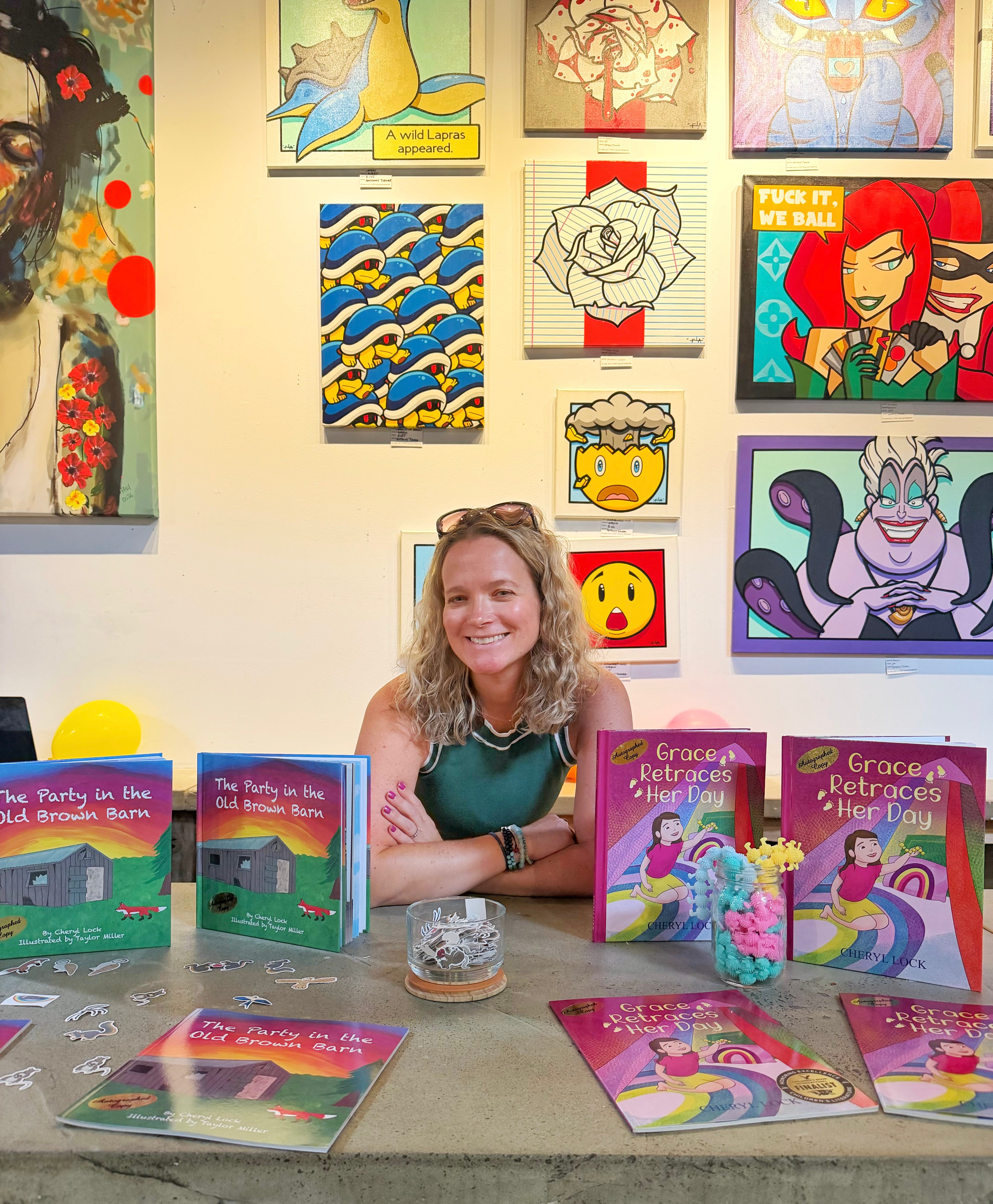
I’ll be back in August with my full list of fall events, but in the meantime, put the South Pearl Farmer’s Market on your calendar for August 30th. Taylor & I will be there at the Second Star to the Right booth, signing books!

Until then … bis bald, friends!
No posts
Comments
Nothing yet. Say the first thing.
Sign in to join the conversation.