
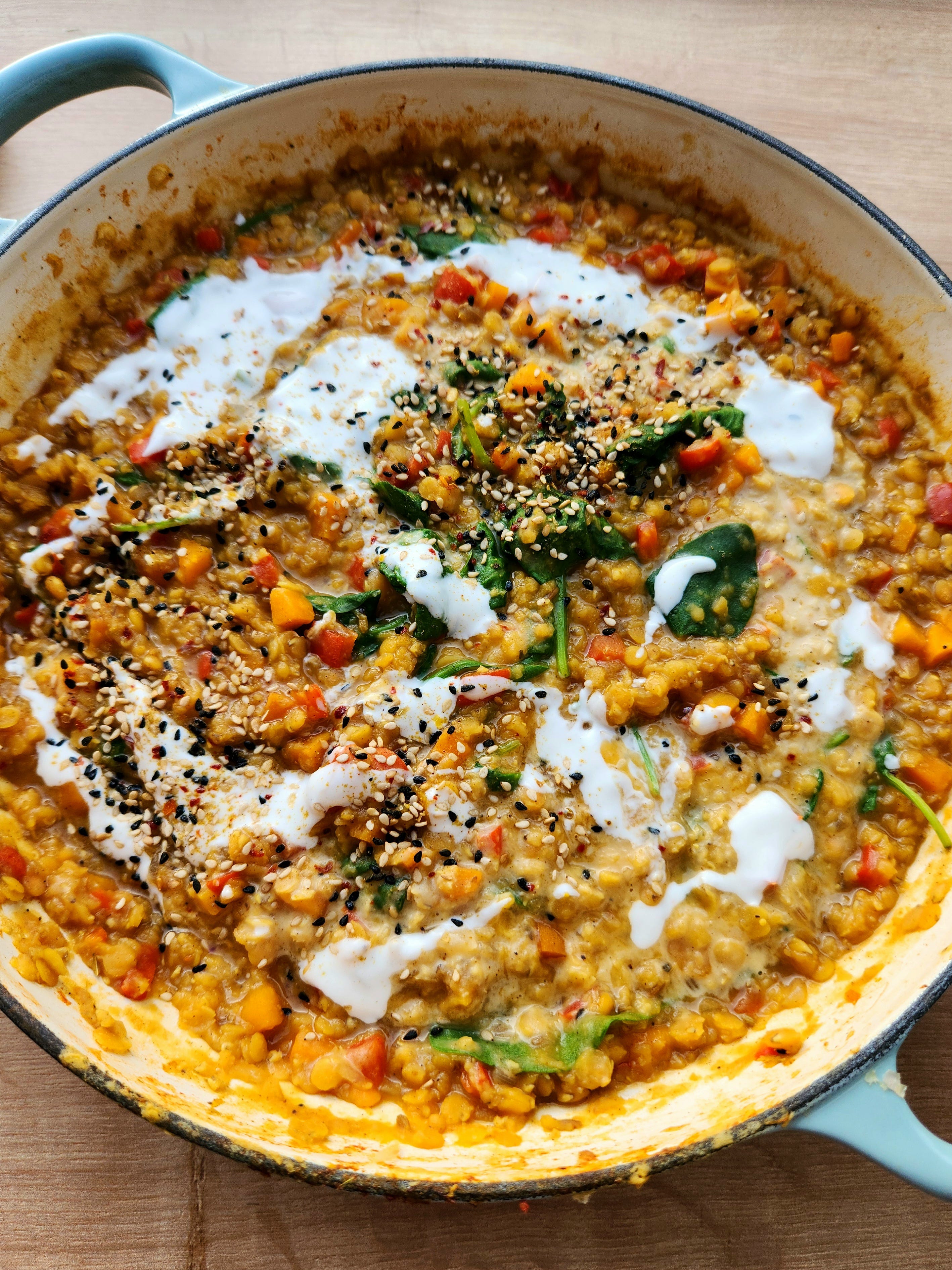
Spices and herbs are among the simplest ways to make everyday food more interesting. They give us heat, bitterness, sweetness, perfume, freshness, smoke, acidity and depth—sometimes all in the same dish. They can make lentils taste luxurious, vegetables feel complete, yogurt become a sauce, and fruit seem sweeter without adding a spoonful of sugar.
And in my kitchen, flavor always comes first.
But there is another reason I keep reaching for ingredients like fenugreek, Nigella sativa (black cumin seed), garlic and cinnamon. These old culinary ingredients have also become the subject of increasingly interesting research around blood sugar and metabolic health. I think the most useful way to look at this research is to let it deepen our appreciation for ingredients cooks have already been using for generations.
Use them because they make the food better. Then let the science be the bonus.
There is one thing worth saying before we look at individual ingredients: no teaspoon of spice matters as much as the meal around it.
For blood sugar, the bigger picture is still what we put on the plate: vegetables, lentils and other legumes, whole grains where appropriate, protein, fiber and an overall eating pattern that works for the individual.
Current American Diabetes Association nutrition guidance emphasizes foods including non-starchy vegetables, legumes, whole grains, nuts and seeds, and specifically encourages herbs and spices as a way to season food.
Step back from the individual spices and an interesting pattern begins to emerge.
Fenugreek has some of the most intriguing clinical research of the group. A 2024 systematic review and meta-analysis of 19 clinical studies in people with type 2 diabetes found that fenugreek supplementation was associated with improvements in fasting glucose and HbA1c.
Black seed, Nigella sativa, has also attracted considerable attention. A 2025 meta-analysis of randomized trials in people with type 2 diabetes reported improvements in fasting glucose and HbA1c with black-seed interventions.
Turmeric and curcumin have been studied in people with prediabetes and type 2 diabetes, with clinical trials reporting modest improvements in fasting glucose, HbA1c and several insulin-related measures.
Garlic has shown encouraging results as well. Recent analyses of clinical trials in people with type 2 diabetes have reported improvements in fasting glucose and HbA1c with garlic interventions.
And cinnamon is one of the most extensively studied spices in this area. Several meta-analyses have reported improvements in fasting glucose and HbA1c, although the results vary according to the type of cinnamon, preparation, dose and duration of the study.
There has never been a double-blind, placebo-controlled trial testing what happens when these five spices are combined in one dish and eaten consistently, day after day, over the course of a year. That study simply does not exist. But the absence of that specific study does not mean the combination has no value.
What we do have is strong evidence from medical research examining these spices individually, including research into their potential benefits for blood sugar and metabolic health. I have chosen five of the most promising and well-studied spices and made them a recurring part of my cooking.
Of all the spices here, fenugreek is perhaps the one that interests me most.
The small, hard, golden seeds have an earthy aroma and a distinctive bitterness. Used carelessly, fenugreek can dominate a dish. Used well, particularly alongside other spices, that bitterness becomes part of its appeal, adding depth, warmth and complexity.
Fenugreek appears in many curry spice mixtures. It is found in Madras-style curry powders, where fenugreek is toasted and ground with spices such as coriander, cumin, chile and mustard. It contributes some of the characteristic earthy, slightly bitter backbone behind the heat of the blend. It also appears in many versions of berbere, the intensely aromatic spice blend associated with Ethiopian and Eritrean cooking, and in southern Indian cooking, fenugreek seed appears in sambar and sambar spice mixtures, where works beautifully against lentils, chile and the acidity of tamarind.
Nigella sativa, black seed, is sometimes called black cumin, but it is not ordinary cumin. It is one of my favorite examples of an ingredient that does not need much volume to make itself known. Its small black seeds have a flavor that is difficult to describe with a single word: peppery, slightly bitter, onion-like, aromatic and almost smoky.
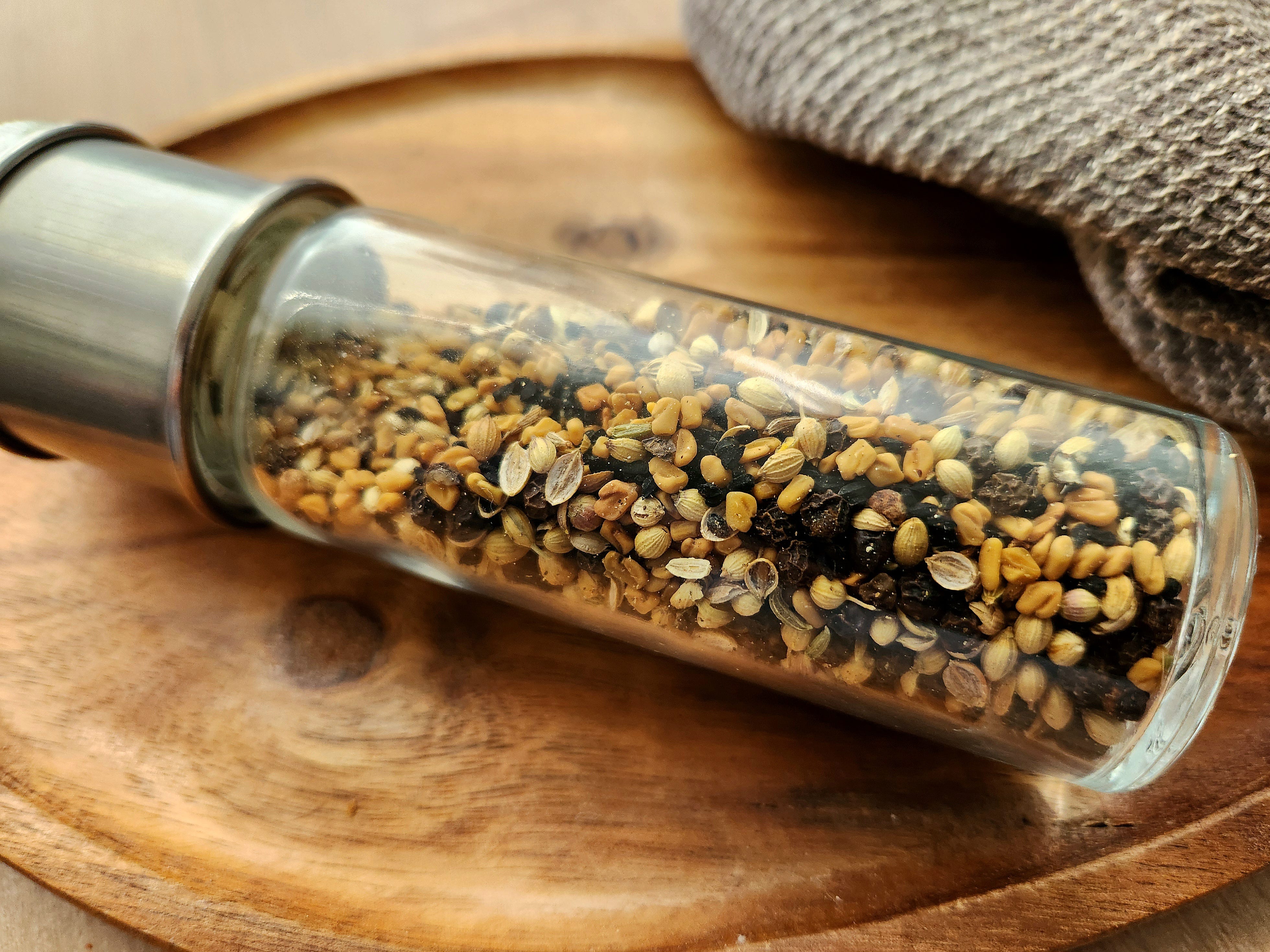
Fenugreek and black cumin seed are both included in Martin’s Cracked Spice Blend, and you will see them appearing again throughout my recipes. That is deliberate. I like what they contribute to the flavor of a dish, and their clinical research around them gives me another reason to keep them close at hand.
Garlic is probably the easiest ingredient to incorporate into everyday cooking, which is exactly why I have purposely used it in so many recipes. For a chef trying to reduce sugar, saturated fat or excessive salt without sacrificing pleasure, garlic is one of the most useful ingredients in the kitchen.
Cinnamon may be one of the most useful spices in a blood-sugar-conscious kitchen because it changes how we perceive sweetness. Add cinnamon to apples, oatmeal, yogurt or roasted squash and the food can taste sweeter and more indulgent without adding more sugar.
That is an extraordinary culinary advantage. And it works in savory food too. Cinnamon can add warmth to lentils, tomato sauces, braises, spice blends and roasted vegetables without making the dish taste like dessert.
Why I Prefer Ceylon Cinnamon.
In my kitchen, I generally prefer Ceylon cinnamon because the flavor is more delicate, fragrant and elegant than the heavier cassia style. And it also contains much less coumarin, which becomes relevant when cinnamon is used frequently and in larger amounts.
For frequent culinary use, I prefer Ceylon for its delicate flavor and its much lower coumarin content.
Fresh herbs play a different role from the deeper spice foundation we have been building. Cumin, turmeric, coriander and other spices give a dish warmth, fragrance and depth. Fresh herbs often provide the final lift, adding brightness, freshness, color and aroma just before the food reaches the table.
That handful of cilantro added at the very end is the difference between a dahl that tastes merely finished and one that feels alive. It brings freshness, a hint of citrus, and just enough green lift to wake up the spices and brighten the whole bowl, right before it hits the table.
The same trick works elsewhere in this kind of cooking, even if it’s not in this particular recipe. Mint stirred into plain yogurt turns it fresh and cooling instead of just tangy. Parsley cuts through anything rich like braised beans, roasted vegetables, a heavy stew. Dill makes cucumber and potato feel lighter. Basil coaxes more sweetness out of tomatoes than the tomatoes were offering on their own. Rosemary and thyme tossed onto a tray of roasting vegetables can make the whole kitchen smell like dinner before the vegetables even leave the oven.
Together, spices and herbs do something far more important than simply season the food; they make you want to eat it. The more a bowl of lentils and vegetables tastes like something you would choose for dinner, rather than something you feel you are supposed to eat, the less healthy eating feels like a set of rules. You are simply having a delicious meal.
Want to see it all come together? Watch the live video, where Laurie and I walk through the recipe, the cooking techniques, and the science behind the ingredients step by step. Click the link to watch the full conversation and cooking demo.

Serves: 4 / Prep Time: 20 minutes / Cook Time: 30–35 minutes
Ingredients
Lentils and Vegetables
Comments
Nothing yet. Say the first thing.
Sign in to join the conversation.