
Taste – does it even exist anymore? A popular conceit that has been making its way around the internet these days is that taste is dead. With so many conduits for opinions, it seems that everyone feels (and answers!) the call to weigh in. The topic seems less important than the answer: Who dressed well, and who didn’t? What is cool today, and what has gone hopelessly cold? From politics to podcasts, we are all on high alert, ready to scrum in the comment section, with a full set of Reddit annotations in our hip pockets.
What is interesting here is that there is actually less content being posted. No – seriously. As content becomes increasingly more commercial, and personal stories seem silly and small, the the phenomenon of "social media lurking" is rising. Watching and not doing. Reacting instead of responding. We post opinions, compiled of opinions, all with an origin story that left the chat a long time ago. We don’t know our own voice. (But Chat does..so does it really matter?)
Some theories expound that it is the natural evolution of ‘like’ culture – the practice of garnering thumbs up or likes that has been with us now since February, 2009 – the month Facebook introduced the concept to their platform. What started as simply sharing became, instead, a ratings game, with winners and losers. Today, this has morphed into a state of opinion urgency. At any moment, we need to have a carefully cultivated opinion on clothing styles, television shows, popular podcasts, and memes, with annotated footnotes and reference points. We are asked to synthesize what we read and hear, and regurgitate it, often semi-digested, to make points and to gain them too. It’s a bizarre sort of Squid Game that keeps us safely on the treadmill of the current moment. One false move, one missed moment, and you’re out. Cancel culture will come for you.
The question here is what keeps us running? Why do we play such a dangerous game? Well, let’s remember what the definition of ‘popular culture’ is: it’s the reflection of what the majority of people consider cool, current, or correct. It’s a middle ground, a safe gathering point. And we participate to signal that we are part of the herd, that we understand the language, all the unwritten rules. At a moment in time that feels incredibly uncertain, being - and playing it safe - seems a wise move.
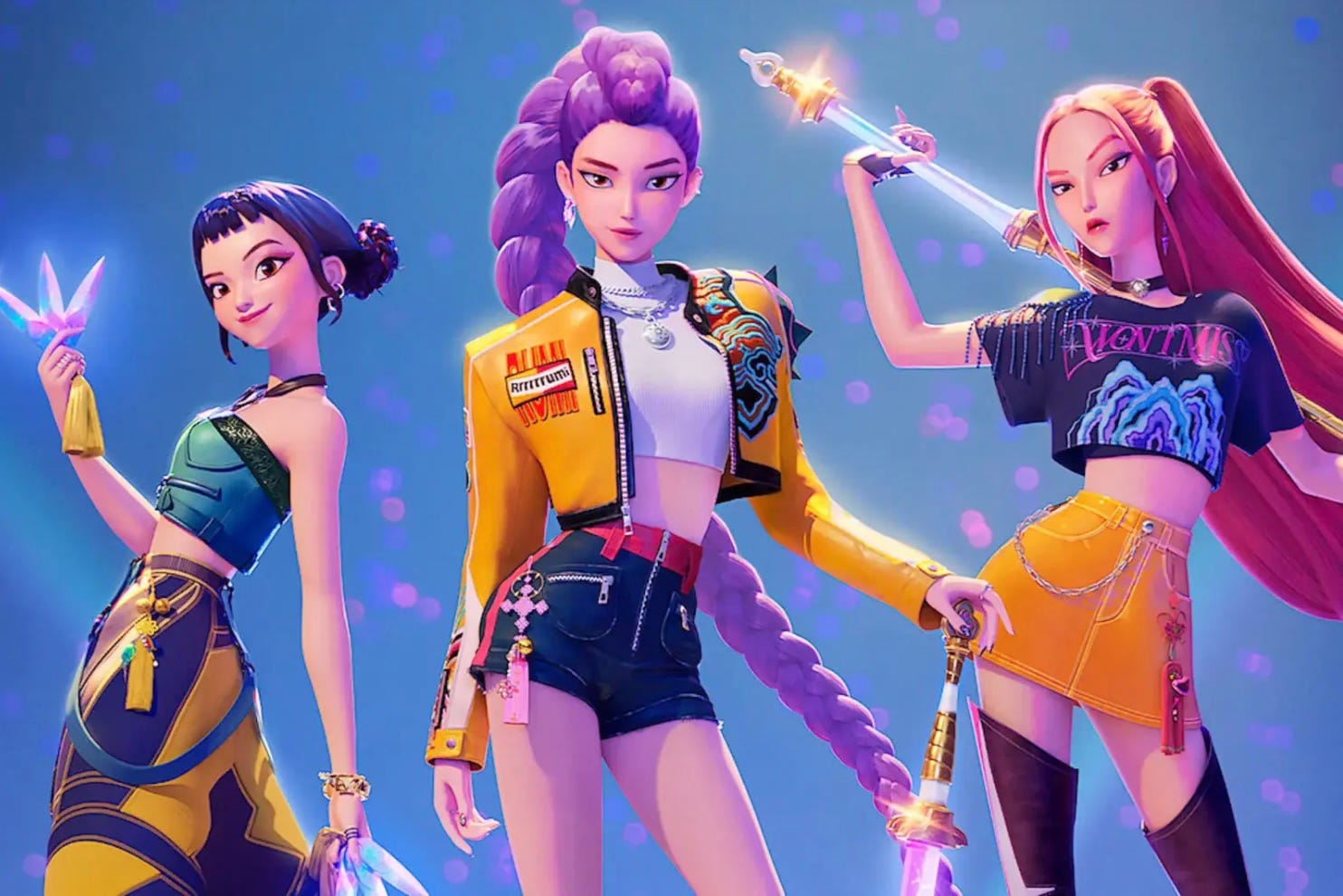
But I am seeing signs of a sea change. K-pop Demon Hunters, possibly the most popular Netflix show going, tackles the monoculture of force-fed opinions in service to social pressure. Gen Z, it seems, is having its Great Awakening. As a cohort who has already rejected the standard definitions of work and success, they are now coming for the Ramen-ification of popular opinion they have been fed. They want something a bit more satisfying. More nourishing.
This is a generation that lost key developmental years to Covid, aka the Covid pause - saw two years tucked in social shrinkwrap instead of in the wild blender that is young adulthood. It has taken some time for them to thaw; to experience enough of real life to start to form an opinion. They are just catching up. But now, they are making moves.
First, they are going back to the basics. Figuring out who they are and asking what they believe. Stripping back all the layers and starting from scratch.
We see it in the spawning of the new book culture. Much has been made of young people reading and forming book clubs. Probing and wondering. Tasting ideas in their original form and seeing what delights them. We see them heading out at night to listen to professors’ lectures in bars and clubs, where they are asking questions and exploring new theories. Laying down a new foundation for what they might believe today and in the future.
And it’s evident in fashion as well. While Casey Lewis shares the return to "basic" culture, I wonder if it’s not a sign of the return of normcore, and rather a simple rejection of trend altogether. I believe it’s a blank canvas that allows them to create something original. To explore what feels good and right for them – and no one else. To find unique pieces, thrifted or exchanged, that make it all personal, not performative. To find themselves. (Gen Z is buying close to 20% of their clothes on second-hand sites today, a percentage that dwarfs other generations considerably.)
The latest Nike ad sees this shift. – it understands the deeper tectonic plate shift. As in so many other areas, Gen Z is getting off this pre-programmed life train and exploring new terrain. Its about a commitment to doing things for themselves, not the approval of some faceless other.
This is a generation that has rejected hustle culture. That questions a four year education. That believes in creating a life that works alongside their values - the ones they are still discovering.
So maybe we are decrying the wrong thing. Maybe taste is not disappearing, rather, it is disseminating. It is becoming something that belongs to each and every one of us. A subjective query at a time when groupthink seems so pervasive. Maybe it’s not about popularity, it’s about being personal.
The famous Philosopher Albert Camus once said, "Become so very free that your whole existence is an act of rebellion."
I sense a revolution. And I am happy to bring the flags.
~~~~~~~~~~~~~~~~~~~~~~~~~~~~~~~~~~~~~~
Amuse Bouches
A quick round up of some fun stuff seen around …..
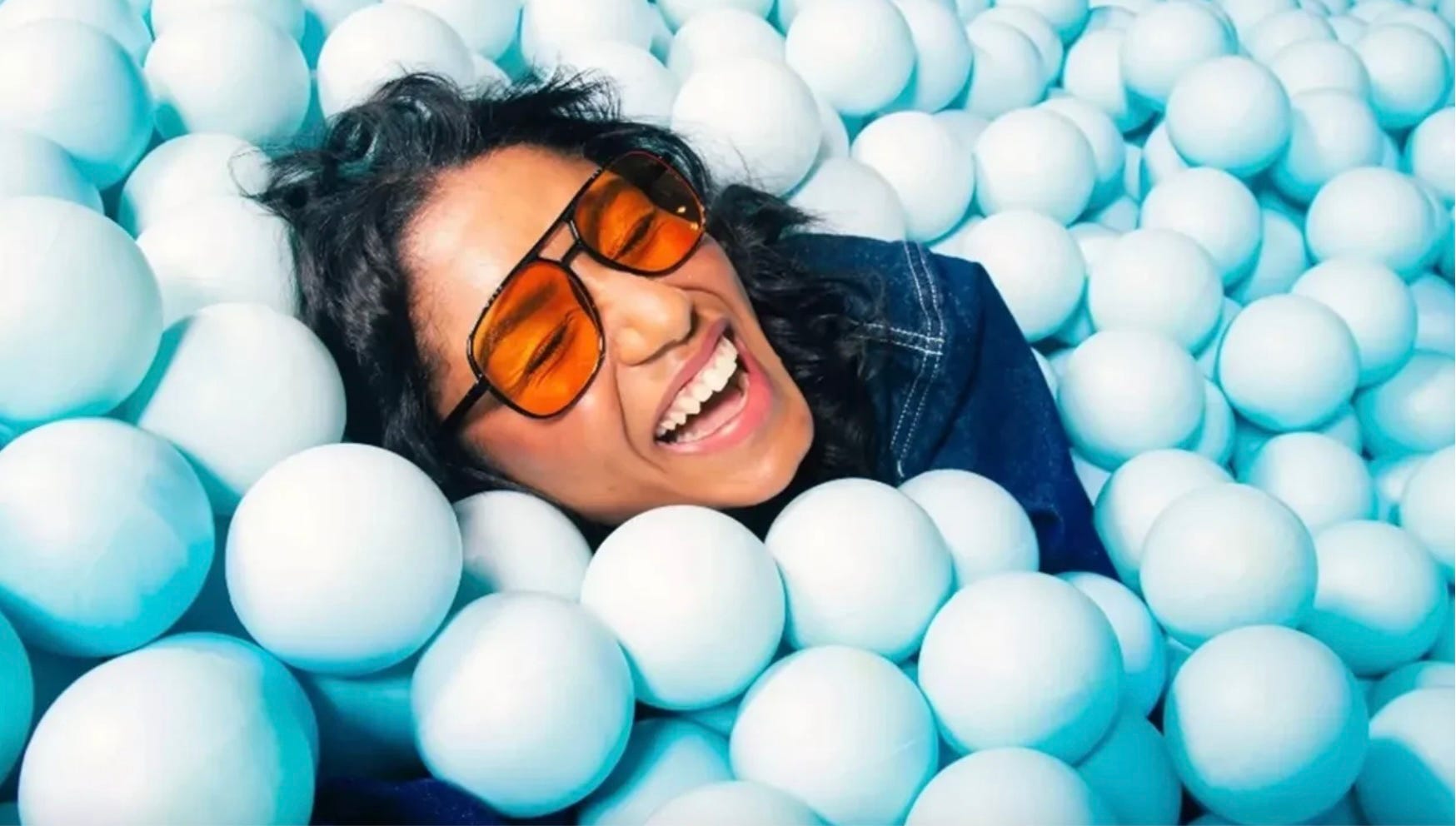
“KIdulting’ has been a major global phenomenon, with young adults around the world choosing the comfort of childlike toys and trinkets over more grown-up obsessions. Think Pop-Mart, Labubus, and Jellycats. This past week, New York Fashion Week saw a wildly popular form of this cultural moment, with the opening of Marc Jacobs and Anna Weyant’s 2 day Installation of “The Dollhouse.” This event showcased a collaboration between artist Anna Weyant and Marc Jacobs during September 2025 New York Fashion Week, transforming the Academy Mansion into a whimsical, life-size dollhouse installation. Presented by The Cultivist and Capital One Entertainment, the event also featured immersive beauty masterclasses focused on the dollhouse aesthetic. It was a wacky and whimisical outpost that brought back the idea of play to what has become a sharp-shouldered business week. For her part, artist Weyant shared that:
“These are pretty dark and uncertain times, and I just wanted to do something fun that would amuse people and bring them joy and entertain them in a bit of an escape from reality.”
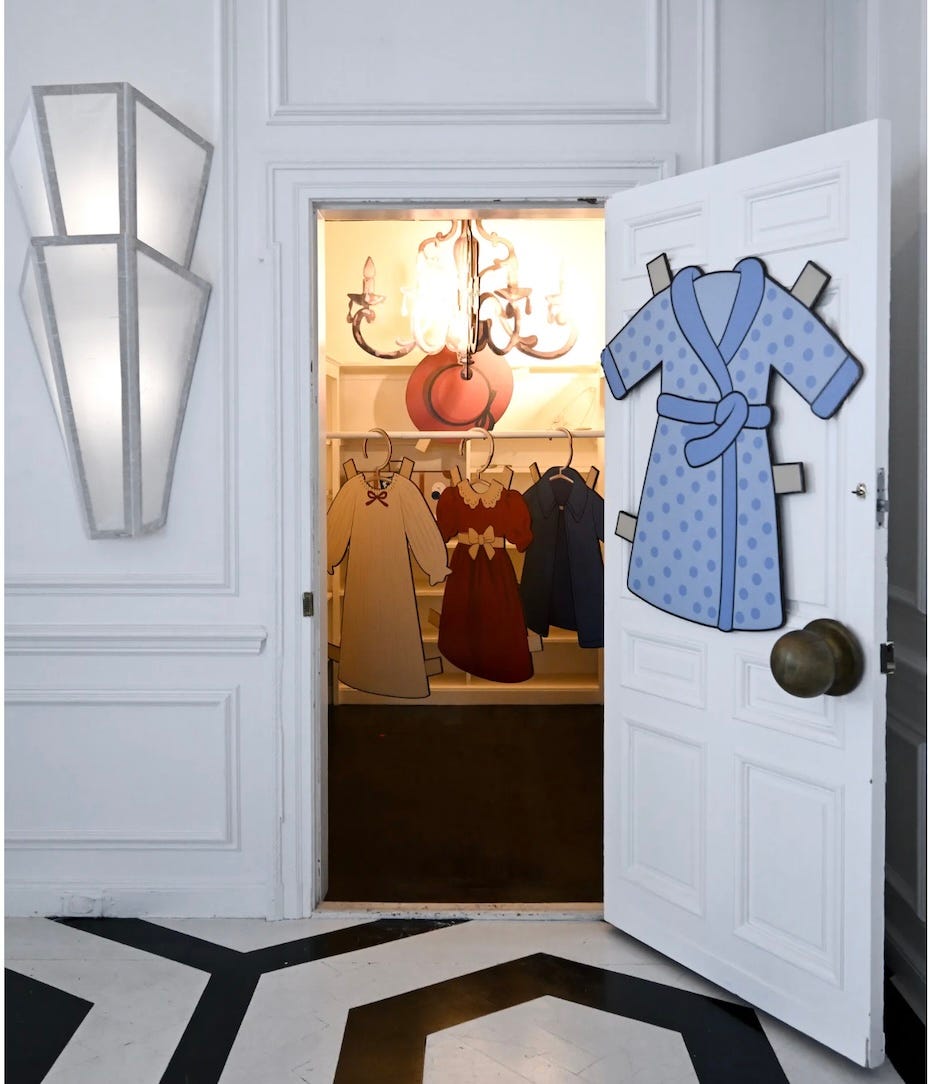
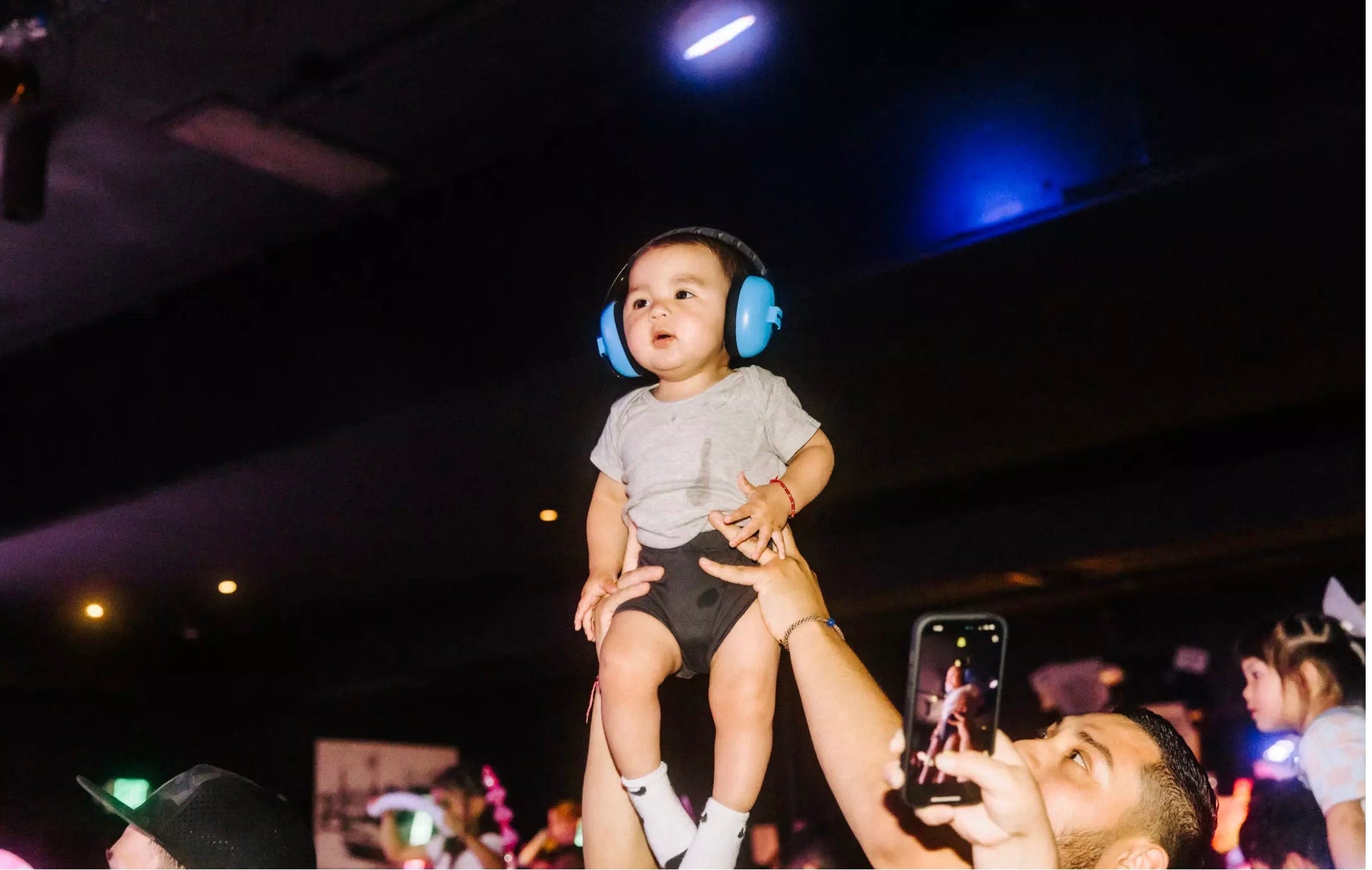
Baby raves:
The newest concert track in town seems to be baby raves. Picture a family-friendly dance party featuring electronic dance music, bright lights, glow sticks, and other rave elements, all adapted for very young children. Popularized by artists like Lenny Pearce and event companies like Raver Tots, they are a way for parents to enjoy music with their kids in a safe, daytime environment. These artists have re-rendered nursery school classics and turned them into techno versions that make listening – for parents – fun again. Parents are turning out in the thousands with no let-up in sight. Kidchella, anyone?
Are you there, God?

In a move that I don’t think anyone saw coming, the New York Times will launch a new news section, Believing" focused on Faith and Spirituality. Although both are arenas showing tremendous growth right now, they are incredibly tough areas to discuss with any equanimity or objectivity. No doubt, many comments will ensue – watching this space!
Smells like….Art
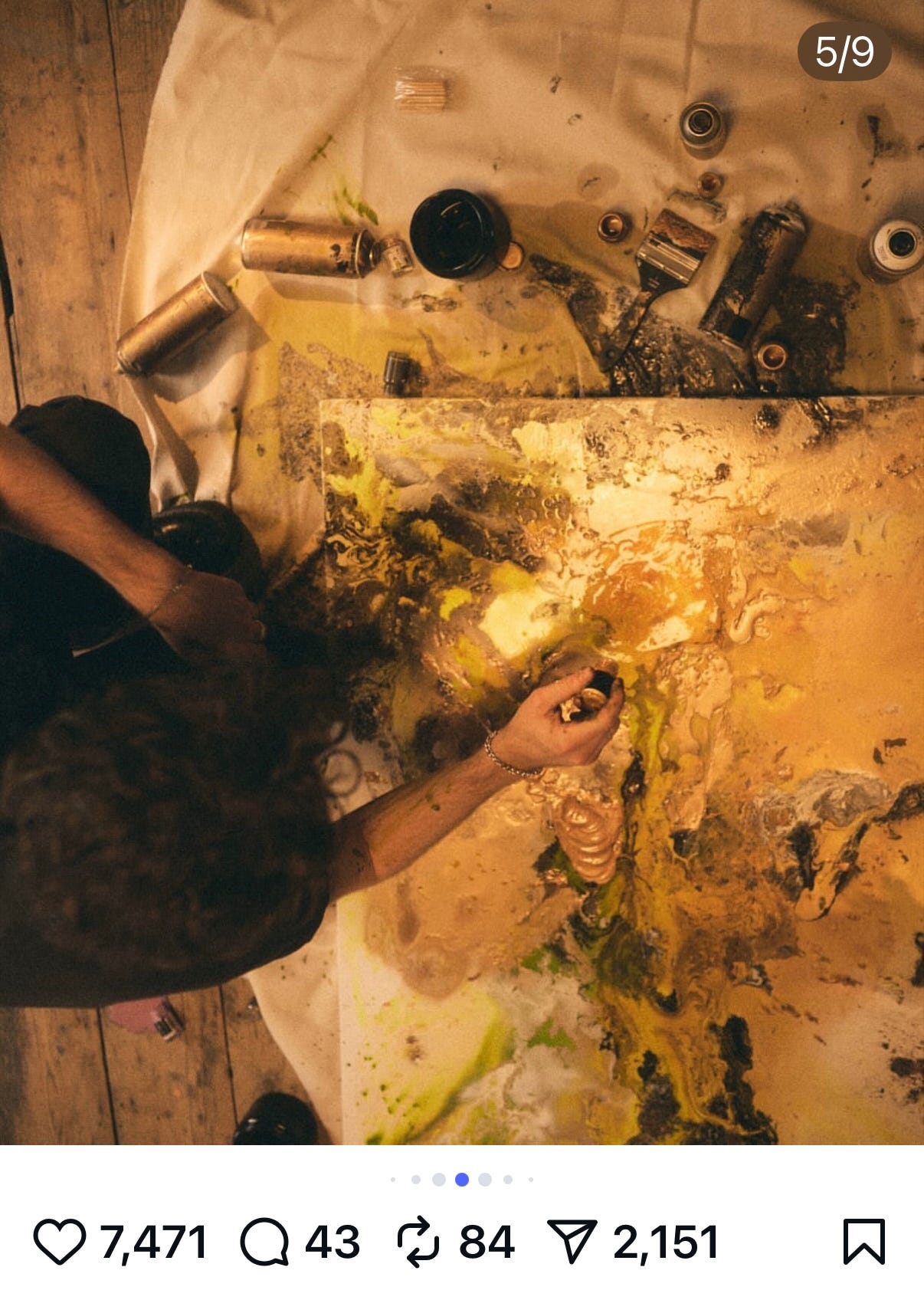
Aesop, known for the highly aesthetic interpretations of what ‘clean’ means, has just commissioned artist Jack Coulter, (an artist with synthesia), to create a painting inspired by their new fragrance, Above Us, Steorra. The artist sees scent as carriers of memory and emotion, and hopes to express those ideas in the new work.
That’s it for this week… stay curious!!
No posts
Comments
Nothing yet. Say the first thing.
Sign in to join the conversation.