
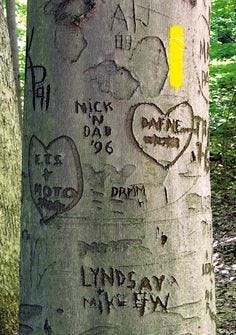
There is a change in the atmosphere.
In this strange and difficult era, rife with uncertainty, we are suddenly willing to declare ourselves. Claim identity. Demand agency. People are putting a stake in the ground, pulling off the invisibility cloaks the internet so generously offered us at the start of all this. We are ghosts no more.
It’s a big shift.
In 2021, we reached peak transience — everything was impermanent. Coming off the pandemic, that upside-down moment where nothing made sense, we stepped back into the world uncertain and shaken — fragile, really. And so, we saw a lot of identity cosplay. Hair tints, nail art, peak fashion ‘core’ — with trends changing by the hour. The gig economy exploded, with side hustles and career reinventions happening daily.
Commitment-phobia was the cultural operating system.
One of my favorite markers of that moment was the opening of a tattoo parlor in Brooklyn called Ephemeral. Their entire USP: tattoos that fade and disappear within a year. It blew up — three months of appointments booked instantly. They met the moment perfectly.
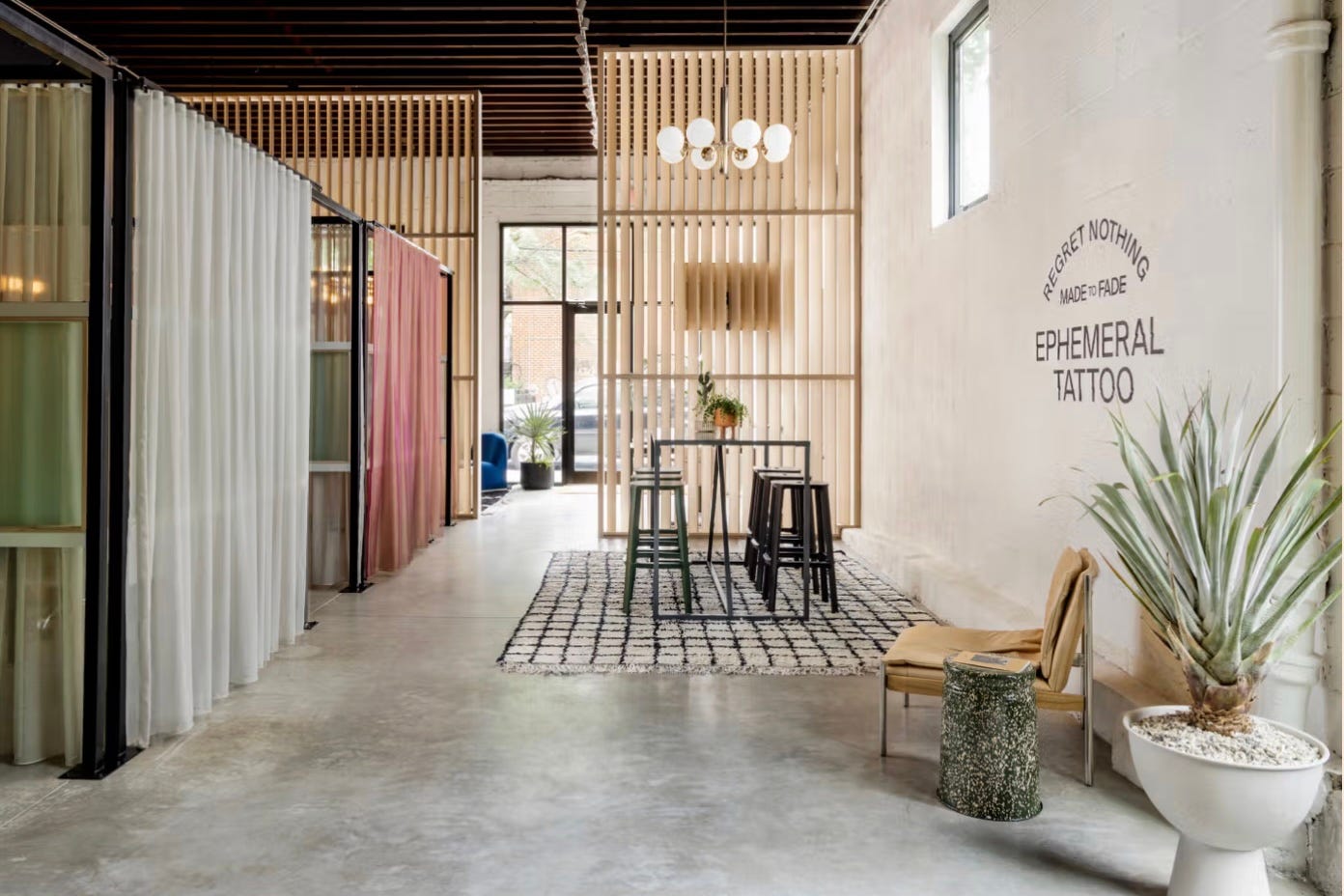
That moment has passed.
Today, permanence is suddenly in. In a world where roughly 50% of what is posted online is synthetic, where your face can be faked, your voice cloned, your words generated — carving your initials into something real becomes a radical act.
Permanent tattoos are surging, up 10% year over year. Almost half of Millennials have one, with women now outpacing men. We are willing to make a statement. And make it last.
And it’s not just ink. Permanent jewelry — a category essentially nonexistent in 2021 — is surging with 1,100% search growth from that ignition moment. The hashtags #permanentjewelry and #permanentbracelet exceeded 2 billion TikTok views by late 2024. The Cartier Love bracelet — a piece that is literally locked onto your wrist with a screwdriver — has become one of the most coveted items at their flagship stores.
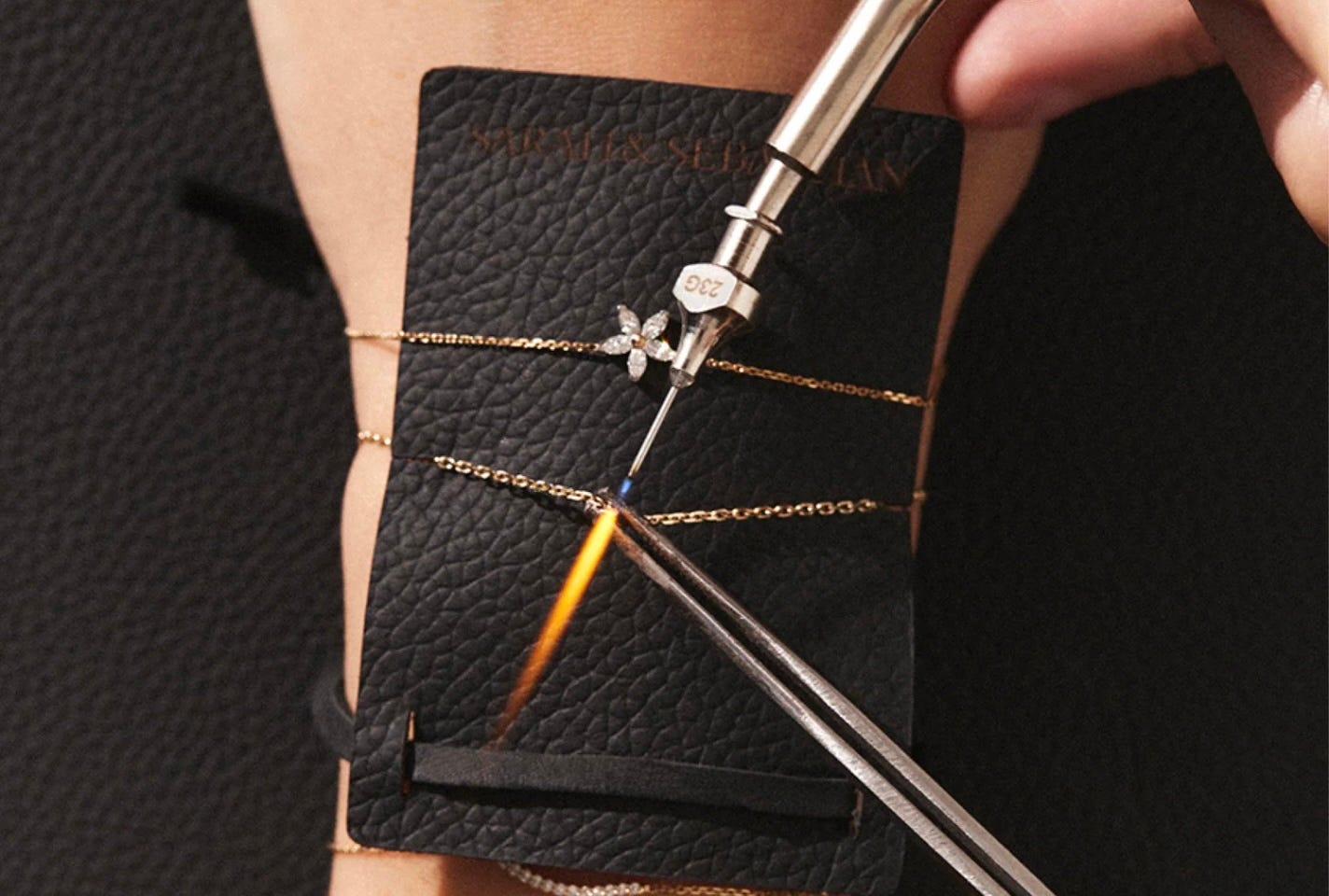
Low-maintenance hair color, with people literally going back to their roots, is trending. Vinyl records outsold CDs for the first time since 1987. Film cameras are having a revival — and here’s the detail that stops me: 35% of film camera users are 18–30.
This isn’t nostalgia. Gen Z never shot on film. They’re choosing it cold, with no memory of it. Choosing the wait, the cost, the irreversibility, the physical print.
They’re choosing something that cannot be faked, filtered, or deleted.
And it’s coming for our social life too. People are flocking to social clubs, membership groups, and monthly gathering groups. Not for exclusivity – but rather, as a source of continuity, and real connection. We are hungry for the deeper meaning that comes from repeated exposure. Getting to know people who share a passion, who are willing to pause. Nothing performative, just presence. Again and again.
In a wobbly world, having something to count on is priceless.
I think it also speaks to the incredible success of Date Drop, born at Stanford. And it’s a great story.

Instead of swiping, Date Drop gets to know each person deeply and sends them one compatible match per week. ONE. That’s it. Right now, matches are converted to actual dates at about 10x the rate of Tinder.
It debuted in fall 2025 as a Stanford pilot. Within weeks, over 5,000 students signed up, and it quickly expanded to ten other elite institutions, including MIT, Princeton, and Penn.
And it makes sense. It’s about eliminating the miasma of more. We want decisions. Clarity. We want something real.
What we’re witnessing is a rejection of the nauseating carousel of infinite choice. Less optionality, more intentionality — the same muscle behind the soldered bracelet, the film camera, the permanent tattoo.
This next generation may not be able to buy a home or commit to a career that will last, but in the places and spaces where they can carve a mark, it seems that they are.
And that might be the biggest rebellion yet.
~~~~~~~~~~~~~~~~~~~~~~~~~~~~~~~~~~~~~~~~~~~~~~~~~~~~~~~~~~~~~~~
Other things worth watching:
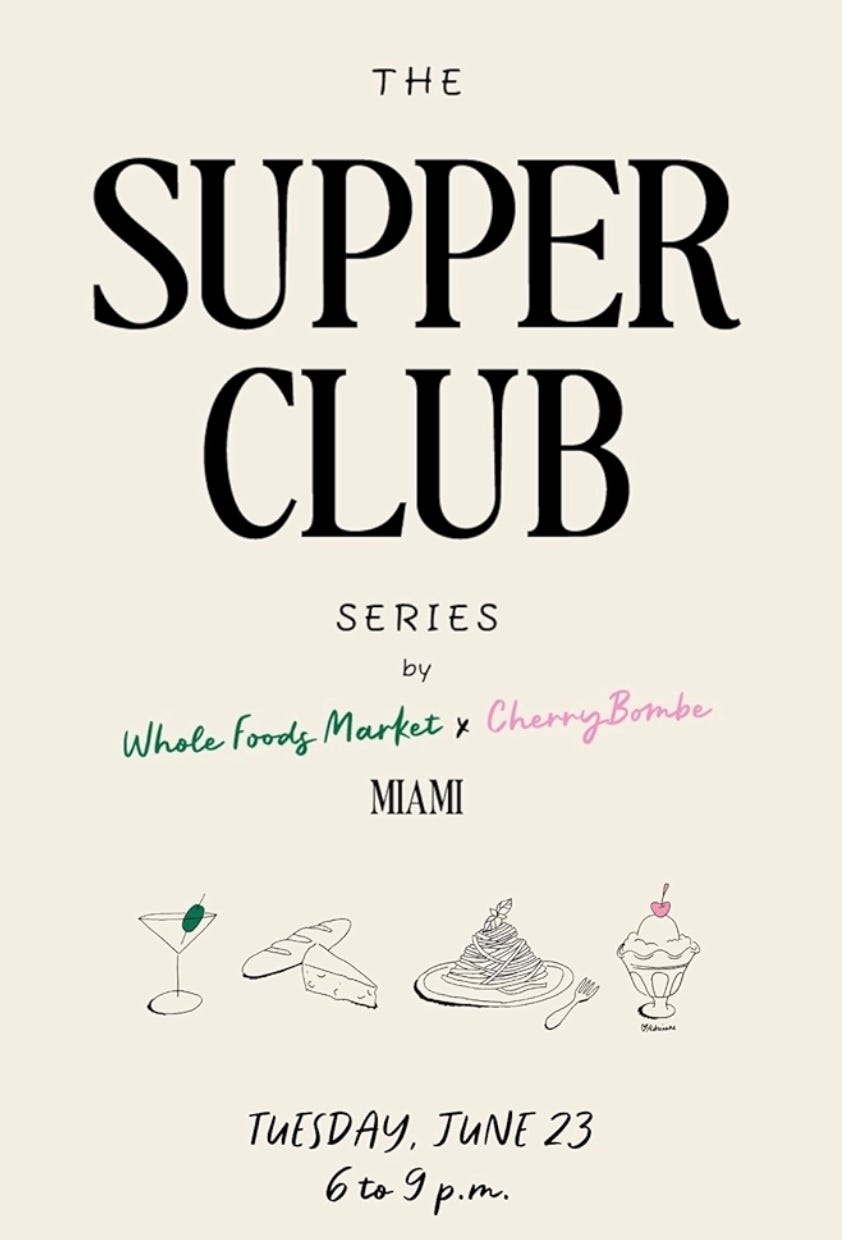
Whole Foods is getting social – and I don’t mean media. The organic market is tapping into the hunger for storytelling and community by launching an experiential series of supper clubs in partnership with the taste maven mag, Cherry Bombe. The goal is to bring together chefs, tastemakers, and storytellers around food, culinary innovation, and community. Three stops are currently planned: Miami, Paso Robles, and NYC. It’s an interesting play for the grocer, who has been overshadowed as of late by the likes of Erewhon on the West Coast and Happier Grocery in NYC. The collab with a sexy, female-founded print vehicle seems fresh and smart, and the stop in Paso Robles to celebrate regenerative farming seems like a great way for WF to reinforce its roots.
It will be interesting to see who grabs a seat at the table.
AI and Art
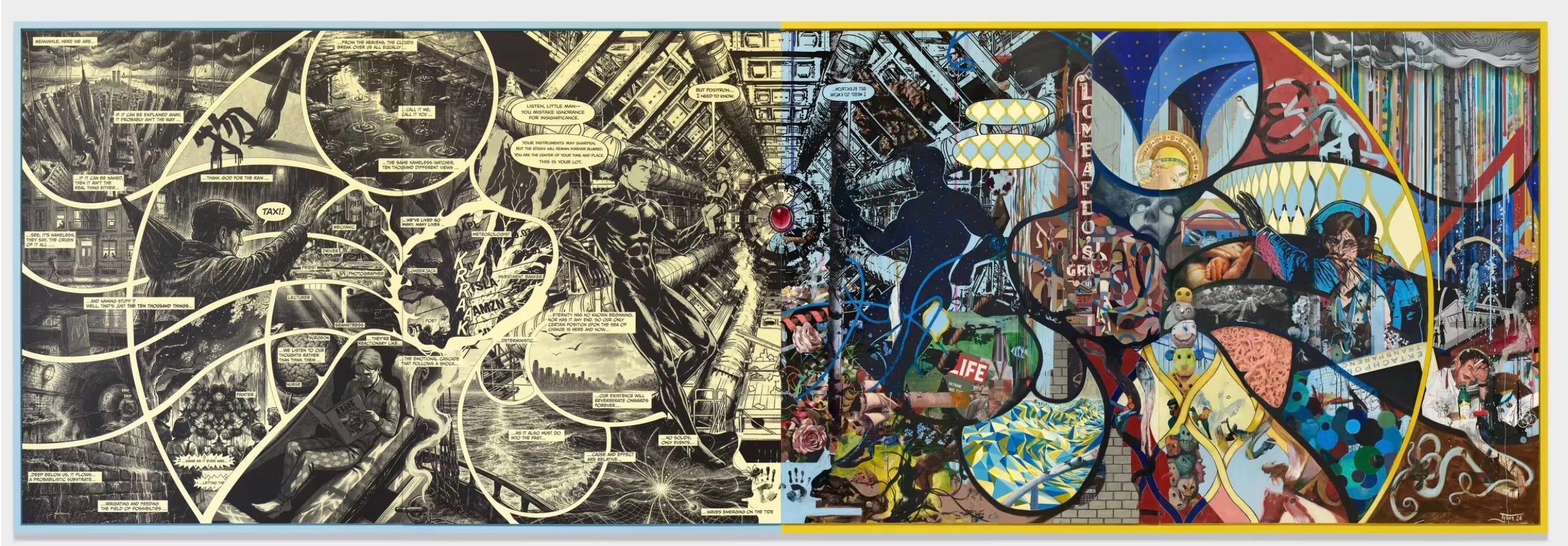
Art and AI are uneasy bedfellows right now – some would say an unholy alliance. Art, for many, should spring untouched from the heart and soul of a human maker – not something in any way, shape or form, be generated by a machine.
We prize the unique and interpretive intertwining of human experience, ideas, culture, and pure genius that begets what we call art.
Kevin Tyson has made me rethink this. I was fortunate enough to hear him share his thoughts at the opening of his new show at Hauser & Wirth here in Los Angeles last weekend. This amazing exhibit, “The Generative Universe,” pushes back on the conceit that art emerges untouched by programs or processes. In fact, the artist argues that everything we do is generative; the result of societal mores, cultural inputs, visual stories, and all the flotsam and jetsam of everyday life. To quote the gallery: Together, the works in ‘The Generative Universe’ function less as representations than as manifestations—participants in the same wider field they depict—inviting viewers to consider the mysterious universal processes through which reality, and our consciousness within it, come into being.
I think this is an important (and excellent) lens in which to view the world today – we are all weaving our own little quilts of reality with what surrounds us. None of us arrives at our own conclusions or ideas untouched by others. Most of us simply don’t see threads being wrapped around us - Tyson calls them in.
Highly recommend!
Elevator Music
Musical artists, especially DJs, are playing with scene and setting like never before. From funeral homes to hospital rooms, they are redefining where we all might need a warm musical bed to soften the blows of reality.
Truly, music, dance, and food are becoming the critical Rosetta Stones we need to find our way back to each other.
This account brought me joy – I hope it does the same for you!
No posts
Comments
Nothing yet. Say the first thing.
Sign in to join the conversation.