Research & Economic Analysis
We release exclusive research. and strive to produce clear, credible and compelling data and analysis that can support the success of independent business in Canada.
Live Last read · last published · next check
Latest posts

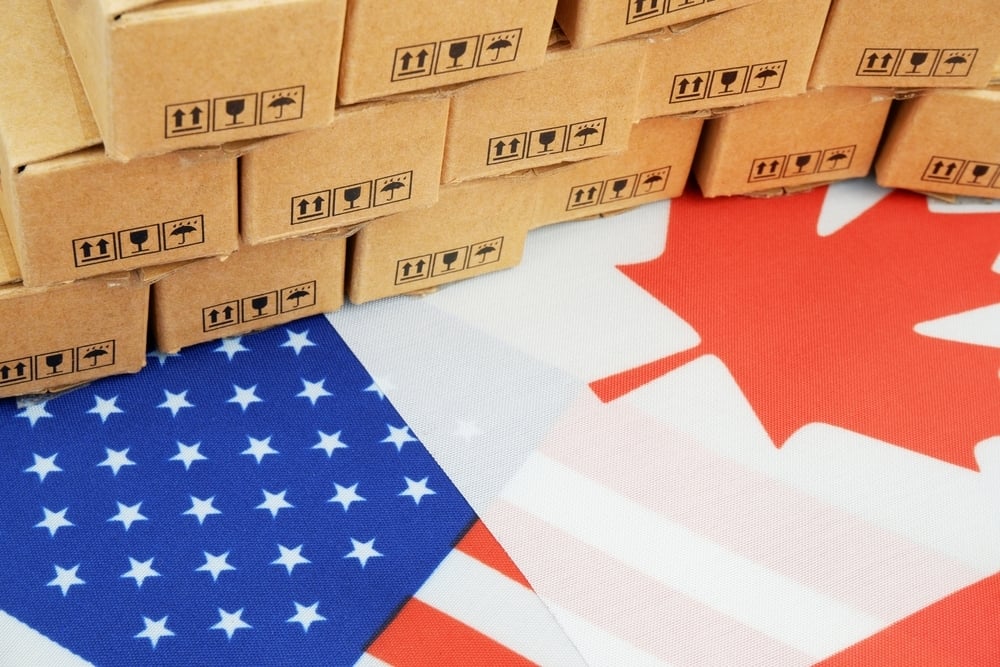
Canadian SMEs and the Proposed U.S. 50% Tariffs
This report presents findings from CFIB's survey, Canadian SMEs and the Proposed U.S. 50% Tariffs , launched in late July 2026. The survey examines the potential impact of proposed 50% U.S. tariffs on Canadian small businesses. The findings are gathered directly from 1,833 business owners across Canada. Key survey finding s: The proposed U.S. tariffs are widely known and a major concern for…

Too Much Paperwork, Too Little Protection: Rethinking Business Risk Management Programs
Amid market shocks and rising operational costs, new survey results demonstrate how Canada's Business Risk Management (BRM) programs can better support small- and medium-sized agri-businesses. Summary Most (53%) agri-businesses dislike the design of BRM programs, while only 33% say they are well-designed. Nearly three-quarters (72%) of agri-businesses say BRM applications are too time-consuming…

Out of Sync: Youth and Small Business Labour Needs in Canada
Summary Canada’s labour shortage reflects a multi-dimensional mismatch between youth and available jobs, shaped by geographic differences, job preferences and structural constraints that limit participation. Geographic divides shape labour mismatches: although urban areas also face hiring challenges, rural communities are more constrained by smaller labour pools, fewer youth, and harder ‑ to ‑…
Fuel prices are hitting small businesses where it hurts: costs and demand
Summary Higher fuel prices are reducing household spending power : Recent Leger polling found that 72% of Canadians report a negative impact on their personal finances from higher fuel prices. CFIB estimates fuel costs have increased by about $53 per vehicle per month. Across Canada, this translates to roughly $1.3 billion in additional fuel costs every month—money that is no longer available for…

Private sector job vacancies in Canada
Q2 2026 Update Job vacancy rate unchanged at 2.8% Small changes in vacancy rates across provinces This translates into 393,000 vacant positions across Canada. Job vacancy rates unchanged for five consecutive quarters The private sector job vacancy rate in Canada remained virtually unchanged, at 2.8% in 2026 Q2. Vacancy rates showed little to no change quarter-over-quarter across most provinces and…

The Main Street Quarterly

The State of Internal Trade: Canada’s Interprovincial Cooperation Report Card
The 2026 edition of the report card assesses how federal, provincial, and territorial governments are advancing interjurisdictional cooperation and reducing barriers to internal trade. It provides a snapshot of the progress made over the past year and highlights the work still needed to build a more integrated Canadian economy.
Rising energy pressures for Canadian SMEs: Costs, needs, use.
To better understand how energy prices affect small business operations, the 2026 CFIB energy survey gathered responses from 2,349 small business owners across a diverse range of industries nationwide. Key survey findings: Energy costs are a growing concern for SMEs, further heightened by global risks Business owners are expressing strong concern about rising energy costs. 87% of respondents say…