
Hello Shining Ones,
Where did you travel to in your last dream? Why do you sense the dream maker brought you there? How did you feel upon your return, upon waking?
This month’s ritual is a guide on how to cultivate a practice of what I call Imram Dreaming, tending to your night dreams like voyages to the Otherworld.
Stick on the kettle and settle in, as I want to give you some context for this first before we get to the ritual. I promise you it’s worth it. This is a simple and wildly rich way to allow the spirituality of our ancestors to imbue our lives with everyday, or rather, every night magic.
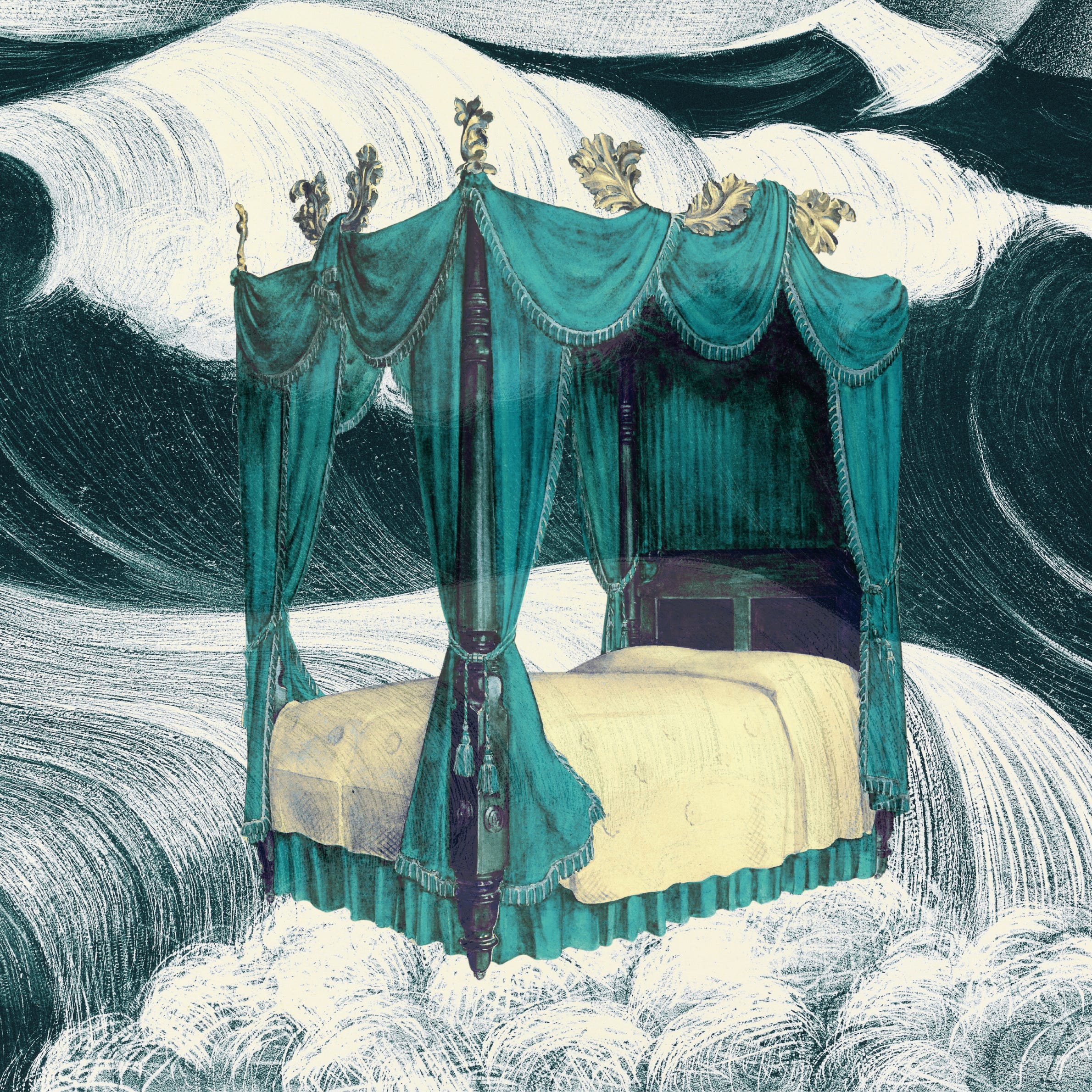
In Irish mysticism, we have the imram myths (also spelled immram). Imram means ‘the act of rowing’ or ‘sea-voyaging’ in Old Irish. These tales centre around a voyage to the islands of the Celtic Otherworld believed to lie in the direction of the west, of night.
As this is our Fairytale Céilí revision month in the membership, you may feel a nudge to circle back to Imram Brain, ‘The Voyage of Bran’ céilí as part of these explorations:
The most well-known of the imram tales include the Voyage of Bran, Immram Curaig Maíle Dúin, the ‘Voyage of Mael Dúin’s Boat’, and Navigatio Sancti Brendani Abbatis, the ‘Voyage of Saint Brendan the Abbot’, a christianised version of the imram tradition as Celtic Christianity retained features from the Old Ways.
The Voyage of Bran is likely the oldest of these imrama first written down in the 7th or 8th century, followed by Mael Dúin, and later Brendan. The latter’s tale was well known in Medieval Christendom as a form of peregrinatio, of rowing out and putting your full faith in God or the Divine to guide you wherever you need to go, the ultimate surrender. The 12th century chronicler, Gerald of Wales, said of Brendan:
‘Among the miracles which are related of St. Brendan, which have been reduced to writing, it is told with what toils he wandered over the sea during a voyage which lasted seven years. There is also an account of the various appearances of angels; of his having celebrated the feast of Easter annually during seven years on an enormous sea monster… and his having attained to the blissful vision of the terrestrial paradise, he, by the aid of divine grace, returned happily to his own country.’
Giraldus Cambrensis, The Topography of Ireland
Bran is initiated into his imram by a fairywoman who bears the silver branch, a magical talisman like an Otherworldly passport that summons the recipient to travel between worlds. This woman in ‘strange raiment’ tells Bran of 150 islands beyond this world and that he must begin his voyage, and perhaps he will have the fortune of reaching Tír na mBan, ‘Land of Women’.
Mael Dúin, fostered from infancy by a queen who he believes to be his birth mother, sets sail on his imram after he discovers his true birth mother was a nun and that his father was murdered. His voyage is initiated by grief, loss of identity and revenge, aided by a druid, a person skilled in working with the Otherworld.
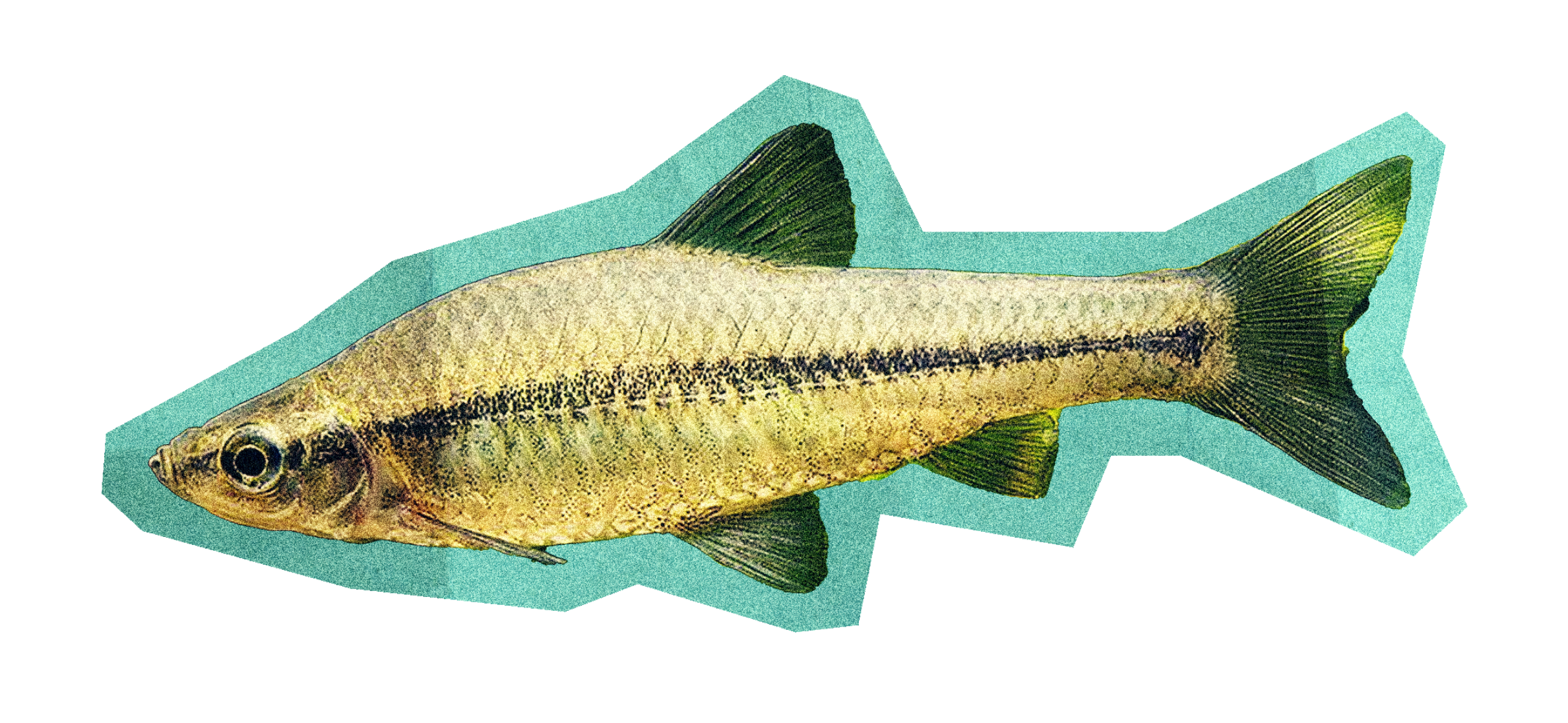
The island hopping that goes on in these imrama is not like your average holiday. These islands are as wild as they are magical with fantastical creatures and curious inversions of reality. Mael Dúin and his crew visit 31 islands in total, including one with humongous ants the size of foals, a high island on which is built a hostel with two doors. One door opens inland and the other directly out to sea; the latter contains a rotating valve like a cat flap, through which the sea flings salmon into the centre of the house. Another island is inhabited by red-coloured, fiery pigs who go underground from dawn until sunset, emerging to eat the golden apples of its woods.
Comments
Nothing yet. Say the first thing.
Sign in to join the conversation.