
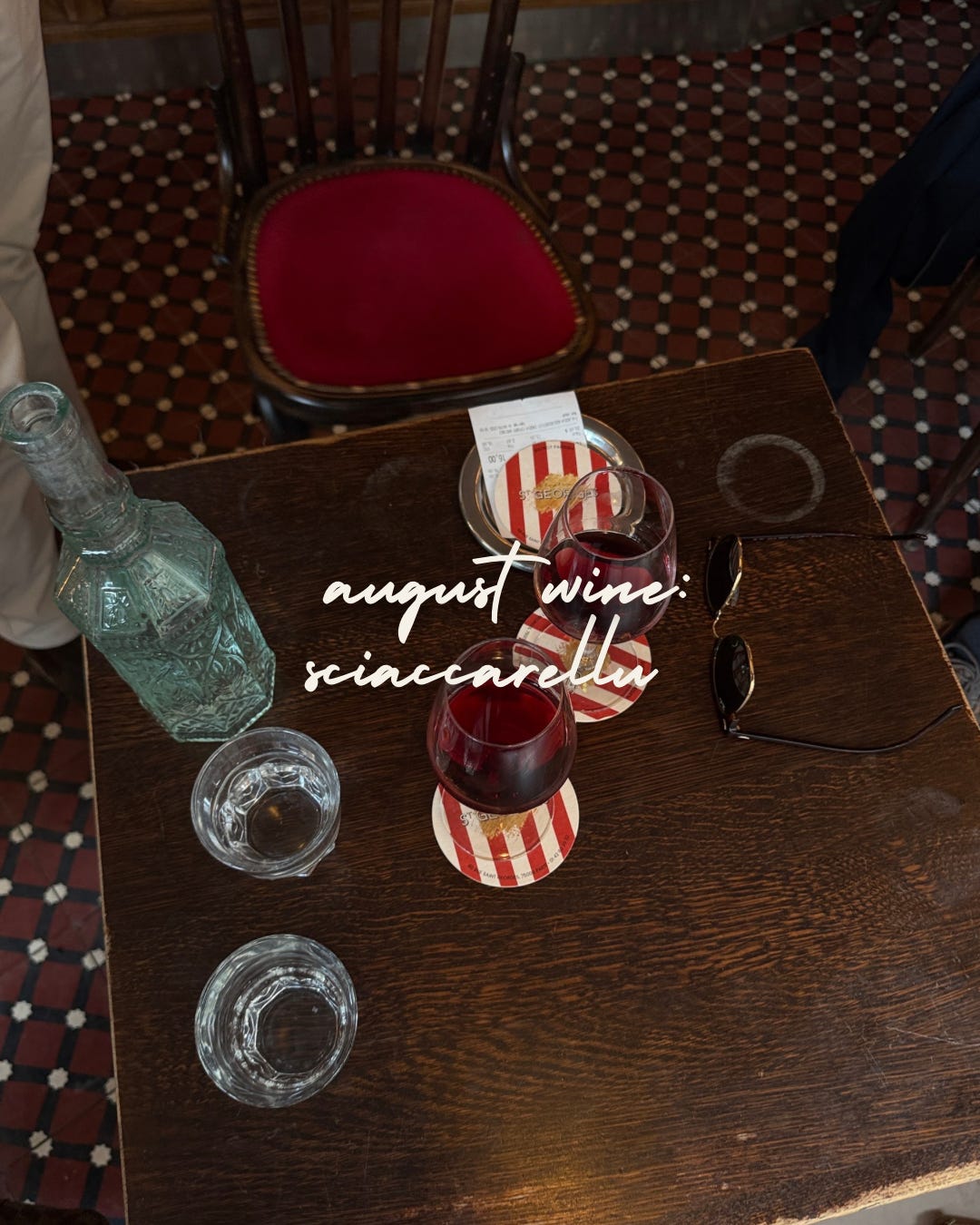
We’re in the thick of summer now, which means people are steering clear of big, bold reds and looking for lighter varietals. Obviously whites and rosés do well in the summer, but there’s also a special spot for chilled reds to enter the conversation. But only if the wine is right for it.
The trick with a chilled red is you don’t want the wine to be super tannic. It will simply dry out your mouth and make you feel like you’re drinking dusty alcoholic grape juice. Instead, aim for something with moderate to light tannins, and a wine that has a lighter body. Lighter-bodied wines typically have more acidity, and acidity does well with a little chill.
So this month, we’re enjoying Sciaccarellu. It’s a light-red grape from southern France that still tastes interesting enough when you throw it on ice for a bit. Plus, it sounds a lot cooler than drinking your typical go-to reds, and let’s be real: this wine challenge is all about trying to sound smarter and cooler when it comes to wine.
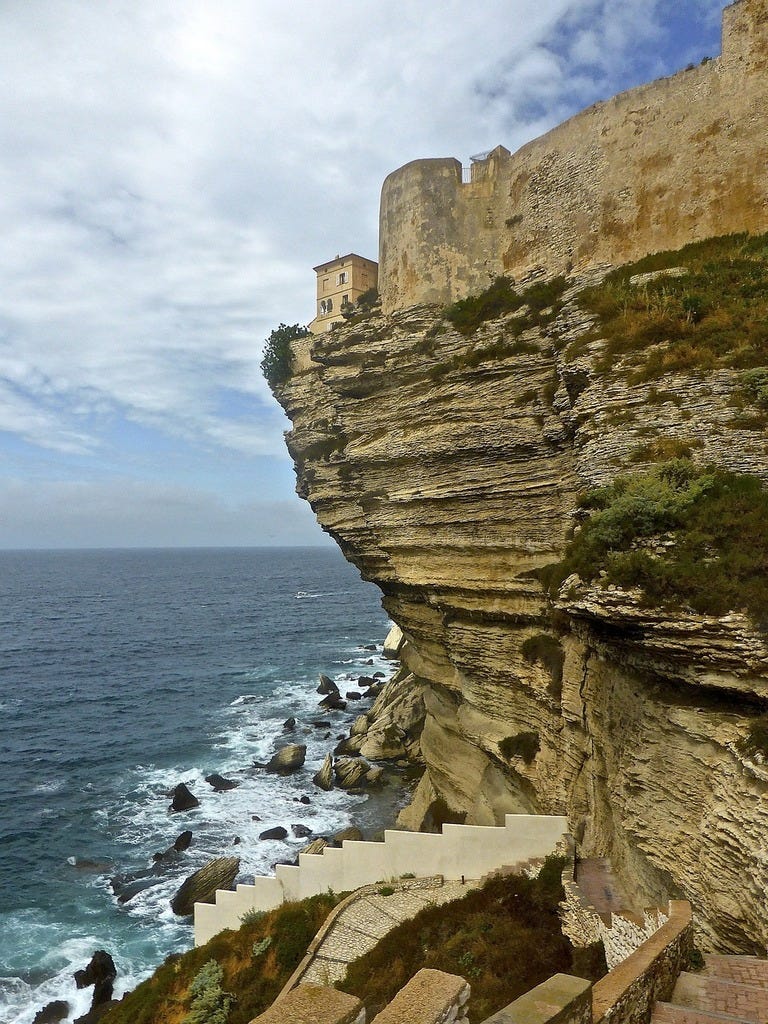
Sciaccarellu, also known as Sciaccarello, is a dark skinned grape that you’ll find in Corsica, an island of France. Corsica is just north of Sardinia on the Mediterranean sea. The island switched hands and lines of power over the years; for a while it was part of the Republic of Genova, which has links to Italy. So there are certainly other cultural elements here besides simply being a part of France, which is true to their winemaking, their food, and their way of life.
Corsica is considered the most mountainous island on the Mediterranean, and a lot of grapes are grown inland on slopes. This allows winemakers to take advantage of those strong winds to regulate temperatures (and decrease mildew risk) plus the vines sit in rich granite and silica soil, which gives the wine an interesting mineral-like taste.
The grape may be dark-skinned, but it creates a light-colored red wine with good acidity, soft tannins, and notes of red fruits, herbs, and black pepper. The grapes can get really high in sugar if they are left on the vine for too long, which will make a higher alcoholic wine. This is why the grapes are picked younger, and the wines feel a little bit lighter and fresher. The softness, of course, makes for an excellent chilled red.
Another names for Sciaccarellu is Mammolo, which is found in Tuscany. It is typically blended with Sangiovese to give more of an aromatic, floral fragrance to the wine. You may find it in blends for Chianti and Vino Nobile di Montepulciano. Fegeri is another common name used.
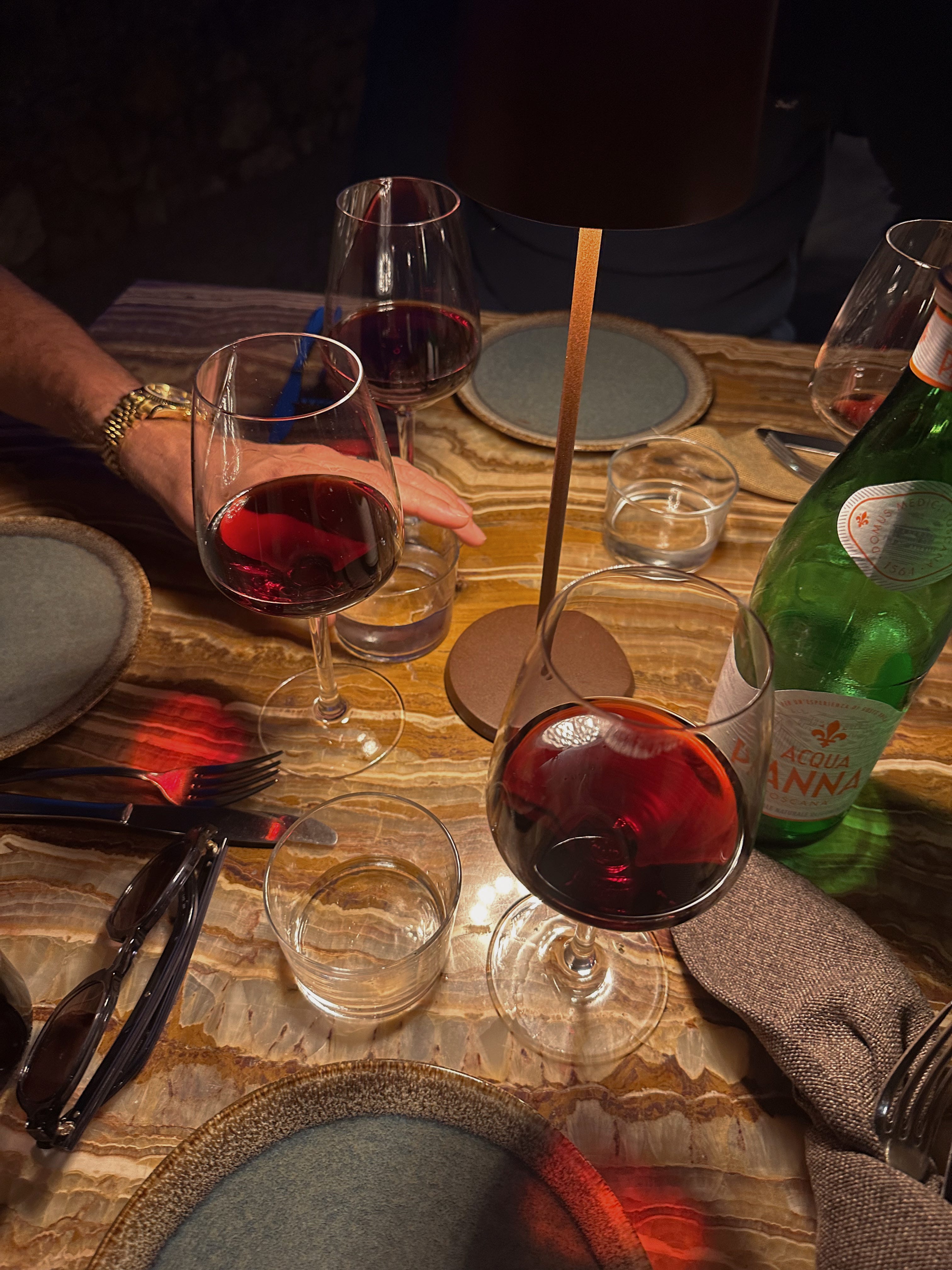
While Sciaccarellu is the grape, there are also appellations to consider that require either 100% of the grape, or at least a majority of it in the blend. If you can’t find Sciaccarellu, look for Ajaccio AOC or Sartène AOC appellations on labels. Corse AOC or Corse Rouge AOC may be easier to find, which is typically a blend of Sciaccarellu and Niellucciu, a grape with stronger tannins that gives the wines ore structure and aging potential.
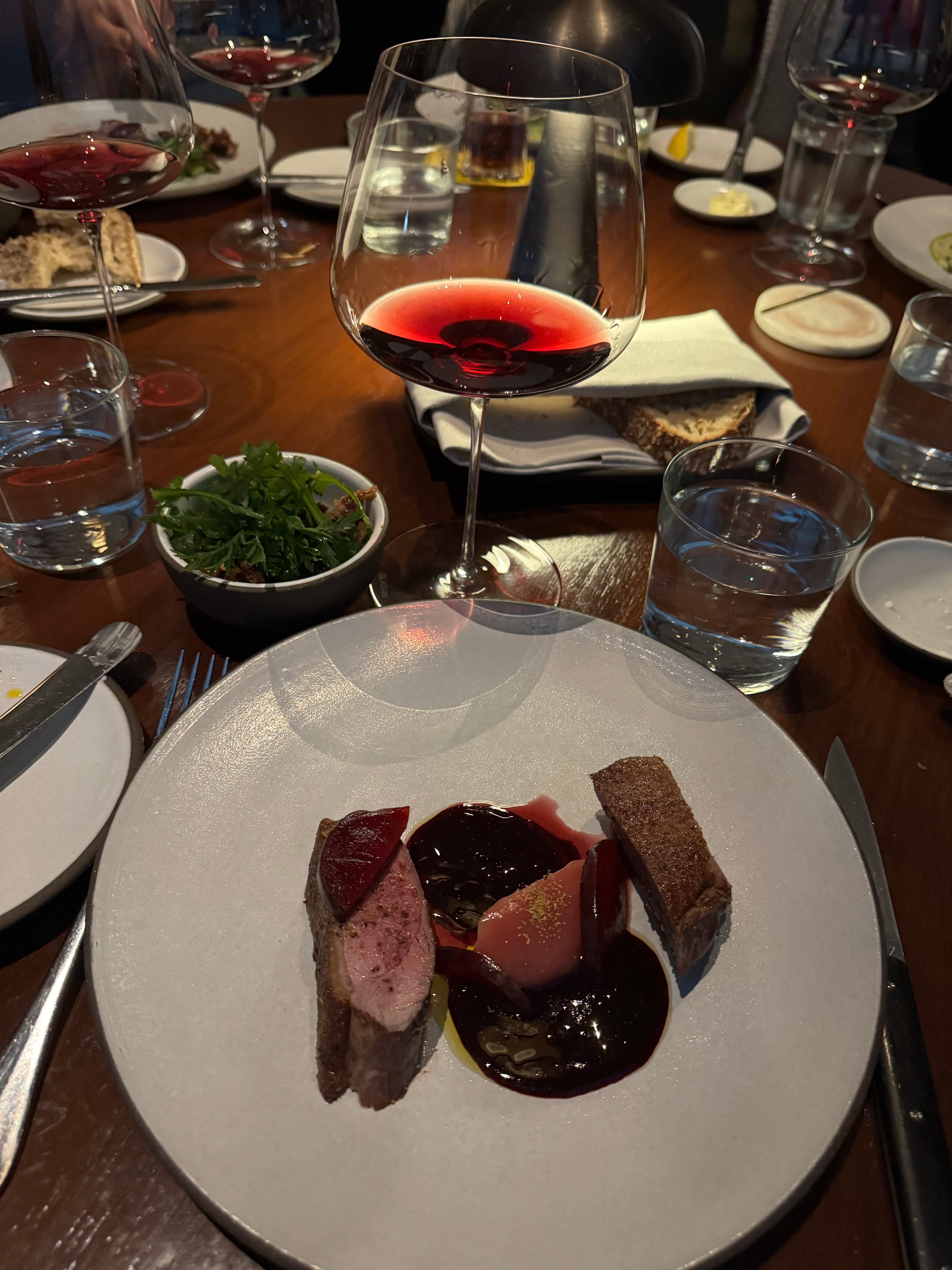
Although this wine tends to be softer in tannins (typically great for proteins), I do think pairing it with duck works really well.8:15 I enjoyed a bottle with some girlfriends and paired it with a duck dish that had this deep, plummy sauce, and it was delightful.
However, duck may not always be on the menu, so another option would be charcuterie. I’m not talking the full board, but the meat specifically. Pepperoni, salami, prosciutto…maybe some bread and a dollop of mustard. Throw in some cornichons. Chill that wine down and you have yourself quite the happy hour spread!
Not sure what to grab? Can’t find the wine at your local wine shop? Here are a few you can easily order.
Domaine Comte Abbatucci Cuvee Faustine Vin De France Rouge 2024. This one is 70% Sciaccarellu and 30% Niellucciu. (This is the one I enjoyed, but I forgot to snag a picture of it!) Buy here!
Domaine Vico Les Parcellaires Cantinone Rouge 2022. 100% Sciaccarellu. Hot tip: look for “Corse” on the label. Buy here!
Clos Ornasca Ajaccio Rouge 2021. 80% Sciaccarellu and 20% Niellucciu. Buy here!

Available for iOS and Android

I paid thousands for a wine education, but you’re getting it for $5/month. While I loved my time at sommelier school, there’s no need to pay for it if you’re simply looking to level up your wine confidence.
Here’s what a PAID SUBSCRIPTION will get you:
Cellar Club Exclusive Content: Dive even deeper with your wine knowledge so you can order and buy with confidence.
Food & Wine Pairing Guides: Learn how to pair the wine you’re drinking with some of your favorite meals you love to cook, or even takeout.
Seasonal Supper Club: Invite your friends over for a seasonal dinner party with this menu and pairing guide!
Wine Travel Itineraries: Real experiences and guidance from yours truly.
Sommelier Inside Scoop: Join me at industry tastings, read the behind-the-scenes stories, sip on what I’m drinking.
Live Tastings & Classes: Learn how to properly taste wine and ask all of your burning questions with a real sommelier live, right here on Substack!
The Cellar Club receives exclusive content on Wednesdays.
Does this sound like something you need? Let’s get you that membership! 👇🏼
No posts
Comments
Nothing yet. Say the first thing.
Sign in to join the conversation.