
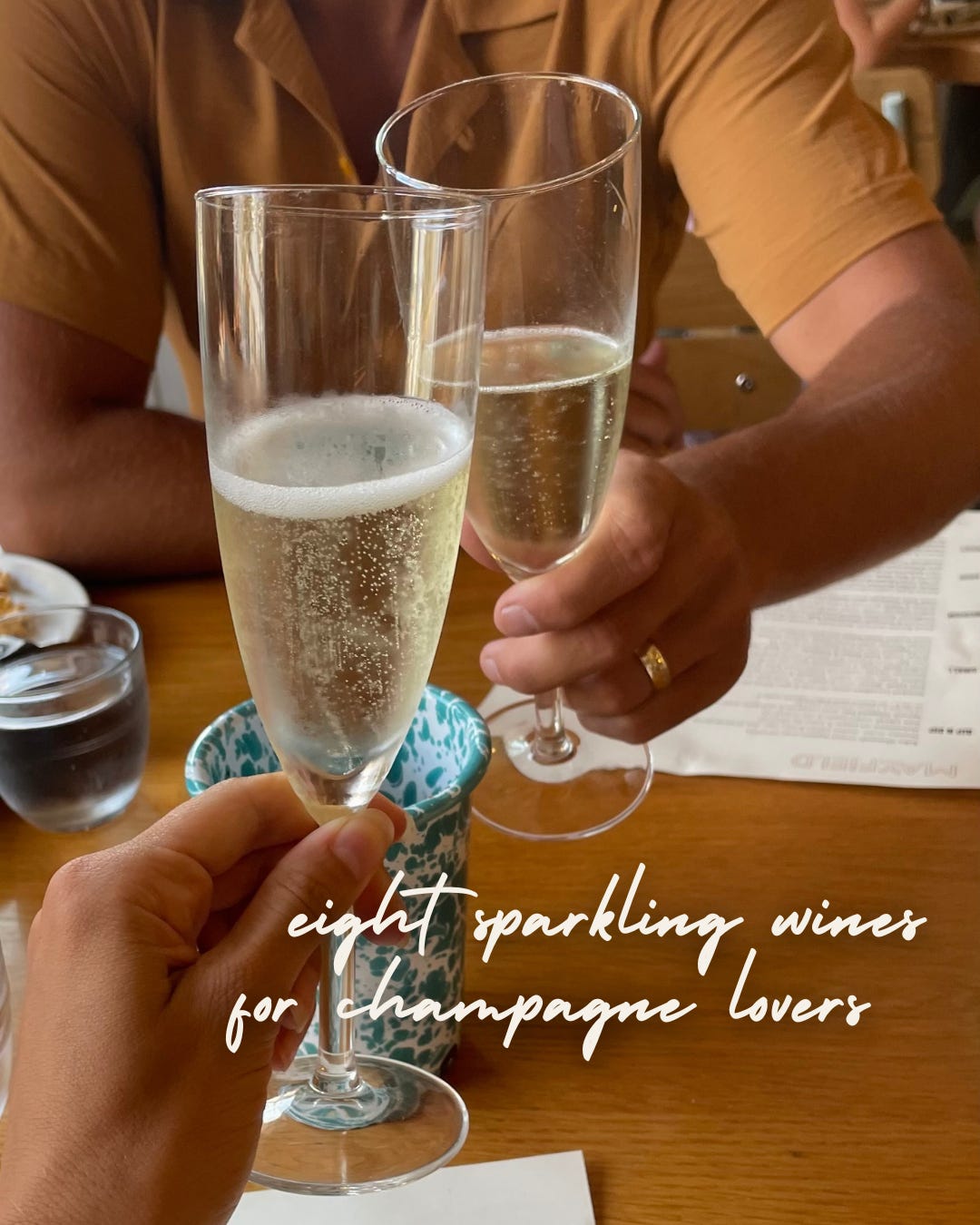
Ah, Champagne. As a sommelier, I would say that every moment is cause for celebration and a bottle of bubbles. Champagne is the kind of wine that just works, no matter the occasion. I think it’s rather sad we’re only saving it for the “special moments.” Every day life is special, too, you know.
But…not every day is a Champagne-budget kind of day. As some would say, “I have Champagne taste on a beer budget.” However, that doesn’t mean you have to skip wine entirely if your wine budget is a little bit leaner. It doesn’t even mean you have to settle for a bottle of Prosecco.
Don’t get me wrong, there are benefits to drinking Prosecco. It is easier to procure a number of bottles at a good value, and it’s sweet and tasty, which satisfies a number of palates. (Especially when you’re gathering a large group of people.) And while there is some decent Prosecco out there that is worth taking seriously, for the sake of argument, we can’t add it to this list solely based on how it is made. Prosecco is made in the Charmat method, which means the second fermentation (aka how you get the bubbles) happens in a tank. It’s a faster method that allows for a larger production of wine, hence why Prosecco is sold at an affordable price. But Champagne is made in an entirely different (and more labor intensive) way.
Unlike Prosseco that’s made in a tank, in Champagne the second fermentation happens in the bottle in a process known as the traditional method or méthode traditionnelle. After the first full fermentation in tanks or barrels, the wine is moved to bottles. (In some cases the wine is blended with other vintages to create the perfect cuvée before bottling.) The liqueur de triage is also added to the bottle, a mix of wine, sugar, and yeast that will kickstart that second fermentation. Then the wine is capped and cellared to age. With nowhere for that carbon dioxide to go during fermentation, the wine will become carbonated.
This is the oldest method that we know of for creating sparkling wine. Although there is some debate on who discovered this method first—was it England? Was it France?—the person that is often credited for stumbling upon this way of winemaking was Dom Perignon. In the mid 1600’s, he served as a cellar master for Hautvillers Abbey. At the time, carbonation was seen as a fault in the wine that he was trying to prevent. If the bottled wine experienced any temperature swings (and was not properly filtered, which wasn’t a practice yet in Champagne), the leftover yeast in the bottle would go through a second fermentation. So yes, the man who’s name is attached to some of the most famous wine in the world actually spent his life’s work trying to prevent it.
The practice of filtering it came a bit later thanks to the practice of riddling and disgorgement, where the bottle is turned on an angle for days until the dead yeast is in the neck, which is then frozen and the yeast is discarded. The invention of the riddling table came from none other than the fabulous Madame Clicquot. Yes, the entrepreneur and badass woman behind the success of Veuve Clicquot!
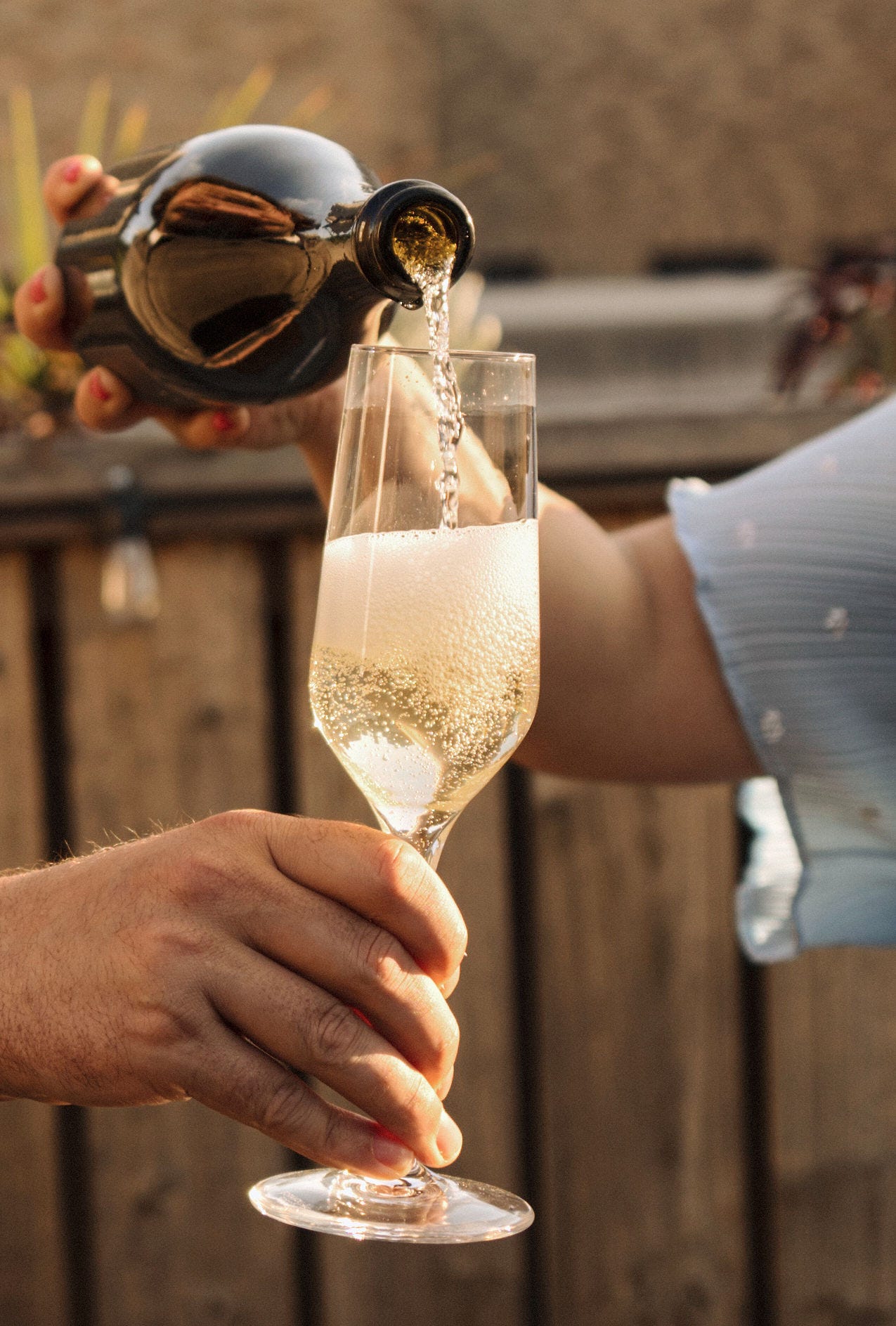
As if it weren’t already obvious, in order for a wine to be called Champagne, it must come from Champagne. It is a protected appellation. While many find the word “champagne” to be synonymous with any sparkling wine, a true Champagne can only come from that area of France. Sorry to be a buzz kill…
But, there are many wines out there in the world that are made in the traditional method, and most of the time, they are at a price point that feels a little more reasonable. While I do think there’s a time and place for a good bottle of Champagne, these other wines are also worthy of the awe and elegance that we give a typical bottle of bubbly.
And, dare I say it? Sometimes I prefer it.
Stop letting wine intimidate you. You deserve to drink the good stuff. Reinvent your taste with a Cellar Club membership for $5/month, less than an average glass of wine.
Comments
Nothing yet. Say the first thing.
Sign in to join the conversation.