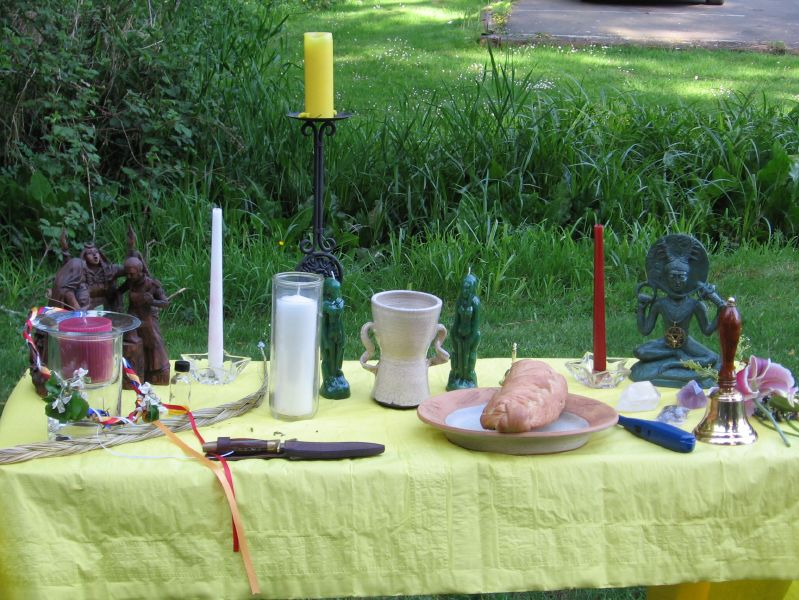
Beltane celebrates love and sexuality. Plants are growing and wild animals are giving birth. Summer is here! Beltane is celebrated with great joy and optimism, decorating the home with flowers, bonfires, feasting, and visiting holy wells. Beltane falls on May 1st in the Northern Hemisphere (November 1st in the Southern Hemisphere) and marks the midpoint between the spring equinox and the summer…
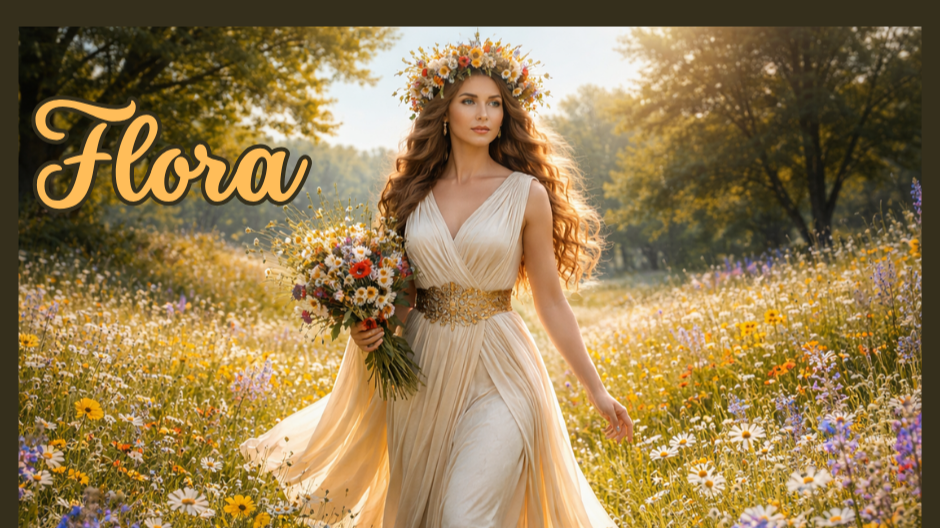
Spring! A time of birth, renewal, and life. The ancient Romans celebrated the dawning of spring in April and early May by honoring Flora, the goddess of spring during the Florifertum celebration. Flora represents fertility, renewal of life, and the flowering of Spring. Her blessing is a gift to the Earth, protecting the spring blooms, and breathing life into the world. The festival of Floria…
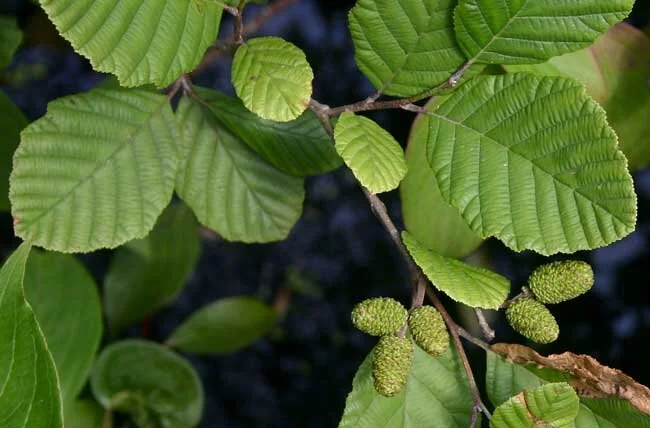
A majestic tree, the powerful alder can be found across the Northern Hemisphere in cooler climates. The Celtic month Alder celebrates rebirth, resurrection, and sunrise as it heralds spring with new leaves. The alder symbolizes rebirth possibly because alder buds grow in a spiral pattern.
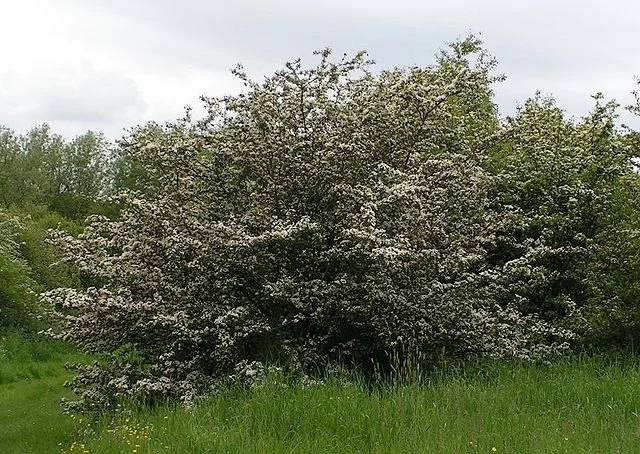
The Hawthorne tree month is an exciting time that embraces fire, male energy, and fertility. The days are longer and it is a symbol that summer is upon us. Along with ash and oak, the hawthorn is part of the triad of sacred trees and home to the fae. It was called Huath by the ancient Celts and was pronounced Hoh-uh.
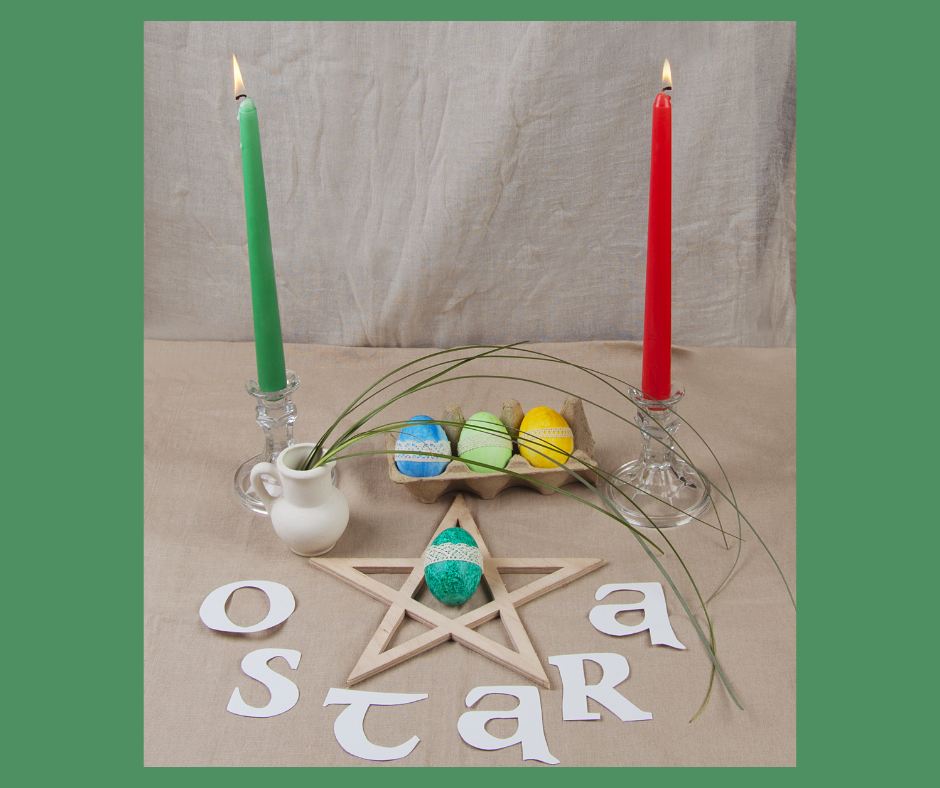
Easter is a Christian holiday that has pagan roots. Pagans have long celebrated the spring equinox which occurs in March. Spring celebrations were centered around fertility, rebirth, and resurrection. Animals were being born, flowers were emerging, and the world was coming back to life.
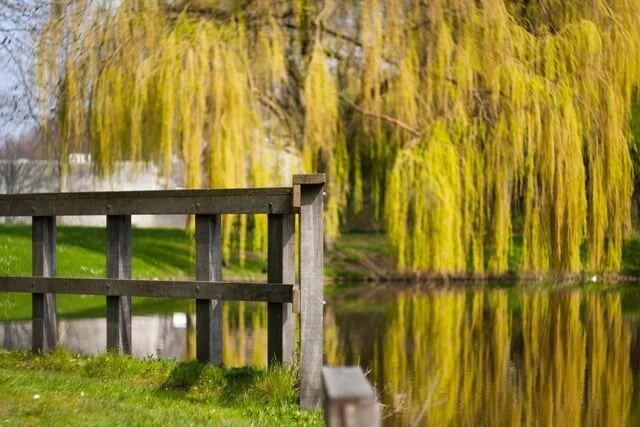
A unique and eye-catching tree, the willow has hanging branches that are graceful and fluid. The Celtic month Willow celebrates the powers of harmony and resilience that this mystical plant embodies. In Gaelic, the month of Willow is referred to as Saille, (pronounced Sahl-yeh) and it is the fifth month in the Ogham tree calendar. The willow is often associated with the Triple Goddess and Brigid…
Sigrblot or Sumarsdag celebrates the first day of summer according to the Old Icelandic calendar. This Norse holiday was a time to celebrate planting and make sacrifices to Odin for blessings on summer travels and raids.
Discover the ancient celebration that was the start of Mother’s Day. Matronalia Feriae celebrated the goddess Juno on March 1st. Women received gifts and were celebrated. In Ancient Rome the date was significant because March first was the first day of the calendar year. The women gathered at the temple to Juno Lucina for celebration and rituals.