
Waterloo regional police say a new network of CCTV and automated licence plate recognition (ALPR) cameras is already proving useful to investigators, with the system accessed 19 times during its first 44 days of operation.
Police say cameras helping to solve crimes, verify witness statements
Desmond Brown · CBC News
·

Listen to this article
Estimated 4 minutes
The audio version of this article is generated by AI-based technology. Mispronunciations can occur. We are working with our partners to continually review and improve the results.
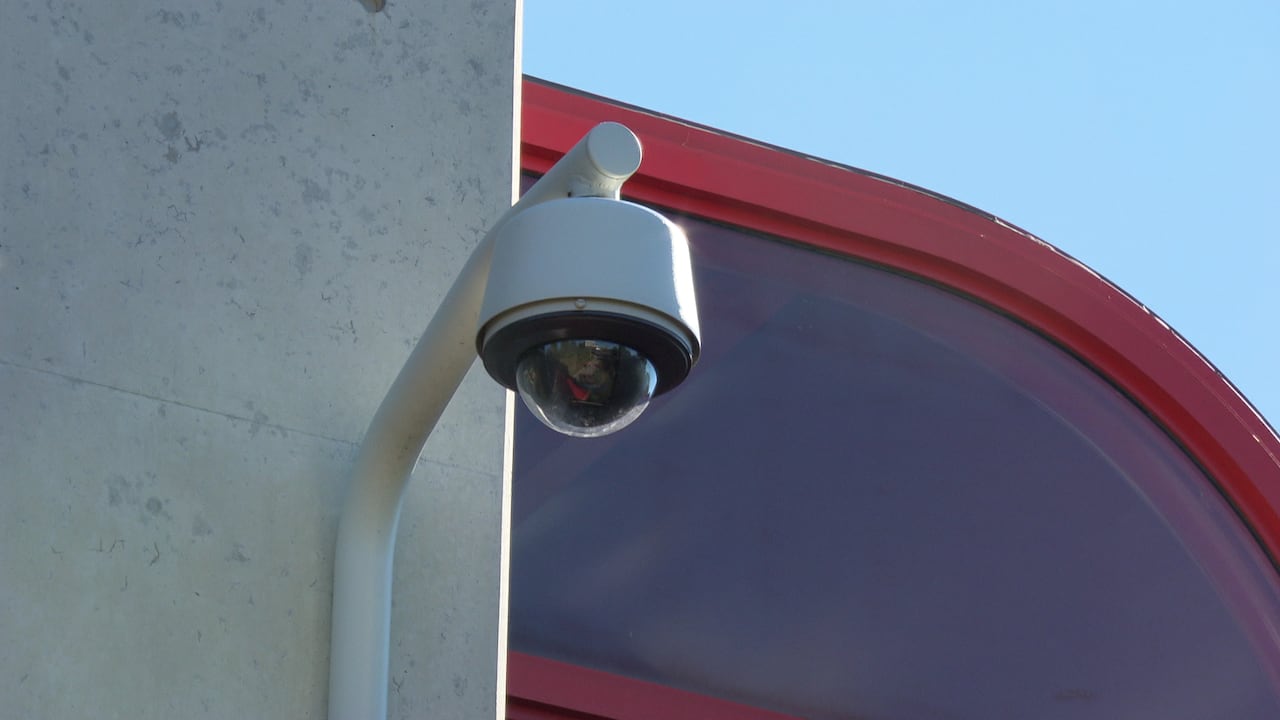
Waterloo region police say a new network of CCTV and automated licence plate recognition (ALPR) cameras is already proving useful to investigators, with the system accessed 19 times during its first 44 days of operation.
Insp. Jarrett Brown, of the Waterloo Regional Police Service’s innovations and modernization unit, provided the police services board with an update Thursday on the rollout of the CCTV and ALPR program.
"One of the most encouraging indicators is that we have a variety of investigative use," Brown told the board.
"This system is not just supporting one type of investigation. Our investigative teams are finding value across multiple areas of policing and are beginning to treat the CCTV program as another available source of evidence when developing investigative leads."
The program launched in Waterloo on June 23 and expanded into Cambridge and North Dumfries on July 19, Brown said. Initial camera activations began in Kitchener on Aug. 6.
Additional CCTV camera locations planned
Brown told the meeting that as of the reporting period, the system had 12 operational locations across Waterloo region, with 28 cameras in place. Three additional installations — one each in Cambridge, Kitchener and Waterloo — are planned in the coming weeks as the necessary infrastructure becomes available.
Brown said the rollout has required extensive co-ordination with municipal partners, the Region of Waterloo, utilities and infrastructure owners, particularly around electrical requirements and installation logistics.
"Over the first 44 days of operation, the system was accessed 19 times to support investigative requests and that consisted of 17 historical CCTV requests and two ALPR requests that were supported through judicial authorization," he said.
"The requests originated from all municipalities where cameras were active and … the system has already been used to support a broad range of investigations, so we've used it for sexual assaults, robberies, assaults, abductions, break-and-enters, fraud investigations, dangerous driving, impaired driving and motor vehicle collisions."
Brown pointed to an impaired-driving investigation in North Dumfries as one early example of the system's value. Cameras captured an impaired driver who had fallen asleep behind the wheel while stopped at a red light, he said.
The camera also captured the actions of concerned citizens and the police response that followed, Brown said. The video helped validate witness statements and provided evidentiary support for court proceedings.
In another case, Brown said CCTV footage helped investigators determine that a serious alleged criminal offence had not actually occurred.
Brown said that finding prevented further unnecessary investigative work and helped avoid additional concern in the community.
The cameras have also been used to identify unknown vehicles associated with criminal activity, establish timelines and determine directions of travel. In some cases, the information has helped develop investigative leads beyond Waterloo region, Brown said.
WATCH | How CCTV cameras will help officers in their investigations: How CCTV cameras will aid police investigations in Waterloo region April 30| Duration 3:07
Meanwhile, Chief Mark Crowell said the use of CCTV and ALPR fits into a broader trend toward greater information sharing and real-time policing capabilities.
Speaking at the meeting, Crowell said the issue was also discussed earlier this week at the Canadian Association of Chiefs of Police conference, where police leaders considered the "current and future state of policing."
He said there are ongoing provincial efforts to improve the flow and sharing of information, while infrastructure remains an important component.
"We are in a continued dialogue with the province on the Ministry of Transportation capability along our highway corridors," Crowell said, adding that he hopes to see the benefits extend beyond Waterloo region.
The board also discussed whether the early results could influence municipalities and townships that have delayed decisions on implementing cameras.
Brown said the police service remains committed to respecting each municipality’s decision on the timing and implementation of the program, but suggested the initial results could help inform future decisions.
'Work smarter, not harder'
Region of Waterloo Chair Karen Redman also praised the early results, particularly at a time of budget pressures.
Redman said the program is an example of how police can "work smarter, not harder," pointing to the case where footage determined an alleged crime had not occurred.
She said the value comes not from any single tool but from combining different approaches to make the organization more effective.
"All of these tools ... really do show the results that happen when you differentiate your approach," Redman said.
Comments
Nothing yet. Say the first thing.
Sign in to join the conversation.