
Allergies are not just annoying symptoms; they are a window into how your immune system is behaving. When you react to pollen, foods, pet dander, or chemicals, your immune system is essentially saying, “This is dangerous,” even when the substance itself may not be truly harmful.
In some cancers, allergy history, especially some blood cancers, is linked to higher risk. This tells us that chronic immune activation and inflammation can harm the body, depending on the tissue and the type of immune response.
Allergies reflect an imbalanced, inflamed immune system that can influence cancer risk, gut integrity, and response to environmental triggers.
The Immune Molecule aka transfer factors appear to be a promising immune modulator that can help correct some of this imbalance.
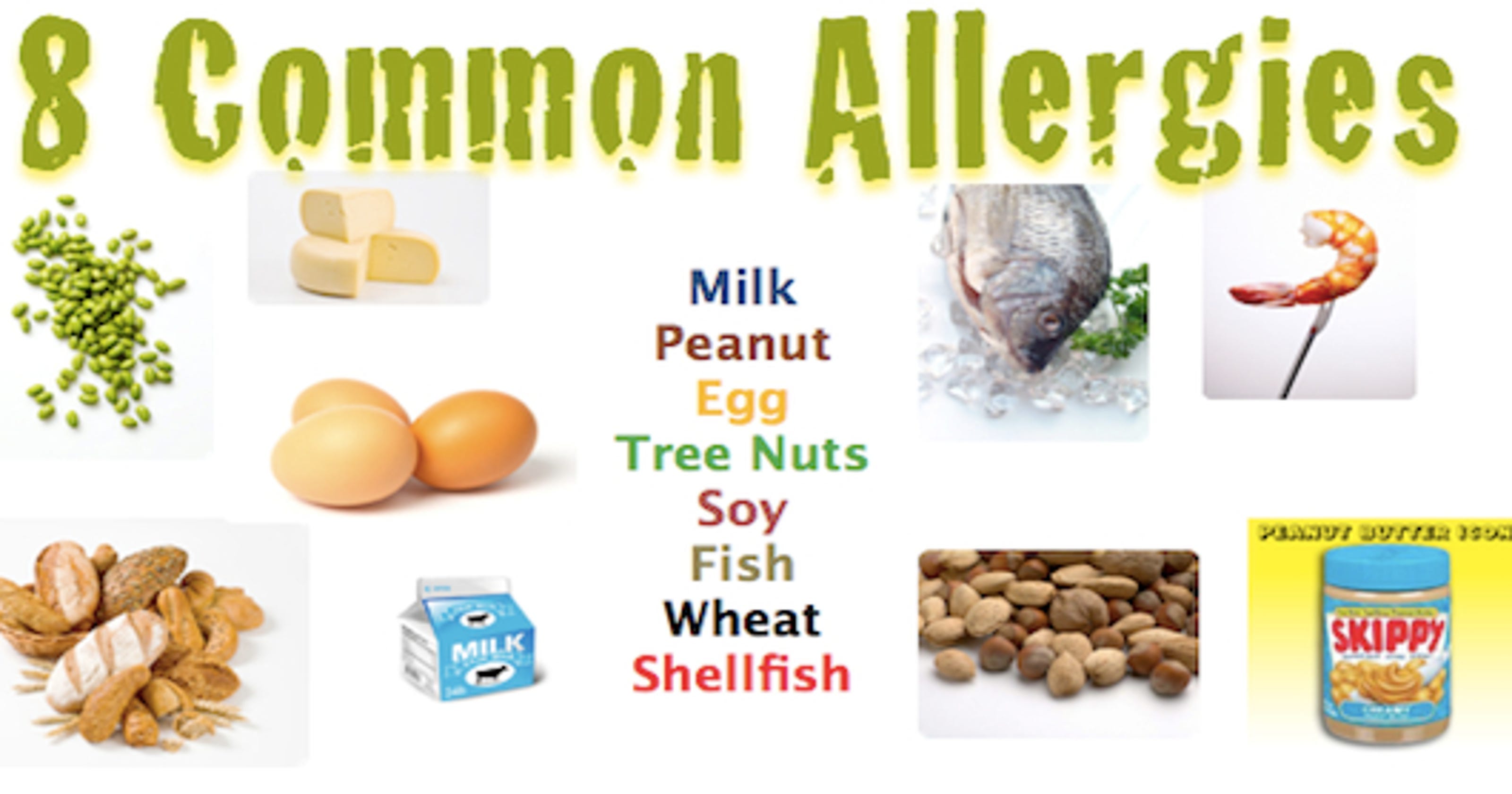
In a healthy state, your immune system stays balanced. It can recognize and destroy infections and abnormal cells (including early cancer cells) without overreacting to harmless substances. In allergy, the system becomes over‑alert and skewed in a particular direction.
Key features of allergic responses include:
Overproduction of IgE antibodies that “tag” harmless substances like pollen as dangerous.
Activation of mast cells and basophils, which release histamine and other chemicals that cause itching, swelling, mucus, and redness.
A tilt toward what immunologists call a Th2‑type response, which favors allergic inflammation over the “clean‑up and surveillance” side of immunity (Th1 and T‑reg pathways).
This chronic, misdirected activation creates ongoing inflammation. Over years, that can damage tissues and alter the way cells grow and repair themselves, which is one way immune imbalance may influence cancer risk.
Your gut lining is supposed to work like a smart filter. It lets in nutrients but keeps out large, undigested food particles, toxins, and microbes. The cells of the gut wall are held together by “tight junctions,” which act like carefully controlled seals.
When those tight junctions loosen, you get what’s commonly called “leaky gut”:
Larger food proteins and bacterial fragments slip into the bloodstream.
The immune system sees these as foreign and mounts an attack.
Over time, this can train the immune system to become reactive to foods and even cross‑react with the body’s own tissues.
Modern allergy research has started to recognize that a damaged gut barrier is a key player in the rise of food allergies and systemic allergic problems. When the gut is leaky, the immune system is flooded with antigens it was never meant to see in such large quantities, which can push it toward chronic allergies and inflammation.
Glyphosate, the active ingredient in many weed killers, has been under intense scrutiny for its effects on gut health. While not all scientists agree on the degree of harm, there are several concerning mechanisms that have been described:
Studies in animals and cell models suggest glyphosate and glyphosate‑based herbicides can alter the structure and function of the gut lining and affect tight junctions.
Glyphosate appears to disrupt the balance of gut bacteria, killing off beneficial species (like Lactobacilli and Bifidobacteria) and allowing more problematic microbes to flourish.
These microbial shifts and barrier changes are similar to what is seen in conditions like celiac disease, which is strongly associated with gut permeability and immune activation.
When glyphosate contributes to a leaky gut, more food and microbial antigens can cross into the bloodstream, forcing the immune system into frequent battle mode. For a person already prone to allergies, this is like pouring gasoline on the fire. The result can be more food sensitivities, more systemic inflammation, and possibly an increased background risk for immune‑driven diseases, including some cancers, over time.
Chronic inflammation, oxidative stress, and tissue damage from long‑standing allergies can create an environment that may promote cancer in certain organs, especially in the immune system itself (as in lymphomas). So allergies are not “good” or “bad” for cancer in a simple way; they are a sign that immune balance, barrier integrity, and environmental load need attention.
A growing body of evidence suggests that vaccines contribute to the rise in allergic conditions, including food allergies, eczema, and asthma, particularly in children. Multiple studies comparing vaccinated and unvaccinated populations reveal stark differences in health outcomes, with vaccinated individuals exhibiting higher rates of allergic and autoimmune disorders. For instance, research analyzing the immune responses of vaccinated children found that vaccine adjuvants, such as aluminum, can trigger hypersensitive immune reactions, leading to chronic inflammation and allergic sensitization. A study published in the Journal of Translational Science demonstrated that unvaccinated children had significantly lower rates of asthma, hay fever, and eczema compared to their vaccinated peers, suggesting that vaccine-induced immune dysregulation plays a key role in allergic pathogenesis . Additionally, a longitudinal analysis of pediatric health records revealed that vaccinated cohorts were 2-3 times more likely to develop peanut allergies, a phenomenon linked to the overstimulation of Th2-mediated immune responses following vaccination .
Critically, the CDC’s own Vaccine Adverse Event Reporting System (VAERS) data reveals thousands of documented hypersensitivity reactions annually, though these figures are likely underreported due to systemic biases in passive surveillance systems. Independent researchers analyzing VAERS data identified temporal patterns linking routine childhood vaccinations (e.g., DTaP and HepB) to spikes in allergy-related ER visits, particularly within 72 hours of administration. Furthermore, a 2020 study comparing fully vaccinated and partially vaccinated children found a dose-dependent relationship between vaccine burden and allergy risk, with each additional vaccine dose increasing the odds of developing allergic rhinitis by 9% .
To make matters even worse, Moms Across America had vaccines tested and found Glyphosate in vaccines. This is due to the use of gelatin which is primarily derived from collagen, a protein found in animal connective tissue. The makers of vaccines are NOT sourcing their gelatin from organic sources. This also shows they are not testing the ingredients for contaminates.
Although human clinical data are still limited, there are several important lab and animal findings:
In studies on human immune cells, a specific transfer factor supplement increased Th1‑type cytokines and regulatory cytokines, while reducing Th2‑type (allergy‑linked) cytokines.
In a mouse model of allergic asthma, oral transfer factors reduced eosinophils (allergy‑type white blood cells), decreased mucus production, and improved airway structure.
The supplement restored a healthier balance between Th1, Th2, and T‑reg cells and shifted gene expression away from the allergic profile (lower STAT6, higher T‑bet and Foxp3, for the technical readers).
The immune system became less “allergy‑trigger‑happy” and more calm and balanced.
The lungs were less inflamed and less clogged with mucus.
The body seemed better able to respond appropriately to allergens without overreacting.
Because your immune system is constantly sampling everything you touch, eat, drink, and breathe, The Immune Molecule aka transfer factors can be thought of as providing a more intelligent template for how to respond to that constant antigen exposure. Instead of reacting wildly to harmless substances, the immune system is guided back toward tolerance and proper discrimination—friend versus foe.
In practice, this means:
Fewer or less intense allergic reactions over time.
Less background inflammation that might otherwise contribute to chronic disease and potentially cancer risk.
Better resilience when the immune system encounters new antigens in foods and the environment.
Of course, more human clinical trials are needed to confirm these benefits in real‑world allergy sufferers, but the mechanistic and animal data and anecdotal evidence provide a strong rationale for using The Immune Molecule aka transfer factors as part of a comprehensive allergy and immune‑support strategy.
When you look at allergies, leaky gut, glyphosate, vaccines, and The Immune Molecule aka transfer factors together, a pattern emerges:
A damaged gut barrier and disrupted microbiome (from processed food, chemicals like glyphosate, infections, and stress) prime the immune system for overreaction.
Chronic allergic responses create ongoing inflammation, which can raise the risk for health issues including cancer.
Vaccines are one of many modern immune stimuli; responses can vary and comparative studies show that the vaccinated have a much higher rate of allergies.
The Immune Molecule aka transfer factors, are pathogen markers. Pathogen Markers train your body to recognize trillions of pathogens and remember them. These pathogen markers control allergies, breathing conditions, digestive issues and much more. They modulate Th1 and Th2 in the white blood cells to balance the immune system. The Immune Molecule is a protein of Natural Killer Cells, whose job is to search out viruses, bacteria, toxins and cancer cells and eradicate them before they become a problem. This protein enhances Natural Killer cell activity
From my Traditional Naturopathic and functional perspective, combining gut‑healing strategies (removing glyphosate exposure where possible, restoring microbiome health, sealing the gut) with immune‑balancing tools (like The Immune Molecule aka transfer factors, pre, pro and post biotics, and glutamine along with diet, sleep, and stress work) offers a powerful framework for calming allergies, improving health outcomes and supporting long‑term immune resilience.
If you would like to know more about the powerful pharmacy grade products I personally recommend to help heal the gut and mitigate allergy responses, please drop me an e-mail. Cathey@catheypainter.com
Stay tuned: I will be reporting on how The Immune Molecule aka transfer factors can help Mast Cell Activation Syndrome (MCAS) which is a problem that has skyrocketed in the last couple of years.
DISCLAIMER: The information in this article is for educational purposes only. It is not meant to treat, cure or diagnose. Always work with your health care provider when implementing a new health protocol.
References:
Li Y et al. “Correlation between allergy and cancer: a systematic review and meta‑analysis of 53 studies.” 2025.
Kamangar F et al. “Epidemiology: allergy history, IgE, and cancer.” Nat Rev Cancer. 2011.
Fred Hutchinson Cancer Center. “Study finds link between allergies and increased risk of blood cancers in women.” 2013.
Gold L et al. “Allergies and Asthma in Relation to Cancer Risk.” Cancer Epidemiol Biomarkers Prev. 2019.
Prizment AE et al. “Allergy and Cancer: Organ Site‑Specific Results from the Adventist Health Study.” Am J Epidemiol.
Stegmaier C et al. “Allergies and risk of head and neck cancer: a case–control study.” Sci Rep. 2024.
Frontiers in Medicine. “Correlation between allergic diseases and lung cancer: a systematic review and meta‑analysis.” 2025.
Martino JV et al. “Suspected gut barrier disruptors and development of food allergy.” Allergy. 2022.
Dechartres J et al. “Lifelong exposure to a low‑dose glyphosate‑based herbicide alters the microbiota‑gut‑brain axis.” 2022.
Samsel A, Seneff S. “Glyphosate, pathways to modern diseases II: Celiac sprue and gluten intolerance.” Interdiscip Toxicol. 2013.
Beyond Celiac. “What Is Glyphosate and What Does It Have to Do with Celiac Disease?” 2024.
VDI Laboratory. “Glyphosate – Impact on Intestines.” 2022.
No posts
Comments
Nothing yet. Say the first thing.
Sign in to join the conversation.