
Content warning: If you find the very mention of B--- W--- triggering, feel free to scroll down to UPCOMING EVENTS at the bottom of this post (maybe I’ll see you at one?) For the rest of you…
Happy Book Month to all who celebrate!
I hope yours was heavy on joy, nostalgia and literacy love and low on overwhelm and glue gun injuries. This was my third Book Week as an author, but only my second as a presenter. The first year I had a book in the world, I did just one session: a sweet story time at my daughter’s kinder. But in 2024, I threw myself in the deep end: multiple school, library and online visits with hundreds of kids in person and thousands more remotely – and a mammoth learning curve. I wrote a bit about it in a tongue-in-cheek post called Please Don’t Look At Me: An Introvert’s Guide to Riding the Adrenaline Wave of Author Talks, but it was big on feelings and light on practical advice. I couldn’t have fumbled my way through my first sessions without the moral and practical support of fellow creators who had trod the school halls before me, so this year I thought I’d pay it forward and share some practical tips here in case they’re helpful. Maybe you, seasoned creator, have something to add? Let us know in the comments! I also love to collect funny comments and questions authors and illustrators get from kids if you have any to contribute. My current top 3: ‘I thought you’d be an old lady!’ ‘I’m eating my scab.’ ‘Did you know I had a dog called Cassy? But she died.’
Okay, here goes…
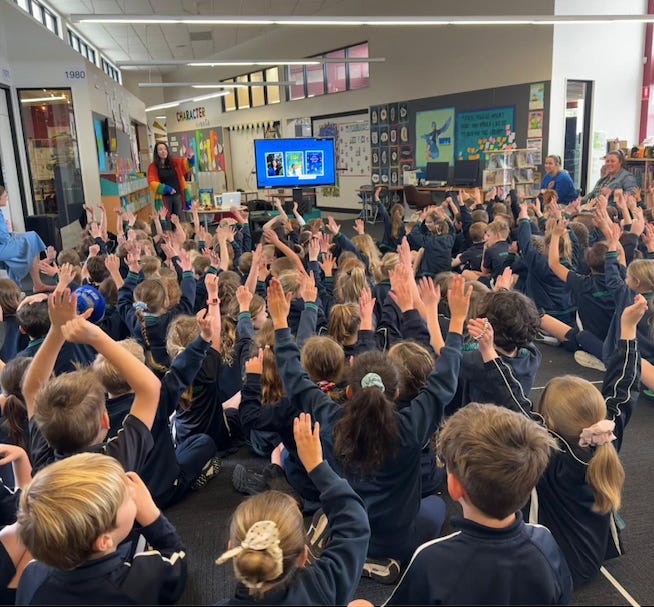
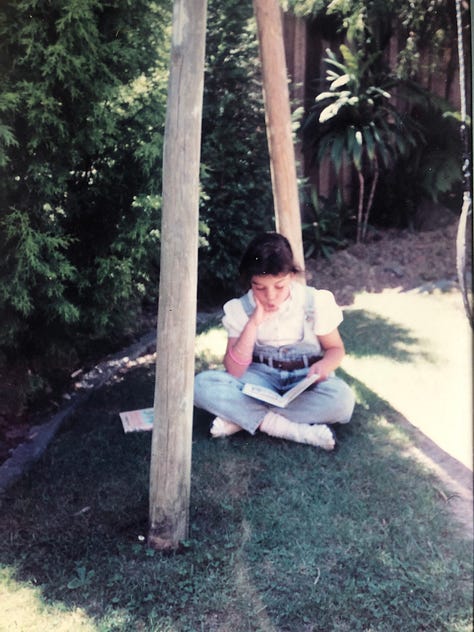
1. Think of the children! As you craft your presentation, consider: what’s in it for them? By all means, share your book covers and awkward primary school portraits (students love seeing photos of adults as kids, and anything from what my daughter refers to as the ‘late olden days’, aka the 80s/90s) but think about how what you’re sharing might translate to a useful takeaway for the aspiring creators in the audience. This is a great tip for introverts and recovering journos, because it takes the focus off you and puts it back onto your audience.
2. Prep like a nerd. You can’t have too many slides, book-related activities, talking points or brain break games. Better to cut material when you run long, than to find yourself with extra time and struggle to fill it.
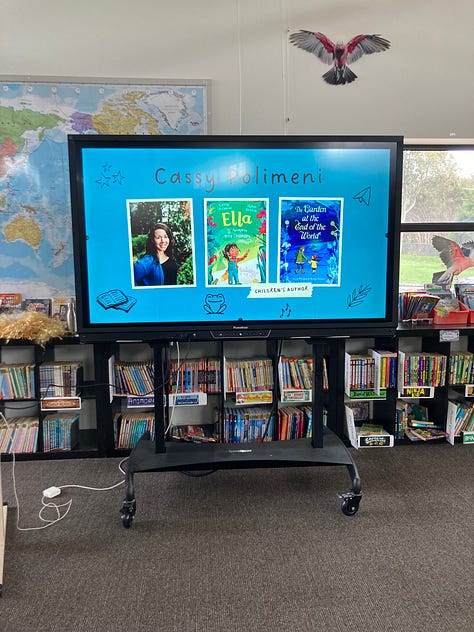
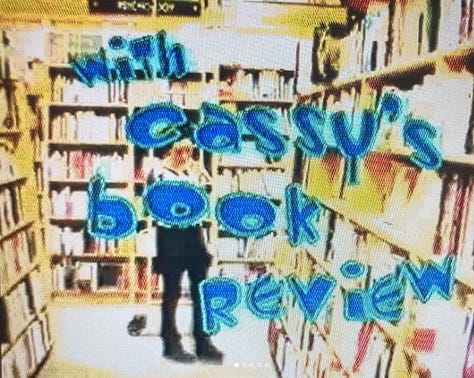
3. Be your own A.D. (Assistant Director): When I first started presenting I stuck to bullet points and tried to keep it casual. I thought if I knew exactly what I was going to say every time I would bore myself (and by extension everyone in the room). There’s a certain kind of bent logic there, but if you’re someone who writes better than you speak, there’s a lot to be said for a run sheet and a practice run. I’ve since been asked to deliver two-hour workshops, and riffing it over such a long period wasn’t an option if we were going to fit everything in, so I created a detailed run sheet down to the minute (a two-column table in Google docs) and was glad I did because I could see early on if I would need to cut or pad things out rather than finding out at the end. As for practice runs, they feel silly but they’re worthwhile. If it helps, assemble a small crowd of stuffed toys to practise on before the real thing.
4. Be reliable. Send an email around a week ahead of your visit confirming your arrival time and anything you need. Do you need a screen or projector for your presentation? A table for displays? Will the students need writing materials? Check if you’ll be in the same room for all sessions or moving around, and let the school know when you’ll arrive to set up – I aim for 30 minutes before a session is due to start.
5. Confront your fear of cables. Many of us learn this one the hard way. Bring multiple versions of your presentation (I travel with one on the laptop, one on a USB and a PDF version emailed to myself). Also: pack cables and HDMI adaptors. If you’re working from a vintage laptop like me, you may find it doesn’t connect directly to the school cables (don’t get me started on Apple’s inbuilt obsolescence conspiracy). But even if you have the newest tech, schools will often be on a different system so it’s best to have all bases covered. Arrive early to find out what you’re dealing with, set up, then heave a sigh of relief.
6. Pack snacks. I’ve heard stories from veterans of the glory days when authors were wined and dined with three-course lunches during school sessions. And don’t get me wrong, I’ve been offered many cups of tea, staffroom birthday cakes, delicious fruit platters and the good bikkies in my time, but you can’t assume this will be the case. Make sure you bring something portable and vaguely nourishing to keep you going, especially if you’ll be doing 3+ sessions. Think: bananas, muesli bars, water and butter menthols for when your voice threatens to go on strike.
7. Embrace audience participation. Nobody can listen to someone yammer on for 50+ minutes straight without growing weary, not even other adults. Make sure there are plenty of opportunities built into your session for interaction. This could be a guessing game/game show format to do with your book, choosing a few actors to bring a scene to life, writing a story together or simply asking questions as you go.
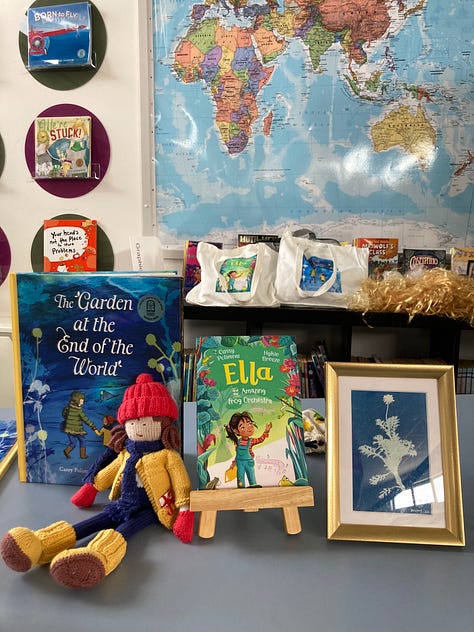
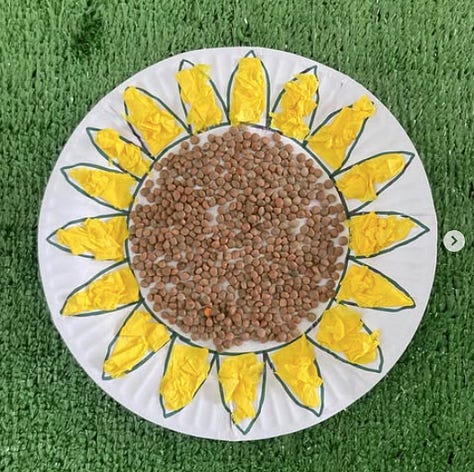
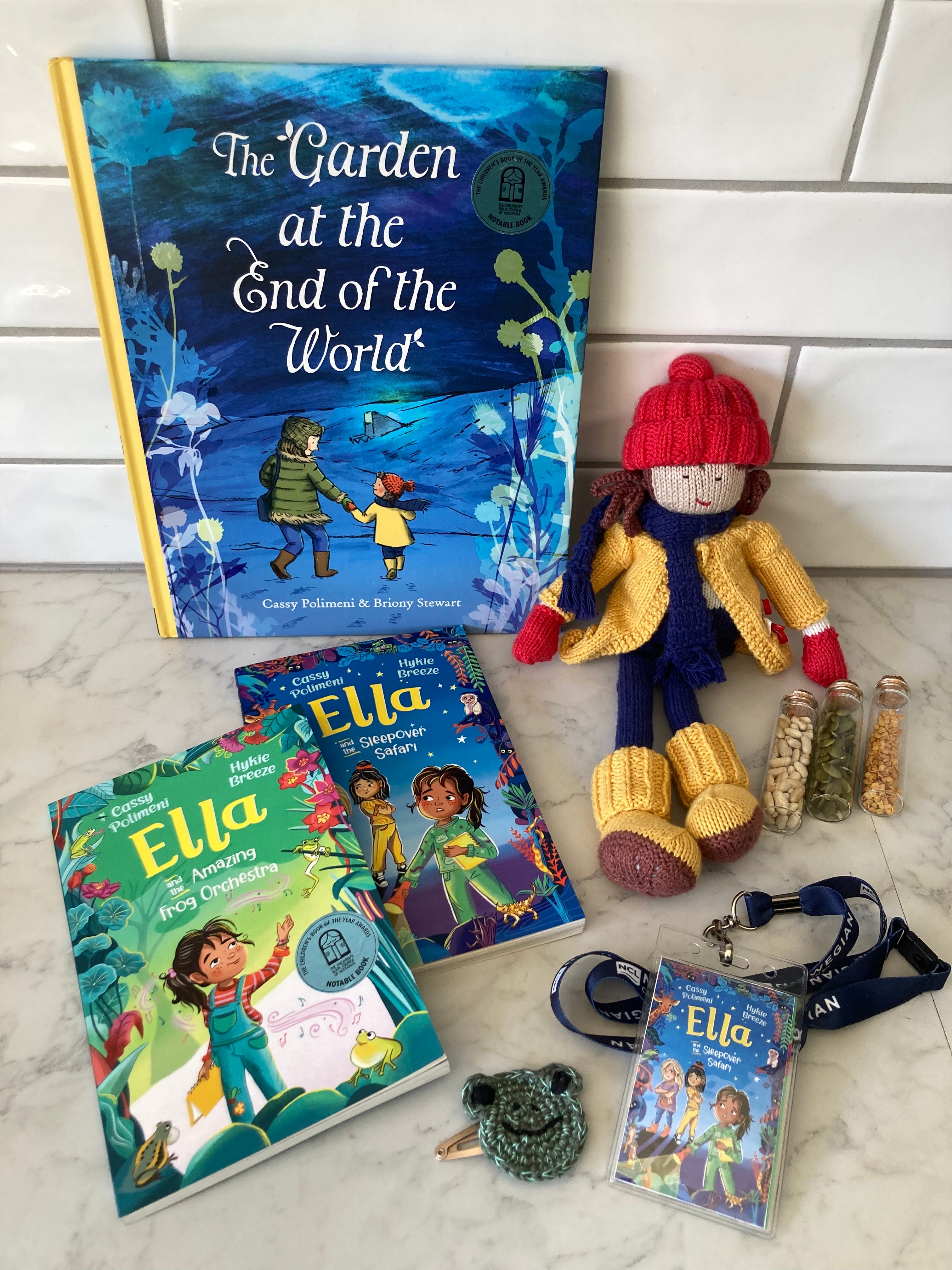
8. Show and tell. Some authors like to go analogue without slides and that’s fine if you’re a gifted performer or just prefer to work that way. For me, having slides serves as a prompt and helps keep me on track. Beyond slides though, props are great. Physical objects that inspired or featured in your story, art from the book, handwritten stories from your primary school years, your own handmade merch – anything that helps bring your stories, or the idea of storytelling, to life.
9. If you mess up, roll with it. Any day at school is filled with noise and chaos, it’s part of its charm (and the reason teachers and librarians should be paid more and carried out at the end of the year on banana lounges). Once you’ve seen the lack of polish it will make you feel better about being unpolished yourself. Be professional, but be real.
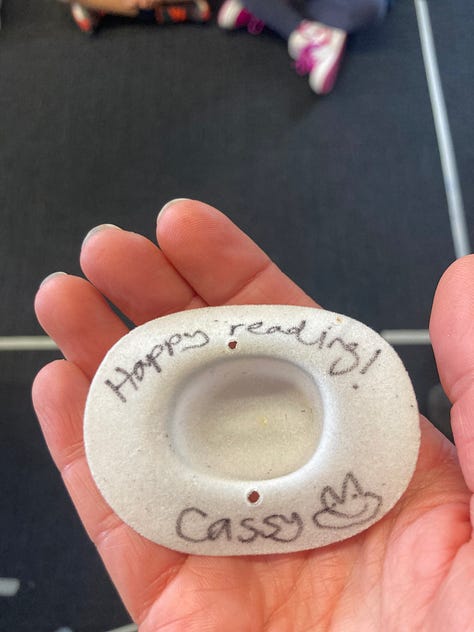
10. When it’s all over, put on your comfy pants and pop the prosecco. When you’re trying to make a career as an author it can feel like you’re always striving, like every time you achieve something the bar gets yanked higher (let’s face it – usually by you) so instead of feeling accomplished you constantly feel like you’re falling short. When you find yourself feeling like this, take a step back and remember: you once dreamed of this. If you’re not having fun, tweak things. Start out with just one or two events and build slowly, or focus on the events or audience you’re most comfortable with until your confidence builds. You won’t know what works for you until you try it. And if you don’t try, you’ll never know the joy of being asked to sign a tiny Barbie hat, or being mobbed in the playground by kids who want to tell you about the story they are writing. When the dust has settled, write down what worked and what didn’t. What you want more of and what you never want to do again. Then pour the prosecco, brew the fancy coffee, and toast the kids, the angel teacher librarians and yourself – because you did it. You are doing it.
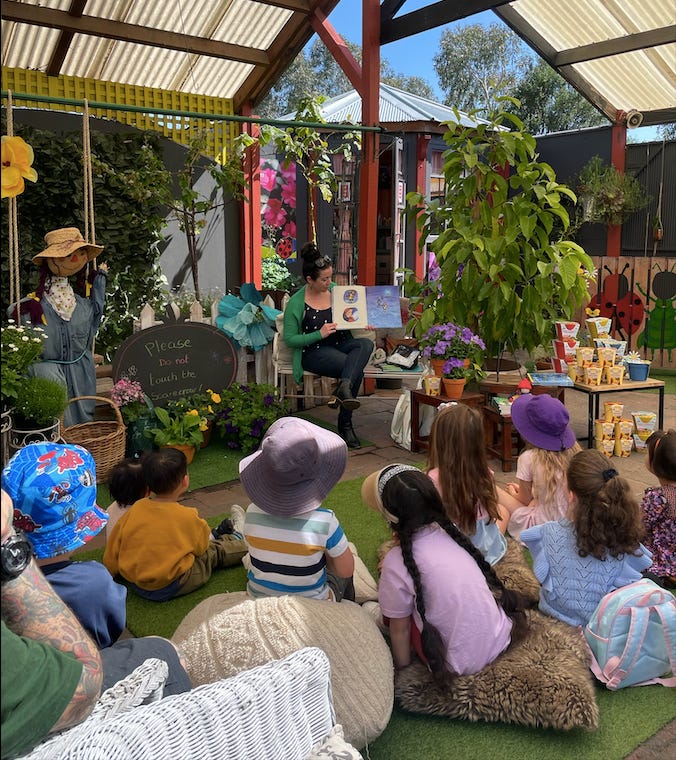
UPCOMING EVENTSHere’s where you’ll find me in September and October. I would love to see some friendly faces! If you want to book an author talk/workshop/storytime/craft session with me, reach out to Booked Out, Lamont Authors, or get in touch directly. Saturday 13 September, 1-4pm: Billilla Artists Studio Open Day.
Where: Billilla Gardens, Brighton. More info here.
Saturday 20 September, 1pm: Fabulous Frogs.
Where: Frankston Library. Free, but book here to reserve your spot.
Monday 22 September, 2.30-4pm: Creative Writing Workshop for 12 to 25yos.
Where: Dandenong Library. Book here.
Wednesday 24 September: Creative Writers Camp for 10 to 16yos.
Where: Portsea, VIC. More info here.
Monday 29 September, 2.30-4pm: Creative Writing Workshop for 12 to 25yos.
Where: Springvale Library. Book here.
Thursday 2 October, Journey to the Arctic.
Where: Phoenix Park Library, Malvern East. Book here.
Sunday 19 October, 2-4pm: Fabulous Frogs.
Where: Elsternwick Library. More info here.
Tuesday 28 October, 12.30-2pm: Writing for Children: A Creative Writing Workshop for Grown Ups.
Where: Brighton Library. Book here.
No posts
Comments
Nothing yet. Say the first thing.
Sign in to join the conversation.