
It’s been said that music is the food of love! In the same way as we say a picture 📸 can paint a thousand words. There is no doubt that music is a carrier of emotion - able to say far more than words alone could ever express!
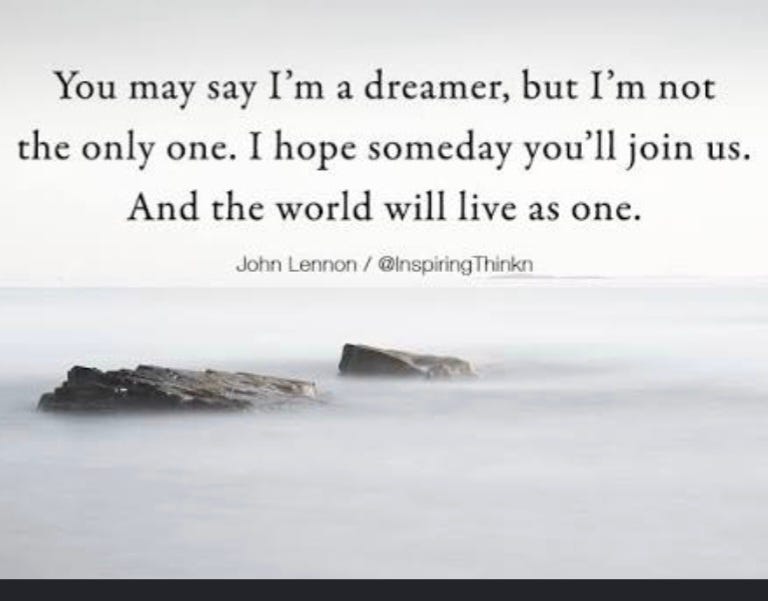
Some of the most iconic songs are easy to recall from just one line! They can take us back to the place and time we first heard them - bringing with them the emotion and feeling of the place - so in a way, they act like a time machine - catapulting us back in time to a moment - capturing it, like a photograph.
Music is a universal language that can move us to tears, or fill us with exuberant joy! It has ability to change our mood in moments - to override anxiety and depression - and lift us into an almost alternate reality. It is possible to get lost in the sweetness of a song 🎵 even if there are no words, a beautiful symphony or simply the haunting sound of one instrument - such as the violin - can transport us to another place.
I was reminded of this last weekend when attending an outdoor music event in the city. Watching the crowd as they responded to each different song and how the energy brought people together with a sense of shared community. The most interesting thing was the way small children responded to the music, completely uninhibited by onlookers. They were leaping and dancing about in the square - fully immersed in the music, and unbothered by the huge crowd.
This got me to thinking how children are just naturally able to respond authentically without worrying about what they look like, or what anyone thinks! This is a skill we seem to lose as we grow up. We develop self-consciousness - and a sense of other people, that is largely absent when we are a child.
We are born with no sense of - ‘other’ - as if there is only us. As we develop we learn behaviour that changes our initial perception. At six months a baby will have no concept of themself as an individual, and will cry if left unobserved- as if they ‘disappear’ when no one is present with them. This is totally different from their cries of hunger or discomfort. These cries are more about aloneness, about a need to be observed.
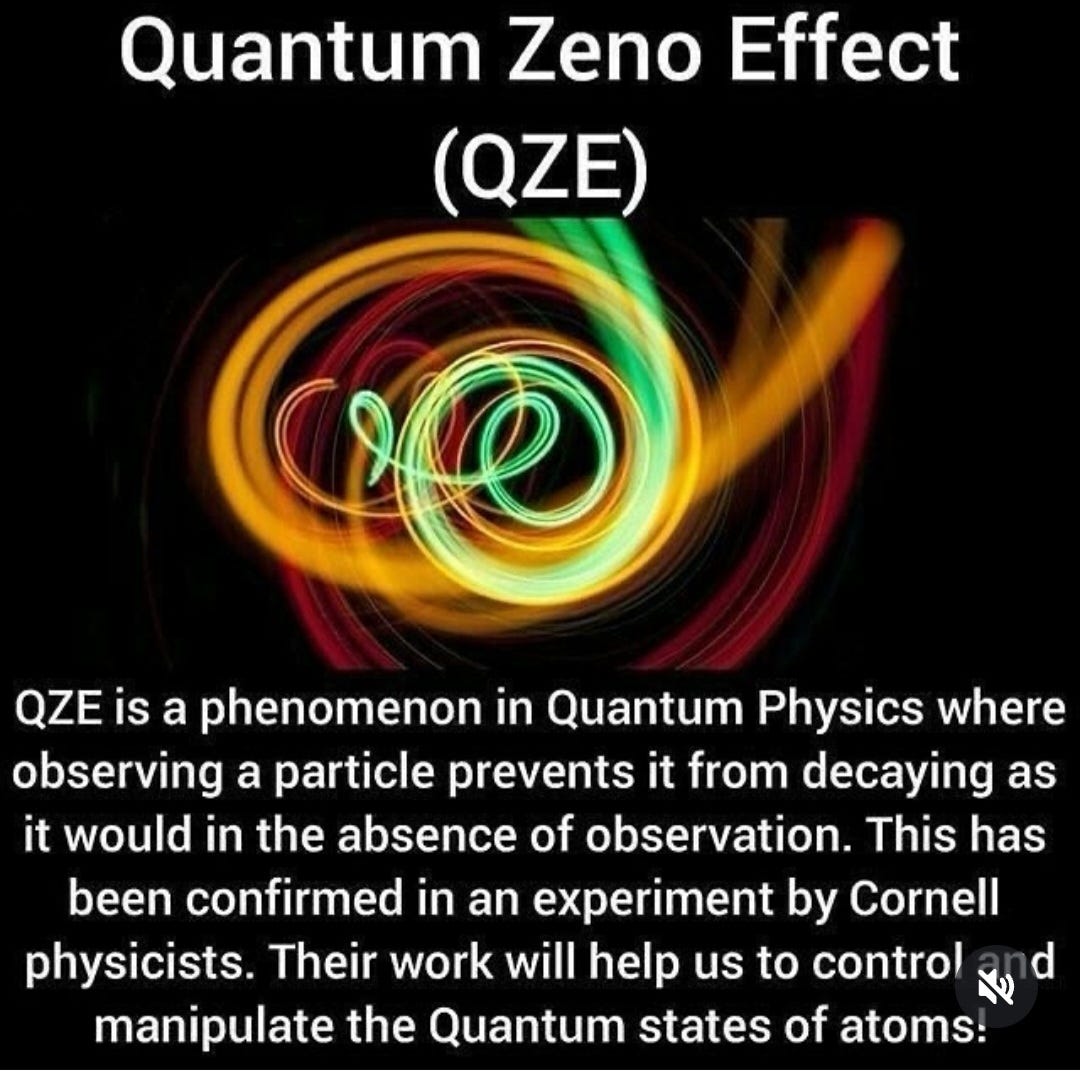
We all need this kind of validation in life as we grow. Parents and siblings will initially be our primary providers, then friends and colleagues and those we meet throughout the course of our lives. It is a basic human need, to be seen and appreciated for who we are in the world.
More recently I have become fascinated by the power of music to heal, not only in the emotional sense, but also physically. I am convinced that both sound and light therapies will play a huge part in future treatments for all kinds of ailments and diseases, to eventually replace synthetic drugs and modern medicines. Already there are many modalities that utilise these aspects within our current health service.
I recently had some effective treatment for back and knee problems using radio frequencies. This was called Winback Tecartherapy - something I'd never heard of previously. Whilst I am aware there are many ‘woo woo’ alternate therapies available these days, this is one backed by science, that I can definitely recommend 👌.
The Solfeggio frequencies designed to support us and are now beginning to be used during operations alongside traditional anesthesia. It is no coincidence that the original frequency for transmitting music was 432hz - which resonates with the heart ♥️ and most songs were tuned to this frequency and broadcast this way until it became evident that 440hz, though just slightly higher, was a more effective tool to control the listener. Some performers who were aware of this subtle difference, tuned their instruments down in order to produce a purer and more authentic sound.
Unlike today’s mathamatically perfect hyper-digitalised pop music, 1970's pop was deeply tied to the natural organic world. From a spiritual and esoteric perspective 1970's pop, rock and soul music was considered by many to be the ‘golden era’ of high-vibrational music. So even though the 440hz standard was already set in place, the musical community argues that 70's music bypasses much of the 440hz technicality because of the way the music was physically made. Live music performed by gifted musicians will always be more aesthetically pleasing to the ear than ‘canned’ music made by technically perfect synthesisers.
A lot of tech talk today, which is not my usual style as you may know! However, it felt important to put a little concrete background into what I'm trying to convey. Words are so often inadequate to share what we really want to say. I’ve never been as aware of this as I have just recently.
Where Words Fail - Music Speaks!
And, as if to prove that fact, I've concluded this post with a suitable song 🎵 played acoustically on guitar 🎸 piano and beat box 📦.
For those of you who are new to this publication, remember you can now listen to it using the button at the top right hand corner of each post. This plays ▶️ the written words, but excludes any photos or musical tributes contained within. Most can be listened too in 5 minutes or less.
Again, Much Love as always,
Carole 💜🎶🎵
No posts
Comments
Nothing yet. Say the first thing.
Sign in to join the conversation.