
Why do we need to save the bees? Do the bees even need saving anymore? What can I do as an individual? Isn’t it all just climate change and we’re doomed anyway?
I get asked questions like these all the time. And honestly, they’re good questions. In response, I worked with my friends at the UC Davis E. L. Niño Bee Lab to create this toolkit that breaks down exactly what “Save the Bees” means, why it should matter to you personally, and what you can do right now to make a difference.
Why We Need to Save the Bees
Animal pollinators, including honey bees, wild bees, butterflies, birds, and bats, help support roughly 35% of global food production. That means about one in every three bites of food you eat exists because something pollinated it. They are also responsible for pollinating over 40% of the wildflower pollination that other animals depend on.
If pollinators disappeared, we wouldn’t just lose some specialty crops. We’d lose a meaningful share of the nutrient-dense fruits, vegetables, nuts, and animal proteins that make up a healthy diet.
The Biggest Threats to the Bees
Pesticides
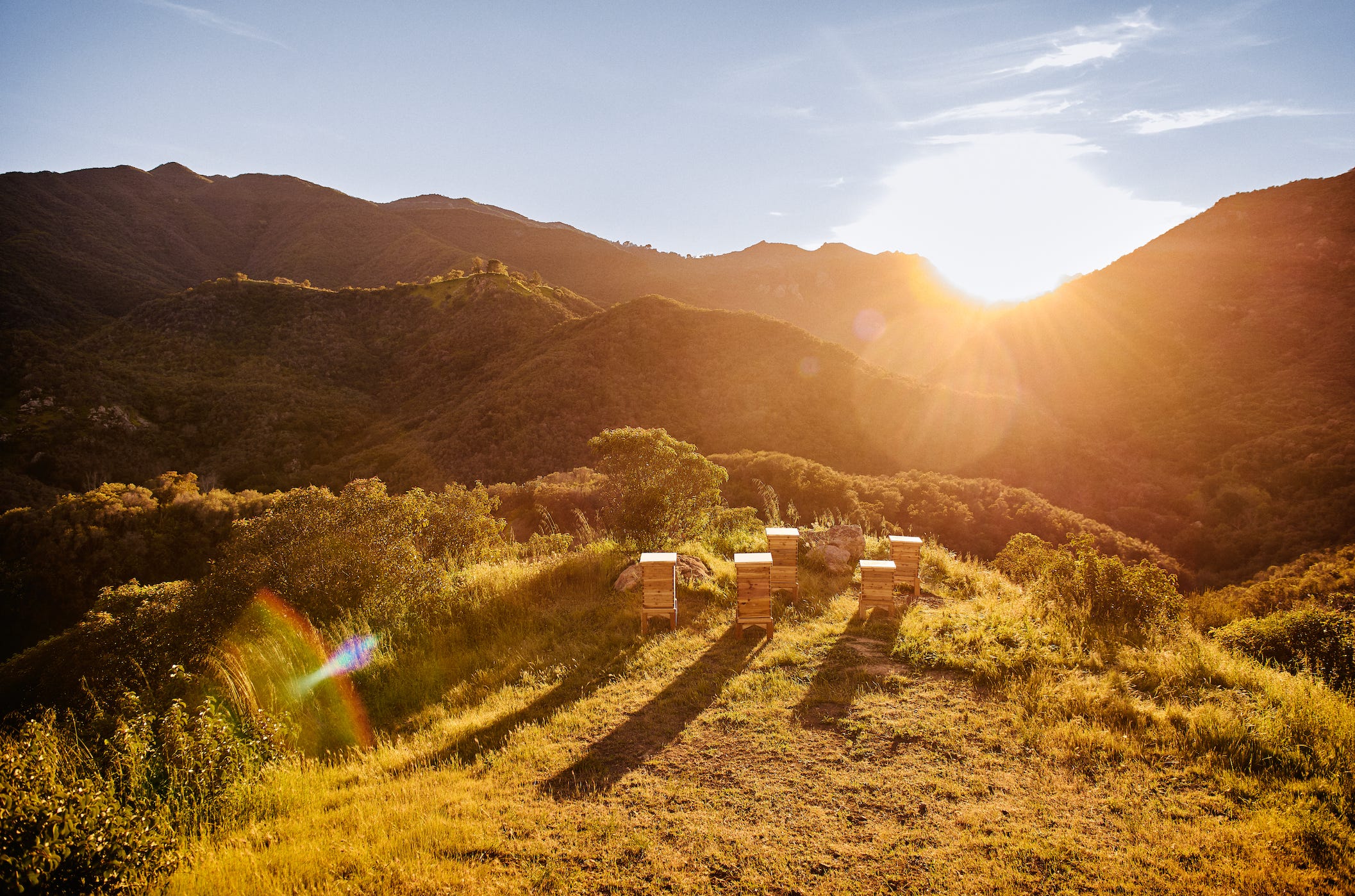
Pesticides weaken bees’ immune systems and interfere with their ability to navigate, forage, reproduce, and maintain healthy colonies. I’ve written extensively about the EPA’s ongoing approval of harmful pesticides including PFAS-containing chemicals and drift-prone herbicides like dicamba. As a beekeeper, I’ve seen the damage firsthand. The bees in our sustainable apiaries are thriving because we keep them away from pesticide exposure. Most bees aren’t so lucky.
Habitat Loss
Just as devastating, and less talked about. Urbanization, monoculture farming, and even well-meaning landscaping reduce the diversity of plants bees rely on. Without that diversity, bees aren’t getting the nutrients they need to build resilience against everything else coming at them.
A critical fact most people don’t know: about 70% of native bee species nest underground, not in hives. When we pave over land, cover everything in thick mulch, or maintain perfectly manicured lawns, we’re eliminating their homes.
Climate Change
Disrupts blooming cycles and reduces reliable food sources. When the flowers bees depend on bloom earlier or later than expected, or not at all, entire colonies lose access to the nutrition they need at critical moments.
Parasites and Disease
Especially Varroa mites, which weaken colonies from the inside. This is the stressor beekeepers deal with most directly. But bees with access to good nutrition and healthy environments can tolerate these pressures much better than bees that are already compromised.
None of these threats exist in isolation. It’s the interaction between them that’s doing the real damage. A bee colony dealing with Varroa mites in a landscape full of diverse flowers stands a fighting chance. A colony dealing with Varroa mites and pesticide exposure and poor nutrition in a monoculture environment can lead to colony collapse.
What You Can Actually Do
If you strip it back, a few things consistently make the biggest difference. And some of them are surprisingly simple.
1. Plant A Pollinator Friendly Garden
If you do one thing, make it this. Even a small space in an urban environment can support pollinators. The fastest way to help bees isn’t eliminating every possible threat. It’s giving them better food, more flowers, more diversity, and more consistent bloom across seasons.
How to start:
Choose native, regionally appropriate plants
Aim for blooms from early spring through late fall
Mix it up! Bees and other pollinators thrive on diversity, and different species need different flower shapes and sizes
Best flowers for bees by season:
Spring: crocus, lavender, bluebells
Summer: sunflowers, bee balm, borage
Fall: asters, goldenrod, sedum
Find your region’s best plants:
The Pollinator Partnership has regional guides and a zip code lookup tool so you can find exactly which flowers and plants are best suited to where you live.
For community spaces:
If you garden in a community garden or public park, the Xerces Society will give you a pollinator habitat kit with the supplies you need to get started.
2. Create Habitat, Not Just Gardens
This doesn’t have to be complicated. Even one of these will make an impact.
Place a shallow dish with stones so bees can land safely and drink
Leave small wild areas or install bee hotels for solitary bees
Leave some ground bare, since 70% of native bees nest underground and need open, sunny, well-drained soil to build their homes (if you have to mulch, use a thin layer of compost or leaves instead of wood bark)
When flowers are done blooming, leave the stems standing — cavity-nesting bees like mason bees lay their eggs inside hollow stems, and in spring you can trim to 8–24 inches to create nesting habitat
Skip excessive paving wherever possible
3. Ditch the Pesticides on Your Property
Don’t spray weedkiller on your lawn.
Don’t spray for mosquitoes (the Xerces Society has great alternatives for mosquito management at home). If you absolutely have to use a pesticide, choose a targeted organic product and never spray while flowers are blooming or directly onto soil.
Healthy native plants rarely need pesticides in the first place.
4. Stand Up to Big Ag
Pesticide companies have the power and influence to sway policy in their favor. We’ve seen it happen over and over. But public pressure works.
Stay informed:
Beyond Pesticides is the best resource for staying up to date on pesticide legislation. They have an “Actions Of the Week” feature where they ask you to do one thing each week, often tied to specific legislation. Sign up here to get updates directly to your inbox.
Vote for change:
Local and national elections shape environmental and agricultural policy more than most people realize. Understanding candidates’ positions on pollinator protection and pesticide regulation matters.
5. Eat Organic When You Can
This limits your own pesticide exposure and it’s a way to vote with your dollar. For many people, eating fully organic isn’t always accessible, so a practical place to start is with the most contaminated produce.
EWG’s Shopper’s Guide highlights both the most and least contaminated produce to guide your organic shopping
Look for Bee Better Certified products, which meet pollinator-friendly farming standards
6. Support Pollinator Research
A lot of what we know about bees comes from places like UC Davis. And a lot of what we don’t know yet still needs funding.
The UC Davis E. L. Niño Bee Lab conducts some of the most influential research in the world on pollinator health, ecosystems, and pesticide impacts.
You can give to the lab directly or you can purchase Beekeeper’s Naturals merch. 100% of our merch proceeds go to supporting the lab’s research.
7. Educate the Next Generation
Pollinator education builds long-term environmental stewardship. Start pollinator gardens at your kid’s school. Talk to your kids about why bees matter. Support pollinator literacy programs. The Bee Cause Project provides grants to set up educational bee habitats in schools.
Some Closing Inspo
Saving the bees isn’t about any single issue. It’s about how multiple pressures stack together and degrade the system that pollinators depend on.
Bees are far more resilient when they have access to diverse, high-quality forage and stable environments. They’re far more vulnerable when those systems fall apart.
The most effective solutions don’t focus on just one lever. They improve the overall conditions bees are living in. Every single one of us can do something about that, starting in our own backyards. Literally.
Comments
Nothing yet. Say the first thing.
Sign in to join the conversation.