Religion, Recovery, and the Problems of Wellness: Q&A with Liz Bucar
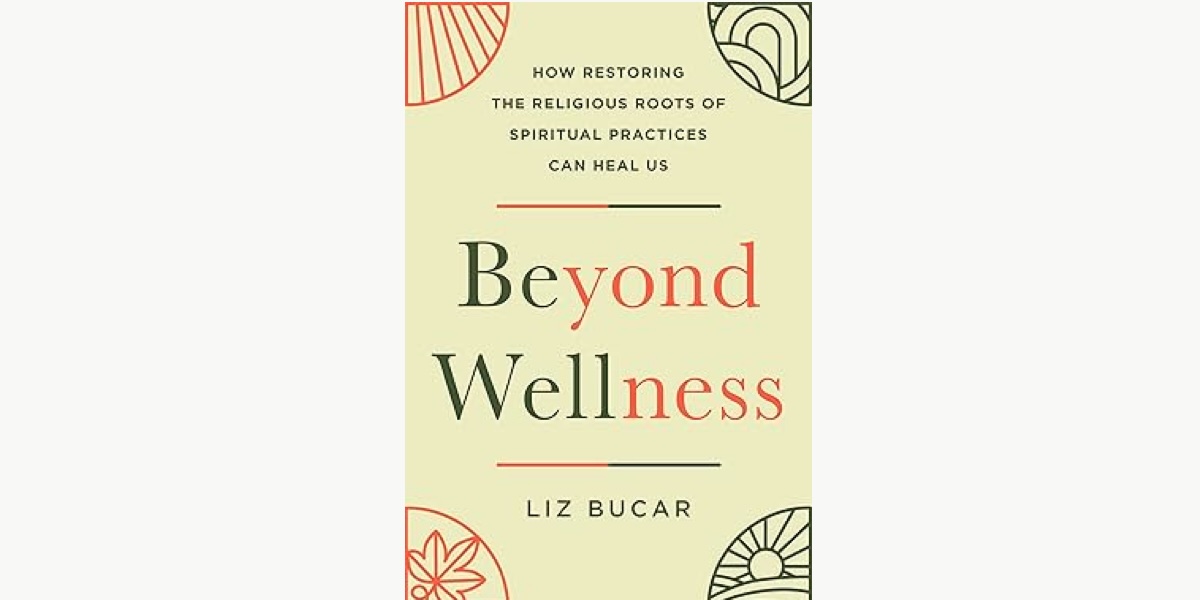
On her new book, Beyond Wellness

A psychiatrist in recovery explores the addictions in all of us, integrating science, philosophy, and the art of flourishing in recovery. Columbia University bioethicist, author of THE URGE: OUR HISTORY OF ADDICTION, a New Yorker Best Book of 2022.
Subscribe:.rss.atom.json.md.m3u.pls
Live Last read · last published · next check
Saves to your Listen queue, to pick up on another day or another device.
On her new book, Beyond Wellness
"When we say we're gonna do something and then we do it, there's an internal feeling of alignment that feels good."
Recent interviews, some news, and a request
"It's inconceivable there can be just a single chemical that mediates all the effects of what addicted drugs have. That was so patently daft."
Watch now | A conversation with neuroscientist Tim Requarth on AI dependency, cognitive shortcuts, and what AI is doing to our brains
How psychiatric diagnosis got so powerful, and why diagnosis matters. A response to Aftab.
Or, how to get to write a book
"The poison is still more accessible than the treatment."
What behavioral addictions teach us about losing control. Is the whole field on shaky ground? We often think of addiction as something you either have or don't have—but what if that binary is the problem?
"Wise effort won't get rid of your problems—it's how you relate to them that matters most."
A new brain-based approach to overcoming problematic behaviors and addictions
"I’ve never found a case where I was taking something personally and wasn’t suffering."
Self-control and everyday addictions, emotional sobriety, and more
"One cannot have a complete theory of addiction without incorporating the addict’s experience. Listen carefully to what addicts say about what it is like to be an addict."
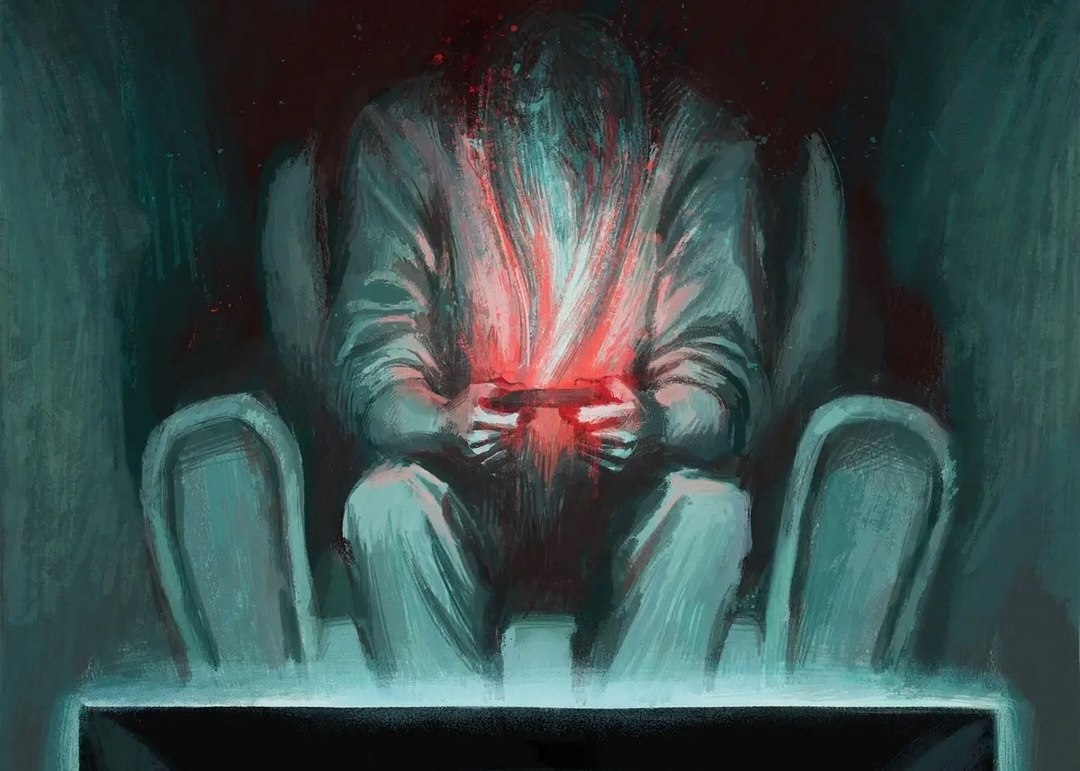
trying not to doomscroll and snack my way to misery. doing the things that wisdom dictates instead.
What’s different now isn’t the underlying susceptibility, it’s that technology and concentrated commercial power have made these vulnerabilities impossible to ignore.
The biomechanical disease folks are right that there is a there there, that when people with addiction say they feel powerless, we should take them (us) seriously. The choice folks are right that even in severe cases of addiction, we are not choiceless zombies but retain some human agency.
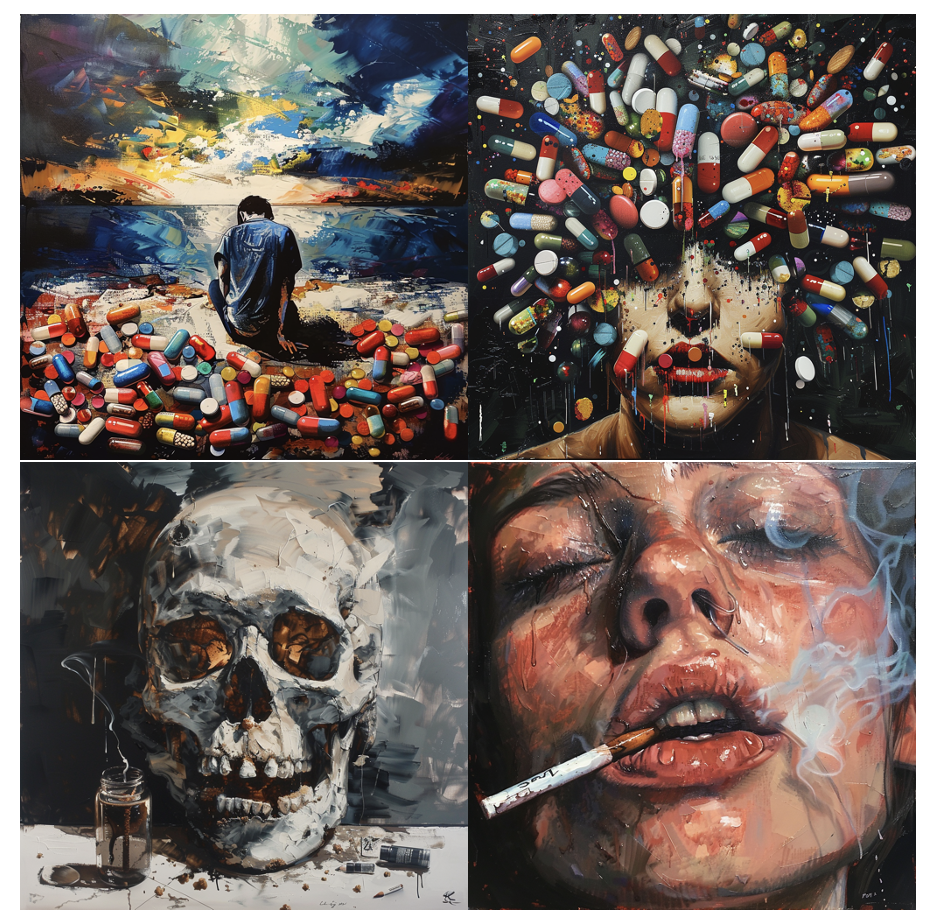
Our paper in BMJ Mental Health: AI-generated imagery often amplifies harmful stereotypes about mental disorders. How models like DALL-E 3 and Midjourney shape public perceptions of mental illness
The next hellsites. What makes us stay online. Bluesky. The allure of simplicity and the inexorable pull toward complex design features eroding our self-control.
"Without question, the biggest barrier I see ahead of us is politics. In such a polarized moment, addiction is a rare subject on which most of us agree."