
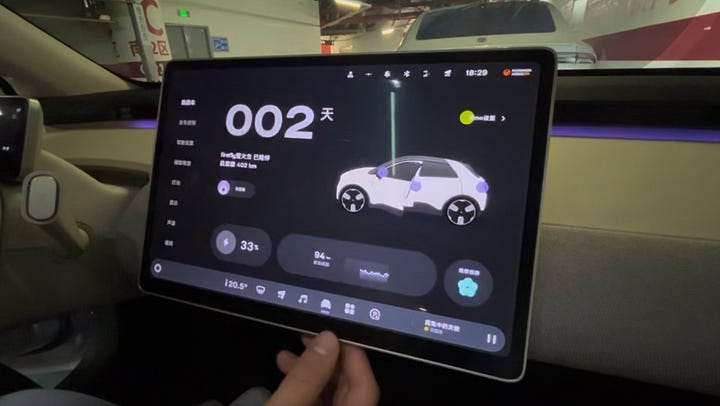
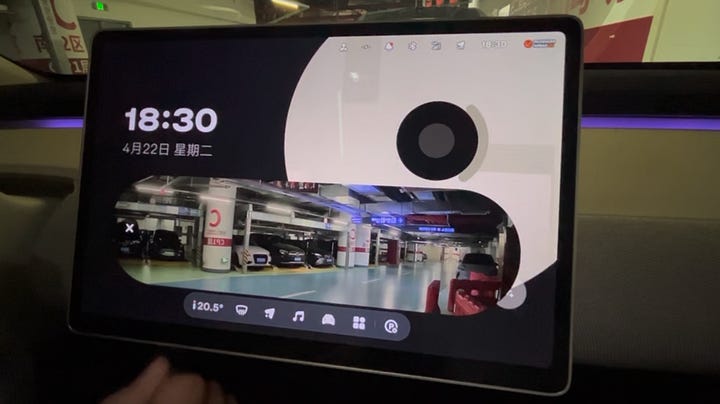
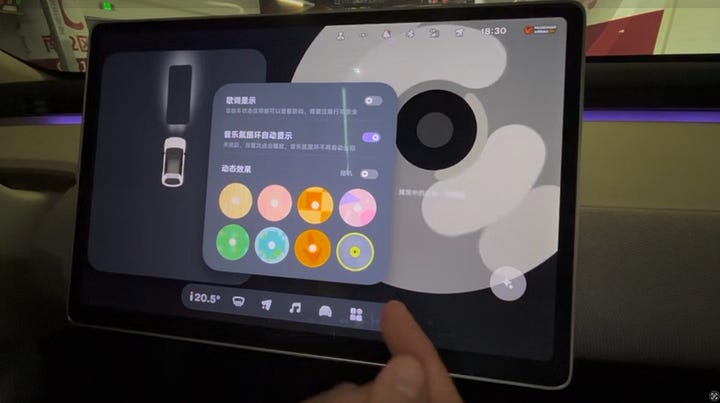
CDR are in Shanghai this week, catching up with our team here, visiting clients and attending the Shanghai Auto Show. Earlier in the week we got our first hands on look at the Firefly EV, a new mainstream offer from Nio. One thing that really stood out was the quality and refinement of the UX, which offers a strong feature set delivered in a distinct and polished design.
Chinese car design has always been about speed. Brands like Xpeng, Nio, and Li Auto have found commercial success in introducing new digital features on very short cycles — Over-The-Air (OTA) updates often land on a weekly basis, impressing a tech-hungry customer base, and outpacing legacy OEMs.
But something is changing. Right now the most compelling UX narratives coming out of China are less about how fast new features arrive, and more about how deeply considered they are. Increasingly, Chinese brands are emphasising the refinement and consistency — the polish — of their in-car UX, and are even bragging about how long they’ve taken to refine it.
This shift towards quality and not just speed reflects both a maturing market and changing user expectations. As novelty fatigue sets in for many people in China — and trust, reliability and long-term quality become more valued — speed is no longer the only currency that matters. And, in response to this, leading brands are now taking their time to design something meaningfully better.
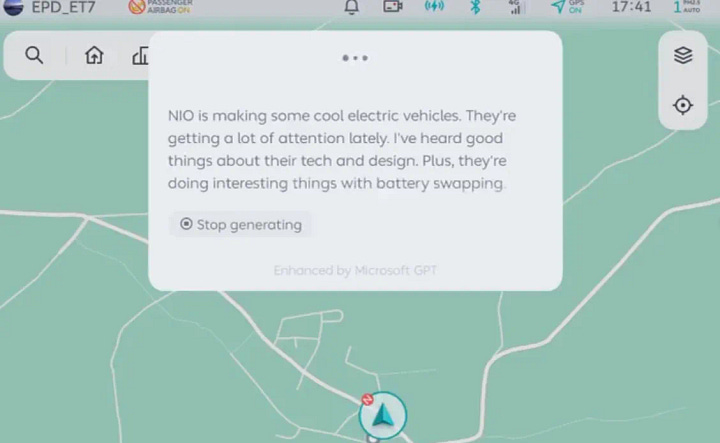
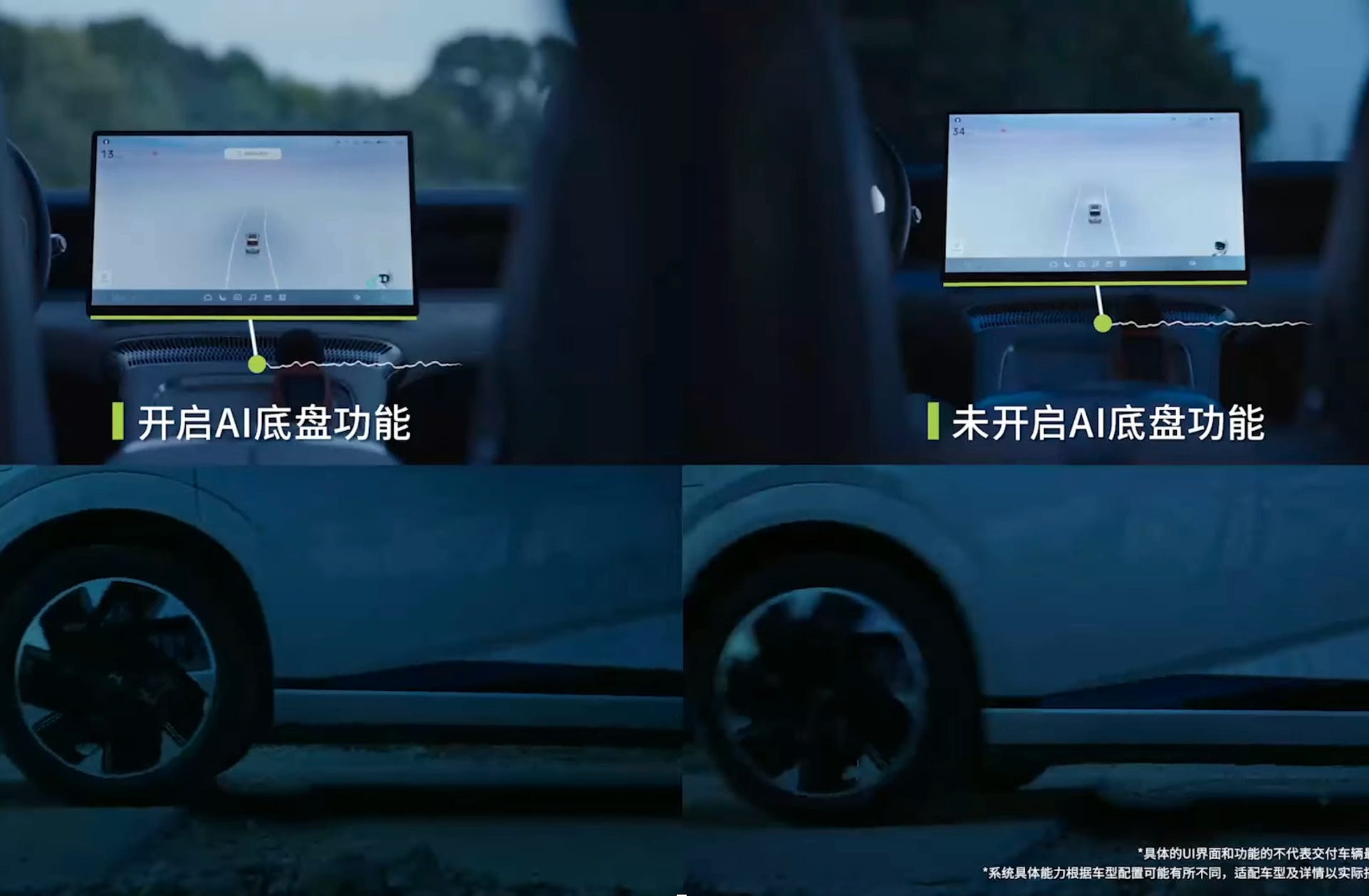
Nio once moved fast but is now moving more slowly — the ET9 flagship introduces a new HMI architecture, a fast-reacting SkyRide Active Suspension, and rear-lift safety features which still speak to technical innovation, but much of the brand’s recent UX messaging has been about being high quality and being polished. Its new NOMI GPT AI Panel doesn’t just feel new but is designed with greater transparency in its AI-driven interaction, visualisation of GPT-generated responses in real time, and with fluid and intuitive UI that clearly shows a depth of design consideration. This takes time — the ET9 was announced at the end of 2023 and deliveries will only begin later this year, which is slow for China.
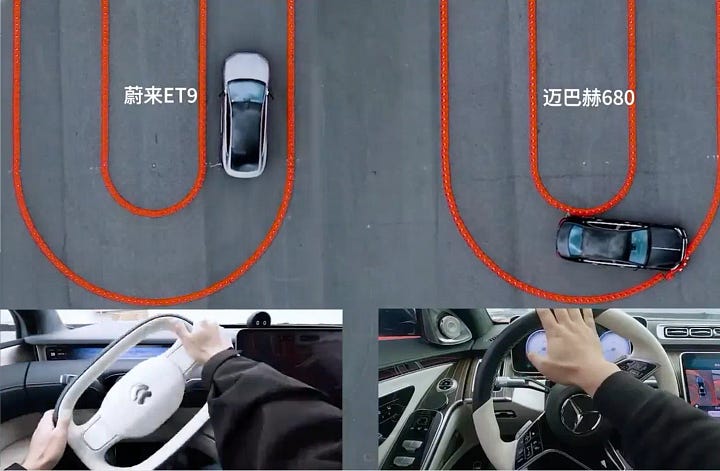
At Xpeng a similar narrative is unfolding. The brand’s AI Day showcased not only feature innovation, but also user-centred improvements in ride comfort and interaction stability.
Likewise, Geely’s G-Pilot ADAS system is being positioned not just as technically advanced, but as trustworthy, a word rarely associated with experimental software-first experiences typical of the region.

In parallel, Chinese brands are starting to benchmark themselves against the long-standing European leaders in Perceived Quality (PQ) and the message is clear: it’s no longer enough to be fast and loud, they also need to be mature and confident enough to slow down and deliver on quality, to be polished.
For brands competing in Chinese premium or upper mainstream segments, being perceived as a technological leader is still important — and western brands are both lagging their Chinese BEV rivals and wildly seen to be lagging. But as Chinese consumer expectations and market leaders shift to be more about polish and long-term value, so the goal-posts are moving. And this is absolutely critical for brands outside of China to be aware because quality not speed has until now been the only battle that can be won.
No posts
Comments
Nothing yet. Say the first thing.
Sign in to join the conversation.