
We monitor hundreds of sources every week and deliver the most important carbon removal developments in one curated briefing. If these updates save you time each week, please consider becoming a paid subscriber to support the work.
Get 20% off a group subscription

1. Abstract
2. Commercial News
3. Research Papers
4. Web Posts
5. Reports
6. Upcoming Events
7. Job Opportunities
8. YouTube Videos
9. Deadlines
ABSTRACT
This week’s Carbon Removal Updates captured significant movement across CDR funding, procurement, project deployment and research. Commercially, Google announced more than $6 million in 2026 R&D awards for CDR and superpollutant elimination; Carbon to Sea opened two OAE research calls worth up to $6 million; and VodafoneThree launched procurement for 24,000 tonnes of UK-based CDR.
New projects included Sequest’s 1,000-tonne Horizon facility in Saudi Arabia; CO2-Sync’s biochar facility in Utah targeting more than 2,000 tonnes of annual biochar output; Holcim and 44.01’s continuous cement-sector carbon capture and mineralization project in the UAE; and Valorify’s progress toward Asia-Pacific BECCS credits.
The week also brought contrasting commercial signals, with Chevron withdrawing from a proposed $500 million DAC project in California; Microsoft reportedly cutting carbon removal purchases by 80% amid its AI-driven capital and energy demands; and Indo-Danish CDR company MASH Makes filing for bankruptcy.
Research covered the environmental realism of ocean alkalinity enhancement experiments; Germany’s potential for approximately 110 MtCO₂ of annual bio-based CDR by 2050; delayed recovery of Arctic ocean acidification even under negative emissions; and a sharp weakening of the global land carbon sink during the 2023–24 El Niño.
Additional studies advanced electrochemical marine CO₂ removal, geological storage in mafic rocks, biochar-enhanced weathering, bioleaching for carbon mineralization, forest and soil carbon accounting, and strategies for addressing residual urban emissions.
The edition also highlights developments in CDR standards and market integrity, including approval of Isometric’s agroforestry protocol, alongside new funding opportunities, policy initiatives, events and 582+ job openings across the sector.
Read on to unpack more updates from past week:
Google launched its 2026 Carbon Removal and Superpollutant Elimination R&D Awards, offering over $6 million in grants, with individual awards up to $450,000. Deadline: 25 September 2026 (Google)
VodafoneThree launched an RFP via Abatable seeking 24,000 tonnes of CDR from nature-based and engineered projects in the UK (Abatable)
Carbon to Sea launched two 2026 funding calls totaling up to $6 million for Ocean Alkalinity Enhancement research. Pre-proposal deadline: 30 September 2026 (Carbon to Sea)
Isometric and SDI Biocarbon Solutions partnered to develop biochar-based carbon removal projects using steel mill waste (Isometric)
Sequest unveiled its first Horizon facility in Saudi Arabia, targeting 1,000 tonnes of net CO₂ removal by storing agricultural waste in hyper-arid conditions. The approach passed Puro.earth’s Preliminary Assessment (Sequest)
Indian biochar startup Ground Up secured a pre-purchase agreement with CDR accelerator remove (LinkedIn)
Holcim UAE and Oman and 44.01 launched the UAE’s first continuous carbon capture and underground mineralization project for cement production in Fujairah (Gasworld)
Isometric’s Agroforestry Protocol has been approved by the Integrity Council for the Voluntary Carbon Market to issue certificates with the Core Carbon Principles label (Isometric)
CO2-Sync launched its CF-1000 biochar plant in Utah, processing 8,000–10,000 tonnes of biomass annually to produce over 2,000 tonnes of biochar alongside clean power and heat (ETV News)
Germany’s environmental ministry launched a stakeholder consultation on a nature-based climate protection programme covering carbon removal, peatlands and forests (Table Media)
Chevron withdrew from a proposed $500 million DAC project in Kern County, California, citing delays and uncertainty over federal funding (Bakersfield)
The City of Rotterdam awarded Paebbl an €805,000 grant under Kansen voor West, co-financed by the EU (LinkedIn)
Valorify has completed pre-assessment with CO2CRC for its BECCS project, positioning it to develop Asia-Pacific’s first BECCS credits for voluntary CDR trading on Puro.earth (LinkedIn)
Lethal by Design? Resolving Differences Between Experimental and Real-World Alkalinity Perturbations in Ocean Alkalinity Enhancement
Authors: Lennart T. Bach, Michael D. Tyka, Bin Wang, Katja Fennel
Synopsis: Using dilution equations and regional and global ocean models, this study assesses the magnitude and duration of total alkalinity (ΔTA) changes that marine organisms could realistically experience under OAE. It finds that extreme perturbations above 1,000 μmol kg⁻¹, common in experiments, occur only briefly and across a very small fraction of affected seawater. In contrast, ΔTA of 1–100 μmol kg⁻¹ is widespread under realistic OAE conditions but is less studied. The findings highlight the need to better contextualize experimental ΔTA levels to avoid overstating environmental impacts.
Unleashing the combined potential of bio-based carbon dioxide removal in Germany’s path to net zero from the bioenergy system perspective
Authors: Mohammad Sadr, Danial Esmaeili Aliabadi, Matthias Jordan, Ronja Wollnik, Daniela Thrän
Synopsis: Using a comprehensive regional modeling approach, this study evaluates the cost-effective deployment of bio-based CDR across Germany to support its 2045 net-zero target and subsequent net-negative emissions. The analysis integrates techno-economic and regional conditions across energy and non-energy sectors, focusing on technical and natural carbon sinks within the BENOPTex model. Results show that co-deploying both sink types could increase overall CDR potential by at least 50% while reducing removal costs, reaching approximately 110 Mt CO₂ annually by 2050.
Persistence of Arctic Ocean acidification under negative emissions
Authors: Eike E. Köhn, Lester Kwiatkowski, Juliette Mignot, Guillaume Gastineau, Olivier Torres & James C. Orr
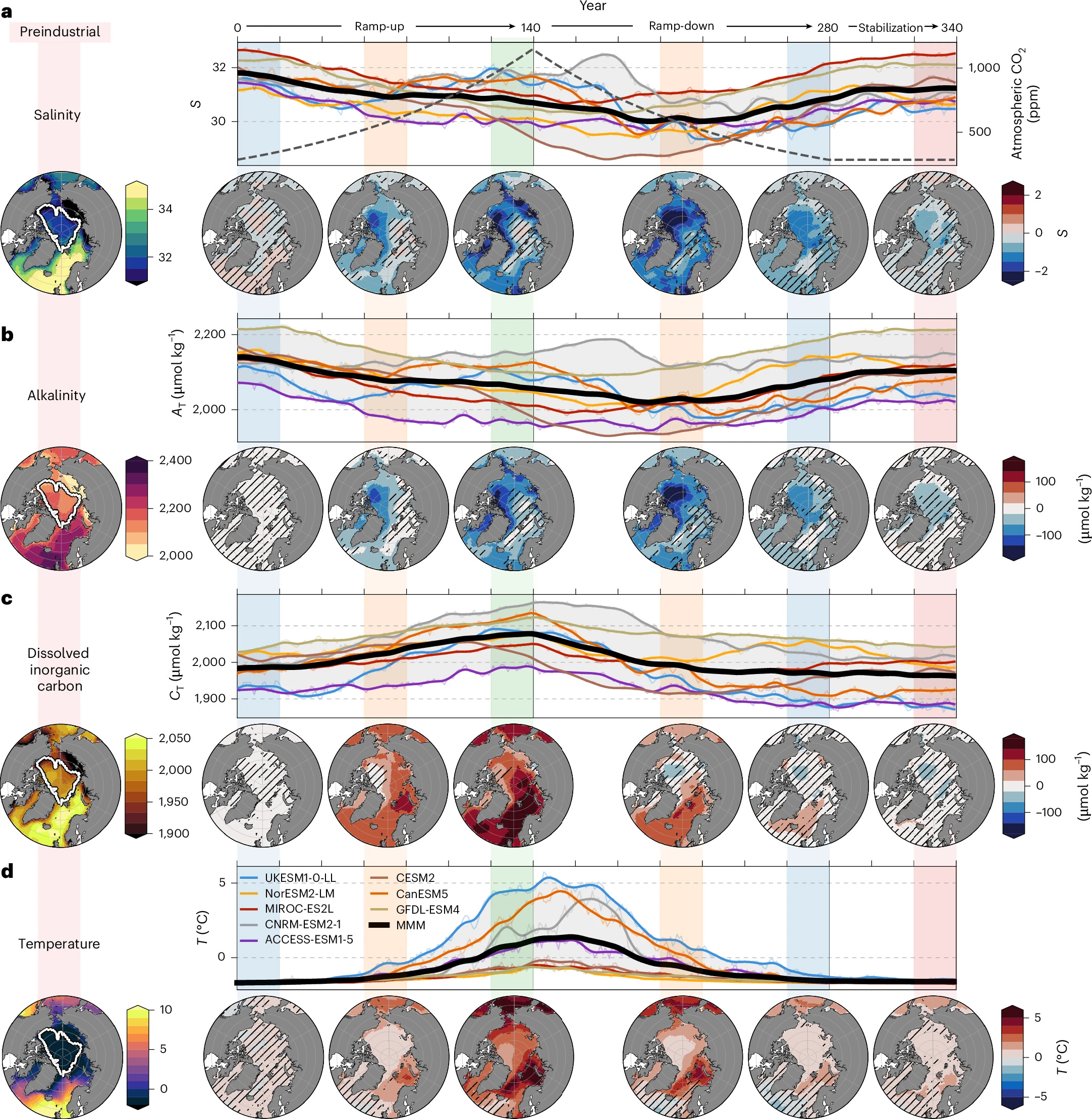
Synopsis: Examining how declining atmospheric CO₂ could affect ocean acidification, this study analyzes eight Earth system models under scenarios of rising and subsequently falling CO₂ concentrations. The Arctic emerges as a hotspot of delayed recovery, with surface waters remaining more acidic and aragonite-corrosive conditions persisting until atmospheric CO₂ falls about 120 ppm below the level at which acidification initially occurred. This hysteresis is linked to changes in dissolved inorganic carbon and sea-ice-mediated air–sea gas exchange, indicating that the Arctic may experience delayed benefits from negative emissions.
Assessing stand development controls on carbon sequestration and carbon credit value in tropical introduced teak plantation
Authors: John Oluwafemi Ayoola, Babatunde Oluseyi Ajiboye, Abraham Olanrewaju Opanike, Fahim Arshad, Shiekh Marifatul Haq, et al.
Synopsis: Evaluating the climate mitigation and economic potential of introduced teak plantations in Nigeria, this study examines changes in stand structure, biomass, carbon stocks, and carbon credit value across plantations aged 12 to 23 years. Older plantations showed larger tree dimensions, greater basal area and biomass, and higher aboveground carbon stocks, which increased from 30.21 to 47.47 Mg C ha⁻¹. Carbon sequestration potential rose from 158.90 to 236.42 Mg CO₂e ha⁻¹, while estimated carbon credit values increased from US$3,178 to US$4,752, highlighting the potential of teak plantations as carbon sinks.
A Compact Hollow Fiber Electrode Assembly Architecture for Continuous Electrochemical Marine Carbon Dioxide Removal
Authors: Inhwan Park, Young Hun Lee, Jung Hun Lee, Seung-Jeong Oh, T. Alan Hatton, Dong-Yeun Koh
Synopsis: Introducing a compact membrane-integrated hollow fiber electrode architecture, this study addresses key barriers to electrochemical direct ocean capture (e-DOC), including limited electrode interfaces, high Ohmic losses, complex reactor designs, and mineral fouling. The macroporous stainless-steel hollow fibers provide high electrochemically active surface area and mechanical durability, while the coaxial configuration reduces ionic transport distances and enables efficient hydroxide generation. The system achieves over 85% dissolved inorganic carbon removal and stable continuous operation for more than 100 hours, demonstrating potential for scalable ocean decarbonization.
Low latency global carbon budget reveals land sink decline during 2023 to 2024 El Niño
Authors: Piyu Ke, Philippe Ciais, Yitong Yao, Stephen Sitch, Wei Li, Yidi Xu, et al.
Synopsis: Highlighting the impact of El Niño droughts on the global carbon cycle, this study updates the low-latency global CO₂ budget through June 2024 using fossil-emission data, vegetation models, ocean carbon emulators, and atmospheric inversions. Atmospheric CO₂ growth reached 3.66 ± 0.09 ppm yr⁻¹, the highest July-to-July rate since 1979. The increase was primarily driven by a 2.24 GtC yr⁻¹ weakening of the land carbon sink, with 97.5% of the land anomaly occurring in the tropics.
Empirical insights into residual emissions in urban net-zero targets
Authors: Giulia Ulpiani, Quirina Rodriguez Mendez, Valeria Todeschi, Gema Hernandez Moral, Nadja Vetters, Marco Pittalis, Sabine Fuss, Christiaan Gevers Deynoot & Felix Creutzig
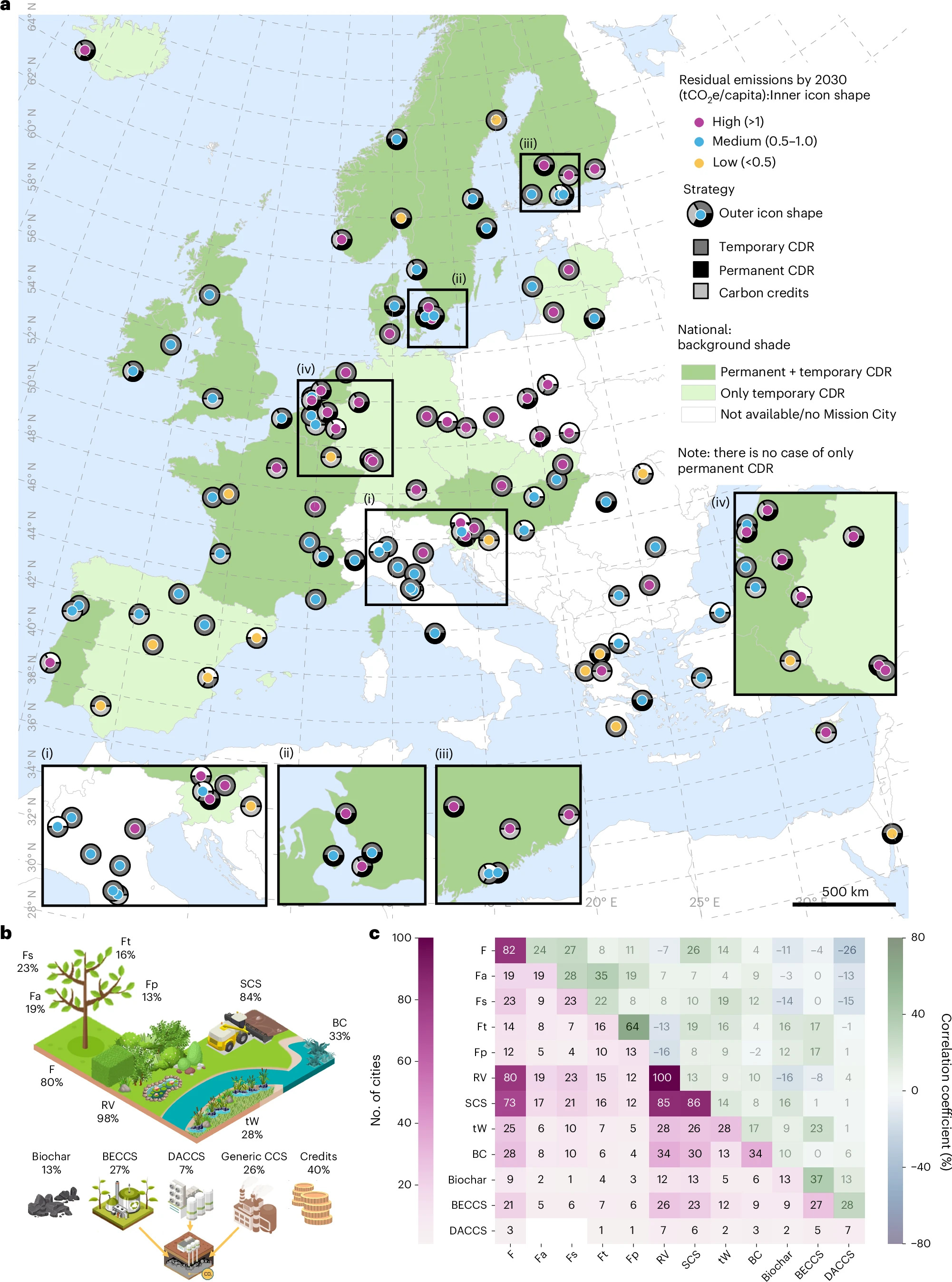
Synopsis: Assessing the residual emissions strategies of 103 European cities targeting net zero by 2030, this study finds that they collectively face 61.4 MtCO₂e of residual emissions, primarily from buildings and transport. All cities rely on temporary land-based carbon removal, while 40% use carbon credits and 32% permanent removals. A newly developed residual emissions strategy robustness index indicates medium-low maturity and significant geographic disparities. The study identifies gaps in land availability, urban carbon sinks, reversal safeguards, monitoring, timing, and emissions quantification, and proposes recommendations for improving city-level residual emissions strategies.
Electrochemically Driven Sorbent-Mediated Recovery of CO2 in Marine Inorganic Carbon Extraction Processes
Authors: Michael P. Nitzsche; Michael Massen-Hane; Annlin Su; Kripa K. Varanasi; T. Alan Hatton
Synopsis: Focusing on the energy- and capital-intensive CO₂ stripping stage of pH-swing marine carbon dioxide removal (mCDR), this study develops an alternative sorbent-mediated approach for concentrating CO₂ from seawater. The framework includes an electrochemically mediated implementation designed to avoid the indiscriminate removal of dissolved oxygen associated with vacuum stripping. Through experimental demonstration and comparative technoeconomic and energy assessments, the study finds that sorbent-mediated extraction could provide a viable alternative to existing vacuum-based processes.
Forest canopy decline under elevated CO2 during the Paleocene-Eocene Thermal Maximum
Authors: Regan E. Dunn, Marieke Dechesne, Brady Z. Foreman, Keifer Nace, Jenna M. West ll, and Ellen D. Currano
Synopsis: Using the Paleocene-Eocene Thermal Maximum (PETM) as an analog for rapid anthropogenic warming, this study reconstructs forest canopy density and vegetation composition in Wyoming approximately 56 million years ago. A new leaf area index proxy and palynomorph analysis reveal abrupt canopy opening, increased landscape erosion, and a shift from broad-leaved angiosperms toward fern- and palm-dominated ecosystems. Regional evidence suggests that large-scale vegetation changes can destabilize landscapes and potentially influence long-term hydrological and carbon-cycle feedbacks under rapid warming.
Feasible geological carbon dioxide storage projections require updated cost and geological potential assumptions
Authors: Iain de Jonge-Anderson, Gareth Johnson, Anne Merfort, Jessica Strefler, Catrin Harris & Jennifer J. Roberts
Synopsis: Assessing the feasibility of carbon dioxide geological storage in climate mitigation pathways, this study examines how six leading detailed-process Integrated Assessment Models (IAMs) represent deployment constraints. The models primarily rely on datasets covering annual storage rates, costs, and geological storage potential, with recent updates largely improving assumptions about annual deployment rates. However, cost and storage potential estimates remain based on outdated literature. The study calls for updated, IAM-ready datasets to strengthen confidence in geological storage projections and improve transparency around model assumptions.
Aboveground Carbon Stocks and Soil Carbon Pools in Sub-Mediterranean Ecosystems of the Black Sea Coast of Russia: A Descriptive Case Study of Two Contrasting Plots
Authors: Sergey N. Gorbov, Nikita V. Shevchenko, et al.
Synopsis: Providing an exploratory assessment of ecosystem carbon stocks on Russia’s northeastern Black Sea coast, this study compares aboveground biomass carbon in a terraced pine–oak plantation and a natural pubescent-oak shiblyak. The plantation stored substantially more aboveground carbon (64.1 t C ha⁻¹) than the natural community (16.1 t C ha⁻¹), with woody biomass dominating the plantation and litter and herbaceous vegetation contributing more in the shiblyak. Combined with previously reported soil carbon data, the findings establish a baseline for future spatially replicated studies of sub-Mediterranean ecosystem carbon dynamics.
Carbon dioxide storage in mafic reservoir rocks in Sweden: Controls on dissolution and carbonation during early water-rock interaction
Authors: Emelie Crafoord, Ayanne de Oliveira Maciel, Christina Wanhainen, Paul Christakopoulos, Ulrika Rova, Glenn Bark, Io Antonopoulou
Synopsis: Focusing on mafic rocks from potential Swedish subsurface CO₂ storage reservoirs, this study evaluates their early-stage dissolution and carbon mineralization potential. Batch experiments show that dolerite releases the most elements, followed by gabbro and metabasalt, with dissolution controlled by different reactive mineral phases. Carbonation experiments confirm the formation of secondary carbon-bearing phases, including Mg-, Fe-, and Ca-carbonates. The findings indicate favorable mineralization potential, while emphasizing that mineral reactivity, alteration, fracture networks, permeability, and subsurface conditions will determine successful CO₂ storage.
The hydrogen puzzle in rock-enhanced biochar: Pyrogenic coating, mineral redox and pore accessibility
Authors: Johannes Meyer zu Drewer, Tobias Bromm, Thomas D. Bucheli, Pellegrino Conte, José María de la Rosa, Harald Fitzek, et al.
Synopsis: Investigating rock-enhanced biochars as a combined carbon dioxide removal approach, this study examines how co-pyrolyzing basanite rock powder with wood affects biochar properties and mineral chemistry. Six RE-biochars with varying rock contents were produced at 450°C and 750°C and analyzed using multiple techniques. Results show that co-pyrolysis generally has limited effects on carbon yield and aromaticity but alters mineral speciation and elemental distribution. High rock content also affects hydrogen content, thermal stability, and analytical measurements, offering insights for designing functionalized biochars for enhanced rock weathering.
Fifteen-year stability of soil organic carbon in Pampas agroecosystems: evidence from georeferenced paired-site resampling using equivalent soil mass
Authors: Gonzalo Berhongaray & Roberto Alvarez
Synopsis: Reassessing soil organic carbon (SOC) trends in Argentina’s Pampas Region, this study compares georeferenced soil samples from 40 agricultural sites surveyed in 2007 and resampled in 2023. Using consistent sampling and analytical methods, the researchers find no significant change in SOC stocks over the approximately 15-year period. The results suggest that historical SOC depletion has slowed or stabilized, potentially reflecting the adoption of no-till farming, higher productivity, and diversified crop–pasture rotations. Continued monitoring is needed to determine whether this stabilization will lead to sustained carbon gains.
Bioleaching of olivine and enstatite with formation of Mg-oxalate mediated by engineered Gluconobacter oxydans
Authors: Jacob D. Klug, Luke Plante, James L. Adair, Alia Almansoori, Joseph J. Lee, Stephanie Murillo Maikut, Buz Barstow & Esteban Gazel
Synopsis: Investigating bioleaching as a pathway for carbon mineralization, this study tests a genetically engineered Gluconobacter oxydans strain for simultaneously removing CO₂ and recovering critical elements from ultramafic rocks. The bacterium enhances mineral dissolution and promotes magnesium oxalate formation, which has greater carbon storage capacity than magnesite. Experiments show that up to 75% of magnesium can be leached, although only 11% contributes to carbon sequestration after 15 days. The findings highlight the potential of combining carbon storage with critical-element recovery to improve economic viability.
Moving fast without breaking things: The benefits of preprinting for CDR research - Preprint
Authors: Tyler Kukla , Chris Allen
Synopsis: Rather than focusing primarily on individual benefits such as increased feedback, citations, and visibility, this perspective highlights preprinting as a tool for strengthening scientific coordination. It argues that improved coordination is particularly valuable for the carbon dioxide removal field, which must advance rapidly while maintaining scientific rigor.
Beyond biomass: rethinking forest carbon credits for credible climate finance in India
Authors: Rajendra Kumar Joshi, Satish Chandra Garkoti
Synopsis: Assessing forest carbon accounting and crediting practices in India, this study highlights the underrepresentation of soil organic carbon and microbial processes, which account for an estimated 30–50% of total forest carbon. Their exclusion can undervalue more durable carbon stocks and contribute to over-crediting transient biomass. Spatial analysis shows that tropical wet evergreen, montane temperate, and alpine forests have particularly high carbon finance potential. The study proposes integrating belowground carbon, permanence-weighted valuation, and ecosystem-based approaches to improve the integrity of forest carbon markets.
Cadmium enhances biochar-based carbon sequestration in soils via cation bridging and microbial toxicity
Authors: Huayue Nie, Chang Shen, Xuliang Han, Zikai Lai, Mingwei Chen, Chenxiao Hu, Lanfang Han
Synopsis: Using a 60-day incubation experiment with δ¹³C isotopic tracing, this study investigates how cadmium (Cd) contamination influences carbon sequestration in biochar-amended soils. Cd was found to enhance carbon retention by suppressing the mineralization of both biochar and native soil organic carbon. The mechanisms involved increased macroaggregate formation, stronger adsorption of dissolved organic carbon through cation bridging, and reduced microbial biomass due to Cd toxicity. These interacting effects suggest that Cd contamination can unexpectedly increase biochar-based carbon sequestration in polluted soils.
Microsoft Cuts Purchases of Carbon Removals by 80% Amid AI Push (Bloomberg)
Uncertainty Plagues US DAC Sector as Players Shift Strategy (Energy Intelligence)
IPCC - Authors of IPCC’s 2027 Methodology Report on Carbon Dioxide Removal Technologies, Carbon Capture, Utilization, and Storage gather in Mexico City to advance the report’s draft (IPCC)
Indo-Danish CDR company MASH Makes has filed for bankruptcy (LinkedIn)
CDR MONTHLY: Record BECCS deal drives surge in July carbon removal offtakes (Carbon Pulse)
How cement plants can remove CO₂ from the atmosphere (ETH Zurich)
Exclusive: Ucaneo CEO outlines next steps after opening Germany’s largest DAC facility (Gas World)
Scientists found the sweet spot for dumping iron into the ocean (Anthropocene)
Climate Impact Partners: Long-Term Vision on Carbon Removals (Sustainability Magazine)
Paleontologists reconstruct forests of 56 million years ago with chilling parallels for our warming planet (Phys.Org)
EU cities plan to compensate for a fifth of their emissions through carbon removal, but few have thought through how (Phys.Org)
The rise of environmental attribute certificates (Carbon Based Commentary)
Closing the €20 billion funding gap (Isometric)
Feminvest Ventures portfolio company Paebbl takes a step closer to its first factory (Feminvest)
Why carbon removal buying peaks in Q4 (Supercritical)
Do you feel the weight of the climate news? Removing my own CO₂ waste keeps me hopeful (Remove Carbon Today)
Retire the concept of residual emissions (Marginal Carbon)
What we learnt from a 1400-day enhanced-weathering experiment (1/6) (Carbon Drawdown Initiative)
Does more basalt mean more CO₂ removal? What 1400 days actually show (Carbon Drawdown Initiative)
The soil breathes: how temperature and CO₂ drive the weathering signal (Carbon Drawdown Initiative)
Can a buried EC sensor stand in for lab alkalinity? In-situ EC as a continuous MRV proxy (Carbon Drawdown Initiative)
What the soil tells us when it breathes: reading four years of buried CO₂ sensors (Carbon Drawdown Initiative)
Four years of buried sensors: rainfall, ambient data and sensor survivorship (Carbon Drawdown Initiative)
Costa Rica REDD+ net removals top 10 MtCO2e over four years - UN report (Carbon Pulse)
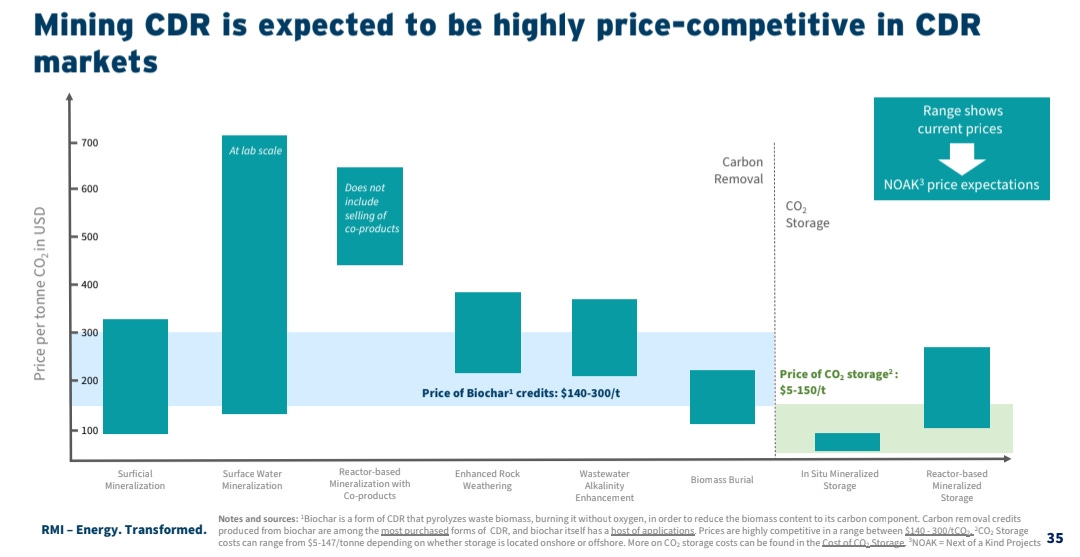
Mining and Carbon Dioxide Removal - A responsible path forward for mine operators, policymakers, and other key stakeholders (RMI)
Carbon Neutrality Mid-Term Report (Tencent)
(NEW) SBTi Net Zero Standard v2: What It Means for Carbon Removal by Kaja Voss, Inherit | 19 August 2026 | Online
(NEW) African Innovation: Driving Opportunity in Biochar and Carbon Removal Market Development | 21 August 2026 | Online
From Ambition to Bankability - What Really Unlocks Carbon Projects Investment? | 26 August 2026 | Online
USBC Navigating Carbon Markets: Policy, dMRV, and Scaling Biochar CDR by US Biochar Coalition (USBC) | 26 August 2026 | Online
AOF event with Symbiosis - open to all developers by The Art of Forests Events | 27 August 2026 | Online
Nordic Climate Finance Summit | 3-4 September 2026 | Oslo, Norway
Carbon Investor Match Day 2026 by Carbon Capital Lab | 15 September 2026 | Online
Canada’s National CCUS Convention | 15-16 September 2026 | Edmonton, Alberta
Carbon Removal Policy Summit by Carbon Gap | 16 September 2026 | Brussels
COMPASS Workshops for mCDR Professionals - Three free virtual workshops designed specifically for the mCDR community
Developing Your Message | 16 September 2026 | Online
Communicating Risk | 07 October 2026 | Online
Engaging with the Media | 28 October 2026 | Online
Carbon Removal Community Reception: Climate Week NYC Edition! by Carbon Business Council, Carbon to Sea | 21 September 2026 | New York, United States
(NEW) The Potential Role of the Biodiversity Beyond National Jurisdiction Treaty by Institute for Responsible Carbon Removal | 22 September 2026 | New York, US
Building a 2030 Carbon Portfolio That Delivers by Gevo | 22 September 2026 | United States
(NEW) Climate Innovation Challenge: Project Finance with DeepSky and PwC by Centre for Climate and Business Solutions | 26 September 2026 | Vancouver, Canada
Carbon Unbound Europe 2026 | 20-21 October 2026 | London, United Kingdom
Mangroves as next-generation Nature-based Solutions: From digital MRV to carbon markets by Landscape Alliance | 15 November 2026 | Blue Zone, Korea Pavilion
2026 North American Biochar Conference - Setting the Standard for Biochar by American Biochar Institute | November 16-18, 2026 | New Orleans, Louisiana
Massachusetts Carbon Dioxide Removal Study Workshop for the Executive Branch by RMI | 17 November 2026 | Online
Sourcing Minerals for Carbon Removal Roundtable by University of Queensland | 20 November 2026 | Australia
AGU26 Annual Meeting | 7–11 December 2026 | San Francisco, CA | Abstract Submission Deadline: 05 August 2026
Ocean Visions 2027 Summit | 02-04 March 2027 | Hilton Cartagena
(NEW) 2027 Annual Convening by Carbon to Sea Initiative | 18-20 May 2027 | Seattle, WA
We have curated a “Carbon Removal Events Calendar.” Explore and stay informed about upcoming events, conferences, and webinars on Carbon Dioxide Removal technology. Sync specific events / all events to your default calendar to ensure you never miss out on important CDR updates.
Carbon Removal Events Calendar
Add our Carbon Removal Events Calendar to your default calendar in 2 ways:
Head to this link: https://teamup.com/kshqbfhrqkw36sxymd
Sync specific event: Click the event → menu (≡) → Share → choose your calendar → Save.
Or sync all events: Menu (≡) → Preferences → iCalendar Feeds → Copy URL → Add to your calendar settings → Subscribe.

Comms, Public Goods at Stripe | South San Francisco HQ
“Stripe is a financial infrastructure platform for businesses. Millions of companies - from the world’s largest enterprises to the most ambitious startups - use Stripe to accept payments, grow their revenue, and accelerate new business opportunities.”
Senior Process Engineer at 44.01 | Oman
“44.01 eliminates CO2 by turning it into rock. Our pioneering technology accelerates the natural process of CO2 mineralisation to remove captured CO2 permanently in less than 12 months.”
Working student: Project & Grant Management at Greenlyte
“At Greenlyte, we’re reshaping the global fuel economy with our innovative, IP-protected technology that captures CO₂ directly from the air and converts it into fuel.”
Lab Manager at Heirloom | Brisbane, CA
“Heirloom harness the natural power of limestone to permanently remove billions of tons of carbon dioxide from the air while creating new energy pathways.”
Director of Finance and Administration at Ocean Visions| United States Remote
“Ocean Visions is a nonprofit conservation organization pursuing bold solutions to counter and reverse climate impacts on ocean health.”
Head of Business Development & Sales at Terradot | New York, NY, San Francisco, CA
“Terradot’s mission is to stabilize Earth’s climate by transforming nature’s most powerful permanent carbon removal process into a global climate solution.”
Chemical Engineer at Sirona Technologies | Brussels, Belgium
“At Sirona Technologies, we are developing direct air capture (DAC) technology to remove CO2 from the air and combat climate change.”
Office Manager / Executive Assistant at Crew Carbon| Brooklyn, NY
“CREW’s technology and services make wastewater treatment cheaper and more efficient, while permanently sequestering CO₂.”
Project Coordinator - Temporary Contract at Carbon Engineering | Squamish, BC, Canada
“Carbon Engineering has advanced technologies for capturing carbon dioxide from the air around us. They are focused on the continual innovation of our Direct Air Capture technology to provide it at the scale and cost the world needs to help address the climate challenge.”
Marketing Manager at Black Bull Biochar | Manchester (Hybrid)
“Black Bull Biochar (BBB) is a growing UK company scaling the use of biochar, a carbon-rich material that improves soil health and removes carbon from the atmosphere.”
Postdoctoral Fellowship: Particle Dynamics in the Ocean with Applications to Marine Carbon Dioxide Removal at Hourglass Climate, in partnership with Dalhousie University and Carbon to Sea Initiative
“Mineral-based marine carbon dioxide removal approaches involve releasing reactive olivine mineral particles or particle slurries into the ocean. The effectiveness of these approaches depends strongly on what happens immediately after release. The research will focus primarily on understanding the initial dynamics of particle slurry releases, particularly how release conditions such as slurry concentration, discharge rate, particle properties, and release configuration affect particle transport through the water column. A central goal is to quantify how rapidly released particles travel from the ocean surface toward deeper water or the seafloor, how turbulent mixing influences their trajectories and residence time, and how much dissolution occurs during this transport.”
Director of Project Development at Graphyte | Remote
“Graphyte is a climate tech company on a mission to deliver the world’s lowest-cost, highest-durability carbon removal.”
Looking for your dream job in CDR? There are 582 jobs available *right now*: check them all out at:

Mining the Atmosphere: The Future of Direct Air Capture of CO2 | Dr. Gerhard Schöny, DACworx | The Energy Bridge
“In its mission to decode and accelerate the energy transition in Central & Eastern Europe, The Energy Bridge sits down with Dr. Gerhard Schöny, CEO & Co-Founder of DACworx, to explore one of the most ambitious questions in the climate-tech transition: Can Direct Air Capture become a real, bankable technical asset in the bid to decarbonize industry?
Recorded in Vienna, this episode takes us from TU Wien research labs and industrial energy assets to the emerging world of Direct Air Capture (DAC)—exploring what it takes to move carbon removal from scientific concept to scalable industrial infrastructure.
We unpack the critical intersection between hard-tech innovation, energy systems, industrial integration, and project finance, asking whether DAC can move beyond the hype and become a commercially viable part of Europe’s decarbonisation strategy.”
AirMiners: What’s Hot in Carbon Dioxide Removal, August 2026 | AirMiners
Biological Carbon Pump Storage in Oceans: Huge Importance of Marine Snow Rates and Water Pressure | Paul Beckwith
“Biological Carbon Pump Storage in Oceans: Huge Importance of Marine Snow Rates and Water Pressure
The oceans of the world sequester around 25 to 26% of yearly anthropogenic emissions of CO2 into the atmosphere.
The primary mechanism for absorption of carbon is the so called Biological Carbon Pump, whereby phytoplankton and small plant life like diatoms capture the carbon in the water for their growth.
Much of this carbon then falls as so-called “marine snow” from the near surface regions into the deep ocean. If it makes it to the deep ocean floor, the carbon can be stored for thousands to hundreds of thousand years.
However, the two new studies I chat about find out that somewhere from 50 to 60% of the carbon in the marine snow is re-released into the water column when the marine snow reaches depths of between 2 and 6 km due to the massive hydrostatic water pressure.”
The Early Days: Building the Leverhulme Centre and Its Team | The University of Sheffield Player
“In the first episode of our podcast series reflecting on a decade of Enhanced Rock Weathering research at The Leverhulme Centre for Climate Change Mitigation, Professor David Beerling looks back at the early days of the Centre and the carbon dioxide removal (CDR) landscape ten years ago.
David discusses the vision behind establishing the Centre, the importance of integrating social science from the outset, and the challenges and opportunities of building an interdisciplinary research team to explore Enhanced Rock Weathering as a climate solution.
Joining David is Dr Mike Kelland, David’s first PhD student working on Enhanced Weathering and, fittingly, the first guest in this podcast series. Together, they reflect on how the field has evolved over the past decade and the role the Centre has played in advancing research and understanding in carbon dioxide removal.”
Using big data simulation models for real-world scenarios for CO2 removal | The University of Sheffield Player
“In this episode, Professor David Beerling is joined by Dr Euripides Kantzas to explore how big data, simulation and optimisation modelling are used to understand how Enhanced Rock Weathering (ERW) could be deployed at scale with agriculture for carbon dioxide removal.
They discuss how combining data from field trials, crop systems, transport networks, geological resources and climate datasets enables researchers to simulate real-world deployment scenarios and assess where ERW could deliver the greatest climate benefits.
The conversation also explores the challenges of scaling carbon dioxide removal technologies, including practical, environmental and economic considerations, and how modelling helps inform these trade-offs.
Together, they reflect on how advances in computational modelling are helping to transform ERW from a promising scientific concept into a credible, scalable climate mitigation strategy.”
Quico Toro: Developing new sensor and ocean modeling technology for carbon dioxide removal | Renaissance Philanthropy
“Renaissance Philanthropy’s Big if True Science Accelerator (BiTS) addresses a critical gap in the global research ecosystem by identifying and training field leaders to design R&D efforts that go beyond the scale of a single existing institution, positioning them to launch and execute initiatives that could reshape entire fields and tackle humanity’s most pressing problems.
In partnership with the Cabinet Office of Japan, BiTS serves as a key talent pipeline for the Global Startup Campus (GSC) initiative, helping prepare future leaders for the International Research Program (IRP), spanning AI and robotics, biotechnology, and climate technology.
In 2026, we selected 10 fellows for BiTS Japan and matched them with experienced mentors from ARPA-H, DARPA, ARPA-E and other ARPA-style institutions. Over 15 weeks, they transformed their ideas into actionable program designs. Watch the Fellows present their concepts for breakthrough research program at ExhiBiTS.”
D2S3 Indigenous Titan Project: Indigenous leadership in carbon removals and renewable fuels | Environment and Climate Change
Can Agriculture Remove Carbon From the Atmosphere? | Dr. Tom Richard | Harvesting Wisdom with Mike McMahon
“In this episode of Harvesting Wisdom, Dr. Joe Roselle speaks with Penn State Professor Emeritus Dr. Tom Richard about biomass carbon removal and the role agriculture could play in addressing climate change.
Dr. Richard explains how plants naturally capture carbon through photosynthesis and how healthy soils, forests, biochar, composting, renewable natural gas, and emerging technologies can help keep that carbon out of the atmosphere for decades or even centuries.
The conversation also explores how farms can become part of the climate solution while strengthening agricultural systems, creating renewable energy opportunities, and supporting a growing bio-based economy.”
Launching Deduci’s U.S. CDR Portfolio in Partnership with Isometric | Deduci
“As frameworks like SBTi, CDP, EcoVadis, and more sharpen their expectations around carbon dioxide removal (CDR), organizations need a clear understanding of where removals fit within their climate strategy and how to source high-quality credits with confidence.
Join Deduci and Isometric for the official launch of Deduci’s U.S. CDR Portfolio, designed to help organizations confidently procure high-integrity carbon removal credits and align with leading sustainability frameworks. Our portfolio has been designed to streamline the procurement process while prioritizing high integrity and quality criteria.
Whether you’re building a climate strategy, preparing for reporting requirements, or exploring CDR for the first time, you’ll leave with a practical framework for evaluating carbon removal projects, understanding quality and integrity considerations, and identifying where removals may fit within your broader climate strategy.”
Our enhanced rock weathering Journey modelling: from grain to globe | The University of Sheffield Player
“In this episode, Professor David Beerling is joined by Dr Lyla Taylor to explore how modelling at The Leverhulme Centre for Climate Change Mitigation has evolved over the past decade to support research into Enhanced Rock Weathering (ERW) and carbon dioxide removal.
They discuss how early modelling approaches provided foundational insights into ERW potential, and how these have developed into more sophisticated, integrated tools combining biogeochemistry, soil science, crop systems and Earth system processes.
The conversation highlights how iterative model development, combined with new data from experiments and field trials, has improved understanding of ERW impacts and increased the realism of predictions at larger scales.
Together, they reflect on how modelling has been central to LC3M’s progress, helping translate early conceptual ideas into robust, evidence-based science with real-world application.”
Weekly Carbon Removal Updates from 10 August - 16 August 2026 | Carbon Removal Updates Bulletin
Remove opened applications for its India CDR startup accelerator, offering mentoring and up to €15,000 in pre-purchase support | Deadline: 23 August 2026
Remove, the non-profit CDR accelerator, backed by Milkywire’s Climate Transformation Fund, has officially launched its first Latin American CDR accelerator | Applications close 30 August 2026
Swedish Energy Agency opened 15M SEK funding for negative emissions R&D | Deadline: 31 August 2026
Vietnam’s Net Zero Challenge, the country’s largest climate technology innovation competition, has opened applications for its fourth edition, offering over $800,000 in prizes | Applications close 31 August 2026
Germany launched €5B Carbon Contracts for Difference program to support CCS and CDR | Tender submission deadline: 07 September 2026
ISO has opened its draft ISO 14060 carbon credit procurement rules for consultation until 09 September 2026, proposing durable CDR purchases within five years of setting a net-zero target.
The European remove CDR Accelerator program is accepting applications | Deadline: 13 September 2026
(NEW) Google launched its 2026 Carbon Removal and Superpollutant Elimination R&D Awards, offering over $6 million in grants, with individual awards up to $450,000 | Deadline: 25 September 2026
Deduci launched a US CDR portfolio with Isometric, featuring improved forest management, subsurface biomass storage and biochar projects | Procurement closes 30 September 2026
(NEW) Carbon to Sea launched two 2026 funding calls totaling up to $6 million for Ocean Alkalinity Enhancement research | Pre-proposal deadline: 30 September 2026
Carbon Management journal calls for CDR papers | Deadline: 13 November 2026
The Ocean Science Equity Initiative announced to offer travel grants for individuals to attend mCDR conferences and meetings | Applications deadline: 15 November 2026
CIEIF announced another round of three grants with award amounts of $75,000 each | Deadline for applications is December 1, 2026
Call for Manuscripts | Research Topic: Forest Carbon Sinks: Fluxes and Storage Capacity | 31 January 2027

Twitter | Bluesky | LinkedIn | YouTube | Substack | Podcast 1 | Podcast 2
Comments
Nothing yet. Say the first thing.
Sign in to join the conversation.