
Lately, I can’t stop thinking about the connection between grief and wonder.
K.J. Ramsey deliciously writes about it in her new book, The Place Between Our Pains. As she wades through the waters of a body that is at once broken and whole, she says this: “I stare out the window the the whole way to Denver, thinking Are people aware that grass glow? The sky is like a painting — Berlin blue with whipped cream puffs of clouds over buttes and craggy hills.”1 The grief of unknowing and of sickness and of mourning that which was often churn into wonder when she is least aware.
In Sacred Curiosity, which drips with bits of holy mischief and grace alike, Britney Winn Lee writes about how wonder can meet us in the midst of grief and fear. Of this experience, she writes, “I began to notice things, like how a question could soften a hardened conversation, how wondering could slow me down just enough to breathe. I learned that curiosity doesn’t require anything I don’t already have. It asks for attention, not perfection. For openness, not expertise.”2
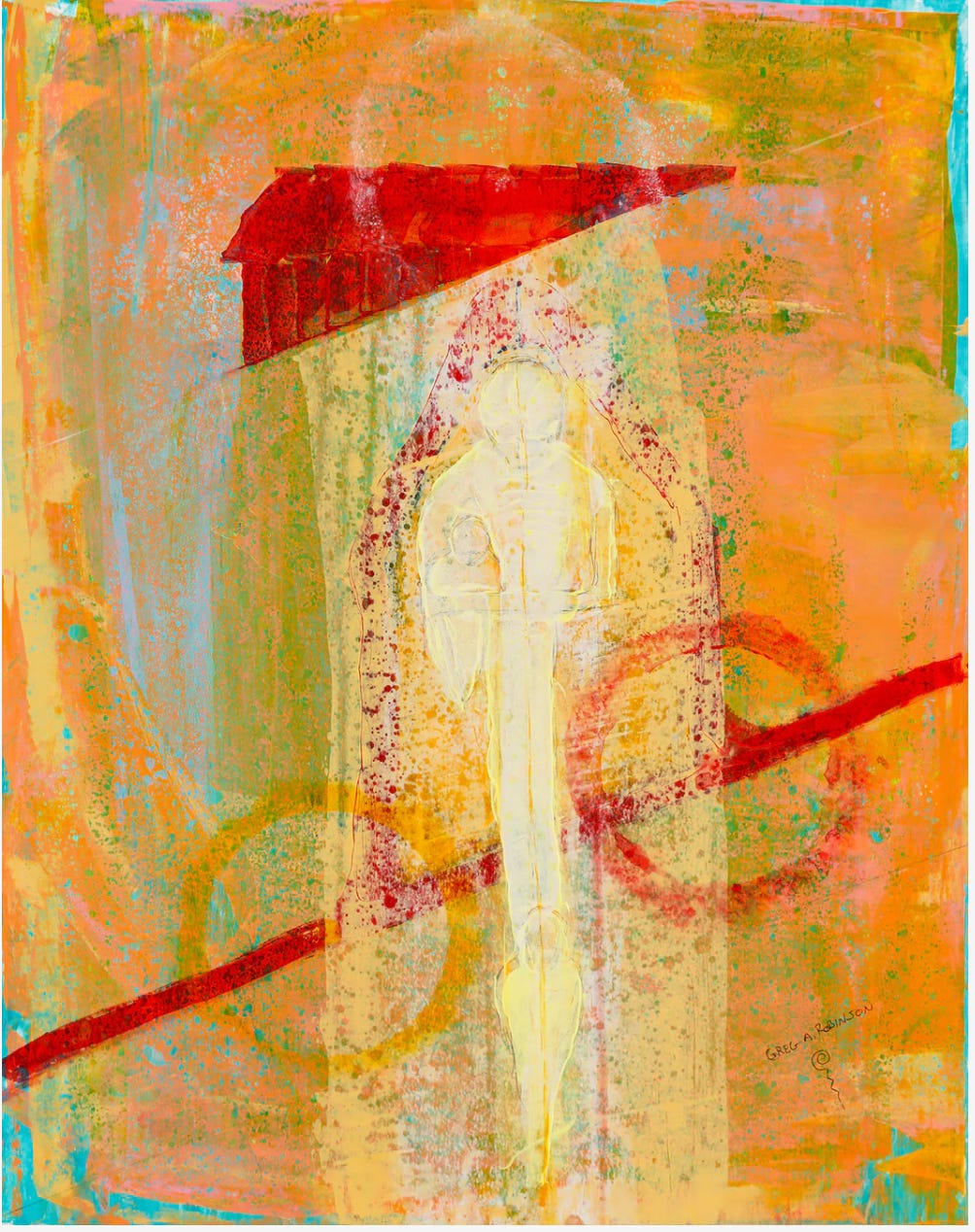
And, of course, I don’t think it’s too much to say that the Pope himself sees a connection between grief and wonder, even if he’s technically arguing against artificial intelligence:
Finitude, when truly accepted, does not diminish us but opens us to recognizing the face of God and others. Indeed, precisely because we experience limits — vulnerability, suffering and failure — we can recognize the inviolable dignity of every person, both our own and that of others. In this same experience, we must remain capable of intuiting a fraternity greater than ourselves and of perceiving injustice as a scandal. Authentic culture and art preserve this spark, resisting the normalization of evil. For this reason, certain works have taken on an almost prophetic significance: Beethoven’s Ninth Symphony can be seen as a desire for unity; Guernica as a denunciation of dehumanization; Schindler’s List as a call not to consign the past to oblivion.
In all these many places, the physical affects of grief that can make our bodies ache and run hot, that leave us feeling sluggish, vague and confused, become the very thing that cause us to seek out awe and wonder.
And when that happens — when we are then found searching for awe and wonder — the author of Awe says that doing this “slows your heart rate, orients your attention toward others, and prompts you to explore and engage with the world.”3
It transforms who we are and how we interact with the world, perhaps maybe even making us realize that we are part of something so much bigger, greater, mightier than ourselves.
So, I don’t know about you, but I need a little more awe and wonder in my life — even (and especially even) in the midst of grief.
Yes, please.
c.
One more thought: As of last Thursday, we are done with the elementary school years. This coming Saturday, I’ll be ordained to the transitional diaconate in the Episcopal Church. Summer is upon us and I’m a little late to, well, everything. I barely wrote in May, because, Maycember, but also because all of these many things don’t just carry a physical weight to them (read: busyness), but a spiritual and emotional weight too.
One book I’m reading: If you’re looking for a little bit of a summer read that’ll make you rethink every reality television show you’ve ever watched over the last 30 years (I see you, The Real World), then scurry to your favorite local bookseller for a copy of The Compound by Aisling Rawle.
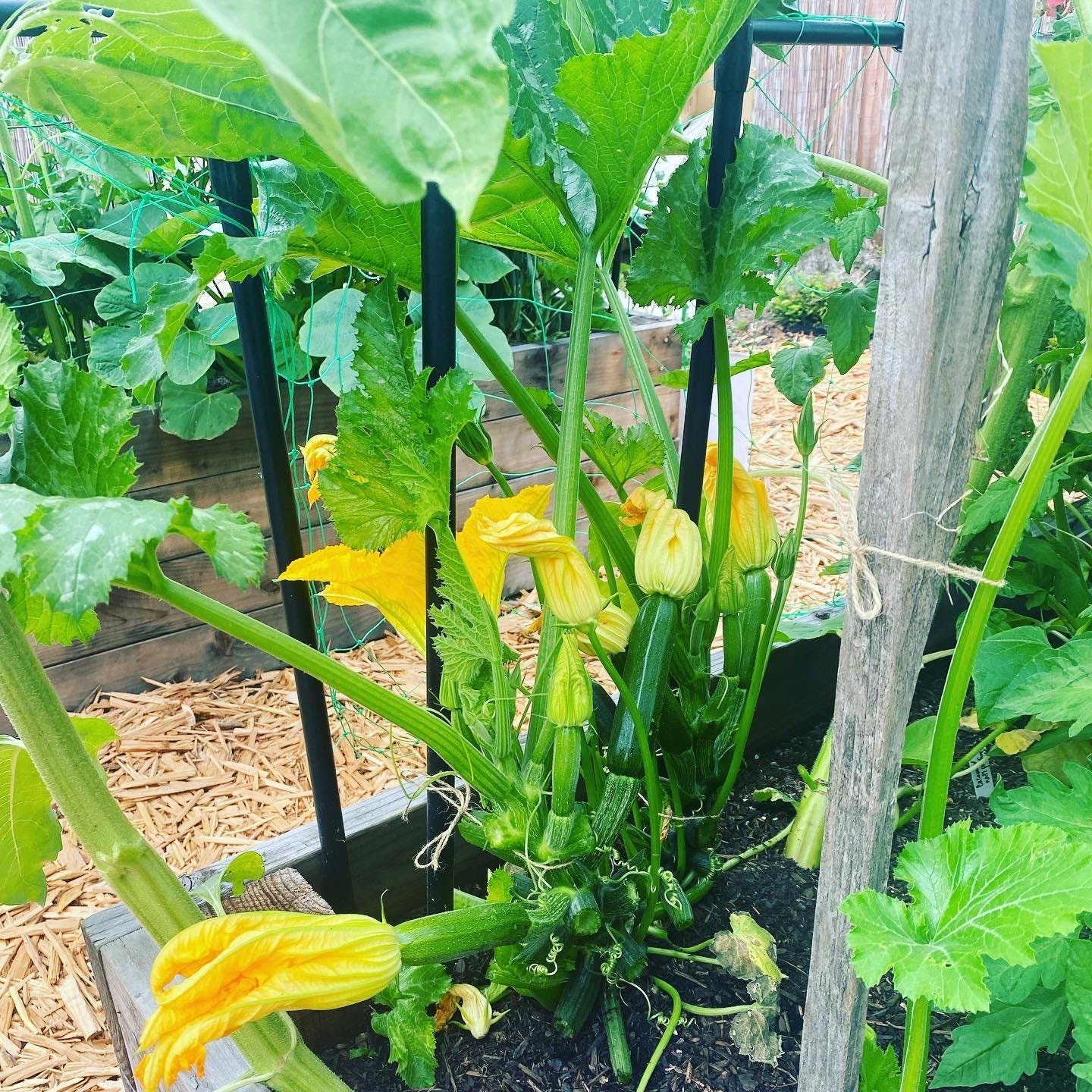
One tiny garden musing: Did you know that Chinese celery is long and stringy and can grow to more than three feet tall if you think it’s supposed to get fat and stalky like the stuff at the store? Did you know that garlic is ready to be pulled from the ground not when all the tops die, as might happen in a bed of potatoes, but when the bottom two or three leaves turn yellow and die back? Well, now you know (and now I do too).
The Place Between Our Pains, page 136.
https://booksbywomen.org/back-to-color-back-to-life-behind-my-book-sacred-curiosity-by-britney-winn-lee/
Thank you, Dacher Keltner. More here: https://www.mindful.org/the-science-of-wonder/
No posts
Comments
Nothing yet. Say the first thing.
Sign in to join the conversation.